








Introduction:Want to understand the differences between common coffee beverages and how to make them at home? This article takes an in-depth look at 10 popular types of coffee, including espresso, latte, Dirty, pour over, and cold brew. It breaks down their recipe ratios, extraction essentials, and flavor profiles, while also offering practical home-brewing tips. Whether you're just starting out or aiming to master them all, you'll easily grasp the unique charm of each coffee style.
No need to feel nervous when visiting a coffee shop for the first time. There are about ten commonly seen coffee drinks on the market today, including espresso, SOE coffee, Americano, latte, flat white, cappuccino, pour over coffee, cold brew, Dirty, and various specialty blends. Most of these drinks are based on Arabica beans, which are favored by coffee lovers for their delicate flavors and suitability for a variety of brewing methods.

These coffees can be roughly divided into several categories. The espresso-based category includes espresso, SOE coffee, Americano, latte, flat white, cappuccino, and Dirty. These coffees are usually made by extracting concentrated coffee under high pressure and then adjusting the flavor and texture with varying proportions of water or milk. Next, we’ll go through the characteristics and brewing methods of these common coffee types one by one.
First up:Espresso—the foundation of many coffee drinks. It is made using a professional espresso machine, extracting finely ground coffee beans under high pressure. The process is typically short but yields a highly concentrated shot. To balance flavor and reduce costs, most shops use blended beans, combining beans from different regions to create a richer, more layered taste. The roast level is usually medium to dark or darker to enhance aroma and body.
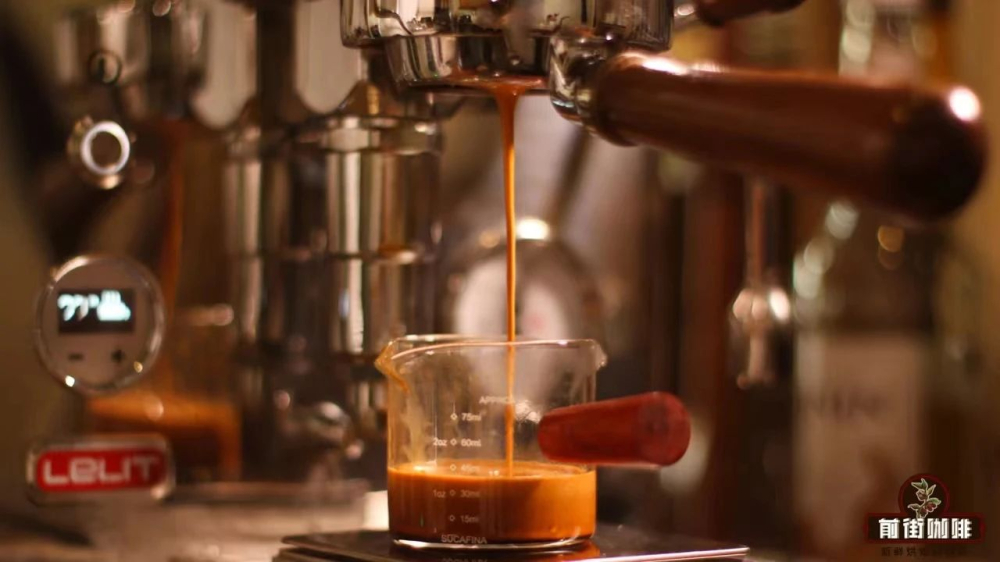
SOE Coffeeis made using single-origin beans from a specific region. Compared to blends, single-origin beans better showcase the unique terroir and processing methods of their origin, resulting in clearer flavor layers—such as distinct fruitiness, floral notes, or nuttiness. It’s a favorite among many coffee aficionados.
Americanois the simplest variation—just add hot water to espresso. Using ice cubes turns it into an iced Americano. This coffee retains the aroma of espresso but offers a lighter, more refreshing taste, making it ideal for those who enjoy the essence of coffee without too much intensity.
As for milk-based coffees such asLatte,Cappuccino, andFlat White, their differences mainly lie in the ratio of coffee, milk, and milk foam. A latte typically consists of 1/3 espresso and 2/3 milk, with about 1 cm of milk foam on top, delivering a smooth texture and rich milk aroma.Cappuccinois made with 2/3 espresso and 1/3 milk, topped with around 1.5 cm of thicker foam, offering a more pronounced layering of foam when sipped.Flat Whitehas an even stronger coffee presence, with a ratio of 2/3 coffee to 1/3 milk, and only about 0.5 cm of foam, allowing the coffee flavors to shine through more prominently.
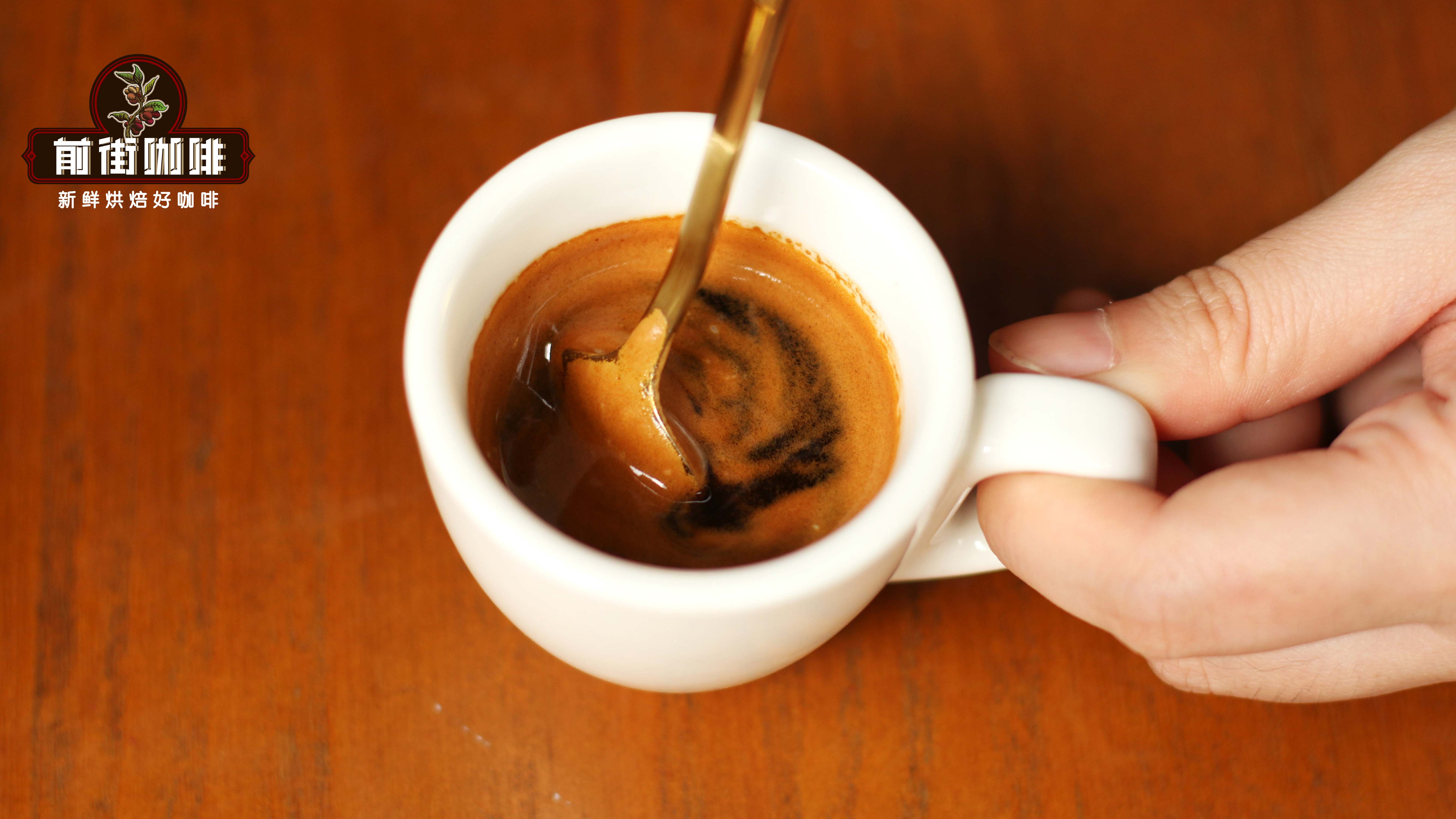
Dirty Coffeeis a drink that plays on the contrast between hot and cold. It involves pouring espresso directly over ice-cold milk or ice博客 (clarified milk), creating a distinct layered effect due to the temperature difference. This coffee is meant to be enjoyed without stirring, enabling you to experience the shift from intense coffee flavor to smooth milk with each sip.

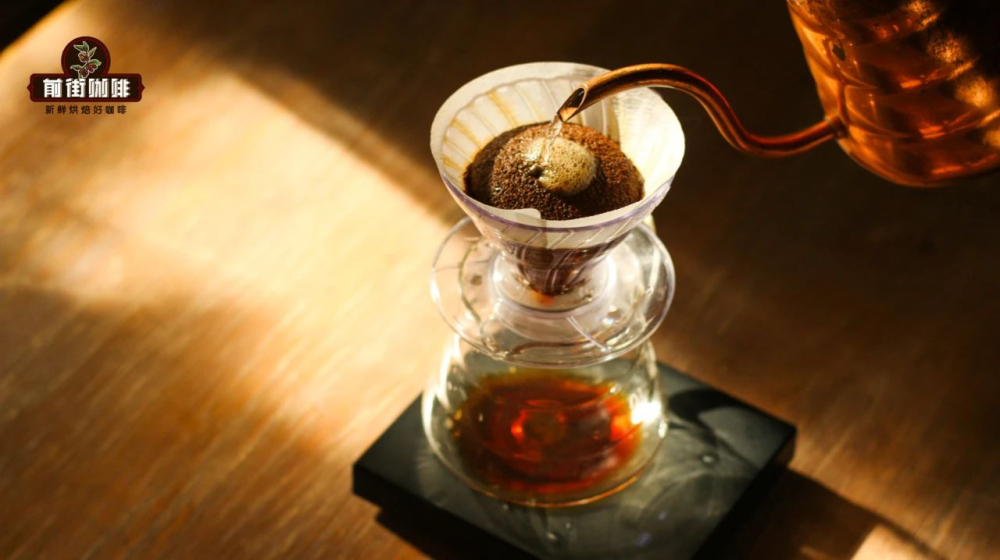
Besides espresso-based drinks,Pour Over Coffeeis another widely loved brewing method. Using a filter dripper and a pour over kettle, you control variables like water temperature, pour speed, and grind size to slowly extract the coffee’s flavors. The process often involves a paper filter to separate the grounds, preserving the coffee’s original character and bright acidity. For the most authentic experience, it's recommended to use freshly roasted beans and grind them just before brewing to achieve optimal flavor.

If you prefer cold drinks,Cold Brew Coffeeis an excellent choice. It’s made by steeping medium-fine ground coffee in cold water at a fixed ratio for at least 8 hours, then filtering out the grounds. This gentle extraction method reduces acidity and bitterness, highlighting the coffee’s sweetness and body. A general guideline is a 1:12 coffee-to-water ratio, and adding ice helps maintain a low temperature for stable and balanced flavor extraction.

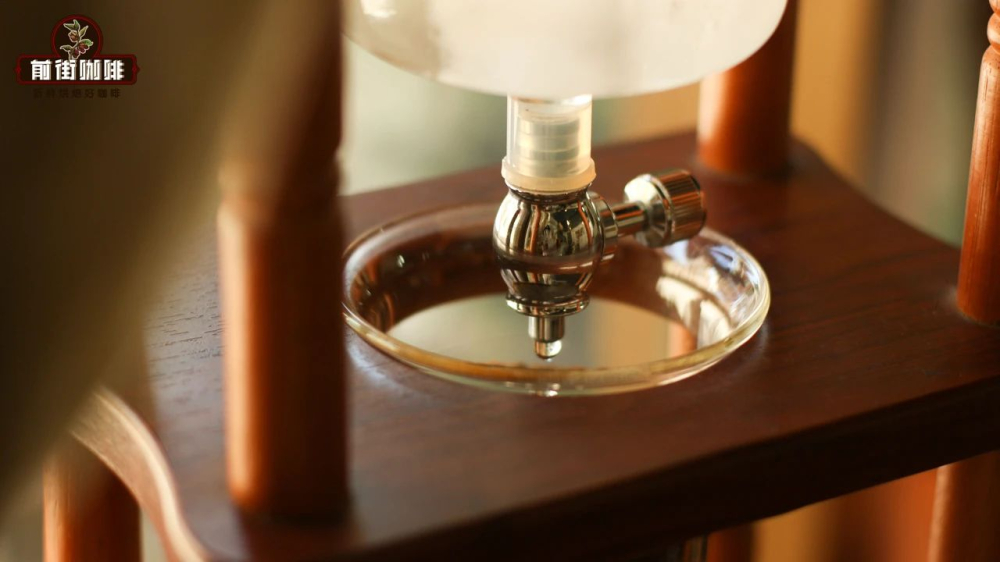
Additionally,Ice Drip Coffeeis an even more time-consuming but uniquely flavorful brewing technique. It involves slowly dripping ice water over coffee grounds, usually taking over 5 hours, followed by refrigeration for maturation before drinking. This method extracts coffee with fruity, wine-like aromas and a rich, smooth mouthfeel, making it ideal for those who enjoy complex flavors. High-quality single-origin beans with prominent fruity notes are recommended.
Finally,Specialty Blended Coffeesare created by adding fruits, juices, or other flavor elements to base coffee, resulting in a wide range of taste variations. They’re a great choice for summer or creative coffee experiences. No matter the type of coffee, as long as you understand the basic principles and ratios, you can easily recreate professional-grade flavors at home.



The above content is compiled by CoffeeHunters, a coffee news website.


