








Introduction:Dive into the 10 essential espresso-based coffees every café must have — from espresso to caramel macchiato. Master the core recipes, extraction parameters, and unique flavor profiles of each drink. This guide details the ratios, milk frothing techniques, and layering methods for each coffee type, helping beginners identify differences and even recreate professional-level flavors at home.
Espresso-based coffee is the soul of modern cafés, yet many people still only have a vague understanding of the definitions and preparation details behind common terms like Espresso, Latte, and Cappuccino. This article will introduce you to 10 classic espresso drinks, from the foundational espresso to the creative variation known as Dirty Coffee, analyzing their flavor profiles, ingredient ratios, and brewing tips one by one.
EspressoConsidered the foundation of all espresso-based drinks, it is made by forcing nearly boiling water under about 9 atmospheres of pressure through 20 grams of finely ground coffee in 20–30 seconds, extracting about 40 grams of rich coffee liquid. The most distinctive feature of this coffee is the thin layer of crema (coffee foam) that floats on the surface, offering complex layers of caramel, chocolate, and bold bitterness.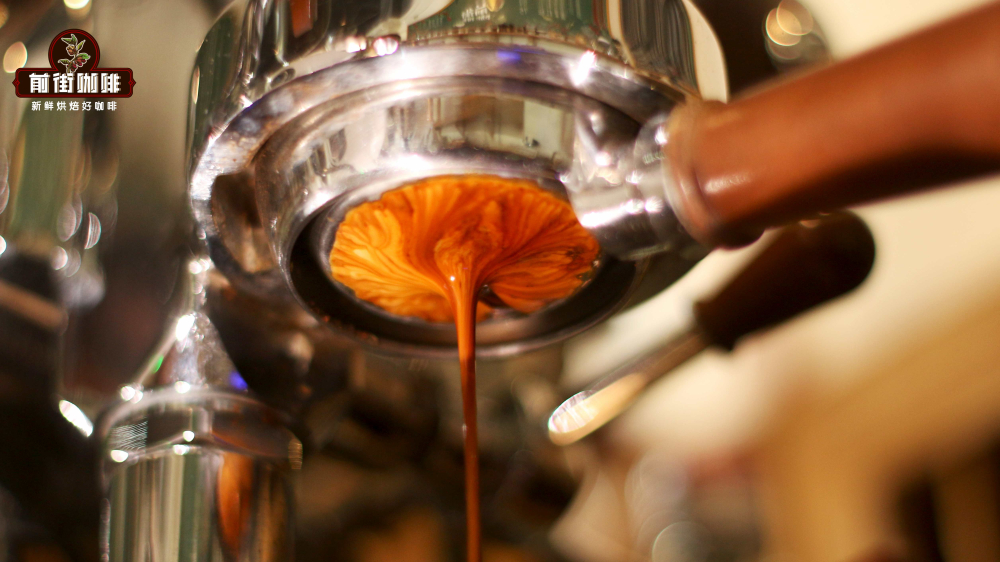
AmericanoThis is a simplified version made by diluting espresso with hot water, originating from World War II when American soldiers adapted the flavor of Italian espresso. It’s recommended to use 40 grams of espresso with 180 ml of hot water, for a total volume of about 220 ml, in a ratio of approximately 1:4.5. This retains the original aroma of the coffee while reducing its intense strength, making it perfect to enjoy with desserts.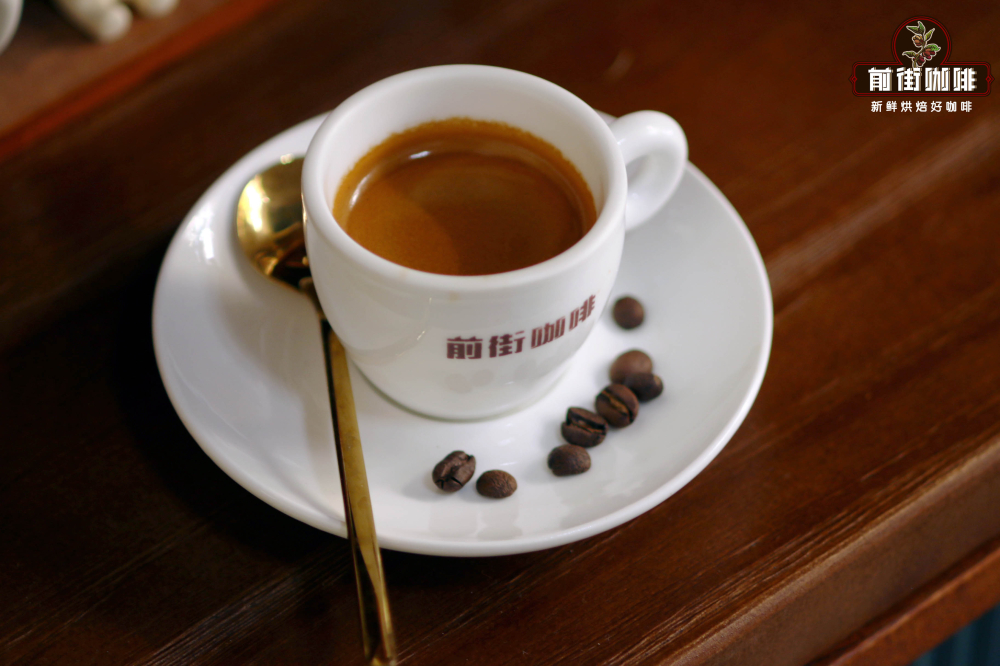
LatteA classic combination of milk and espresso, “Latte” means “milk” in Italian. The standard recipe consists of a double shot of espresso (40 grams) paired with 260 grams of steamed milk and a 1 cm thick layer of milk foam, which allows for elegant latte art designs. The sweetness of the milk softens the strong bitterness of the coffee, resulting in a balanced and smooth taste.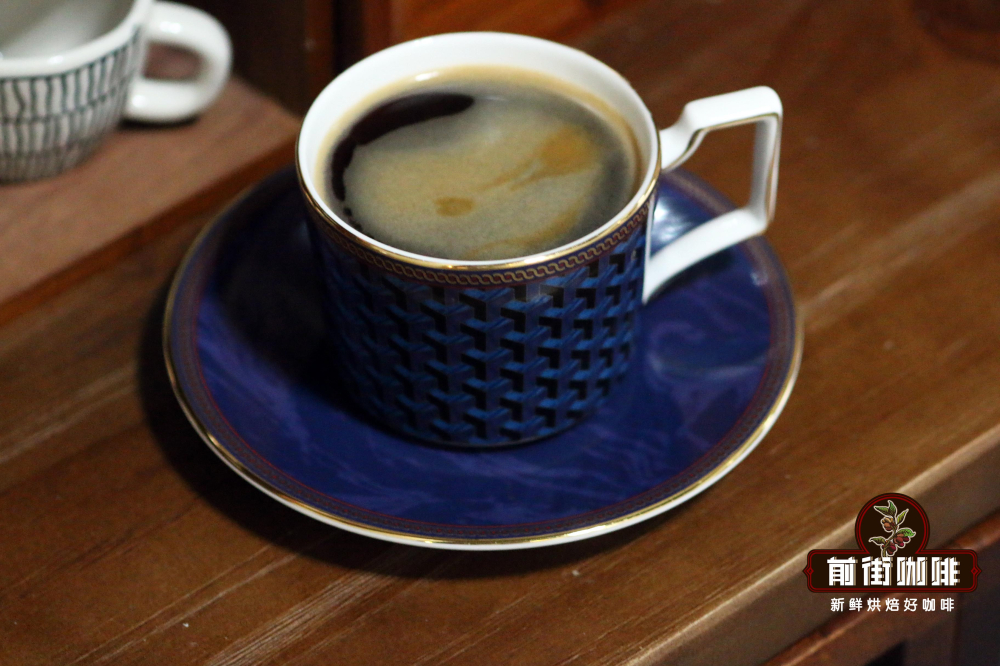
CappuccinoSimilar to a latte but with more texture, its hallmark lies in the denser milk foam (usually over 1 cm thick) and the golden ratio of 1:1:1 for espresso, milk, and foam. Traditionally served in smaller tulip cups of around 180 ml, it highlights the intensity of the coffee and the velvety feel of the foam — a classic favorite among many coffee lovers.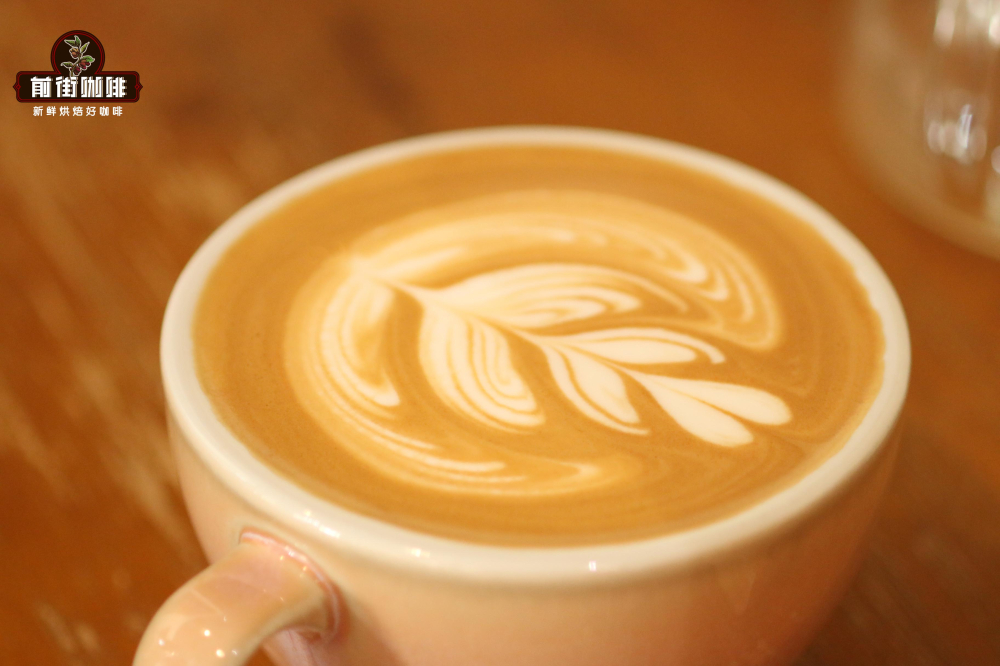
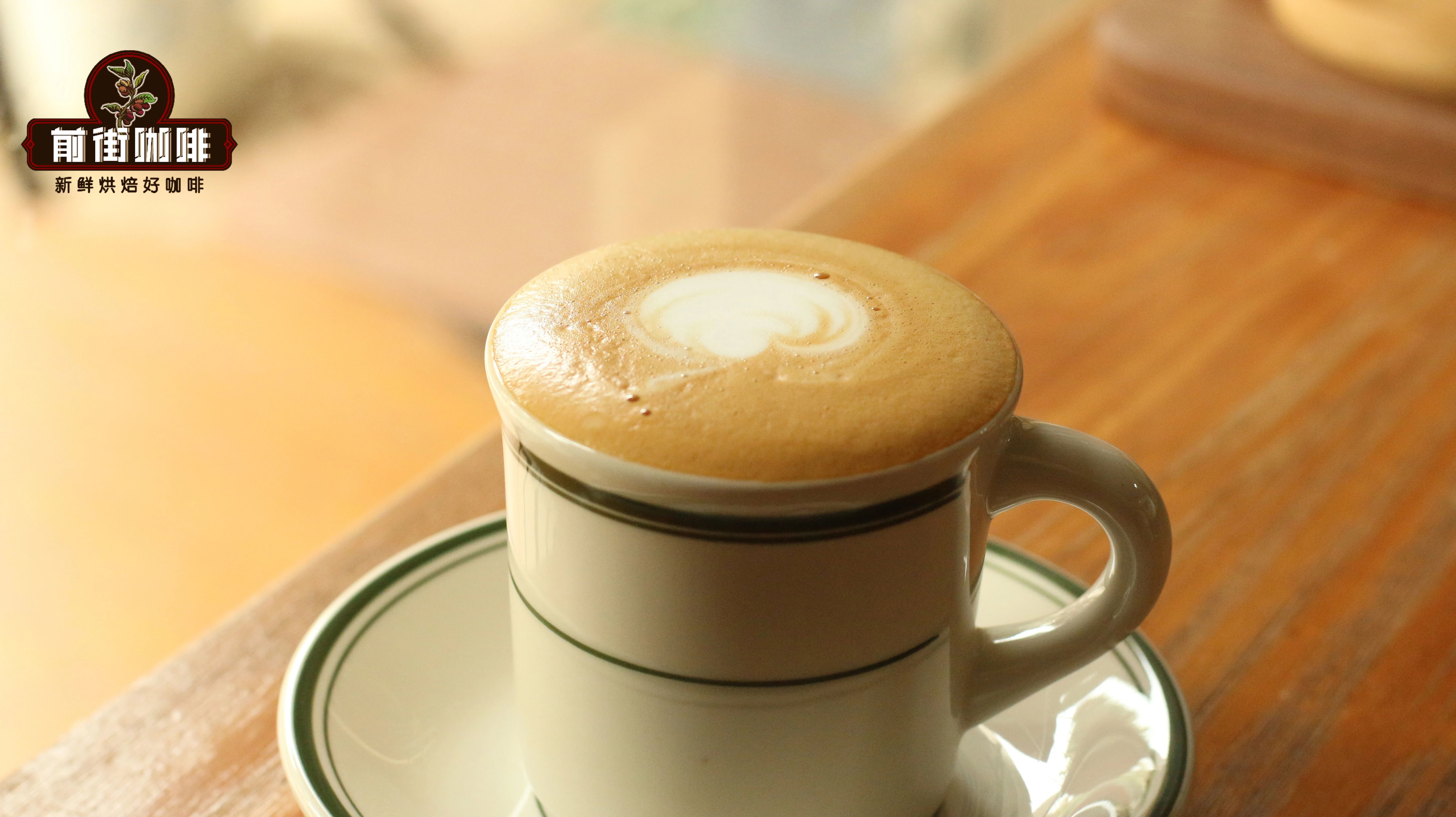
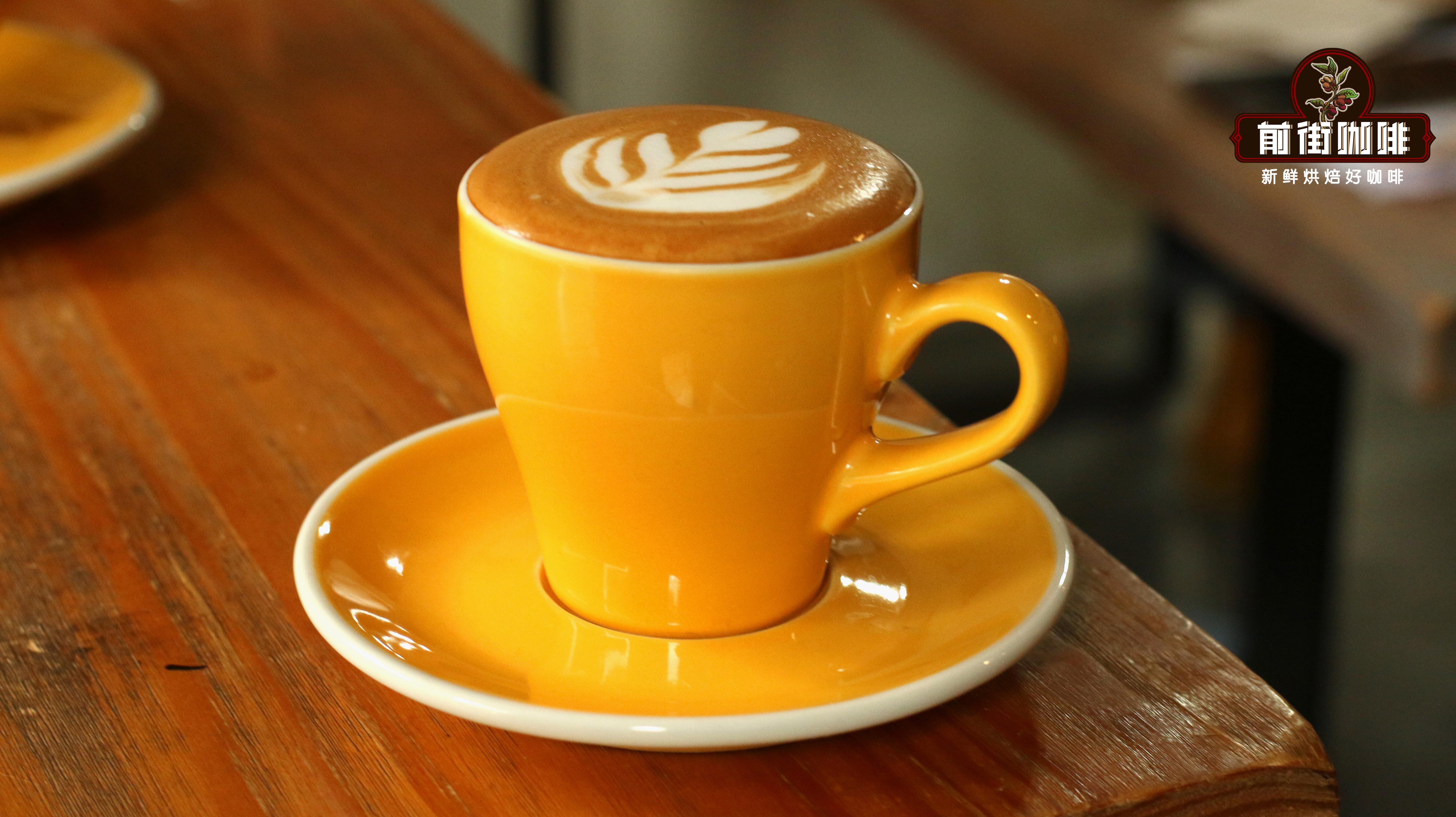
Flat WhiteOriginating from Australia, this is a more concentrated version of a latte, featuring a smaller cup size (about 220 ml), less milk, and a thin 0.5 cm layer of foam, intensifying the coffee’s own aroma. It’s recommended to use 30 grams of ristretto espresso with 190 ml of milk, creating a rich and layered drinking experience. Only available as a hot drink.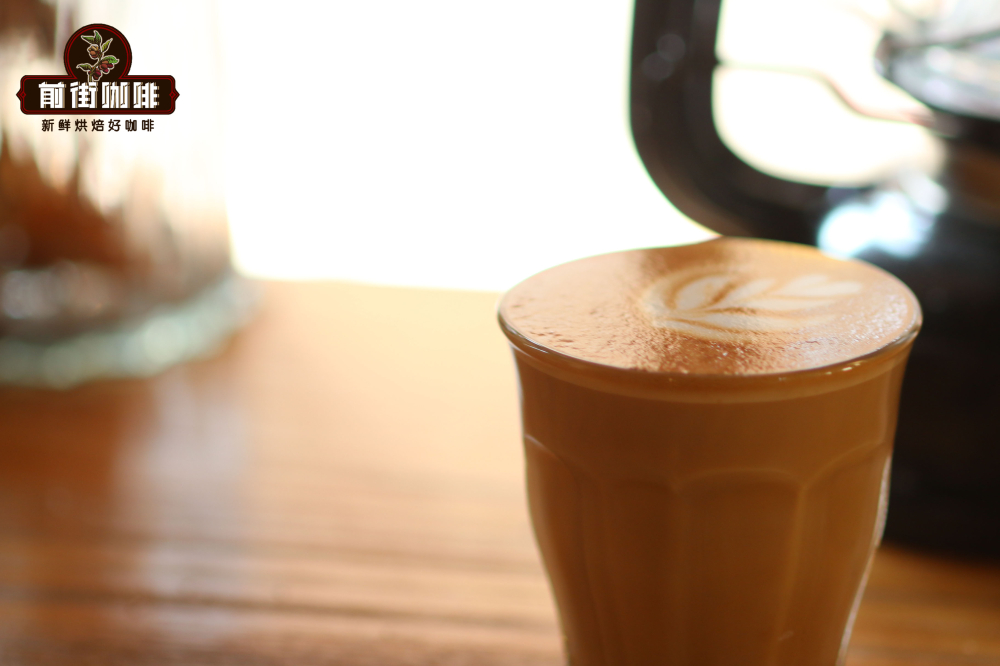
MochaA brilliant combination of coffee, hot milk, and chocolate. You can add white chocolate for a variation called White Mocha, or blend double chocolate syrup to create zebra stripes. The standard recipe includes 40 grams of espresso, 20 grams of chocolate syrup, and 260 grams of hot milk — sweet but not cloying, ideal for chocolate lovers.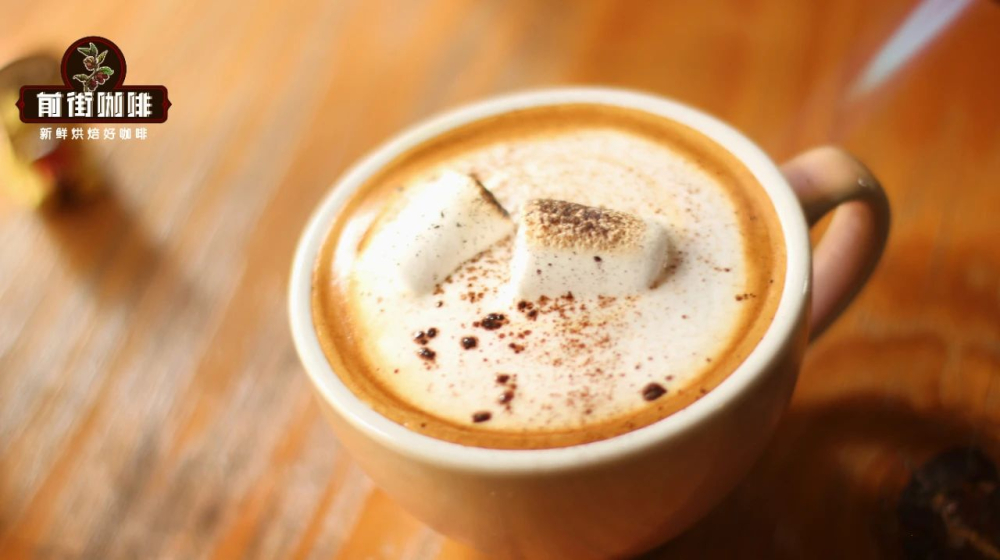
Dirty CoffeeA visual and flavor-packed performance of cold milk and hot espresso, the key lies in using a glass without ice cubes and precise pouring technique. It’s recommended to use 150 grams of cold milk and 40 grams of espresso, pouring the espresso from about 1 cm above the milk surface so it slowly rises above the milk, creating the signature “dirty” layered effect. The best flavor is experienced when the hot and cold elements meet.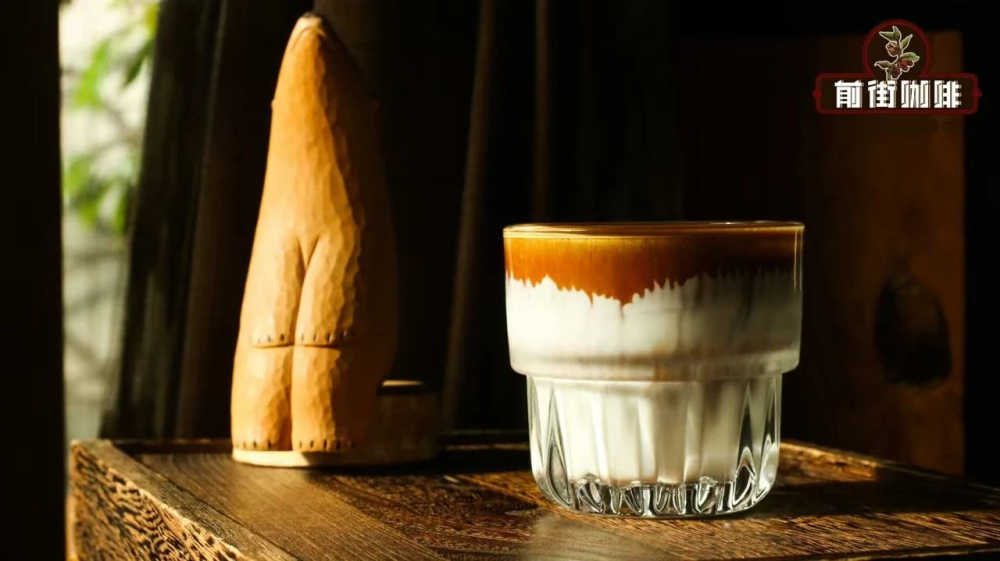
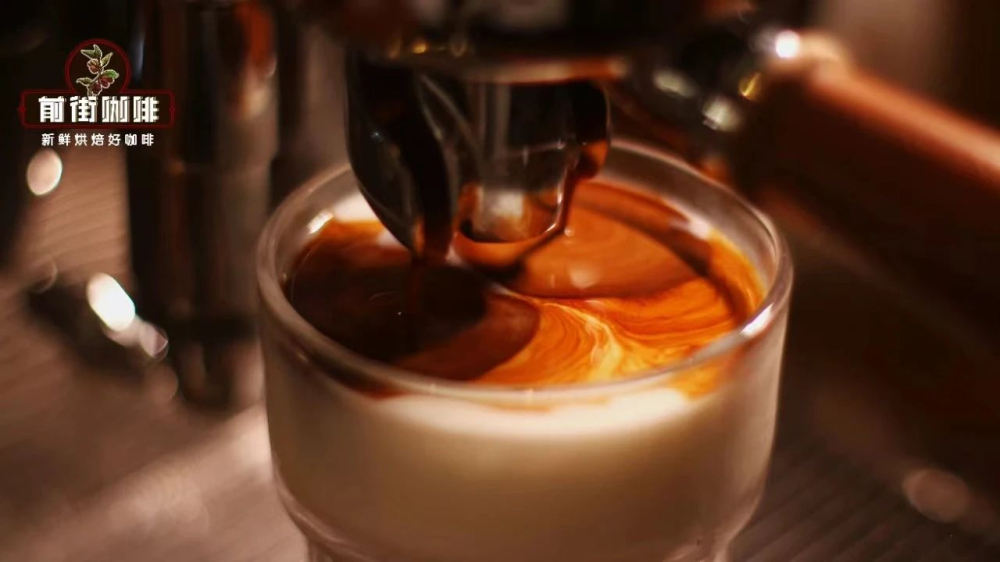
MacchiatoIn Italian, it means “marked.” The traditional method involves topping an espresso with a spoonful of delicate milk foam, leaving a white mark on the crema. The modern version usually consists of 40 grams of espresso with a small amount of foam, allowing drinkers to experience the contrast between the boldness of the espresso and the softness of the foam.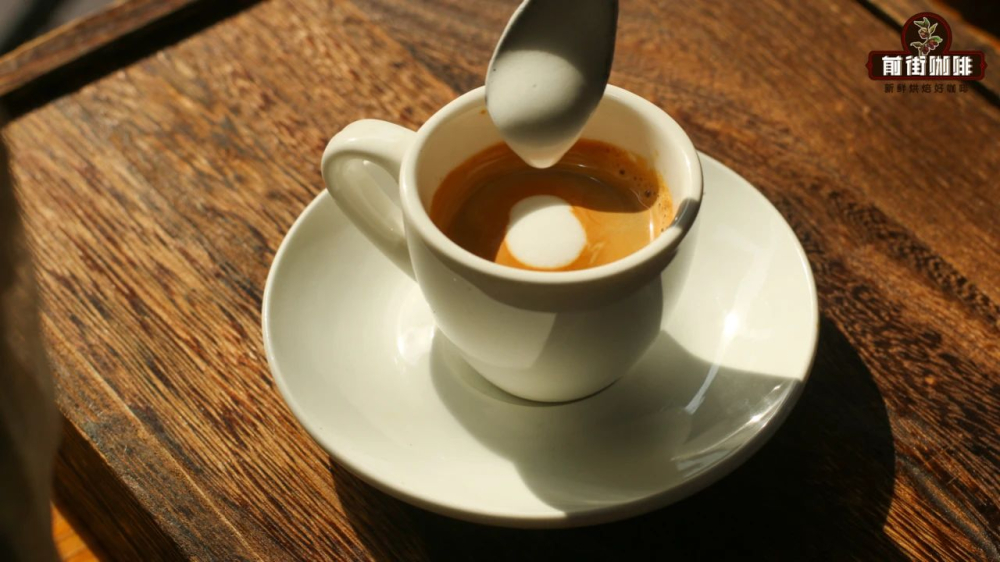

AffogatoA creative dessert coffee where a ball of vanilla ice cream is placed in a cup and then topped with a shot of hot espresso. The contrasting hot and cold sensation makes it especially enjoyable in summer, showcasing the perfect pairing of coffee and dessert.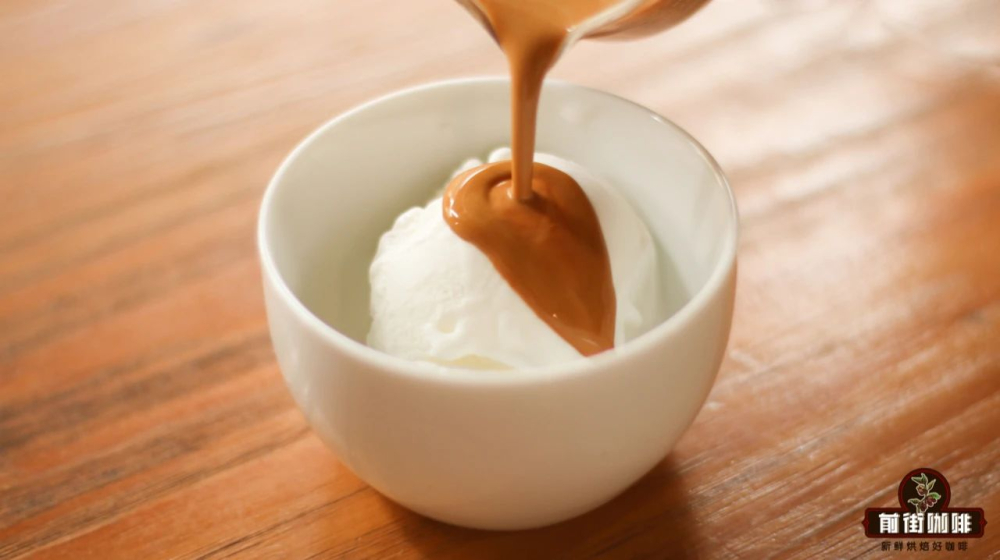
Caramel MacchiatoThough unrelated to the traditional macchiato, it is one of Starbucks’ most iconic sweet espresso drinks. Using a medium 355 ml cup as an example, it includes 30 ml of espresso, plenty of milk, vanilla syrup, and caramel sauce. With rich layers and moderate sweetness, its foam texture is close to a wet cappuccino, making it a top choice for those who love sweet coffee.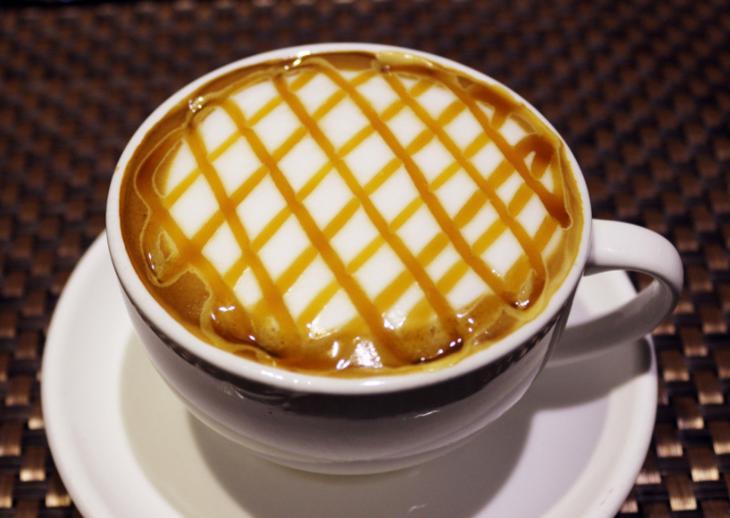
The above content is compiled by CoffeeHunters, a coffee news website.


