







Introduction:The brewing water temperature of espresso is one of the core parameters that influence flavor and extraction efficiency, yet it is often overlooked. This article delves into how water temperature alters the balance of acidity and sweetness, bitterness and astringency, and the performance of crema, and provides professionally recommended temperature ranges to help you adjust to ideal extraction conditions based on bean variety and recipe.
When discussing espresso extraction parameters, many beginners tend to focus on grind size, coffee-to-water ratio, or brew time, but often overlook one key element—water temperature. In the past, because the boiler water temperature of most traditional coffee machines was fixed and difficult to adjust, water temperature was often seen as an unchangeable factor. However, with the increasing prevalence of modern high-end machines, users can now set the water temperature themselves, and the importance of this parameter has accordingly come to the fore.
Generally speaking, the ideal water temperature range for an espresso machine falls between 85 and 95 degrees Celsius. Some models may have preset values that are slightly higher, around 92 to 96 degrees, a range similar to the high-temperature extraction logic used in pour over coffee—higher temperatures can increase the solubility of compounds, but may also bring out over-extracted burnt bitterness and woody off-flavors. " alt="Schematic illustration of the relationship between water temperature and extraction" />
In contrast, extraction results at lower temperatures often exhibit noticeable acidity and a thinner layer of crema (coffee oils). The combination of traditional dark roasted beans with high temperatures, while conducive to forming a rich crema, can lead to flavor imbalance due to excessive heating.It is recommended to keep the extraction time within 20 to 25 secondsto avoid flavor degradation caused by prolonged heating.
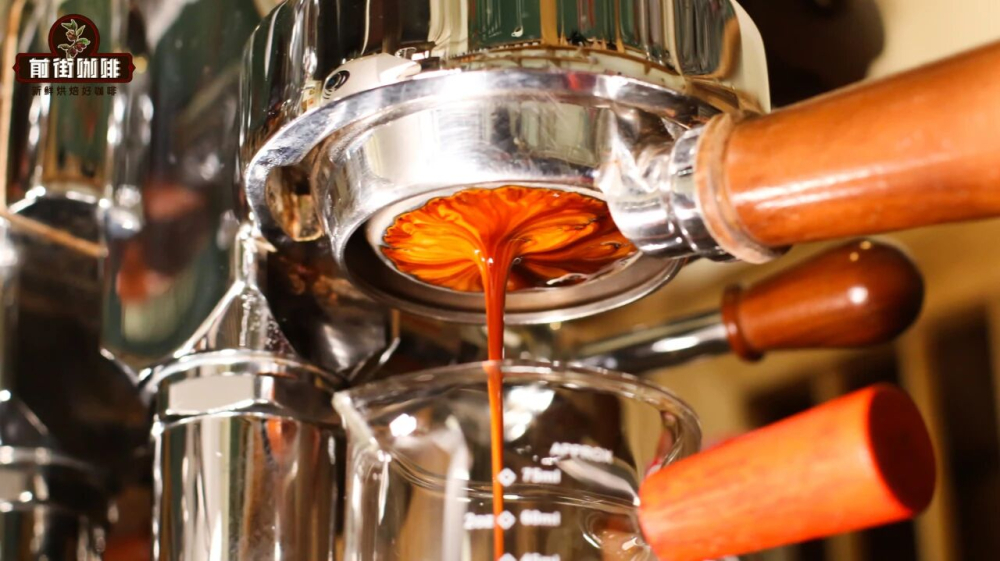
Subtle differences in water temperature are also reflected in changes in flow rate.In high-temperature environments, the coffee puck expands more quickly, gas release efficiency improves, and the initial flow rate may be relatively slow before gradually stabilizing; conversely, low temperatures accelerate liquid passage, which can easily lead to under-extraction. It’s worth noting that if the machine has not been used for a long time, the initial water temperature may be only around 60 degrees, and attempting extraction under such conditions will significantly shorten the effective brewing period. " alt="Illustration showing the correlation between flow rate and temperature" />
Many users mistakenly believe that the temperature set on the machine is the actual extraction temperature, but this is not the case.During the transfer from the boiler to the portafilter, the water undergoes heat loss through the shower screen and portafilter basket structure. If more than ten minutes have passed since the last extraction, residual heat on the shower screen may actually cause the initial water temperature to be slightly higher than the set value; it is advisable to release a small amount of hot water beforehand for temperature calibration.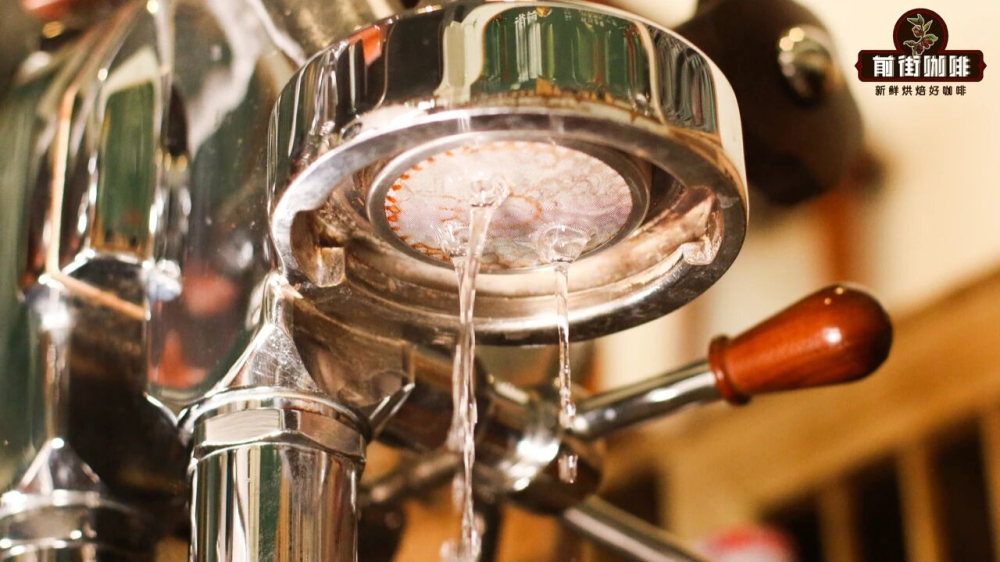 " alt="Diagram showing the heat transfer path in the extraction system" />
Preheating the portafilter is also a step that should not be neglected. A cold metal structure will quickly absorb heat from the hot water, causing the actual temperature of the water in contact with the coffee grounds to drop. The correct approach is to wet the inside of the portafilter with a small amount of hot water before loading the puck, a principle that is similar to preheating the filter in pour over brewing.Avoid leaving an unheated portafilter attached to the group head for extended periods to keep it warm, as this may cause localized overheating issues (for detailed mechanisms, refer to professional literature).
According to comparative experiments in The Science of Espresso Extraction, baristas in different regions adjust their water temperature strategies based on dose ratios:The Italian-style recipe of 7 grams of coffee for 1 ounce of espresso is suitable for an environment of 85 to 91 degrees; whereas the popular American-style recipe using 18-21 grams of coffee requires raising the temperature to 92 to 96 degrees to achieve optimal extraction balance. This explains why modern espresso recipes generally adopt higher temperature settings—when mixing 30 grams of water at 95.3°C with 21 grams of coffee at 26.7°C, the theoretical mixed temperature is about 82.8°C, and practical operation still requires compensating for the temperature difference due to heat absorption by the coffee grounds.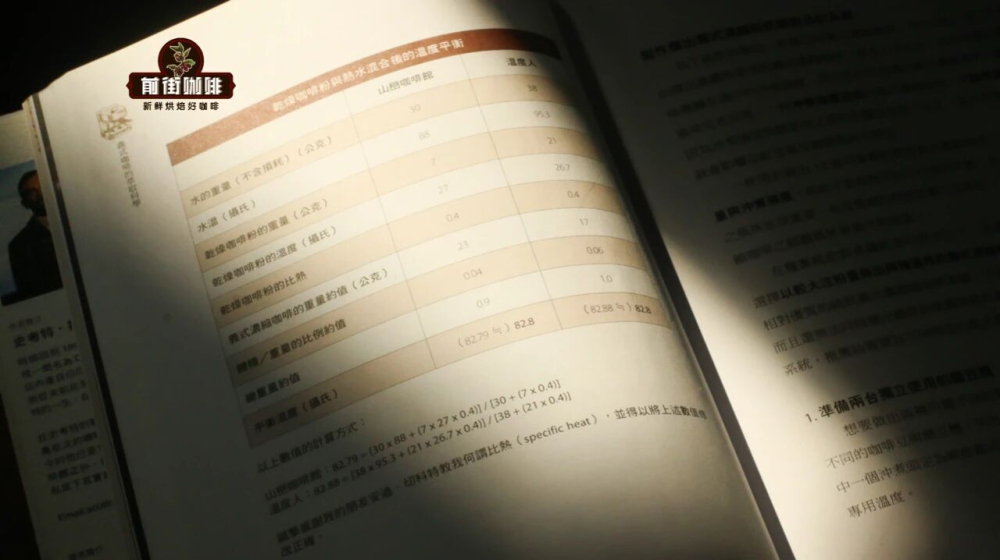 " alt="Reference chart showing experimental data" />
Taking all variables into account, therecommended baseline water temperature setting range for mainstream machines today is 92 to 96 degrees Celsius, with fine-tuning required based on bean roast level, coffee-to-water ratio, and machine warm-up status.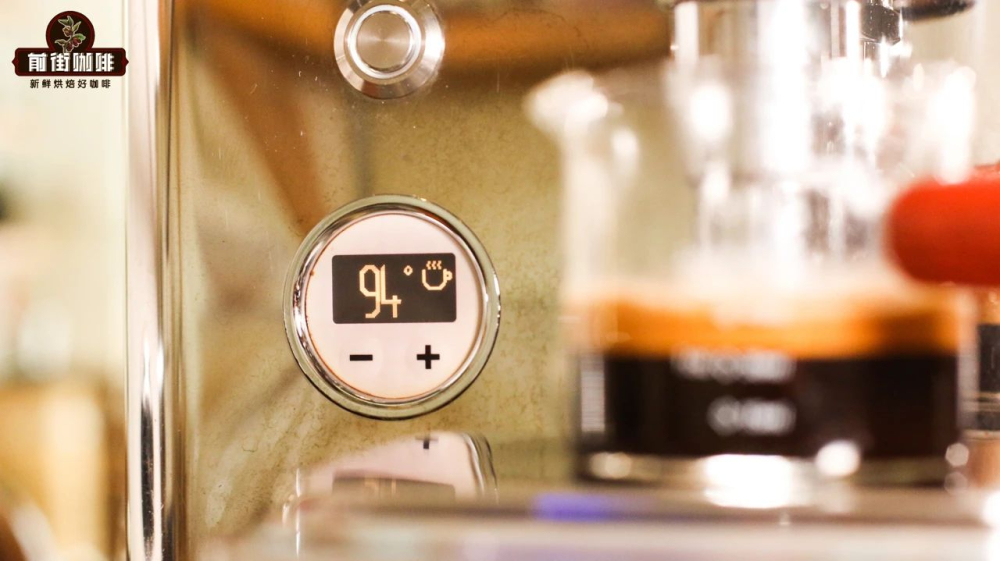 " alt="Comparison of flavor impact at different water temperatures" /> Regularly calibrating the machine’s temperature control system and maintaining a personalized brewing log will help you accurately master your own golden water temperature combination.
The above content is compiled by CoffeeHunters, a coffee news website.


