








Introduction:Espresso is the base of many coffee beverages, and its intense flavor and unique crema texture are truly captivating. However, to correctly extract and savor a high-quality espresso, it’s essential to master key techniques and parameters. This article will take you deep into the extraction principles of espresso, the reasons behind crema formation, tasting essentials, as well as common extraction parameters and recommendations—helping you quickly advance from a beginner to a more skilled level.
In Italy, the original meaning of Espresso is "made quickly for you." This type of coffee is not only prepared rapidly but is also meant to be consumed within three sips. Such a drinking culture creates a unique espresso experience, where people often choose to enjoy it quickly while standing. Although in some places you can sit down and sip it slowly, to fully appreciate its layers and crema, it’s recommended to drink it as soon as possible.
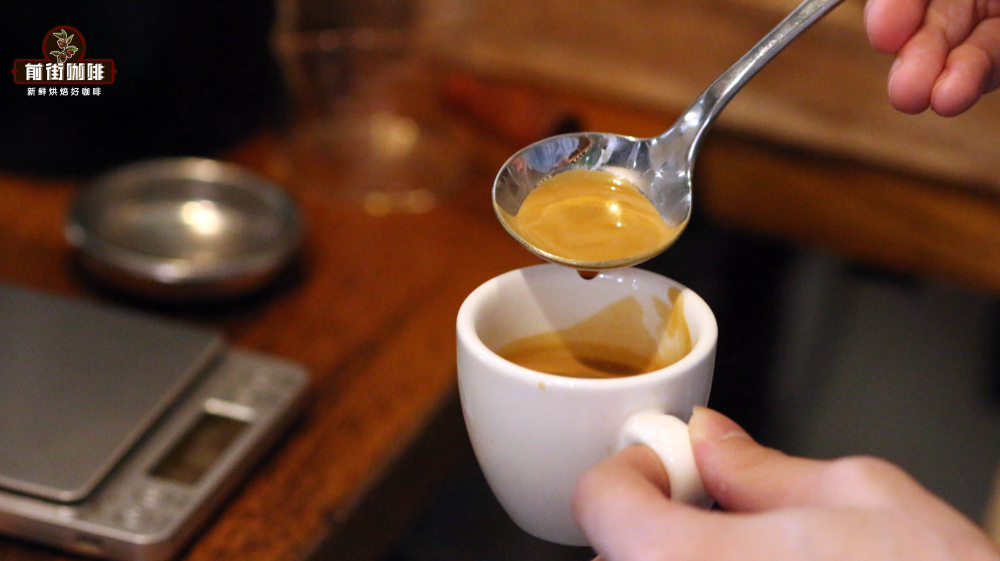
Why should espresso be consumed fresh? The key lies in that fine, golden layer of foam on its surface—crema. This crema not only enhances visual appeal but also contributes to the coffee’s rich aroma and smooth mouthfeel. However, in reality, crema is not pure fat; it’s a foam structure formed by carbon dioxide and tiny coffee particles. Once the coffee is poured out, the carbon dioxide gradually escapes, and the foam dissipates accordingly. Therefore, it’s best to enjoy it right after it’s made.
< >
To extract rich and stable crema, the key is to use freshly roasted, medium-to-dark roasted coffee beans that are finely ground. Under appropriate high pressure and high temperature conditions, the carbon dioxide and oils in the coffee are pressed out by water, forming a fine foam. It’s worth noting that using beans that are either over-roasted or too lightly roasted may result in overly prominent acidity or a thin mouthfeel. Light roast beans typically have pronounced acidity, and under high-pressure extraction, they can easily produce an unpleasant sharp sourness while lacking sufficient body to support the overall taste.
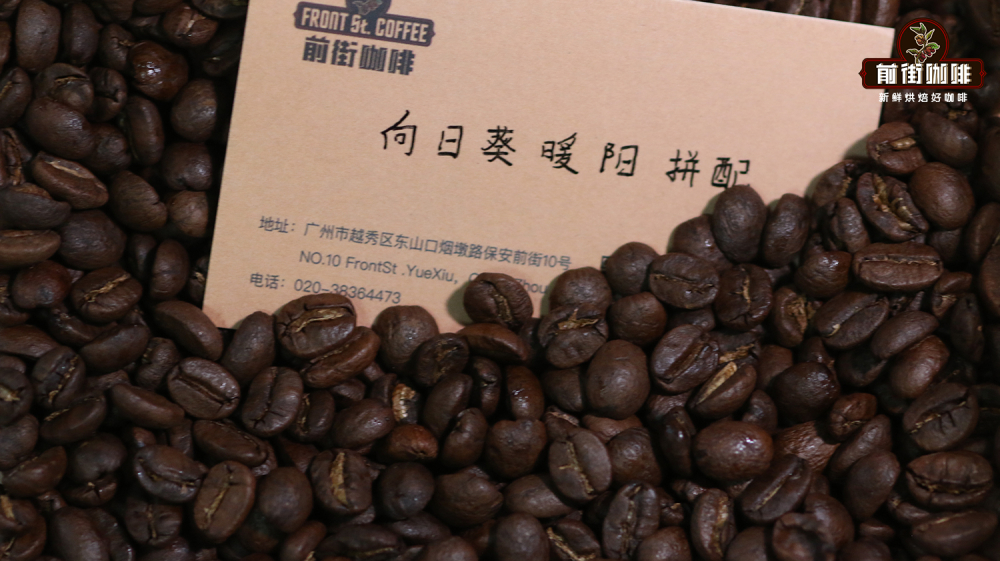
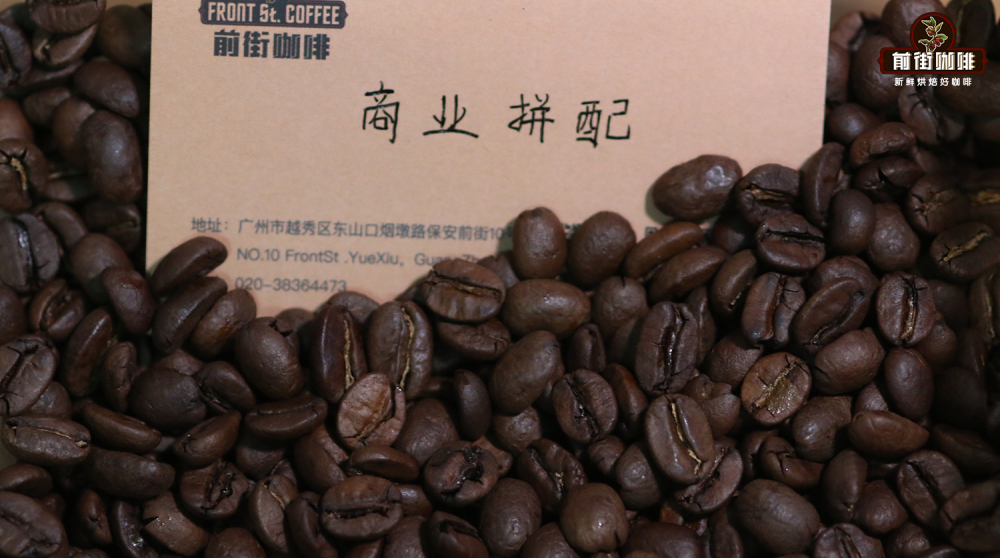
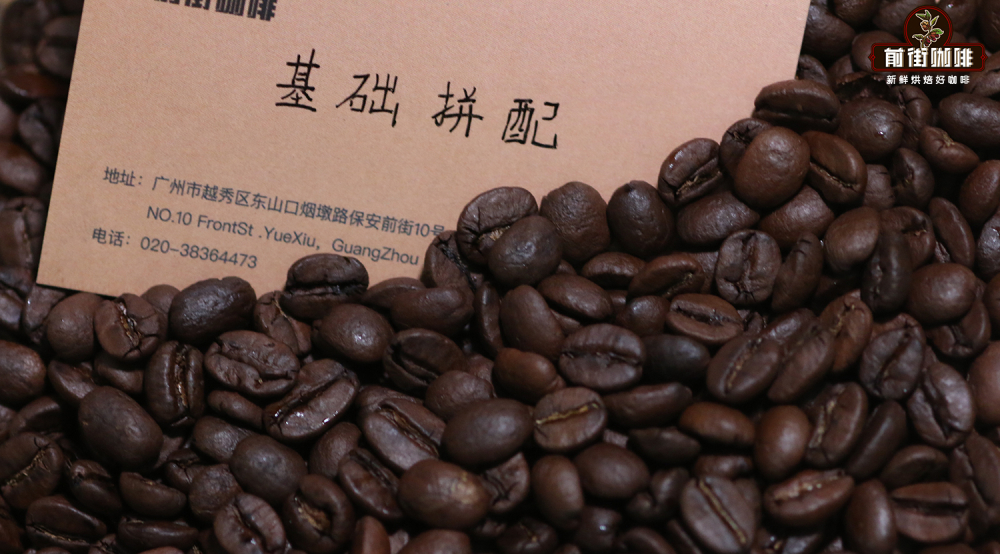
For a stable and balanced flavor profile, many baristas opt for espresso-specific blends rather than single-origin beans. While single-origin beans can showcase regional characteristics, their flavors are more susceptible to seasonal variations, regional climate, and the time elapsed since roasting—making it harder to maintain consistent extraction performance. In contrast, blend beans are professionally composed, with ratios adjusted according to the traits of beans from different regions, achieving a balanced harmony of acidity, sweetness, bitterness, and body.
< >
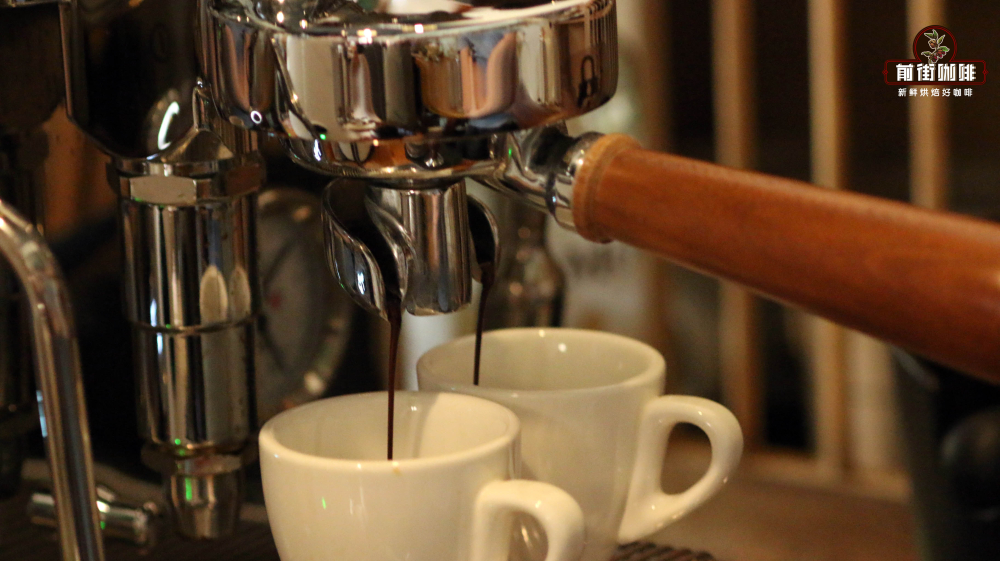
When extracting espresso, common units are “shots,” which are divided into one shot and double shot. A one shot typically uses 7–9 grams of coffee grounds, extracts for about 20–30 seconds, and yields 25–35 grams of concentrated liquid; a double shot uses 14–18 grams of grounds, with a similar extraction time, producing around 50–70 grams of coffee liquid. These figures are industry-standard benchmarks, though actual practice may involve slight adjustments based on the bean variety and equipment used.
The ideal extraction pressure is generally 9–10 bar, and water temperature is recommended to be controlled between 90–96°C, with 94°C being a common choice. This helps to bring out a rich array of flavors without over-extraction. Under such conditions, the essence of the coffee can be effectively extracted, and an ideal crema layer with balanced mouthfeel can be achieved.
<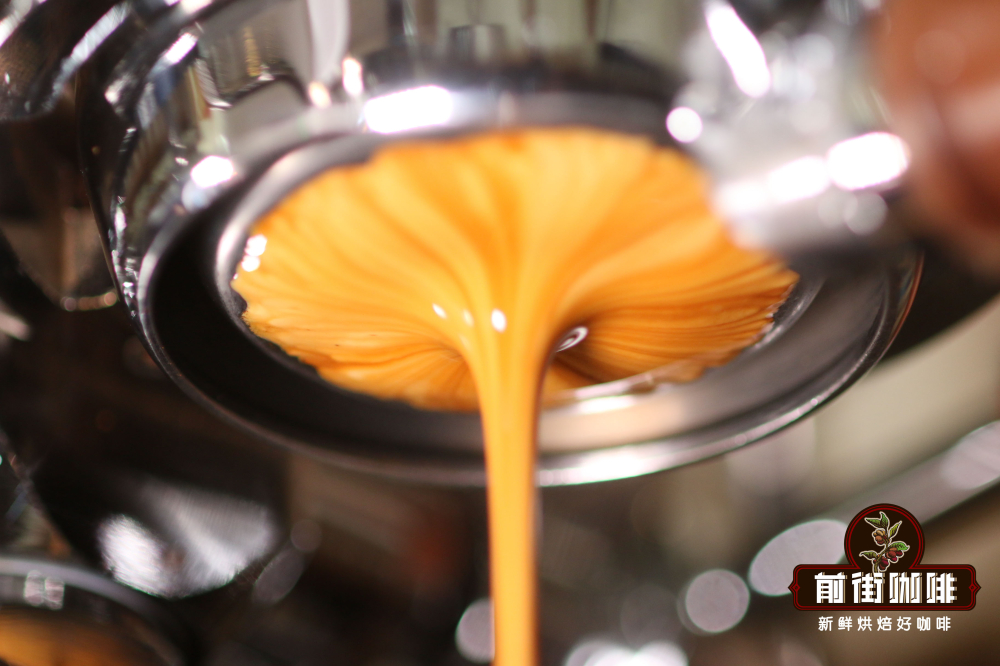 >
The formation of crema relies on coffee beans that are fresh and medium-to-dark roasted. Fresh beans contain abundant carbon dioxide, which, under high-pressure extraction, is released together with oils to form a fine and long-lasting foam. However, over time, the carbon dioxide inside the coffee beans gradually diminishes, which not only affects crema performance but may also lead to a decline in overall extraction flavor. Therefore, it’s recommended to use coffee beans roasted within 7–21 days for the best extraction results.
In addition, factors such as brew ratio, grind size, and tamping pressure also influence the final extraction outcome. The right grind size ensures that as water passes through the coffee puck, it extracts enough flavor compounds and oils without being too fast or too slow. During tamping, it’s important to ensure even and firm compression to maintain stable extraction pressure, thereby achieving balanced mouthfeel and a complete crema presentation.
< >
In summary, crafting a successful espresso requires mastering multiple key elements: freshly roasted medium-to-dark roast beans, appropriate grind size and tamping, precise extraction time and pressure, and immediate consumption. Through continuous adjustments and practice, you’ll gradually understand and extract the perfect espresso in your own style—enjoying the exquisite balance of its rich aroma and delicate texture.
The above content is compiled by CoffeeHunters, a coffee news website.


