







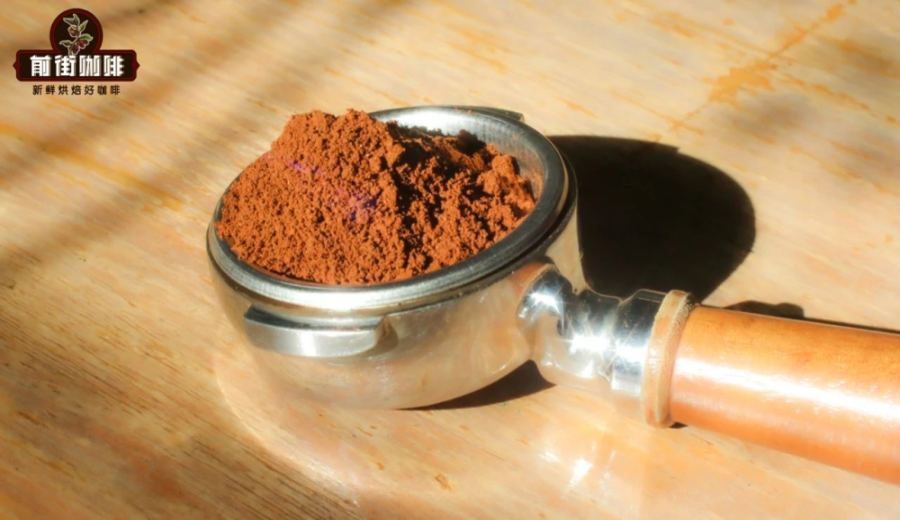
Introduction:Behind the flavors of an espresso lie a series of refined extraction parameters and ratio adjustments. This article will delve into how the coffee-to-water ratio affects the strength, body, and flavor of espresso, and explore how key variables such as extraction time, water temperature, and grind size work together to shape an ideal shot. Whether you're a beginner or an advanced enthusiast, you’ll gain insights into adjusting your technique and improving extraction quality.
In a café, the process of a barista pulling an espresso shot may appear concise and smooth—often completed in just two minutes. But within this short time lies precise control over various extraction parameters, including coffee-to-water ratio, grind fineness, extraction time, and water temperature. These factors collectively determine the final taste and flavor profile of the coffee.
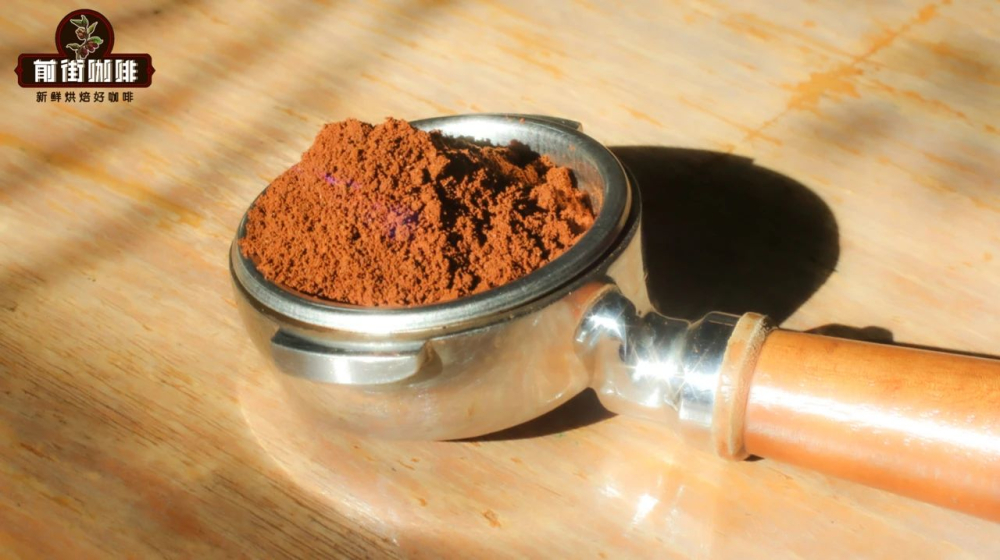
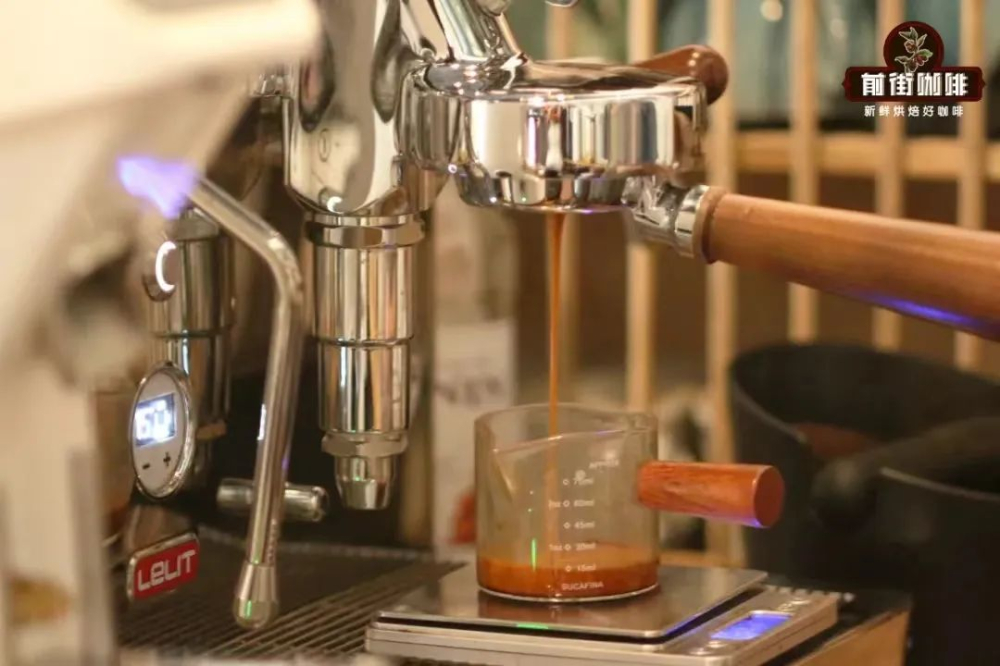
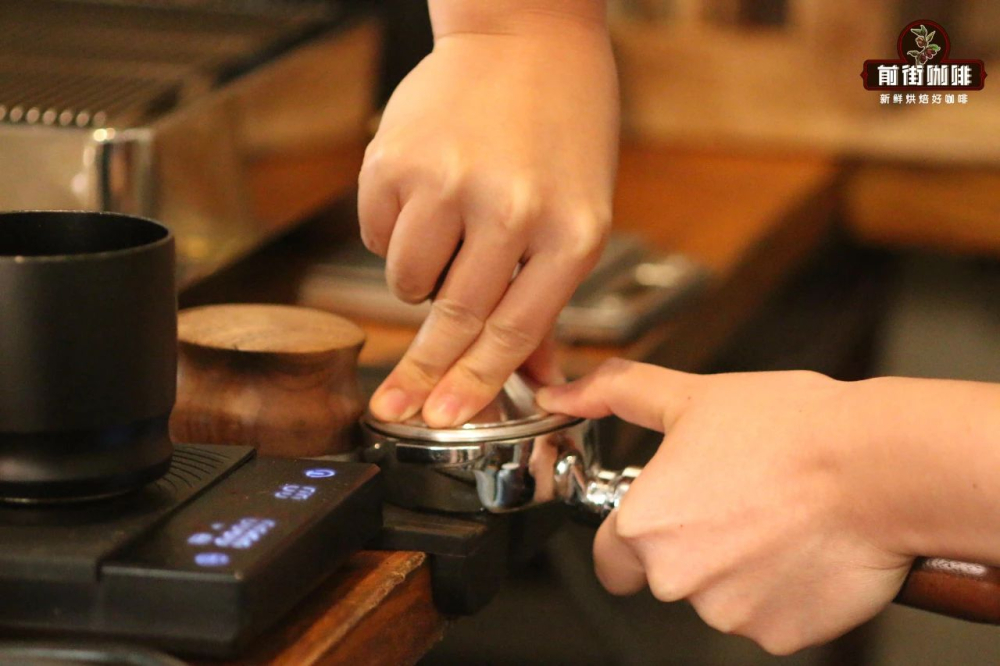
Among them,the ratio of coffee grounds to extracted liquid (i.e., the coffee-to-water ratio)is one of the core elements influencing espresso flavor. This ratio determines how much coffee material is extracted into the final liquid, thereby affecting the strength, body, and overall flavor expression of the espresso. To achieve optimal extraction, many professional baristas use timing and weighing tools to ensure each shot is brewed under controllable and repeatable conditions.
Looking back at early Italian café extraction methods, most used dark roasted beans, often blended with a certain proportion of Robusta, to deliver intense caramel and dark chocolate flavors. At that time, baristas did not strictly measure weight but instead relied on observing the color changes of the crema to judge the end of extraction—for example, when it shifted from dark brown to golden, and finally to white, it signaled that extraction could stop.
With the rise of specialty coffee culture, the use of high-quality light to medium roasted beans has become a trend, as these beans can better express unique flavor characteristics of their origin. Today, the industry has clearer standards for espresso extraction, including a recommended extraction time of 25 to 30 seconds, and common coffee-to-water ratios ranging from 1:1.5 to 1:2.5, with 1:2 being the most widely used and balanced ratio. Some shops may adjust to 20 grams of coffee yielding 36 grams of liquid to enhance the flavor profile of Americanos or lattes, achieving a fuller body.
Experimental data shows that when using the same amount of coffee grounds,increasing the yield (liquid volume) will lower the overall concentration of the espresso but also increase the extraction yield,meaning more late-stage flavor compounds are released. This may lead to reduced body or even over-extraction bitterness. Conversely, if the coffee-to-water ratio is too small, although a stronger taste may be achieved, it can result in under-extraction, bringing out sharp acidity and incomplete flavors. Therefore, beginners are advised to start with a 1:2 ratio as a baseline, then fine-tune based on actual flavor outcomes.
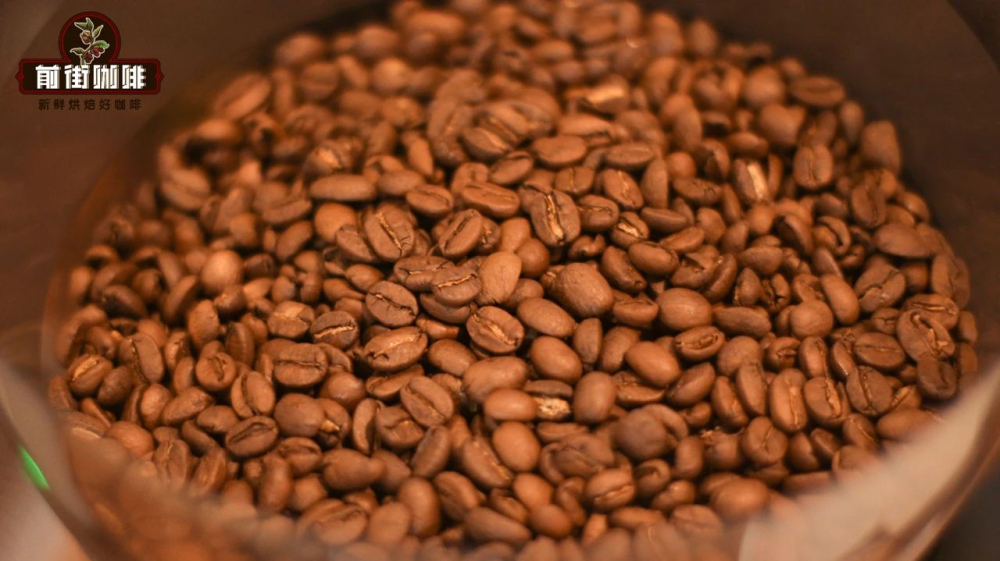
In addition to the coffee-to-water ratio,factors such as coffee bean selection, roast level, freshness, water quality, grind fineness, extraction temperature, and timealso significantly affect espresso performance. For instance, beans suitable for espresso are often medium to dark roasted, capable of showcasing rich flavors like caramel, nuts, and chocolate.
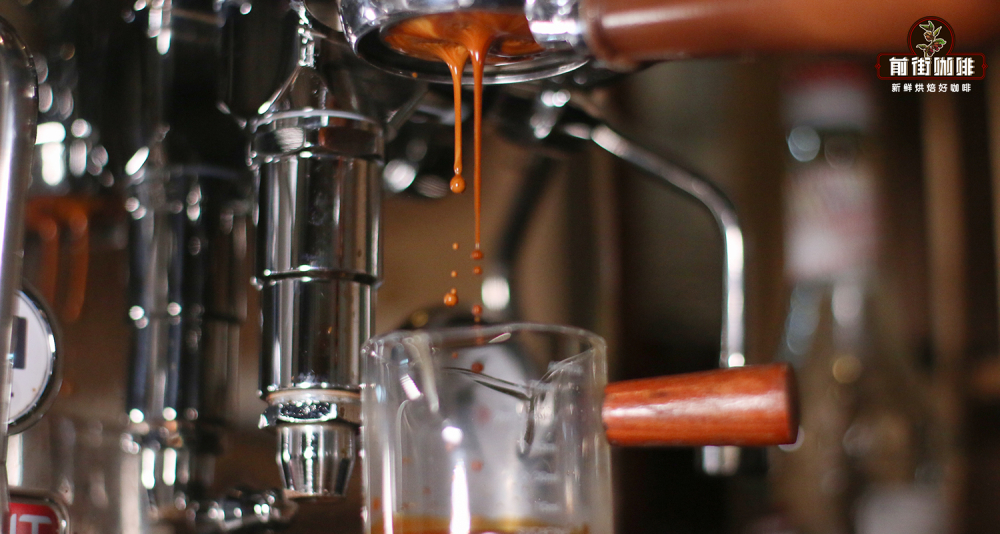
Taking a commonly used in-house roasted blend as an example, its target flavor profile includes whiskey notes, vanilla, cream, and berry acidity, with an overall smooth and layered expression. Baristas make micro-adjustments to dose, yield, time, and grind size, and judge extraction status by observing flow rate. Typically, extracting 40 grams of liquid within 25 to 30 seconds indicates an ideal flow rate; less than 25 seconds suggests increasing dose or grinding coarser, while over 30 seconds calls for reducing dose or grinding finer.
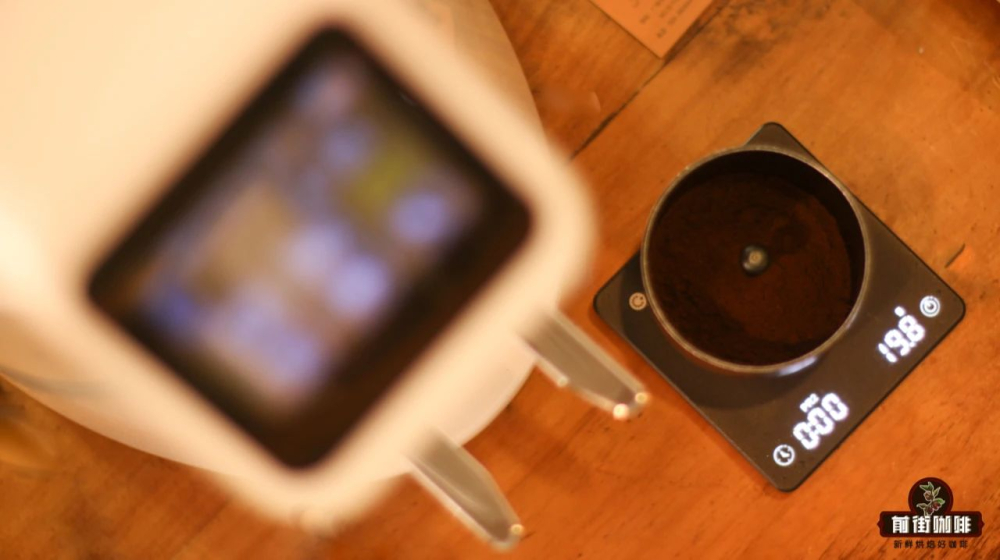
It’s worth noting,that grind size adjustment must be done with extreme care,because espresso requires a much finer grind than pour over, and even slight variations can greatly impact extraction results. Too coarse a grind leads to fast flow, under-extraction, and thin, sour flavors; too fine a grind can restrict water flow, causing over-extraction and bitterness. Therefore, adjustments should be made gradually in small increments, with actual cupping tests used to evaluate the final flavor.
For home espresso enthusiasts brewing smaller volumes, it’s recommended to meticulously record each set of extraction parameters along with corresponding flavor outcomes, gradually building your own reference database. This helps with quick adjustments in the future and reduces material waste. Additionally, choosing stable, freshly roasted coffee beans is crucial, as espresso is more sensitive to bean freshness and quality variations.
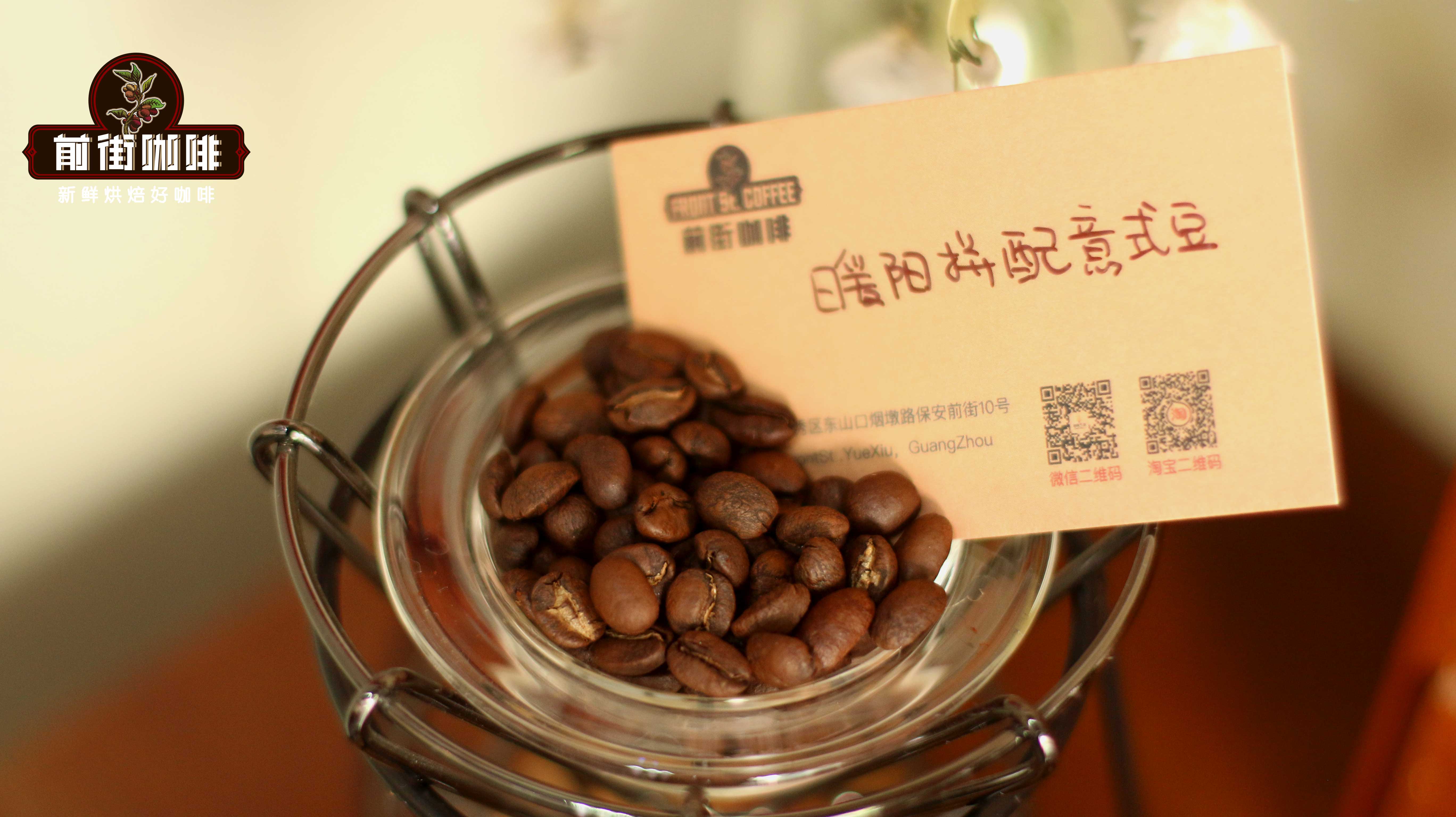
In terms of bean variety, if you hope to produce balanced and consistent espresso at home, it's recommended to choose professionally blended beans. For example, a blend composed of 30% Ethiopian natural red cherry and 70% Honduran sherry cask beans can deliver rich black chocolate aroma and caramel sweetness after extraction. Whether enjoyed as a straight shot or with milk as a latte, it offers a full and harmonious flavor profile.

Finally, the freshly extracted espresso is topped with a dense, golden layer of foam—crema, formed by carbon dioxide released under high pressure along with fine coffee particles. This crema is not only an indicator of espresso freshness, but also adds rich aromatic layers and texture to the overall drinking experience. To enjoy the fullest coffee flavors, it’s recommended to use coffee beans roasted within five days for extraction, ensuring the best tasting experience.
The above content is compiled by CoffeeHunters, a coffee news website.


