








Introduction:Have you ever stood in front of a coffee counter, hesitating over whether to order an espresso, Americano, or another type of Italian coffee? Although they’re all black liquids, their flavors, concentrations, and brewing methods vary greatly. This article delves into the origins, brewing principles, extraction parameters, and flavor characteristics of espresso and Americano, helping you make choices based on your taste preferences and understand the nuanced differences and practical knowledge of these classic coffees.

Walk into any coffee shop, and you’ll often hear customers ask, “I’d like an Italian coffee—should I get an espresso or an Americano?” Although they may both look like dark, pure coffee, there’s actually a lot to learn. Espresso is the base for many Italian-style coffee drinks, brewed under high pressure for a quick, intense extraction that results in a rich and layered cup; whereas an Americano is made by diluting espresso with hot water, resulting in a lighter, more refreshing flavor. Want to know the differences between them, how to choose, or even how to adjust the ratio for your ideal taste? This article will get you up to speed in one go.
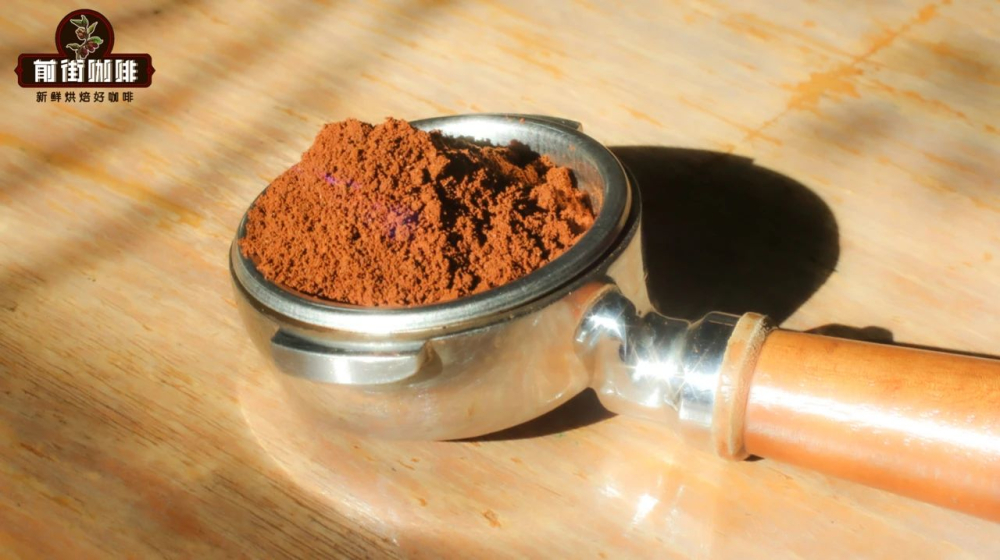
What Is Espresso?
Espresso originated during Italy’s industrialization period, when the pace of life accelerated and people needed a quick caffeine boost. To obtain a highly concentrated, high-caffeine drink in a short amount of time, baristas began using high-pressure brewing to extract a small but intensely concentrated shot of coffee. Typically using around 9 bar of pressure, hot water at about 92°C is forced quickly through finely ground coffee, usually extracting 40 grams of coffee liquid from 20 grams of coffee grounds, within a time frame of 25 to 30 seconds, producing a shot of about 30 milliliters.
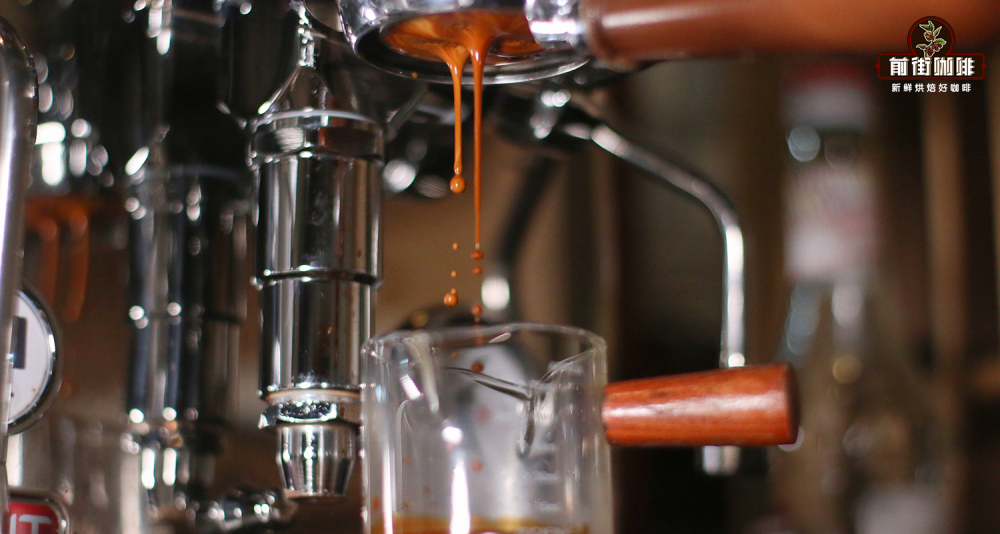
Early espressos, designed to deliver a quick energy boost, didn’t place much emphasis on the flavor profile of the beans. But today, with the rise of specialty coffee culture, espresso has also come to value layered flavors. A good espresso should be intense yet not bitter, offering rich aromas and a lingering aftertaste rather than just harsh bitterness. For instance, blends using Ethiopian natural beans and Honduran wine-barrel-aged beans can often showcase complex flavors such as wine notes, berries, vanilla, and chocolate.
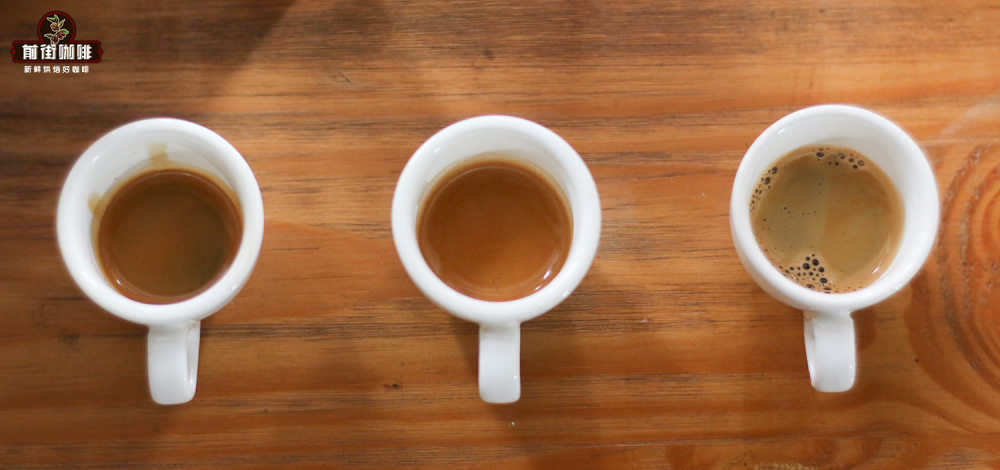
In actual brewing, these beans are typically extracted at 92°C water temperature and 9 bar pressure, using 20 grams of coffee grounds to produce 40 grams of espresso, over about 25 to 30 seconds. The resulting espresso usually has distinct whiskey-like aromas, a slight acidity from strawberries, a smoothness akin to vanilla cream, and an aftertaste with hints of hazelnut and chocolate. However, this intense flavor isn’t for everyone, so many opt to add hot water to adjust the strength, which gave rise to the Americano.

What Is an Americano?
The birth of the Americano actually comes with a historical anecdote. It’s said that when American soldiers tried espresso in Italy, they found its strong flavor hard to drink, so they asked for it to be diluted with hot water. Unexpectedly, this adjustment not only made the coffee more palatable but also preserved the rich essence of the espresso while reducing wait times. When the soldiers returned home, they brought this brewing method and machines back to the U.S., which gradually evolved into today’s Americano.
Traditionally, an Americano is made by diluting one shot of espresso with hot water at a ratio of 1:8. For example, using 30 milliliters of espresso and adding about 240 milliliters of hot water yields a well-balanced Americano. However, if the espresso has prominent fruity or bright flavors, it’s recommended to adjust the ratio based on the actual flavor profile—sometimes a 1:4 to 1:5 espresso-to-water ratio better highlights delicate berry or wine notes.

Take a blend with flavors leaning toward wine-like aromas and soft acidity, for example. If you directly use 20 grams of coffee grounds to extract 40 grams of espresso, then add water at a 1:8 ratio, some unpleasant flavors might emerge. Therefore, experienced baristas may adjust the brewing strategy—for instance, reducing the extraction yield to 35 grams and adding water at a 1:4.5 ratio. This way, the rich foundation of the espresso is maintained, while the acidity of the berries, the vanilla, and the hazelnut-chocolate finish become softer and more harmonious, resulting in a more enjoyable everyday drinking flavor.
In summary, although espresso and Americano share the same origin, they differ in concentration, brewing methods, flavor profiles, and suitable scenarios. Understanding their differences and the brewing logic behind them can help you choose the coffee that best suits your taste or even try replicating similar flavor experiences at home.
The above content is compiled by CoffeeHunters, a coffee news website.


