







Introduction:Cold brew coffee, known for its simple preparation and refreshing flavor, has become the go-to choice for many coffee enthusiasts during the summer. But did you know that regular espresso beans can also be used to make cold brew? This article takes an in-depth look at the characteristics of cold brew coffee, the types of coffee beans that work best, and details key parameters such as coffee-to-water ratio, grind size, and steeping time. It also offers adjustments for fine espresso grinds, allowing you to brew a smooth iced coffee with ingredients you already have at home.
Cold brew is considered one of the simplest coffee brewing methods that doesn’t require special skills, making it perfect for beginners. Compared to hot water brewing, cold brew extracts flavors through low-temperature, long-duration steeping, which helps reduce the release of undesirable bitter and astringent notes while preserving fruity acidity and sweetness. This results in a smoother, more rounded, and complex overall taste.
However, cold brew also comes with challenges. The foremost is time: it’s generally recommended to let the coffee grounds steep in cold water in the refrigerator for 8 to 12 hours—ideally prepared before bed for enjoyment the next day. Additionally, using the wrong type of coffee beans can easily lead to off-flavors reminiscent of herbal tea, so selecting the right beans is equally crucial.
When choosing coffee beans, it’s advisable to prioritize medium-light to medium roasts. These beans usually exhibit pronounced aromatic qualities and sweet, tangy flavors that shine through during cold brew, resulting in a refreshing fruit-like taste—perfect for hot summer days. Dark roasted beans, on the other hand, may lack the support of high-temperature extraction and can taste overly bitter, negatively impacting the overall flavor profile.
Commonly recommended beans include Ethiopian sundried varieties with berry acidity and floral notes, Panamanian Geisha (often known as “Flower Butterfly”) with citrus tones and honey sweetness, and Honduran Sherry coffee beans exuding whisky-like aromas and nutty aftertastes. These beans often present a cleaner and more layered flavor spectrum after cold brewing.
For making cold brew, it’s recommended to use a coffee-to-water ratio of 1:10 to 1:12. For example, 30 grams of coffee grounds can be paired with 300 grams of cold water. In terms of grind size, something similar to coarse sugar (approximately 75% passing through a Chinese No. 20 sieve) works well. If you don’t have a grinder at home, you can ask your coffee supplier to grind the beans to a suitable cold brew coarseness in advance. Note that ground coffee loses its aroma quickly, so if possible, opt for freshly ground beans for immediate brewing.
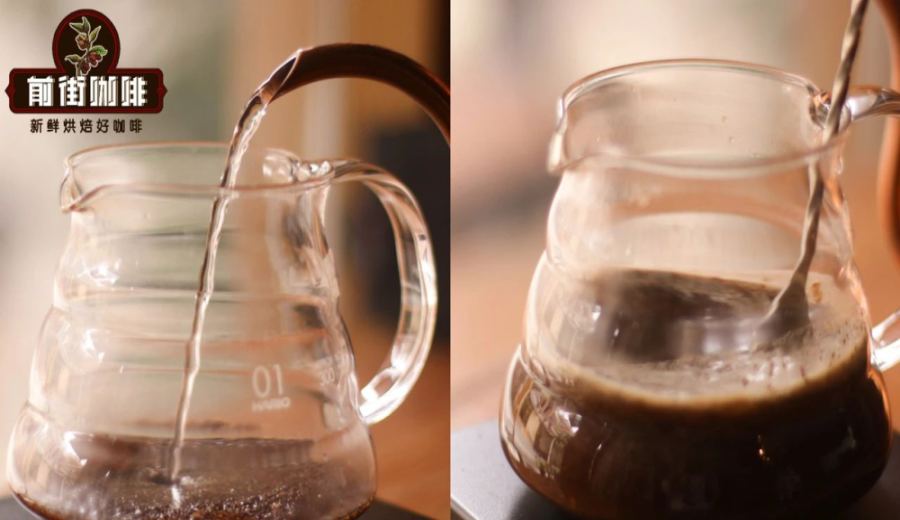
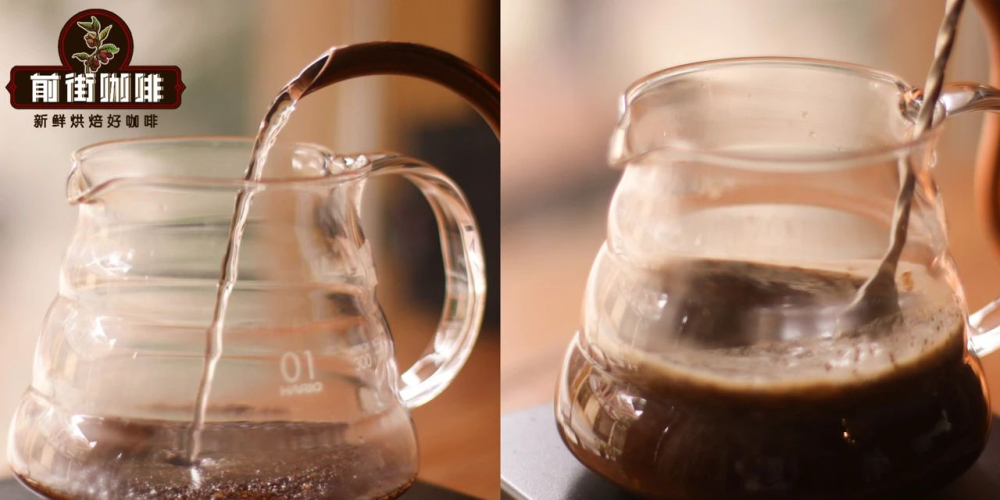
The brewing process is straightforward: simply pour the coffee grounds and cold water into a clean, airtight container, stir gently to mix evenly, then seal and refrigerate for 8 to 12 hours. Once the steeping time is complete, use a filter or cloth to separate the grounds from the coffee liquid. Pour the filtered coffee into another clean container and store it in the refrigerator. It’s best consumed within 5 days to maintain optimal flavor.
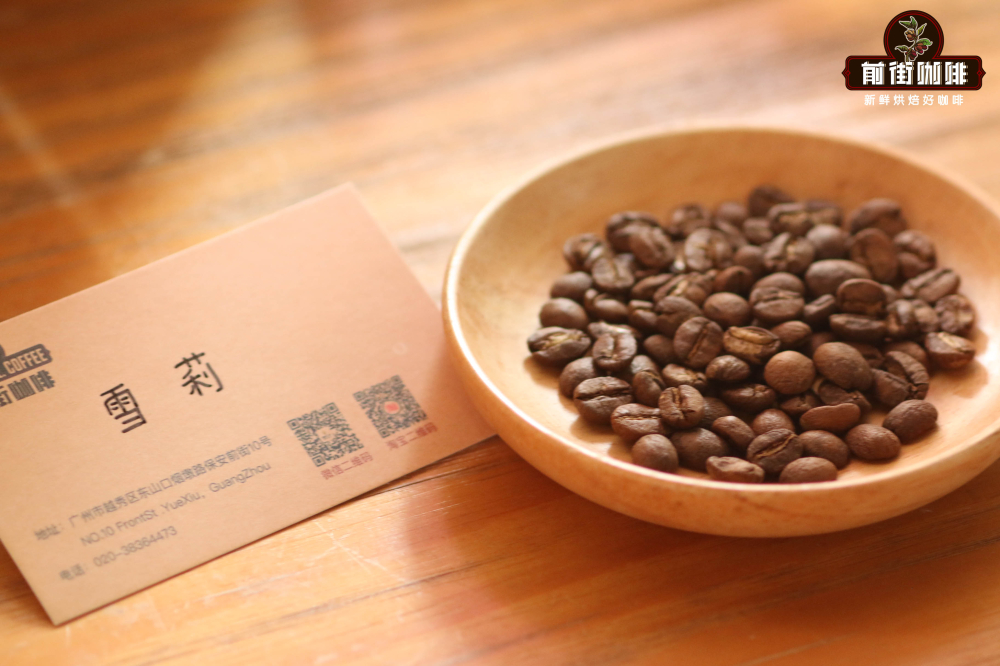
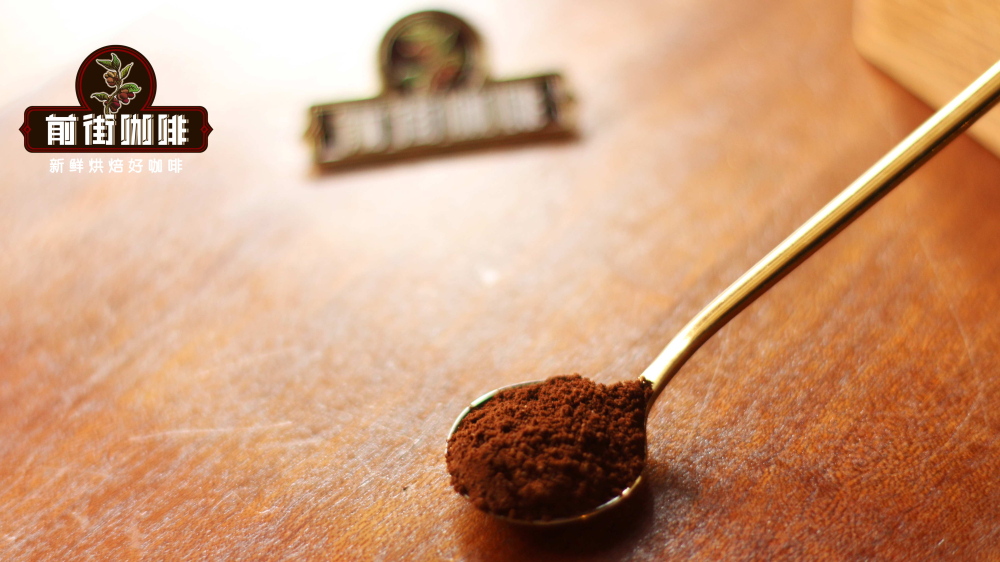
Regarding whether espresso beans can be used for cold brew, the answer is yes—but special attention must be paid to grind size and parameter adjustments. Since espresso grinds are typically as fine as flour, directly applying standard cold brew ratios and times can easily lead to over-extraction, resulting in an overly intense, bitter, or even astringent cup.
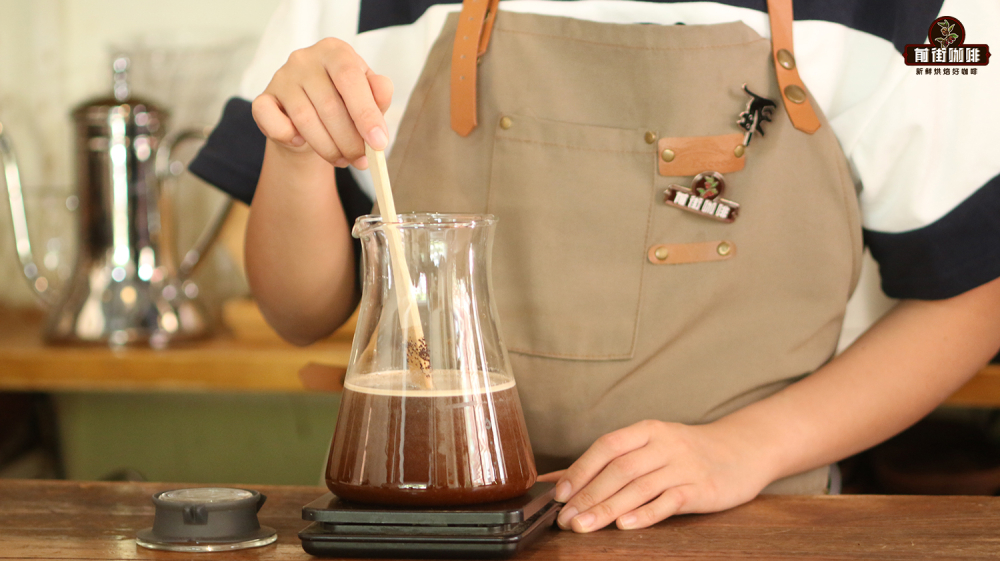
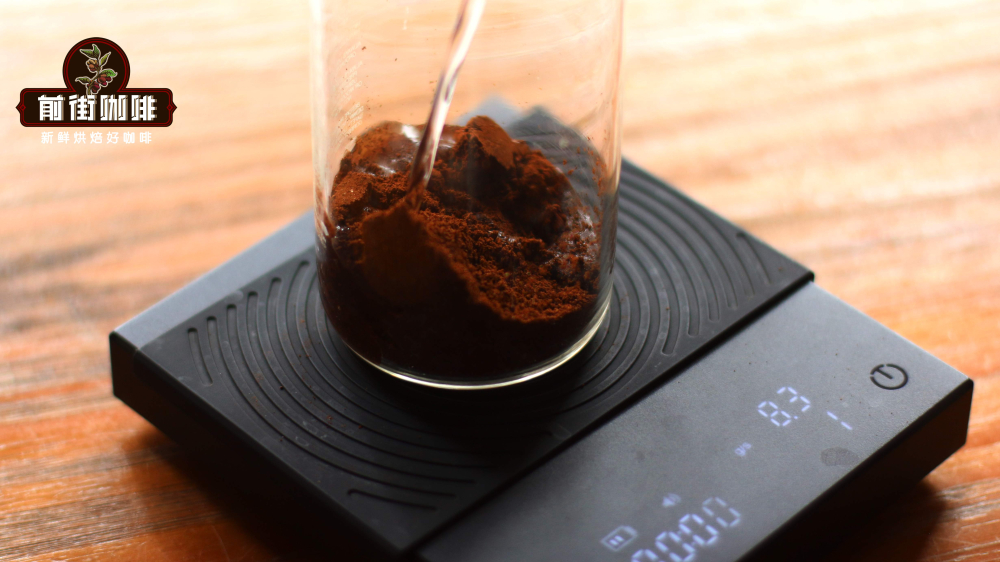
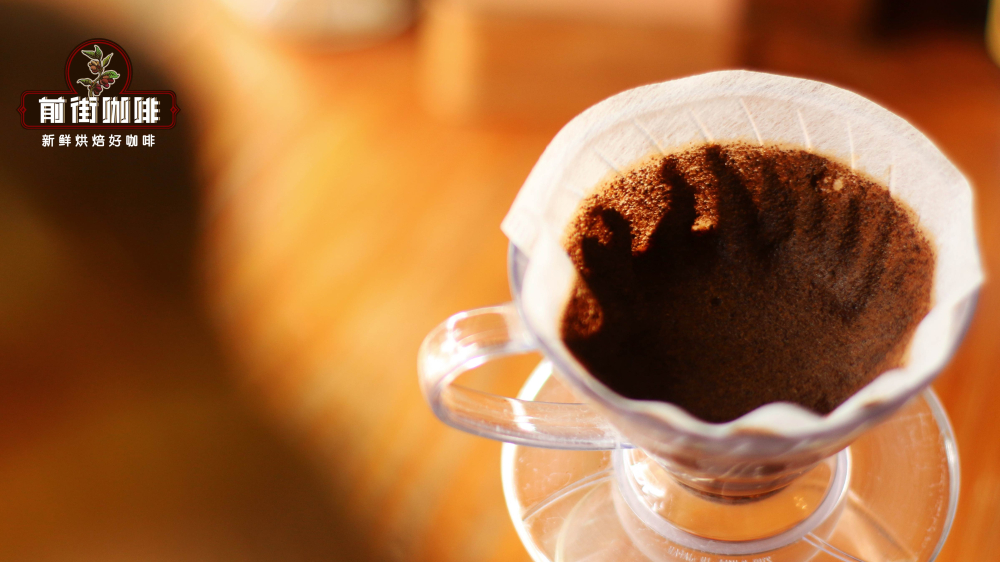
To address this issue, you can adjust the coffee-to-water ratio and steeping time. Take Indonesian Lintong Mandheling as an example—an medium-dark roast bean commonly used across various brewing methods, known for its caramel, nutty, and dark chocolate notes, which resemble the characteristics of commercial espresso beans. In practical testing, the grind setting was adjusted to an espresso-like extremely fine level (as fine as powdered sugar), and the ratio was changed to 1:14—that is, 50 grams of coffee grounds with 700 grams of cold water. The steeping time was shortened to 3 hours, followed by 2 hours of refrigeration to stabilize the flavors.
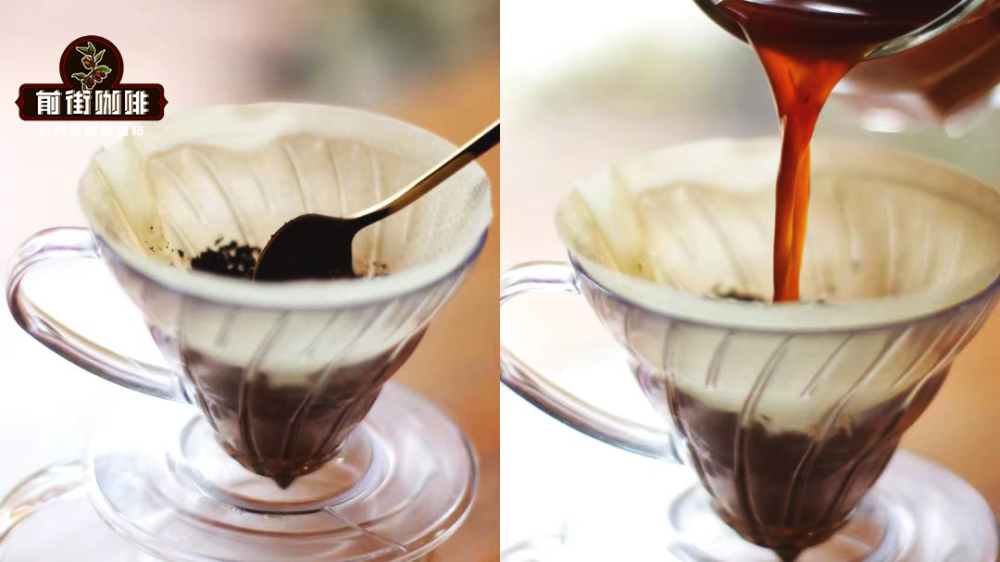
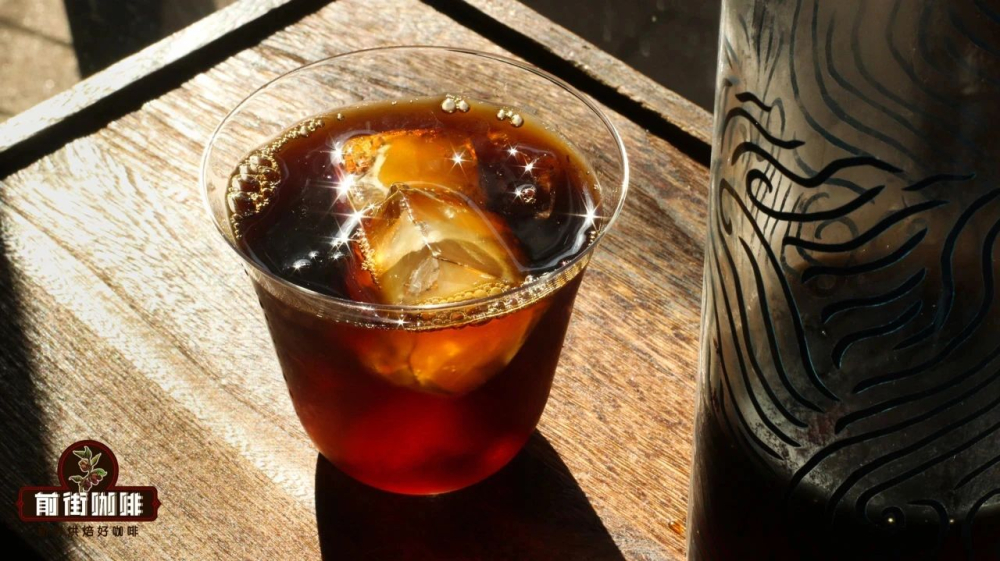
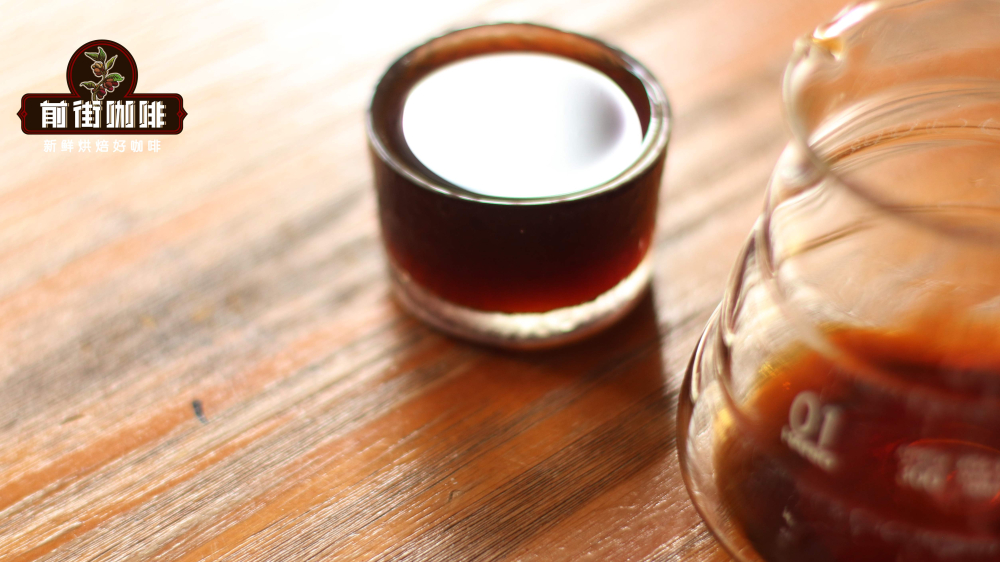
Due to the extremely fine grind, filtration takes longer, and the initial filtrate may carry a slightly powdery sensation. It’s recommended to let the first filtrate sit sealed in the refrigerator for a while, allowing suspended particles to naturally settle, which helps improve the purity of the taste. Moreover, considering the bold bitterness and richness inherent in dark roasts, adding an appropriate amount of ice when serving can help adjust both concentration and temperature, while highlighting delicate notes of spice, dark chocolate, and caramel. The aftertaste, meanwhile, is reminiscent of Pu-erh tea—rich, mellow, and sweetly lingering.

The above content is compiled by CoffeeHunters, a coffee news website.


