







Introduction:Want to know if espresso blends can be used for pour over? This article delves into the extraction differences between espresso and pour over, exploring the characteristics of blends, the golden ratio, extraction time and coffee concentration, as well as practical pour over parameter settings. Learn professional-level techniques and analyze the unique flavor profile of the Sunshine Blend.
With the growing popularity of specialty coffee culture, more and more consumers are beginning to explore the intricacies of different brewing methods. Common questions include: why do lattes and americanos often exude a rich wine-like aroma? Does this come from SOE beans from specific regions? In fact, many professional shops prefer using blends for espresso rather than single-origin SOE beans.
 " alt="" />
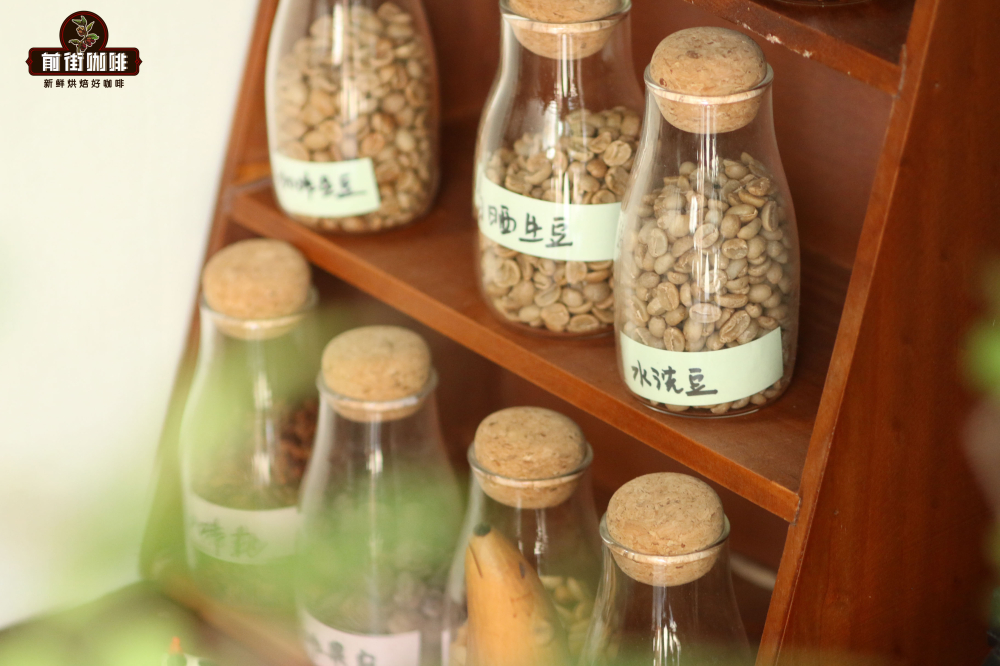
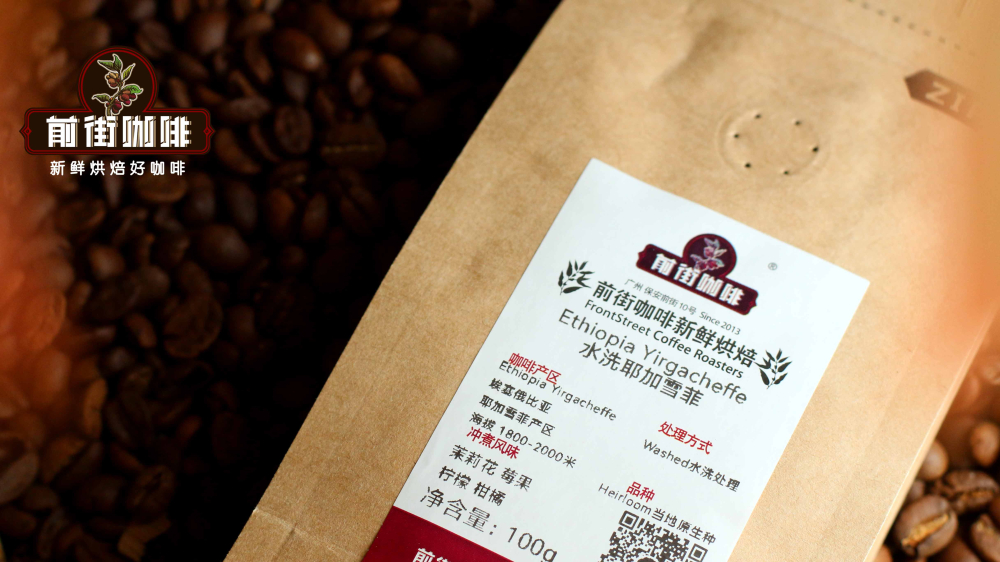
Single-origin coffee beans generally refer to coffee from a specific region, and using such beans for espresso extraction is called SOE (Single Origin Espresso). The distinct climate and soil conditions of different regions create unique flavor profiles — for example, Ethiopian beans often have bright fruity acidity, while Indonesian Mandheling exhibits herbal and earthy tones.
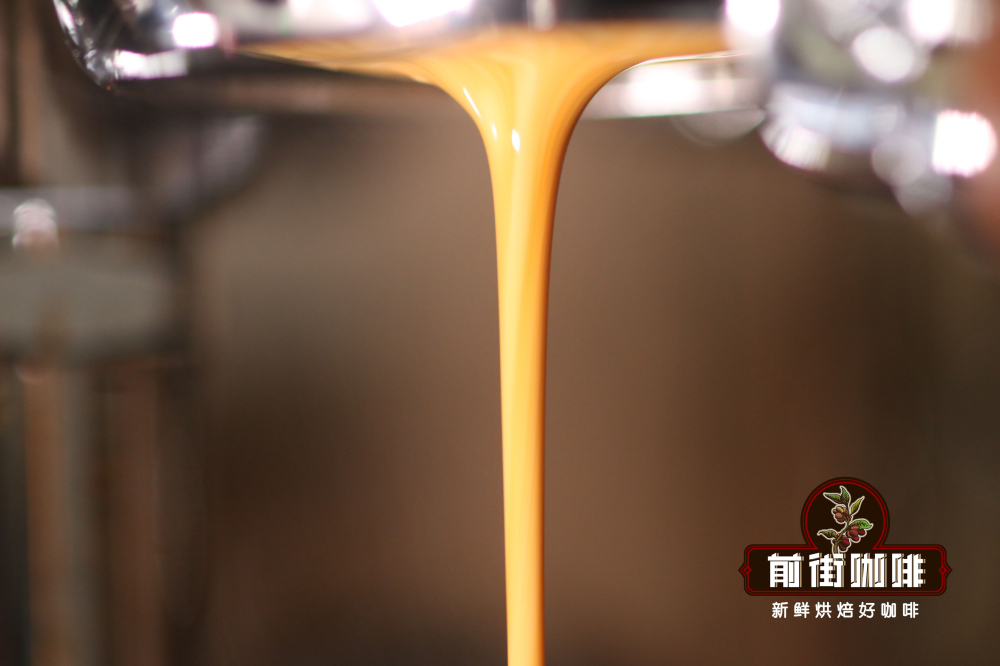
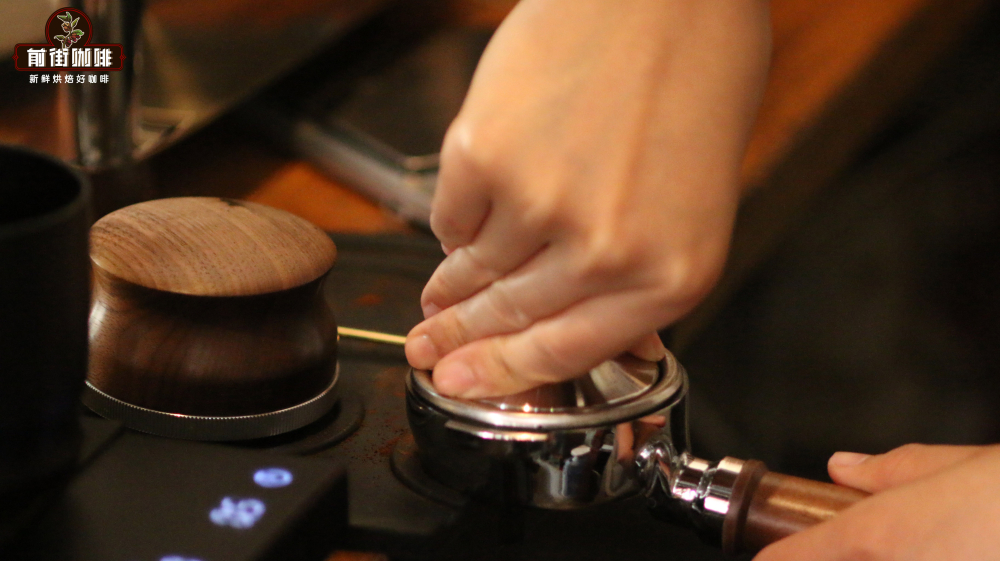
The extraction principle of espresso involves forcing nearly boiling hot water through a compact puck of coffee grounds at 9 bar high pressure in a short period of time. This process intensifies the bean’s inherent characteristics. When using Ethiopian Yirgacheffe as an SOE, its citrus notes may turn into overly sharp acidity; conversely, Mandheling’s herbal aromas can become bitter and intense under high-pressure extraction.
 " alt="" />
Blends combine the strengths of multiple regions, varieties, and processing methods to achieve a balance of acidity and bitterness with a rich mouthfeel. Professional roasters adjust the ratios based on dimensions such as sweet, sour, bitter, umami, aroma, and body. For example, a best-selling blend composed of Brazilian, Indonesian, and Vietnamese beans, when dark roasted, delivers a thick crema, making it ideal for americano or latte.
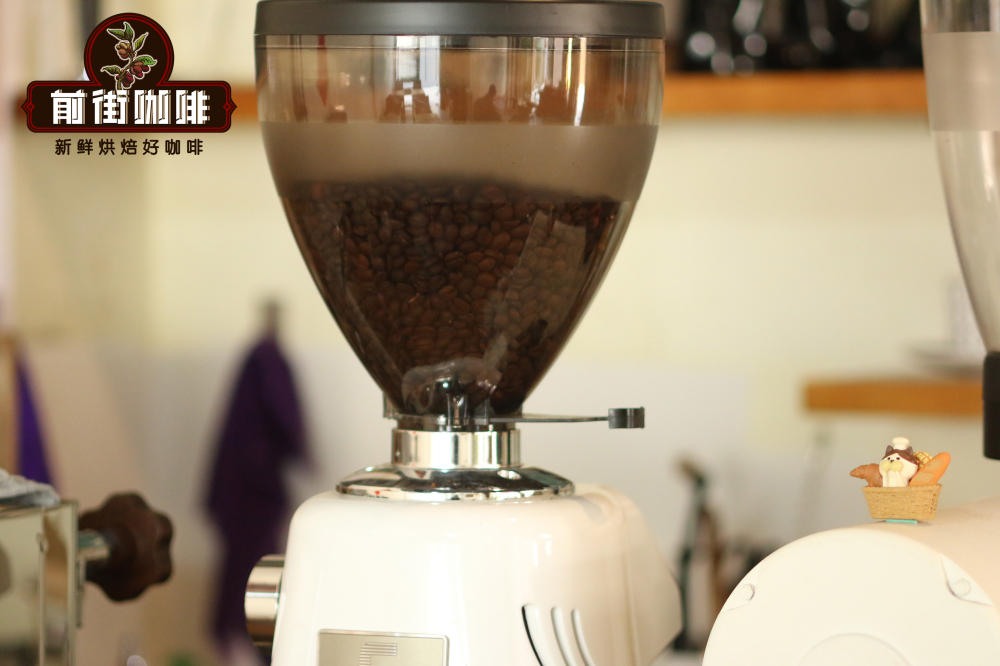
Take the Sunflower Sunshine Blend as an example — its recipe includes 70% Honduran Sherry and 30% Ethiopian natural Yirgacheffe, blended from varieties such as Caturra and Pacas, using both washed and natural processing. Recommended grind size is 1.5 (Galileo Q18), using a Lelit Bianca V3 machine to extract 38–40 grams of espresso in 30–32 seconds. Adding ice water and stirring with a small spoon can enhance the drinking experience.
 " alt="" />
The flavor profile of this blend includes berry acidity, vanilla cream, whiskey notes, and a black chocolate finish. For those not accustomed to the intensity of espresso, adding water or milk can help — making it into an americano expands the flavor layers, while milk softens tannins and adds a smooth texture.
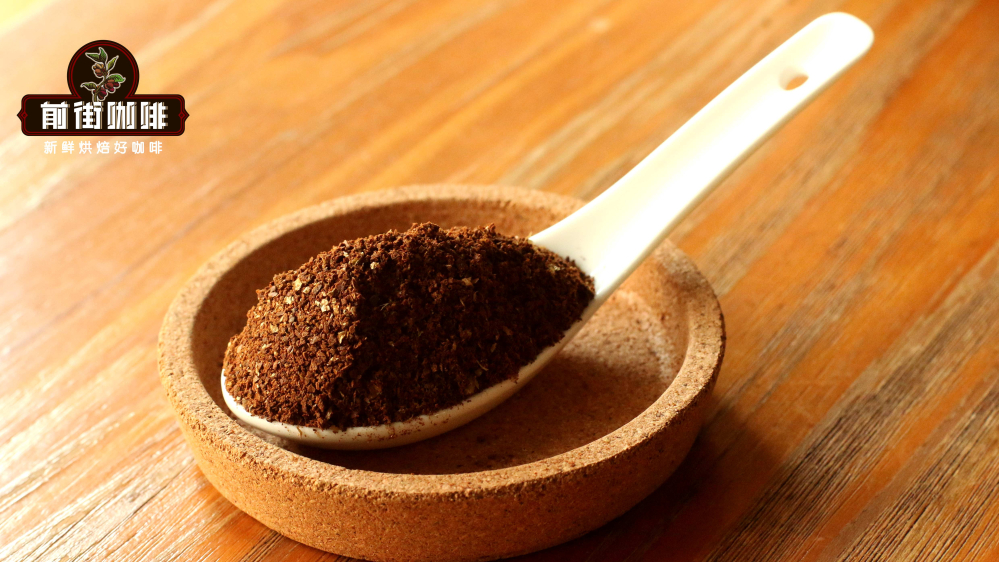
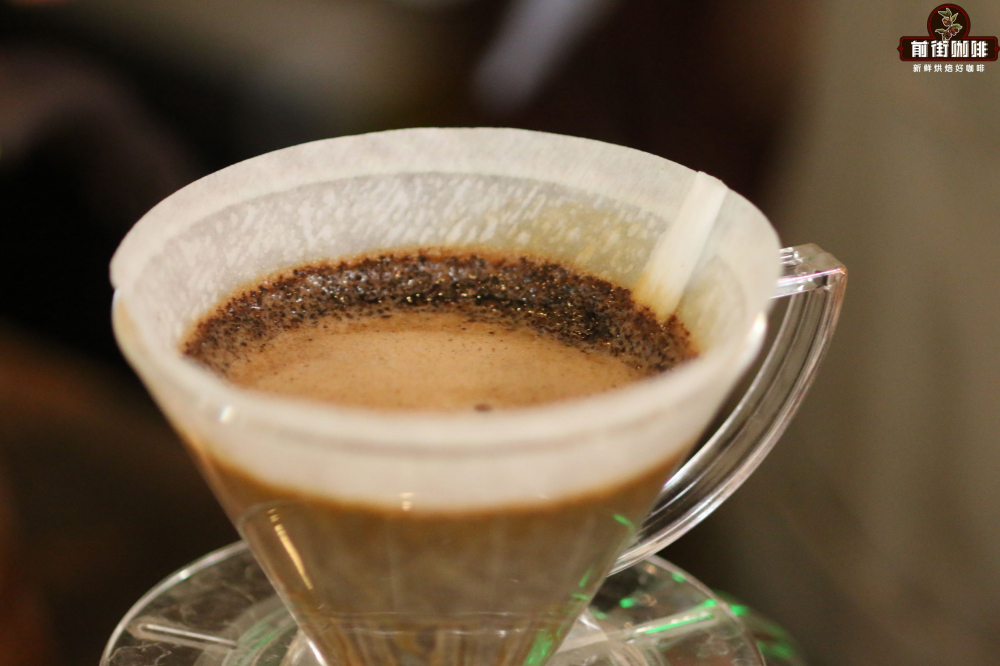
It’s worth noting that blends are also suitable for pour over. Take the Sunflower Sunshine Blend as an example — its medium-to-dark roast level suggests using a KONO filter. Brew with water at 88°C, a 1:15 coffee-to-water ratio, and a grind size where 80% passes through a #20 sieve. Specific steps: start by pouring 30 grams of hot water for a 30-second bloom, then pour in a thin stream in circles up to 125 grams (first pour), and finish with a total of 225 grams of water over approximately 2 minutes.
 " alt="" />
Dark roasted beans, due to their loose internal structure and higher gas content, require a 4–7 day resting period to stabilize their flavors. The blooming stage helps release carbon dioxide, aiding in the release of flavor compounds. The resulting pour over has aromas of vanilla, cream, and oak, with berry acidity emerging as the temperature drops, and a long-lasting black chocolate finish. Overall, it achieves a balanced acidity and bitterness with a full body.
 " alt="" />
Whether you choose espresso or pour over, the key lies in understanding the design logic of the blend and how extraction parameters influence each other. From coffee machine pressure settings to pour over water temperature control, every variable affects the final flavor expression.
 " alt="" />


The above content is compiled by CoffeeHunters, a coffee news website.

