







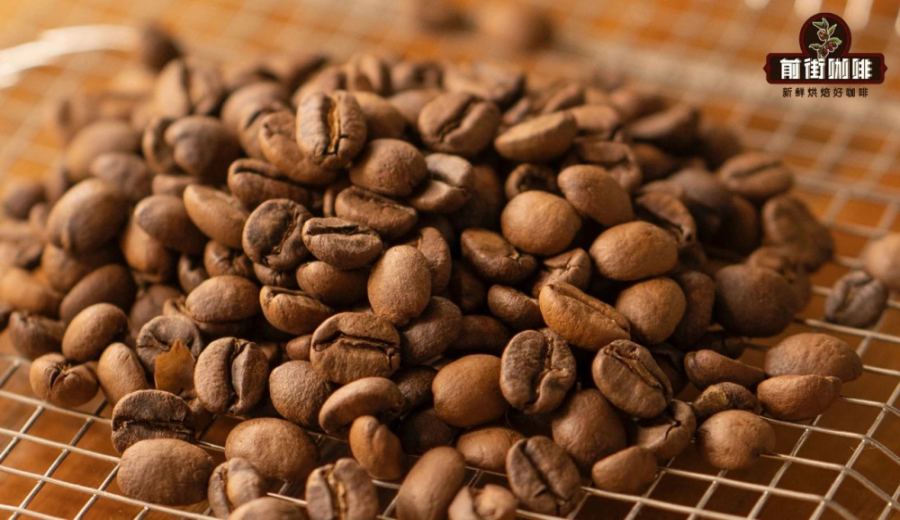
Introduction:An in-depth analysis of the principles, core objectives, and practical techniques behind Italian-style blended coffee beans. From the concept of blending, flavor design to extraction ratios, this guide helps you master the professional logic of coffee bean combinations. It not only introduces methods for stabilizing flavors and creating layers but also provides real-world blending examples and extraction suggestions so you can craft balanced and expressive espresso at home.
Espresso is known for its intense flavor and delicate crema. The unique texture of this type of coffee largely depends on the blend of coffee beans used. Blending refers to the scientific combination of coffee beans from different regions and varieties, according to specific target flavors, in order to achieve balance and complexity in the cup.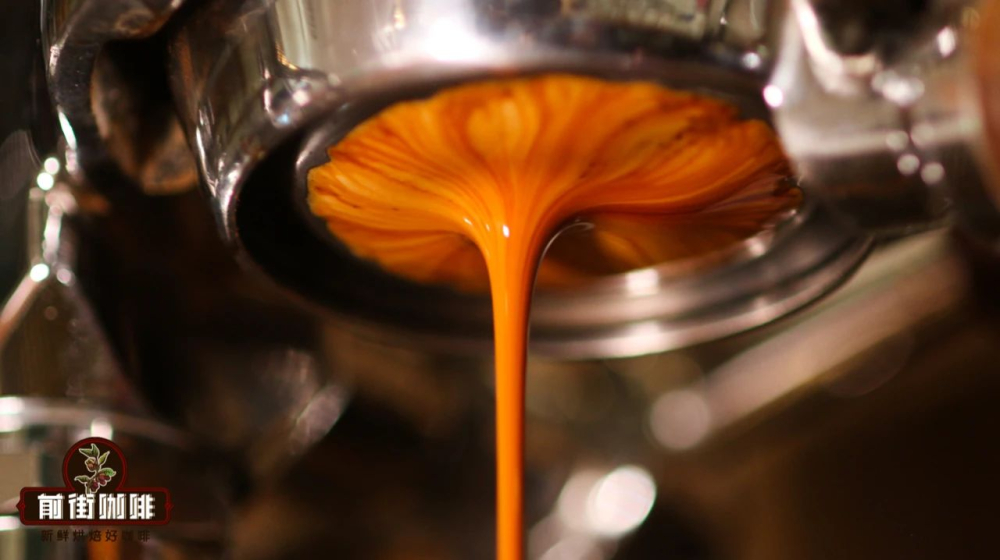
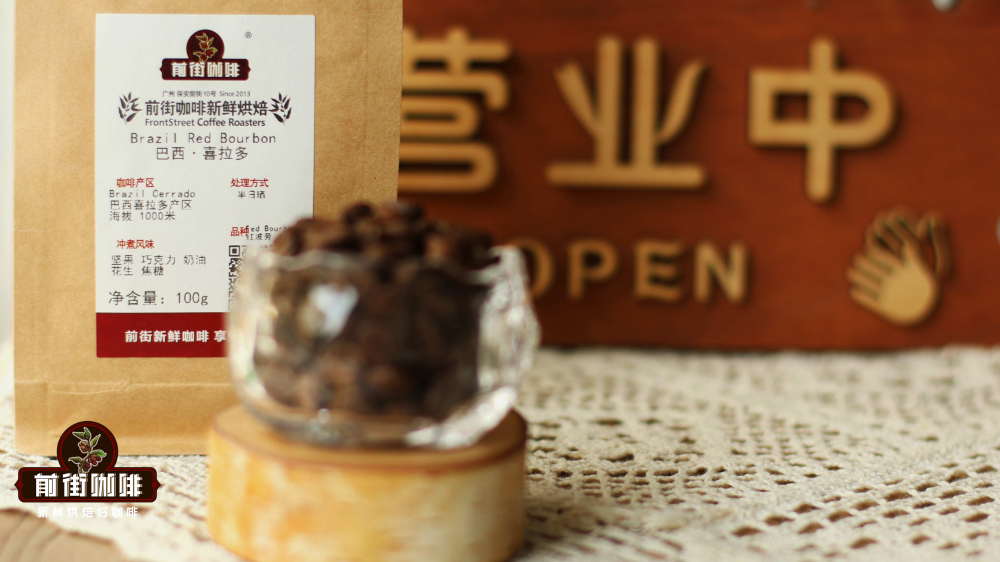
Blending is not about randomly mixing beans, but rather an organic integration of acidity, sweetness, body, and aroma through a deep understanding of the characteristics of beans from various regions. For example, some beans may have bright acidity but lack a rich base; by adding beans such as Brazil or Robusta, the flavor profile can be rounded out and made more dynamic.
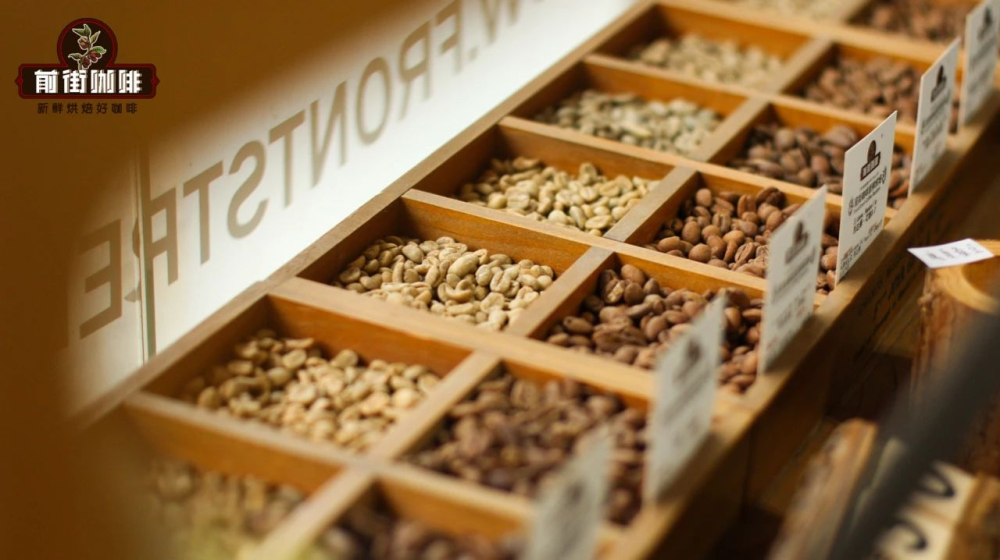
In terms of blending methods, there are commonly two approaches: “pre-roast blending” (生拼) and “post-roast blending” (熟拼). Pre-roast blending involves mixing beans before roasting and then roasting them together, which is suitable for beans with similar profiles and helps maintain consistent roasting results.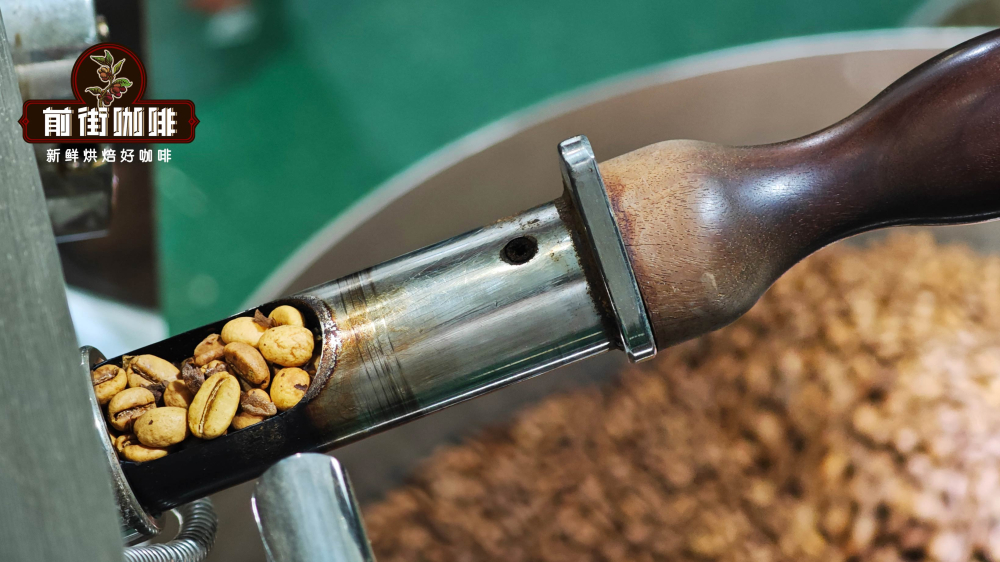 Post-roast blending, on the other hand, involves roasting each bean variety to its optimal state individually based on its characteristics, and then blending them afterward. This method can fully bring out the potential of each bean but requires higher standards for quality control and rest management.
To ensure consistent flavor year after year, many professional coffee shops use blending to stabilize their output. Since coffee beans are agricultural products, factors like climate and soil can cause variations in flavor even within the same region. Carefully designed blending ratios can effectively mitigate these changes and provide customers with a stable and high-quality taste experience.
When designing a blend recipe, it’s essential to first clarify the objective—whether it's cost control, long-term flavor stability, or the creation of unique flavor layers. Then define the desired flavor profile, such as wine-like notes, caramel sweetness, or balanced fruit acidity. For instance, if aiming for wine-like aromas, one might choose beans processed in wine barrels, such as Honduras sherry barrel beans, and adjust the ratios through multiple tests to establish the most suitable blend.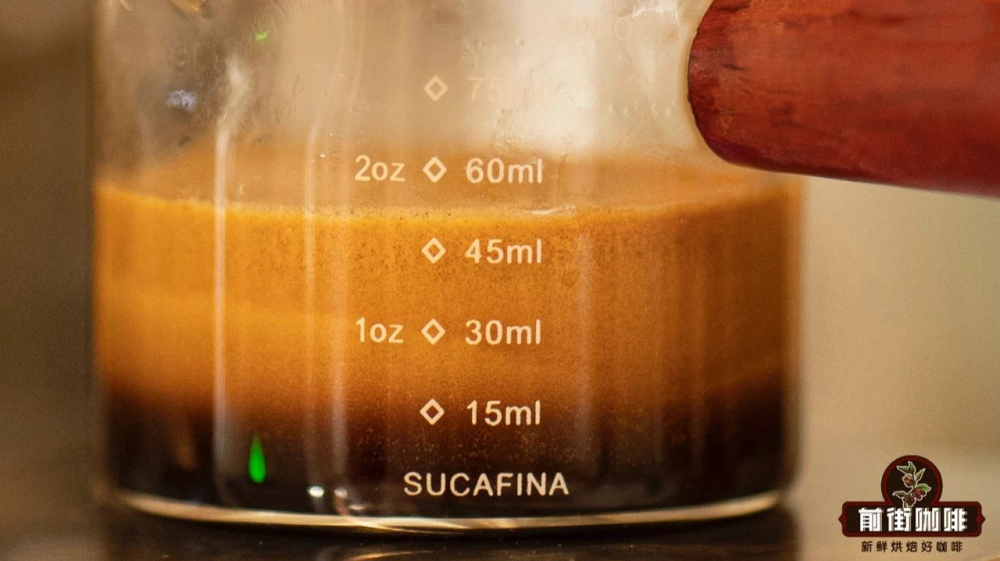
As for determining the blending ratio, it generally involves two stages of testing: prediction and actual post-roast evaluation. Initially, cupping is used to assess the individual performance of different beans, mixing them at various ratios and tasting via sipping to identify the most promising combinations. Then, depending on whether using pre-roast or post-roast blending, the beans are roasted accordingly and finally evaluated with the intended brewing method (such as espresso or milk coffee) to ensure the actual extraction meets expectations.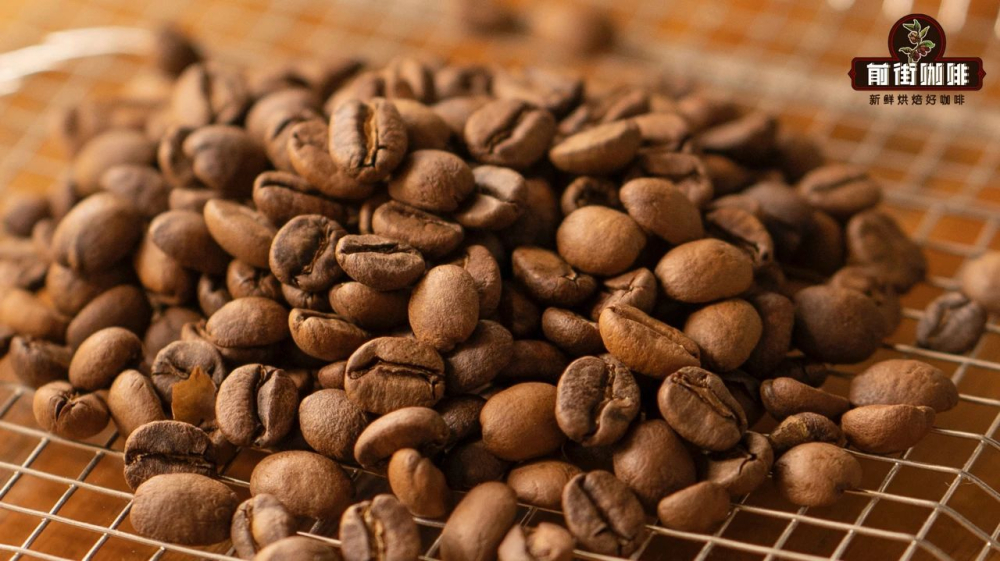
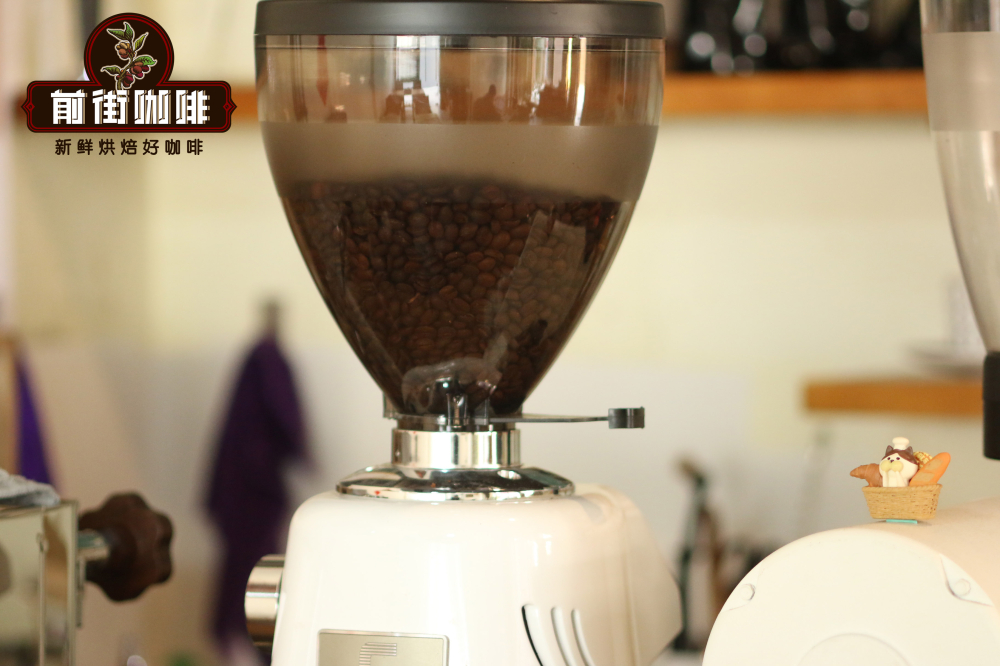
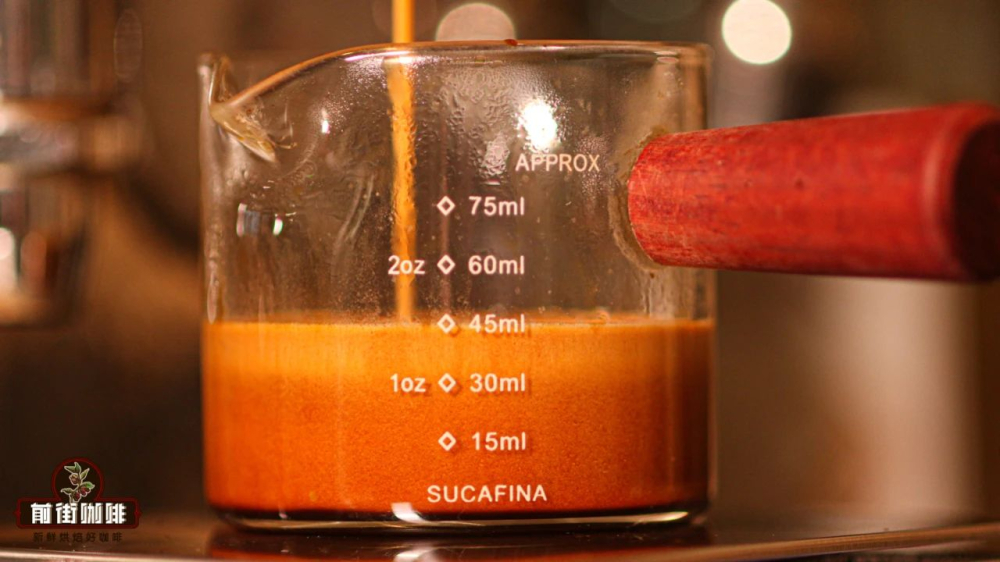
During actual extraction, the brew ratio is key to flavor release. Generally, it is recommended to use a 1:2 to 1:3 brew ratio for espresso (e.g., 20 grams of coffee grounds yielding 40 to 60 milliliters of coffee liquid), with extraction time controlled between 25 to 30 seconds to achieve a rich and layered taste. Additionally, observing the texture and thickness of the crema is also one of the indicators of successful extraction.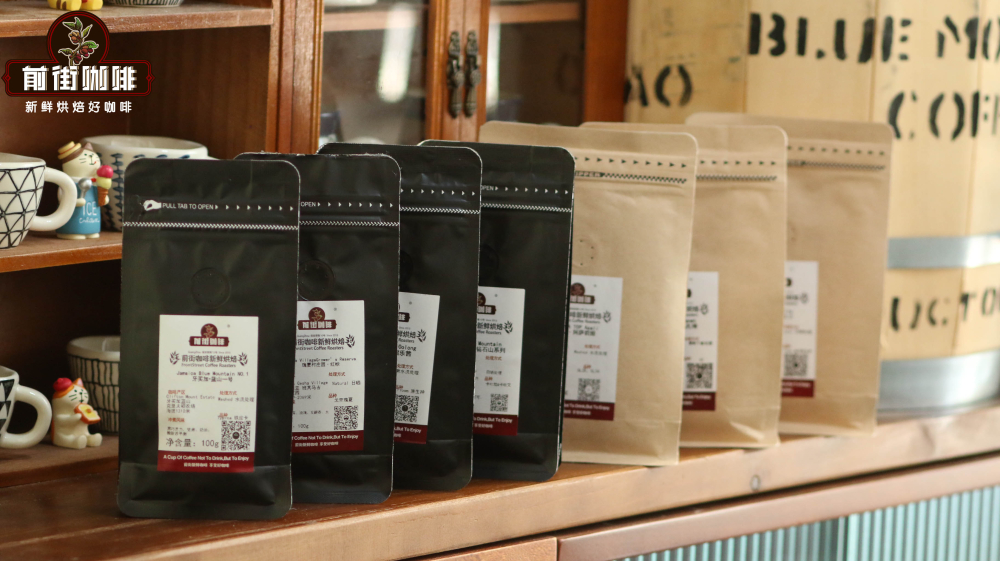
Here are several common blending examples: a mix of Colombian and Brazilian beans at a 3:7 ratio is suitable for daily café use, offering balanced flavor and good crema; adding a small amount of Robusta can enhance intensity and sweetness, making it ideal for lattes or cappuccinos. For those who prefer brighter fruit acidity, consider adding a small portion of sun-dried Yirgacheffe to introduce a fresh note.
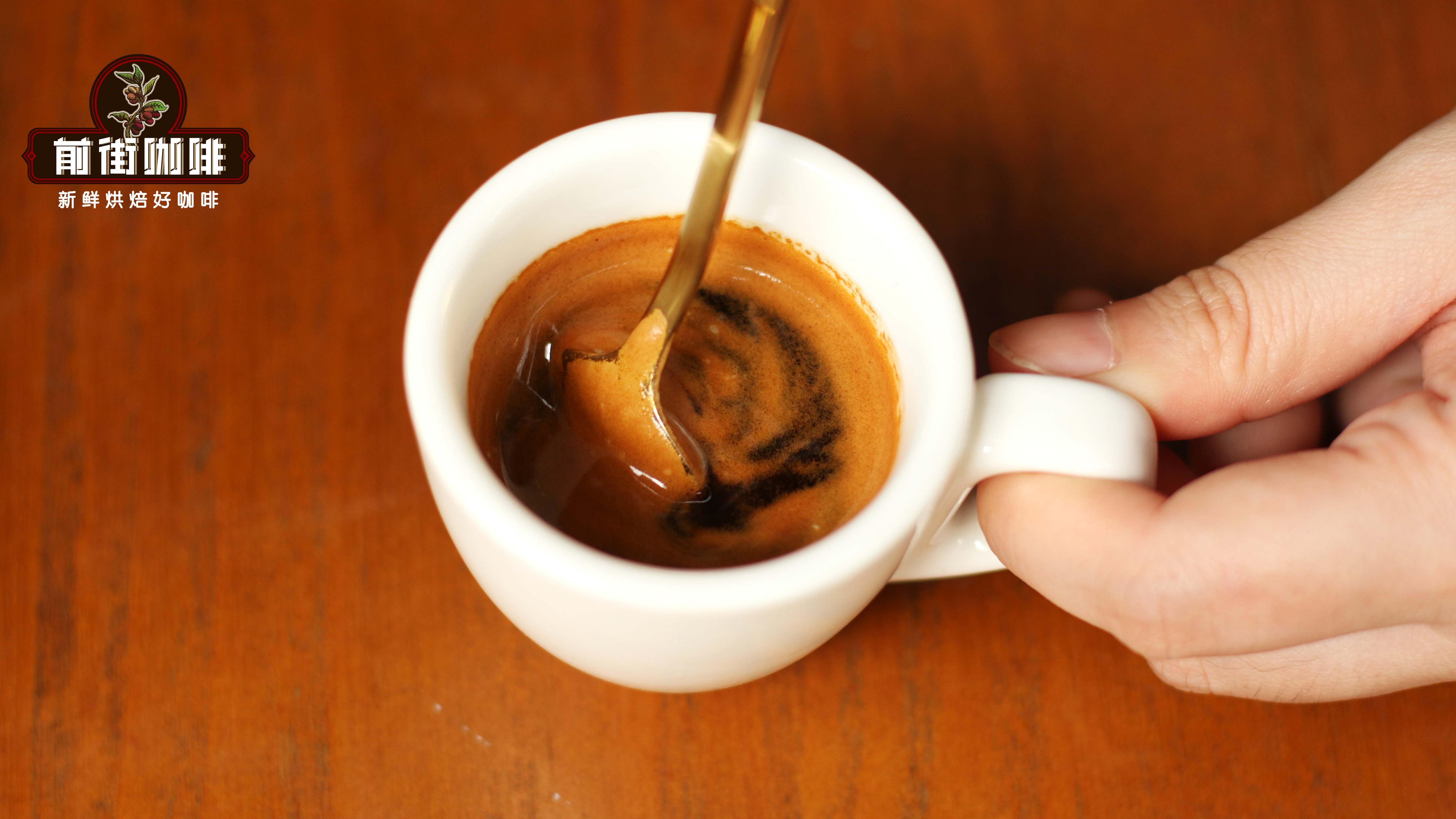
Lastly, when brewing espresso, it’s recommended to stir with a spoon to evenly mix the crema with the coffee liquid, allowing you to fully experience the integrity of the flavor layers. While crema is rich in aromatic compounds, tasting it alone does not reveal the full taste structure. Stirring balances the sour, sweet, bitter, salty, and the creamy texture of the oils, resulting in a richer drinking experience.







The above content is compiled by CoffeeHunters, a coffee news website.

