








Introduction:Want to know if espresso beans are suitable for pour over? Curious about blending single-origin beans to create unique flavors? This article delves into the bean selection logic, flavor design, roast curve settings, and brewing recommendations for pour over blends, guiding you step-by-step to craft a balanced and layered autumn pour over blend.
During autumn and winter, as temperatures gradually cool, many coffee enthusiasts begin seeking milder-tasting, flavor-rich coffee experiences. To meet this demand, a type of blend that combines the strengths of single origins while catering to pour over characteristics has gradually gained attention. These beans not only retain the harmony typical of espresso blends but also achieve clean and clear flavor expression through carefully selected bean varieties—offering gentle and varied acidity on the palate, with a medium-to-high sweetness in the aftertaste, making them highly suitable for pour over brewing.

Traditionally, blend coffee beans have been primarily used for espresso, where 2 to 5 types of beans are roasted complementarily to compensate for the flavor limitations of a single origin, resulting in a rich and full-bodied taste. However, this approach often diminishes the regional characteristics that single-origin coffees can showcase. If dark-roasted espresso blends are used for pour over, they may deliver high body and pronounced roastiness, but with a strong aftertaste that might not align with the fresh, layered profile preferred by pour over enthusiasts.
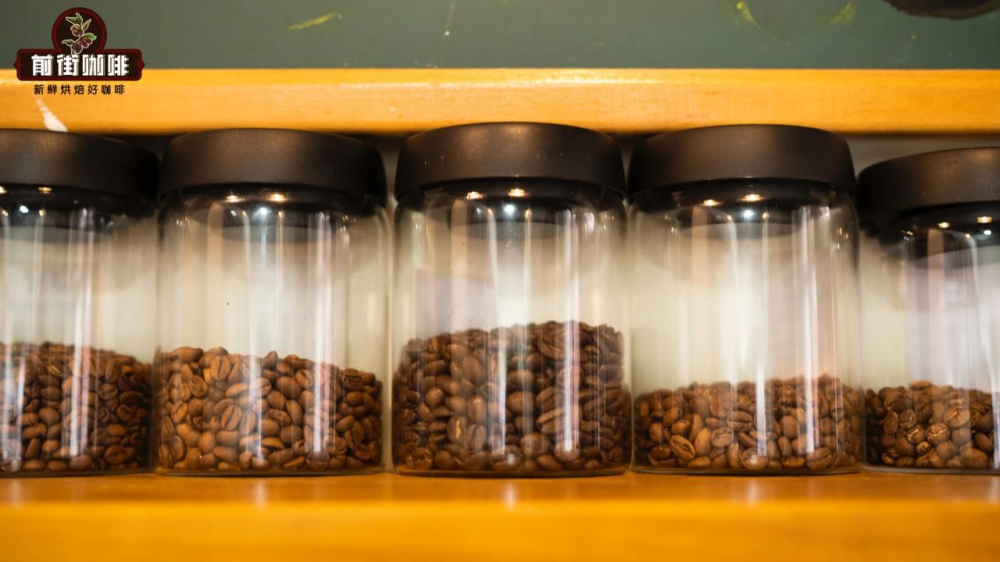
The blend formula explored in this article uses multiple washed and natural-processed beans that scored at specialty level in cupping tests, including Yirgacheffe washed, Costa Rica SHB Caturra washed, Yirgacheffe Red Cherry natural, Yunnan Huaguoshan Typica washed, and Gesha Village natural Gesha. Each bean variety has its own distinctive character, with clear regional terroir signatures, yet they harmonize within the blend to add diverse layers to the pour over experience.
At the start of the blend design process, the team first clarified the desired flavor direction: centered around an autumn theme, emphasizing a not-too-heavy mouthfeel while highlighting the sweet juiciness of harvest-season fruits. Based on this, a “base bean + 1 to 2 supporting beans” strategy was adopted to avoid overly complex and unbalanced flavors. The base bean needs to offer high sweetness, a full body, and a stable quality foundation, while also being able to accommodate the characteristics of the supporting beans to form a cohesive and well-structured core.
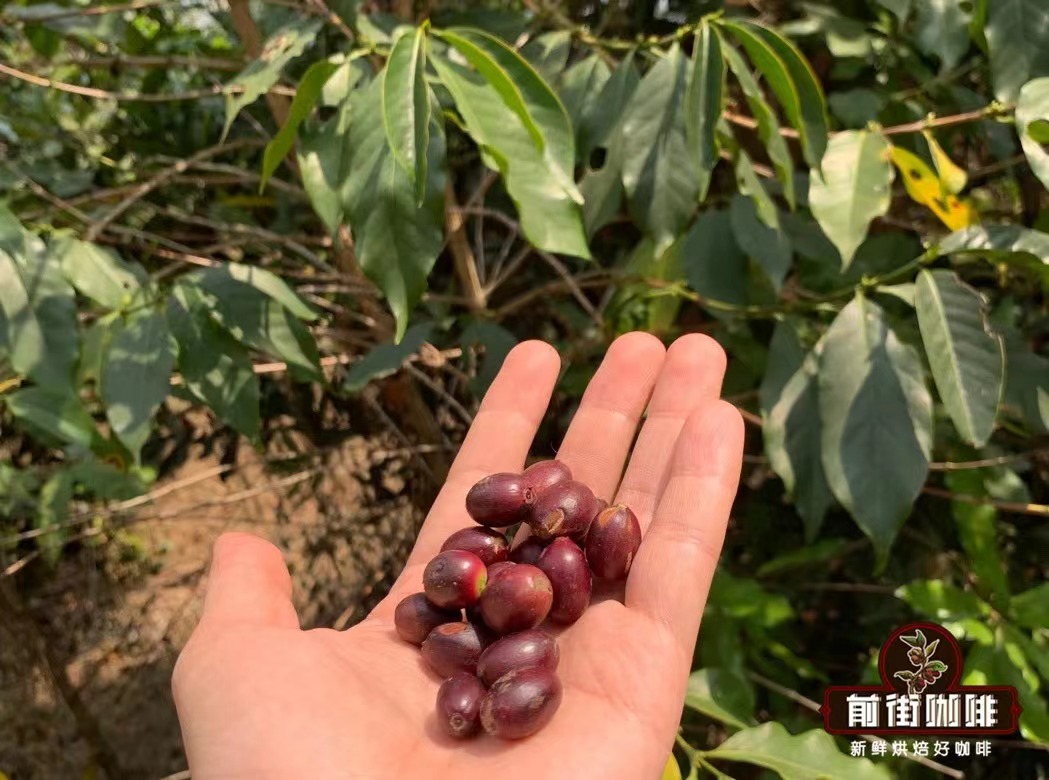
After comparing the roast curves and cupping scores of dozens of beans, Yunnan Huaguoshan Typica was ultimately chosen as the base—it provides a balanced mouthfeel and long-lasting aftertaste thanks to its locally sourced, stable quality control. However, considering its slightly limited uniqueness in acidity and flavor, the team introduced Ethiopian bean varieties to enhance the profile. Ethiopia, known as the “coffee gene bank,” has over 2,000 known varieties, encompassing floral, berry, and citrus notes among others, making it an ideal match for the base bean.
The first round of testing used a 7:3 ratio (Yunnan Huaguoshan : Yirgacheffe Kochere), yielding gentle citrus acidity and a chocolatey aftertaste, but with slightly weaker sweetness. Further analysis revealed that Kochere’s lemon and orange notes could elevate overall complexity and brightness, complementing Yunnan’s black tea-like aftertaste, leading to its selection as the supporting bean. Notably, “pre-blend” (mixing before roasting) became a key decision—since Yunnan is suited to medium-dark roasting while Kochere is better suited to light roasting, roasting them together post-blend would cause the former to over-extract and the latter to under-extract, disrupting flavor balance.
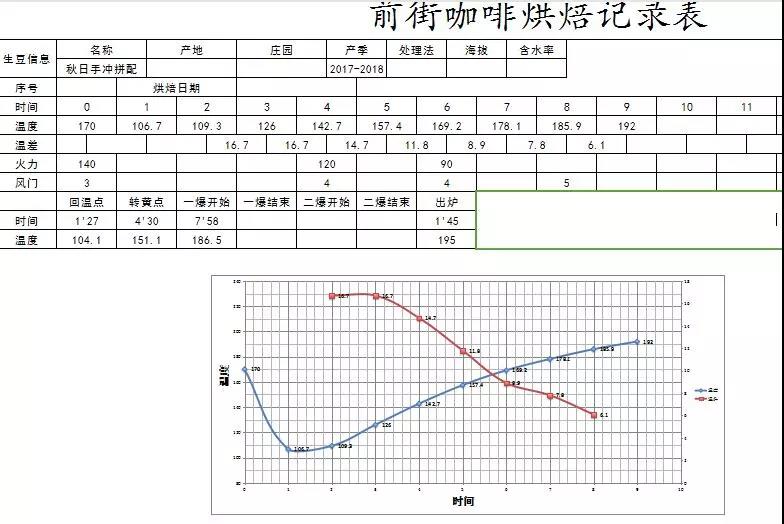
In terms of roast parameters, a Yangjia 600g roaster was used with a 300g charge, starting at an initial temperature of 170°C with the charge dropped in upon reaching that temperature. After 30 seconds, the heat was increased to 140 with a fan setting of 3; when the bean temperature dropped to 140°C, the heat was adjusted to 120 and the fan opened to 4; at 4 minutes 30 seconds, dehydration to yellowing occurred, and at 168°C the heat was reduced to 90. First crack began around 8 minutes, the fan was opened to 5, and after 1 minute 45 seconds of development, the beans were dropped at 195°C. This strategy of progressively reducing heat and extending Maillard reaction time not only eliminated the grassy notes often found in lightly roasted Yunnan beans but also preserved the floral and fruity notes of Yirgacheffe, achieving synchronized development for both beans.
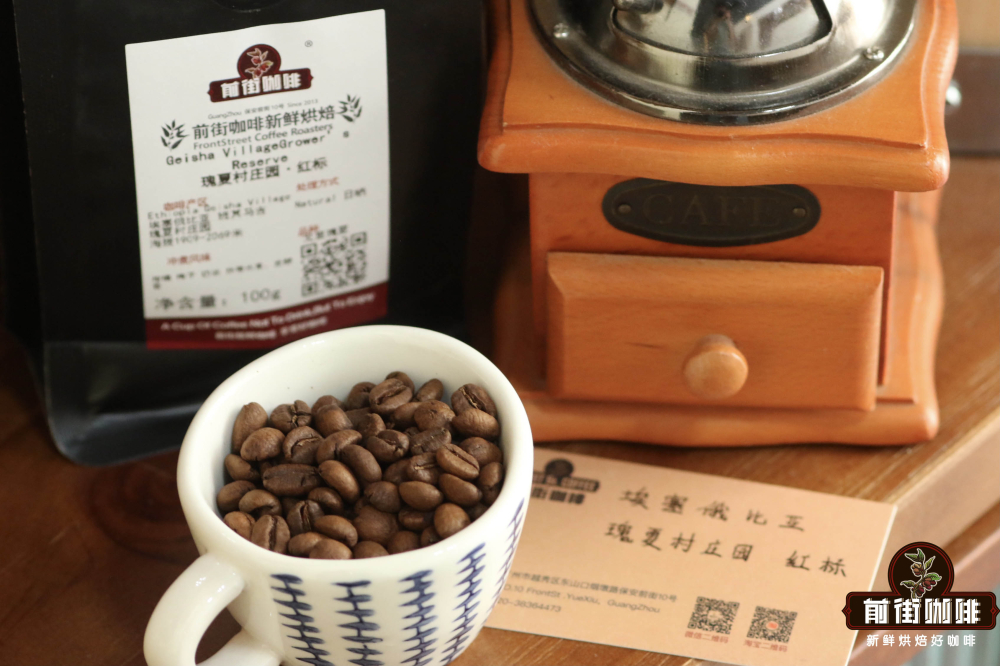
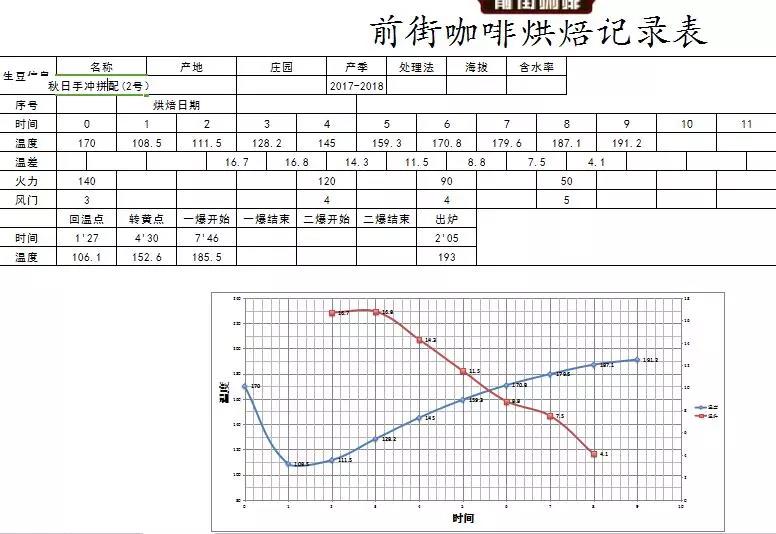
The first ratio test (Yunnan Huaguoshan : Yirgacheffe Kochere 6:4) showed good clarity, with apple-like freshness and plum acidity, but the flavor felt somewhat thin. After discussion, 10% Gesha Village Red Label natural Gesha was added (final ratio 6:3:1) to enhance fruitiness and floral notes while boosting the late-stage tea-like qualities. Roast parameters were adjusted: lowering the drop temperature, shortening the dehydration-to-first-crack time to preserve floral and fruity notes, and extending the first crack development time. The final roast level was set to medium-light, with Yunnan making up the highest proportion—light roasting alone can bring out its brown sugar aroma, black tea notes, and creamy richness, resulting in a clean cup with high sweetness.
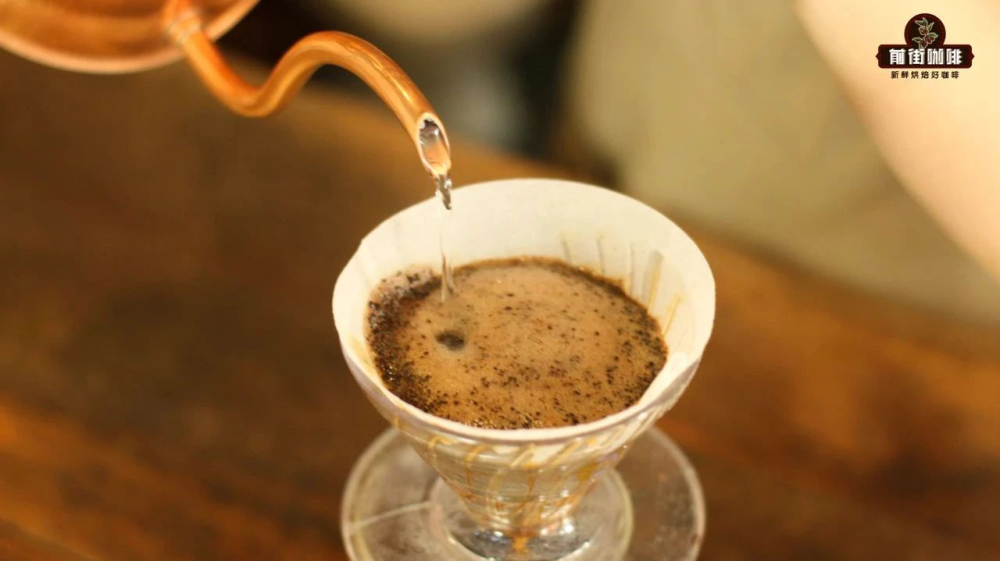
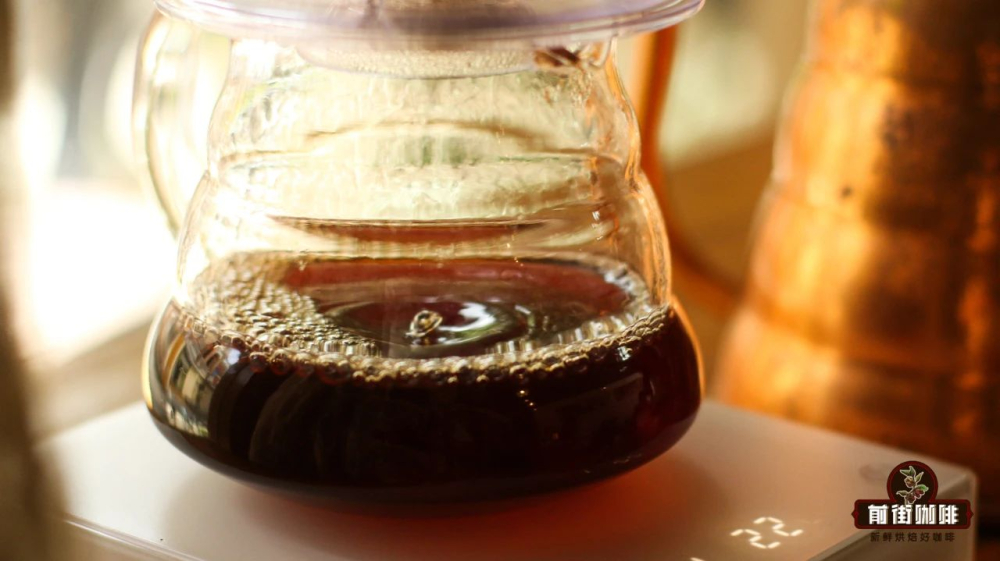
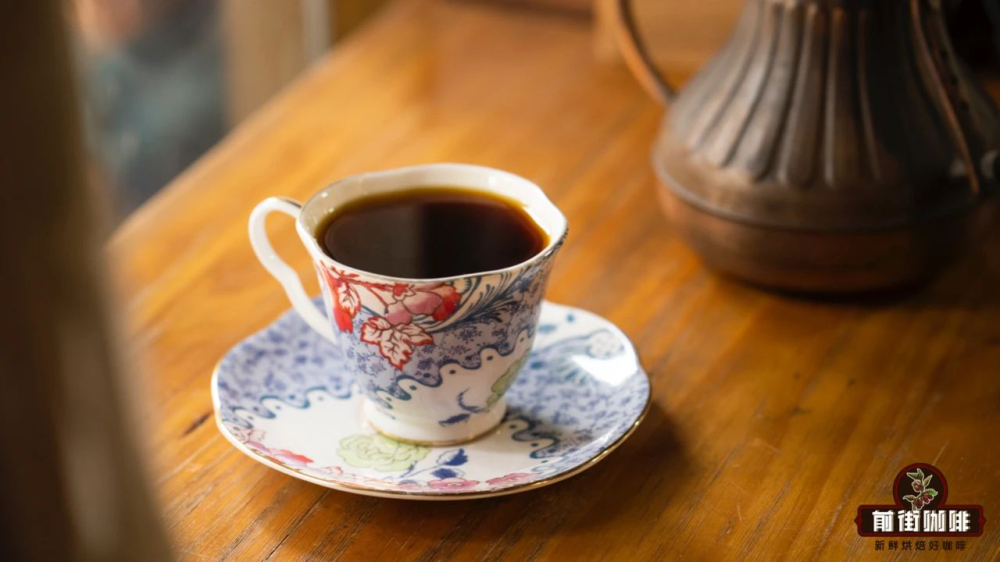
In actual pour over experience, this autumn blend showcases multi-layered flavors: gentle and dynamically shifting acidity on entry, gradually transitioning to sweetness mid-palate, with a long-lasting aftertaste; accompanied by aromas of black tea, cocoa, caramel, jackfruit, orange, and nuts, the overall profile is clean and bright, with moderate body and a bubbly, light-mouthfeel. When brewing, avoid using espresso-style high-pressure extraction parameters. It is recommended to use medium-fine grind (e.g., 70%-75% passing through a Chinese standard No. 20 sieve), water temperature of 90-93°C, and segmented pouring with a powder-to-water ratio of 1:15 to 1:16, to fully express the balanced characteristics of the blend.
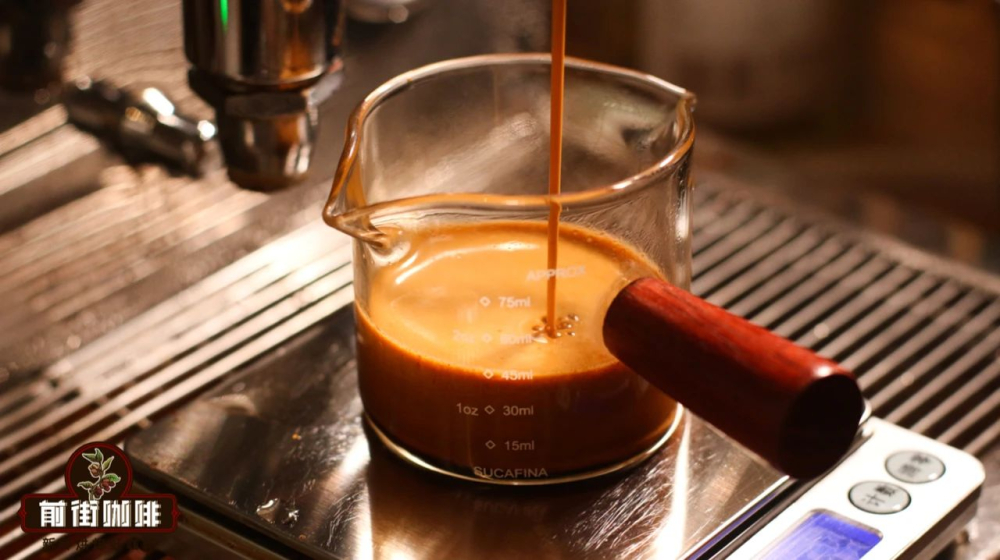
Regarding common questions about espresso blends: In the past, due to the large variability in Arabica bean quality, mixing in lower-cost beans helped reduce costs while retaining some premium flavors; today, the focus is more on balance and consistency—by combining Brazilian beans for body, African beans for acidity, and Central/South American beans for sweetness, ensuring stable flavor profiles in each batch of espresso. The addition of Robusta is used to enhance crema and overall body. Similarly, pour over blends are not exclusive to single origins; through scientific blending and precise roasting, they too can achieve harmonious flavors and unique experiences.
The above content is compiled by CoffeeHunters, a coffee news website.

