







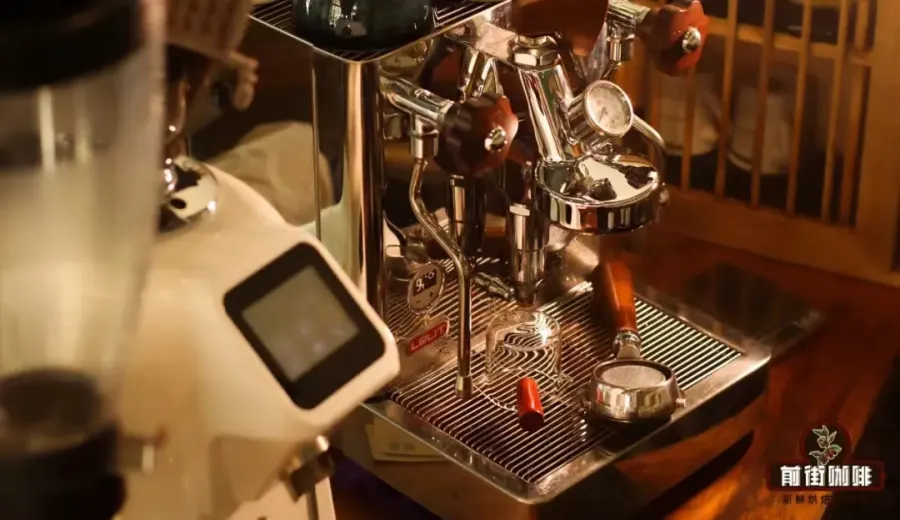
Introduction:To brew a smooth and rich espresso at home, choosing the right coffee beans and mastering extraction parameters are key. This article delves into the ideal roast levels for espresso machines, common extraction mistakes, and how to judge extraction success by crema appearance — helping you advance from a beginner to a coffee expert.
Although espresso machines can theoretically extract all types of coffee beans, roast level plays a crucial role in espresso. Unlike pour over coffee, the high-pressure extraction of espresso amplifies the characteristics of the beans to the extreme — acidity, sweetness, bitterness, and astringency all become more pronounced. Therefore, not all beans are suitable for making espresso.
Generally speaking,light roasted coffee beansare not suitable for making espresso. These beans have prominent acidity, less crema, and when used with milk to make cappuccino or latte, they can easily result in a sour and thin-bodied drink, failing to showcase the layered richness that espresso should have.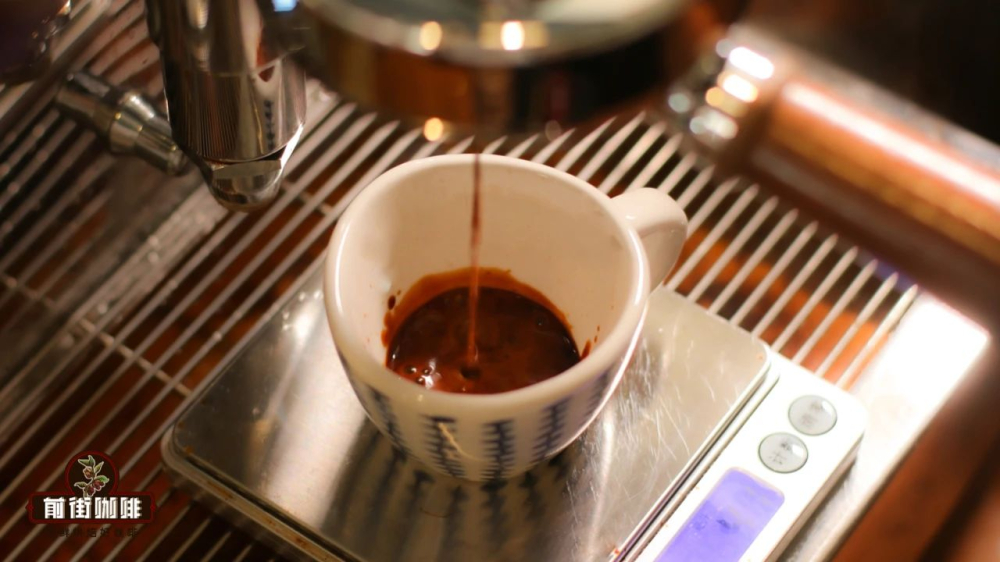 " alt="Diagram illustrating the relationship between espresso and beans" />
Currently, most coffee shops on the market choose to usedark roasted blendsto make espresso. There’s a common misconception that blends are of lower quality, but this is an outdated stereotype. In the past, some shops mixed low-grade beans with dark roasts to mask their poor quality. But today, as long as the raw materials are of good quality and the roasting and blending techniques are appropriate, blends can also produce high-quality espresso.
The original intention of creating blends is to compensate for the flavor fluctuations of single-origin coffees caused by changes in climate and soil. Roasters, based on experience, mix beans from different regions in specific proportions, adjusting them either before or after roasting to ensure the final espresso has a stable, balanced flavor profile while maintaining complexity and consistency.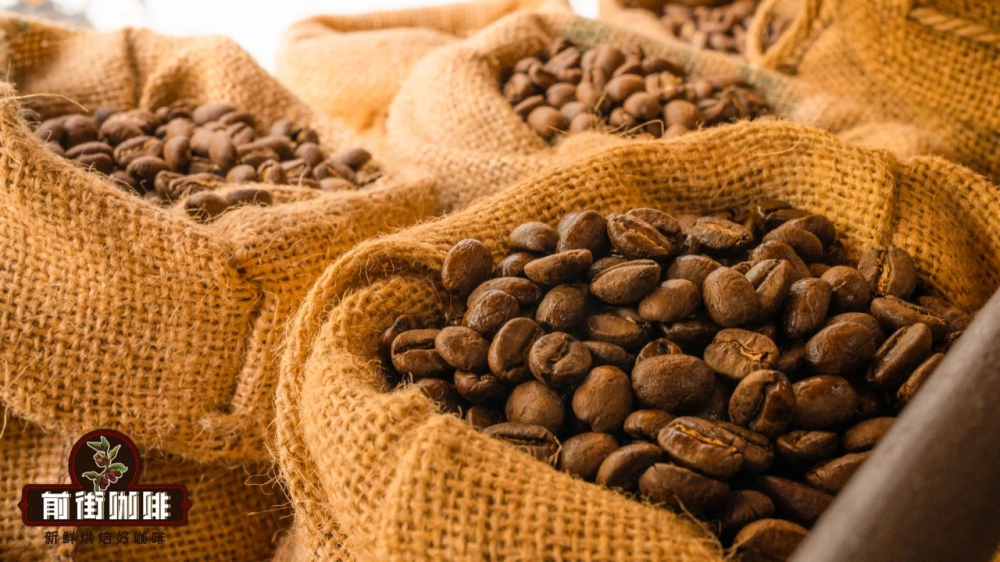 " alt="Comparison diagram of blends vs. single-origin beans" />
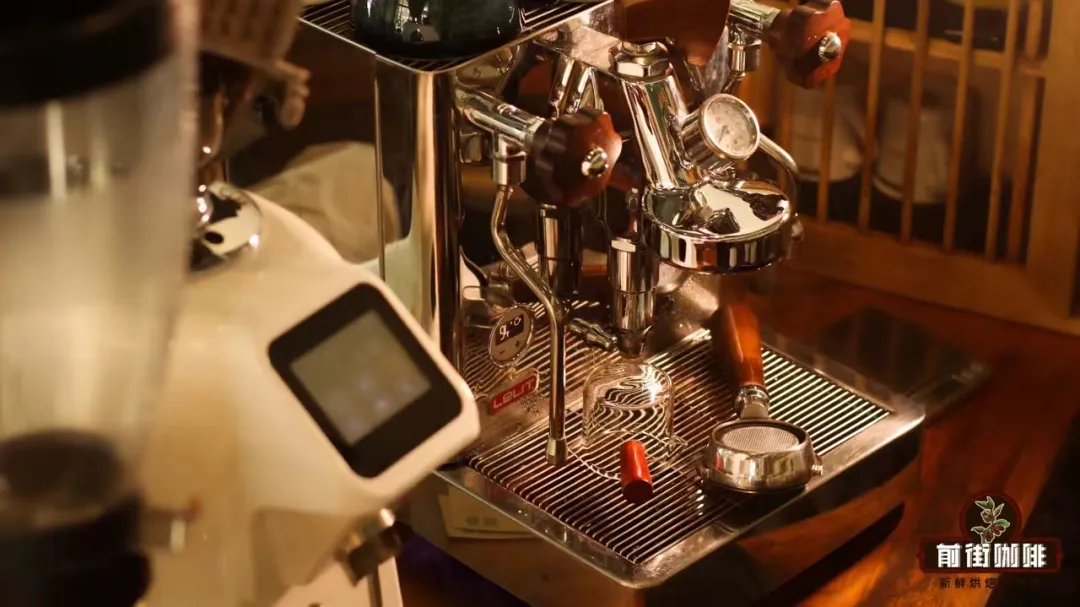
When extracting espresso,there is no one-size-fits-all grind size or parameter, as each espresso machine and grinder may vary slightly in performance, pressure, and flow rate. For beginners, it is recommended to start with the following basic extraction settings: use about 20 grams of coffee grounds, aim for a 1:2 coffee-to-water ratio (i.e., extract 40 grams of espresso), under 9 bar pressure, and control the time between 25–30 seconds. Then, adjust the grind fineness and pressure gradually based on the actual flavor of the extracted coffee to find the best combination for your equipment.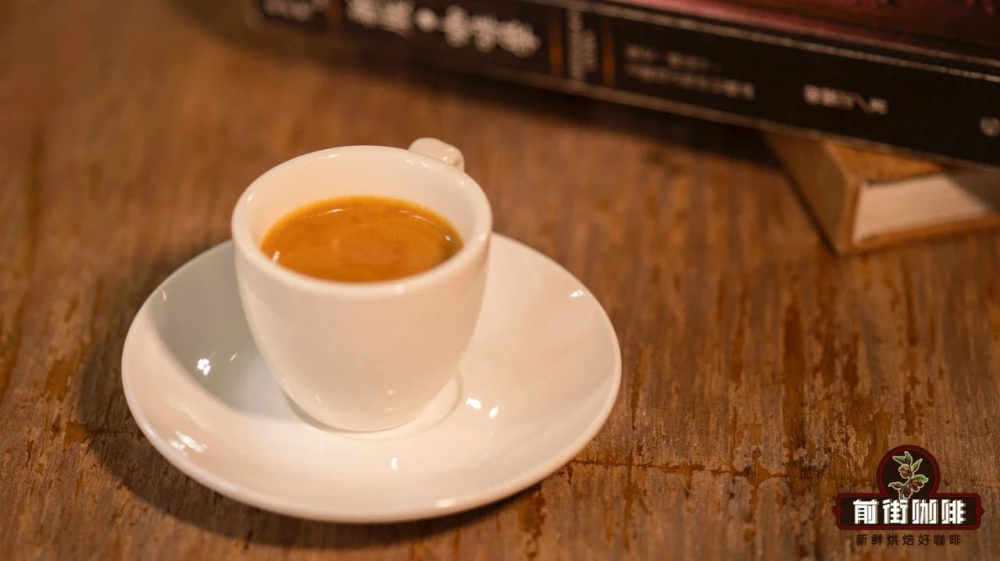 " alt="Extraction parameter diagram" />
One of the most intuitive ways to judge whether an espresso is successful is by observing its surface crema (coffee foam) . Ideal crema should be tight, reddish-brown, and fine-textured. This layer of foam not only affects appearance but also carries the coffee’s aroma and part of its flavor. Crema forms from the carbon dioxide released by coffee beans during roasting. These gases are released during grinding and form fine bubbles under high-pressure extraction. Therefore, for the best-tasting espresso, it’s recommended to use freshly ground coffee and extract it immediately.
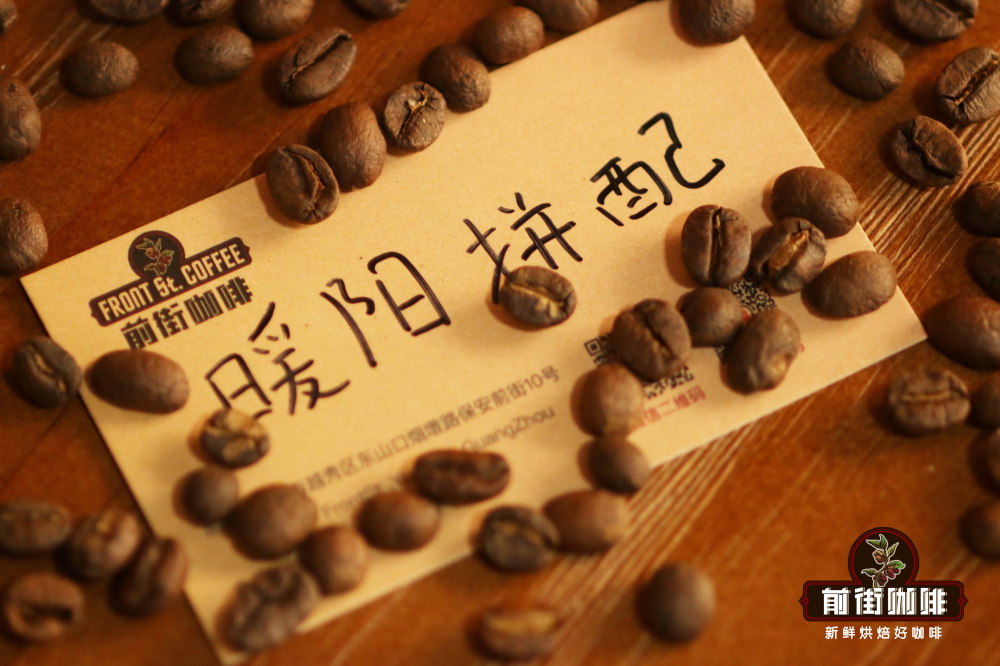
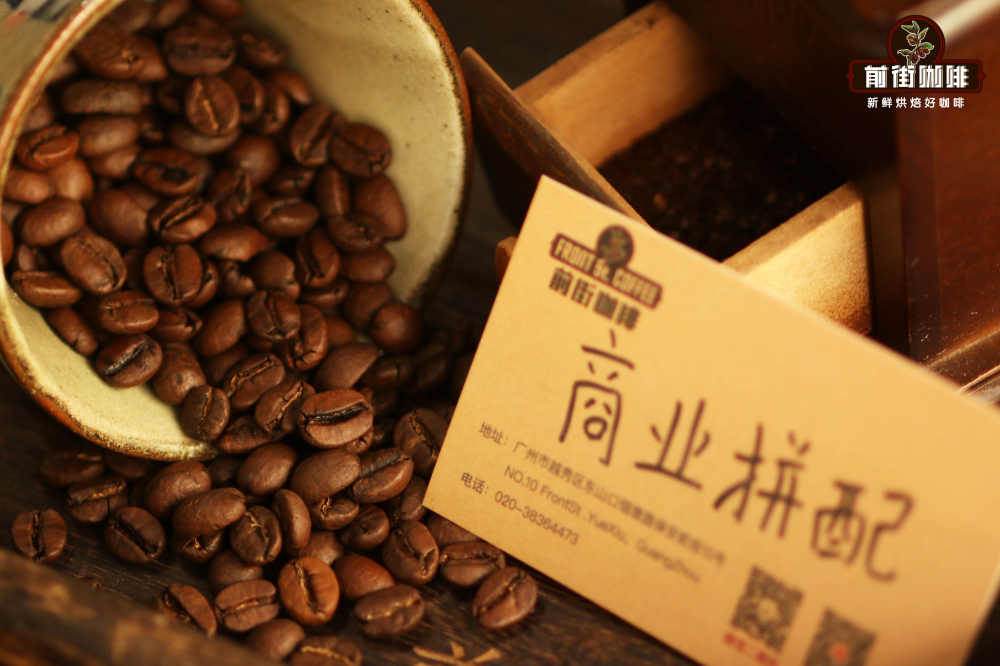
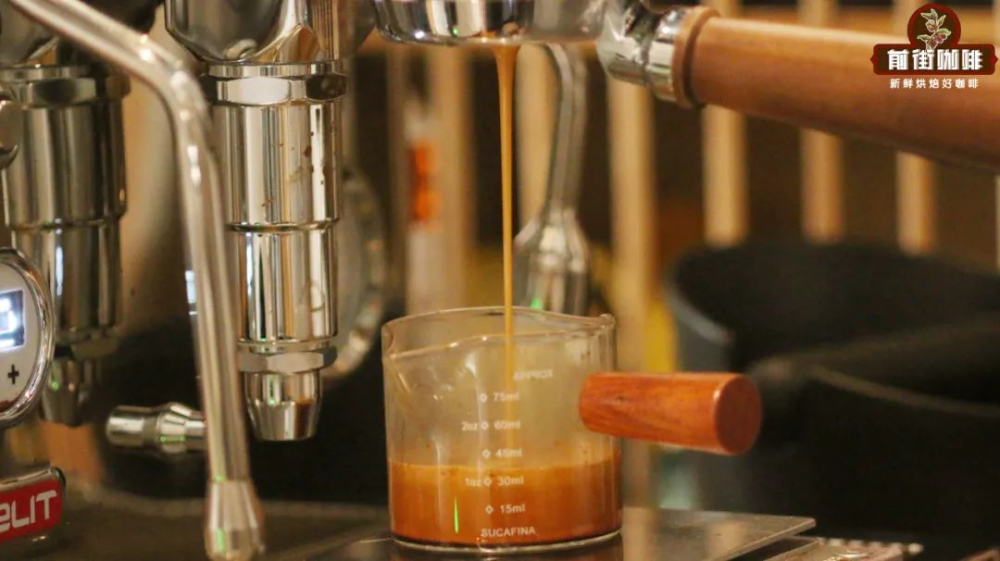 " alt="Close-up view of espresso crema" />Dark roasted blends are usually the top choice for most coffee lovers because these beans can exhibit rich caramel, chocolate, and nutty notes under high-pressure extraction, along with sufficient body and crema support. Different blend recipes can also deliver varied flavor profiles — for example, some emphasize fruity and wine-like characteristics with berry and vanilla undertones, while others focus on a balanced nutty and dark chocolate profile, ideal for pairing with milk to create diverse coffee drinks.
No matter which roast level you choose, the key lies in understanding your own taste preferences and continuously experimenting and adjusting to find the best combination for your espresso machine and palate. Remember, a successful espresso depends not just on the beans themselves, but also on the details of the entire extraction process.
 " alt="Espresso brewing illustration" />
 " alt="Flavor profile of wine-forward blend beans" />
 " alt="Introduction to nutty-toned blend beans" />
 " alt="Description of rich commercial blend" />
 " alt="Characteristics of mildly acidic and rich blend" />
The above content is compiled by CoffeeHunters, a coffee news website.

