







Introduction:Dirty coffee has become a standout representative of iced milk coffee in recent years, thanks to its unique hot-and-cold contrast and visual layering. However, crafting a Dirty with distinct layers and balanced flavor involves attention to details — from cup selection to milk temperature. This article delves into the correct brewing steps for Dirty coffee, the key factors influencing its layering effect, and offers practical tips to help you master the essence of this popular beverage.
What is Dirty Coffee?
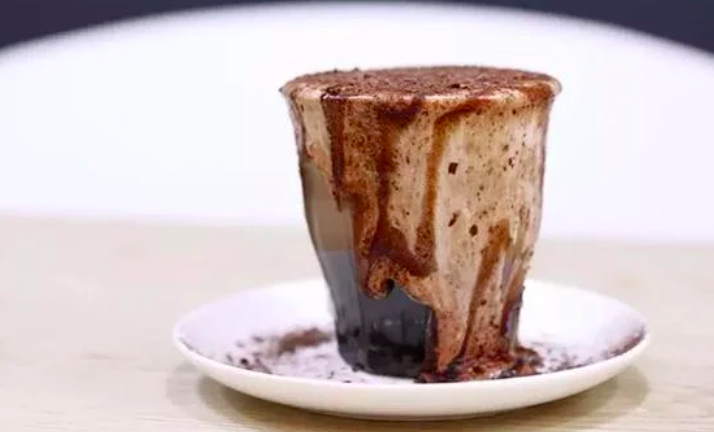
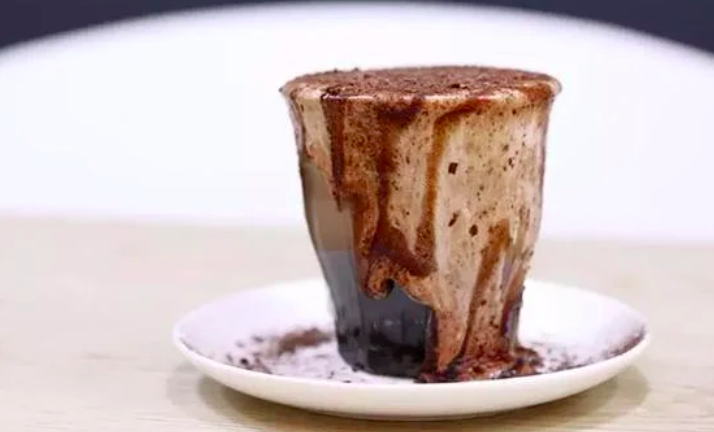
The term "Dirty coffee" is a direct English translation that literally means "dirty coffee." Its defining characteristic is the unblended contrast between hot and cold layers — the top consists of chilled fresh milk, while the bottom is freshly extracted hot espresso. This creative concept originated from the "dirty food" trend of 2019, but unlike earlier versions that used milk foam or cocoa powder to create a so-called "dirty" appearance, modern Dirty emphasizes the harmony between the pure taste of coffee and visual aesthetics.

Its classic presentation involves pouring dark espresso directly over white milk, allowing gravity to slowly blend the two and create a gradient effect. As there is no unified standard, the flavor of Dirty can vary from shop to shop, but its core feature lies in preserving the crema of the espresso and the striking hot-cold contrast.
Key Techniques for Making Dirty Coffee
To achieve a Dirty with clear layering, you only need espresso and milk — but the details make all the difference.Never add ice, as it will dilute the intensity of the espresso. It’s recommended to use chilled fresh milk or high-protein skimmed milk (such as ice bunka), and the milk must be cold enough to keep the coffee crema stable on the surface.
The choice of glass is equally important:It must be pre-chilledto prevent temperature loss when pouring in the milk due to thermal shock. Additionally, ensure the glass is resistant to low temperatures to avoid cracking from freezing or when hot coffee is poured in. Practical testing suggests using a medium-sized cup of 180–220ml, which is smaller than the common iced latte (280–320ml), to enhance flavor concentration.
Step Details and Common Mistakes
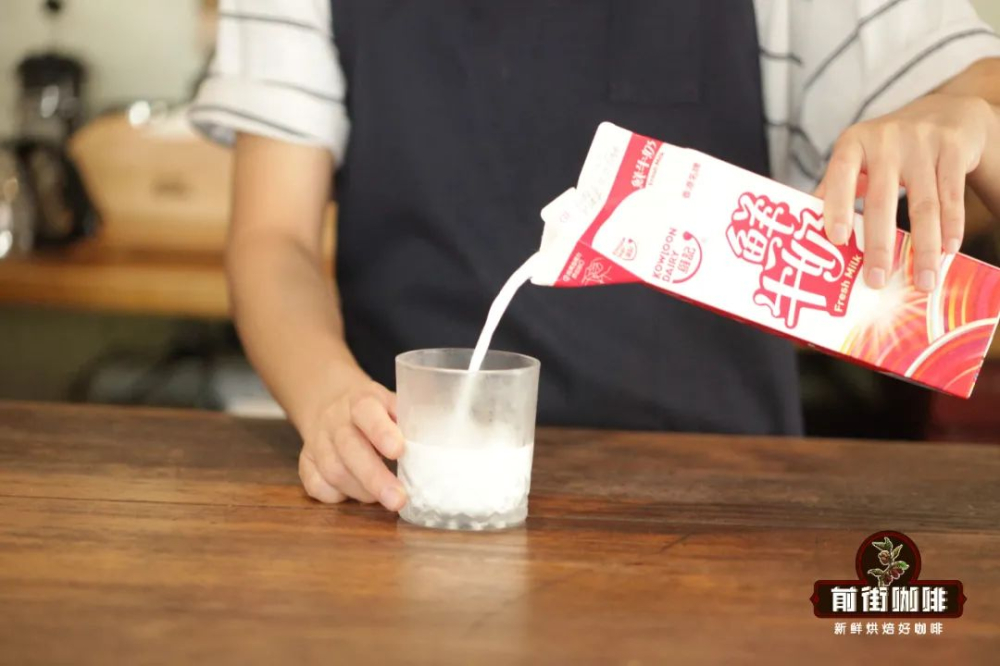
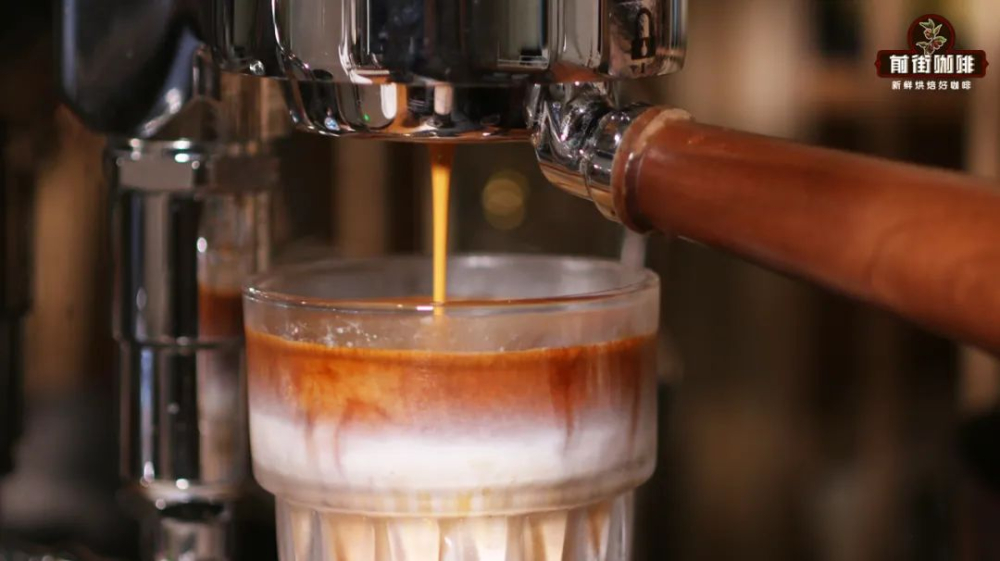
In practice, start by preparing the chilled glass and pouring in 150ml of chilled fresh milk. Extract 20g of coffee grounds, aiming for 36g of espresso. The key is topour the espresso directly onto the surface of the milk, and the pour height should not be too high — if the espresso directly plunges into the milk, it will disrupt the layering and fail to deliver the intended "dirty" visual.
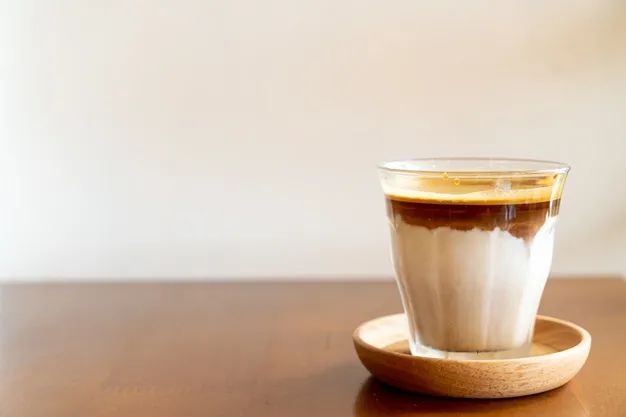
Many assume Dirty coffee must be consumed quickly to retain heat, but its true charm comes from the layered interplay of hot and cold. It’s recommended to let it sit briefly before drinking, observing how the coffee gradually seeps into the milk, creating a dynamic flavor evolution.
How to Drink Dirty Coffee Properly?
The allure of Dirty lies in the experience of its unblended layers.There’s no need for a straw— drinking it straight from the cup allows you to savor the initial intensity of the espresso — typically accompanied by whiskey-like notes, vanilla sweetness, and berry undertones. As the cold milk gradually mixes in, the later sips reveal a smooth, cocoa-creamy texture, with a lingering finish that balances coffee and dairy flavors.
If using dark roasted beans, caramel and chocolate notes may be more pronounced; lighter roasts highlight citrus and floral tones. Cup shape also affects flavor presentation:Wide-mouth cups accelerate temperature loss, making them ideal for those seeking rapid hot-cold contrast; narrow-mouth cups slow down the blending process, prolonging the layering experience.
Advanced Tips and Notes
The freshness of the milk is extremely critical — expired or high-temperature-stored milk can cause fat separation, ruining the layering. When extracting espresso, it’s recommended to keep the coffee-to-water ratio between 1:1.8 and 1:2 to ensure sufficient concentration and crema. For enhanced visual effect, a transparent cup can be used, though note that it offers poorer insulation.
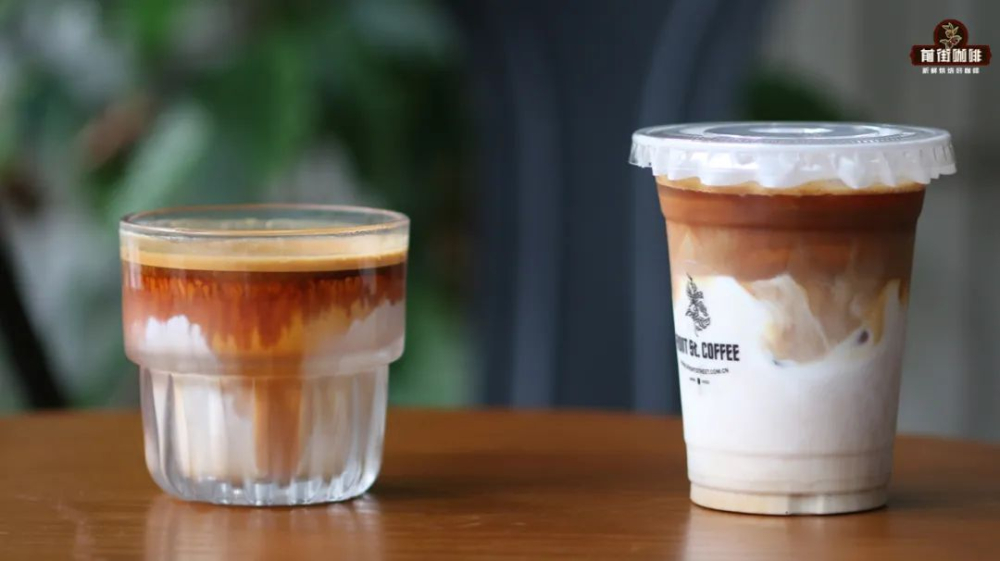
In summary, a high-quality Dirty coffee relies on the combination of "hot and cold ingredients + precise technique + appropriate vessel." Once you master these elements, you can recreate a café-level layered experience at home, satisfying both the eyes and the palate.
The above content is compiled by CoffeeHunters, a coffee news website.


