








Introduction:Espresso is renowned for its rich, bold flavor and captivating golden crema, serving as the base for many coffee beverages. But do you know how this crema is formed? What are the different layers that make up an espresso shot? This article will delve into the composition of espresso, key extraction parameters, and the correct way to enjoy it—guiding you from beginner to advanced and helping you fully grasp the charm of this classic coffee.
The Composition Structure of Espresso
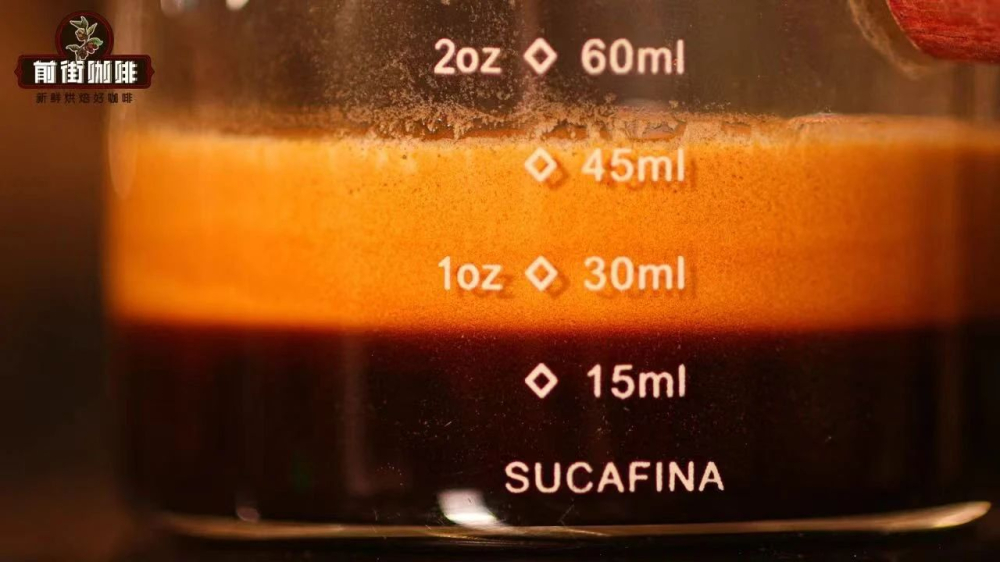
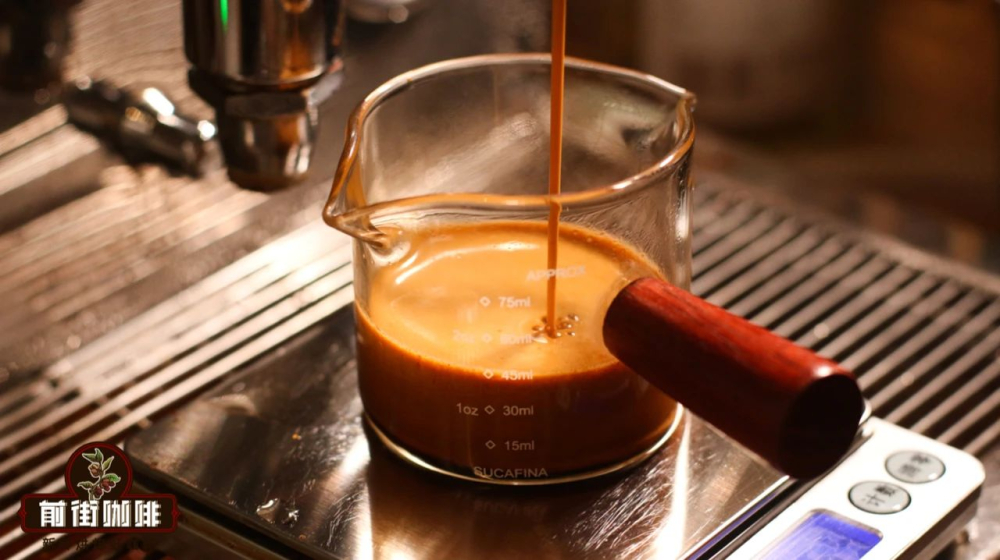
A standard shot of espresso can be divided into three main layers: the crema, the body, and the heart. These three layers not only affect the appearance but also determine the overall flavor profile. First, let’s look at the top layer—the crema. This is one of the most iconic features of espresso, presenting as a fine, golden-brown foam that brings rich aroma and a smooth mouthfeel to the entire cup.
Next is the middle layer, the body. This part contains the richest aromas and flavors of the coffee, offering a rounded, smooth, and moderately viscous texture in the mouth. It is the soul of the espresso. The bottom layer, the heart, is usually dark black with a distinct bitterness, balancing the overall flavor so that the sweetness and aroma don’t become overly overwhelming.
How is the crema of espresso formed?
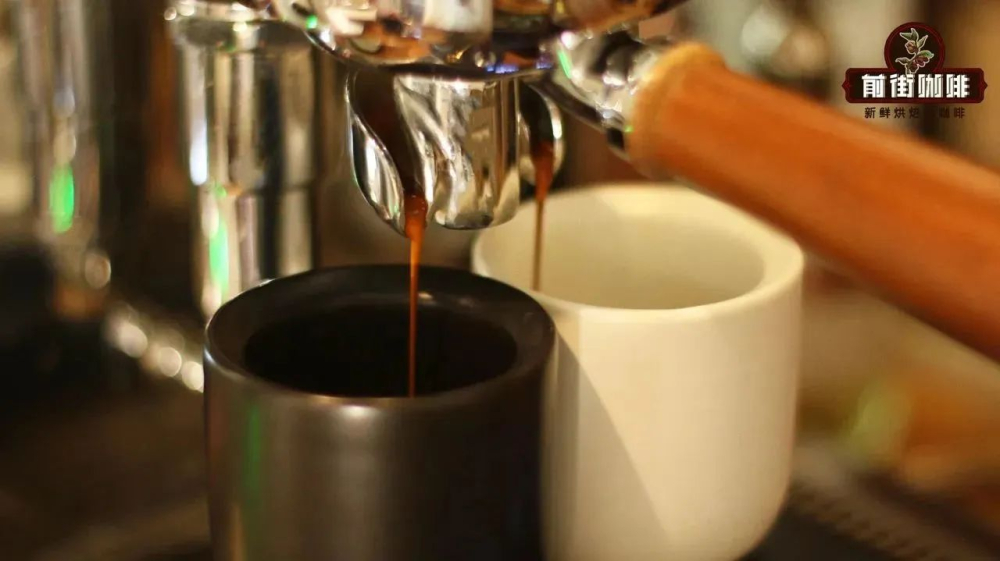
The formation of crema is closely related to the high pressure during the extraction process. Under approximately 9 bar of pressure, hot water passes through finely ground coffee. The carbon dioxide within the coffee grounds cannot escape under this high-pressure environment and is forced to dissolve into the water, mixing with the coffee's natural oils. Then, when the pressure is released, these bubbles and oils are pushed out together, forming a fine, dense layer of crema.
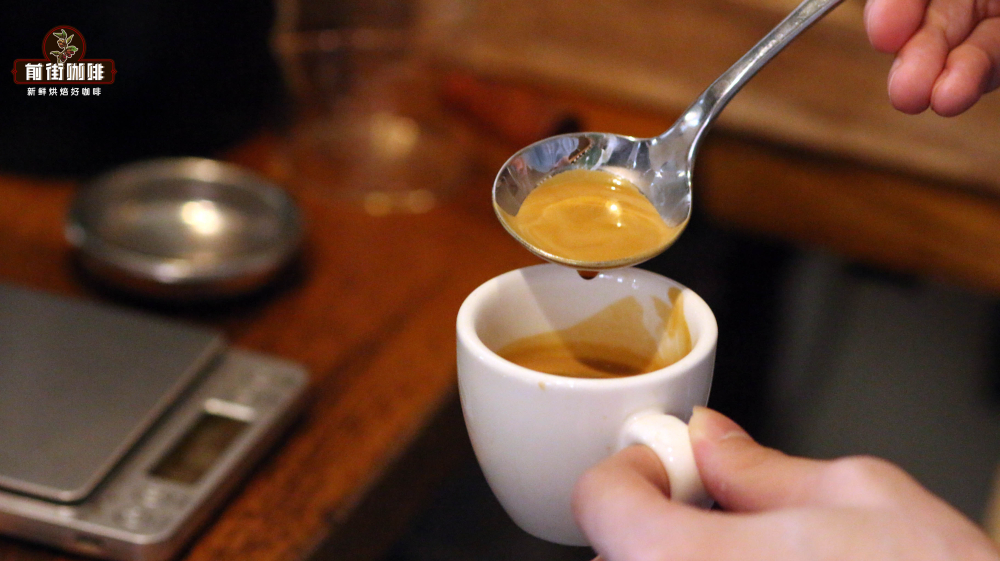
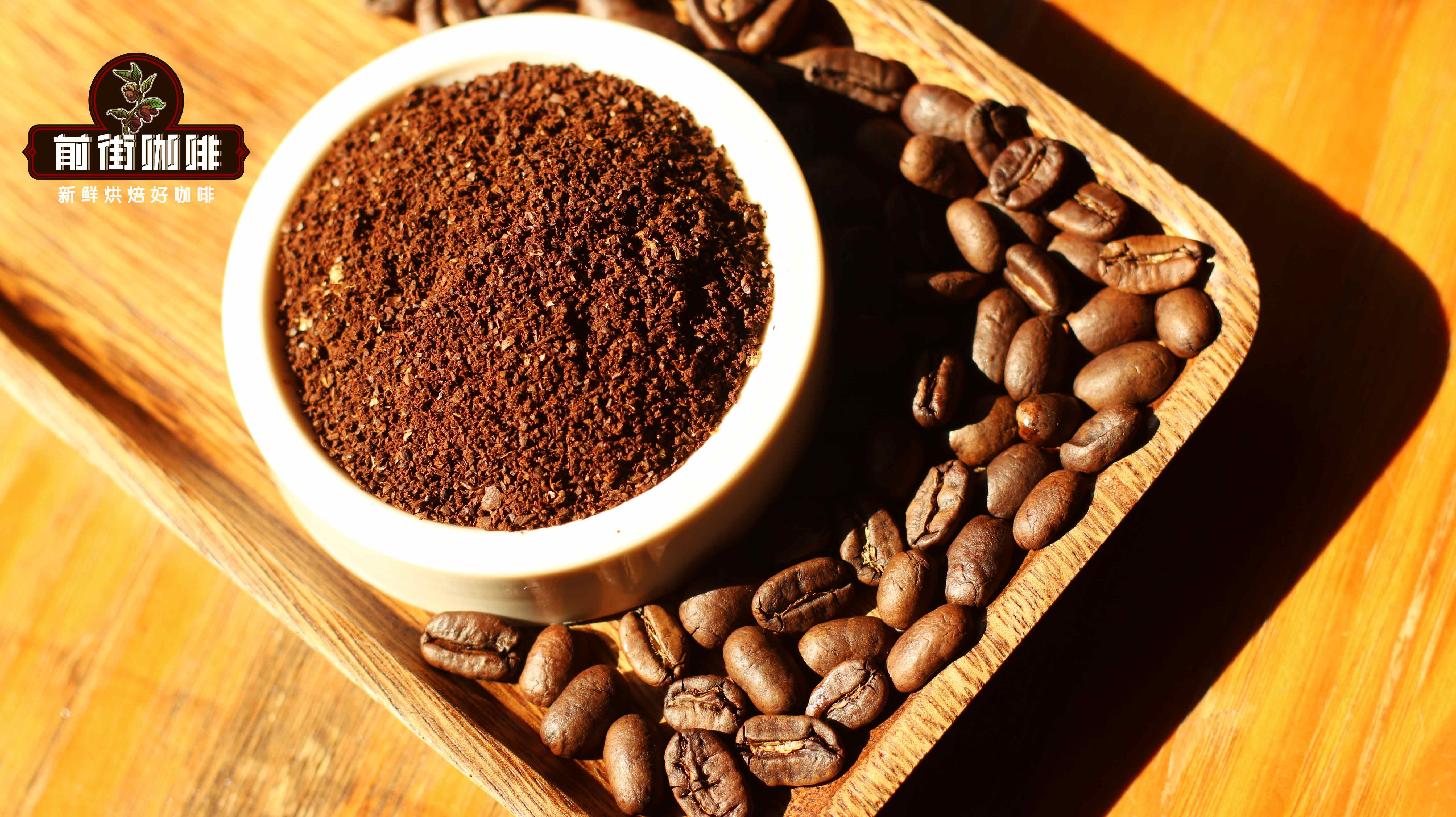
To achieve ideal crema, using freshly roasted medium-to-dark roast beans is crucial because freshly roasted coffee beans still contain a large amount of carbon dioxide, which aids in crema formation. However, be aware that too much carbon dioxide can lead to rough crema, negatively affecting the stability and smoothness of the extraction.
Key Parameters for Extracting Espresso
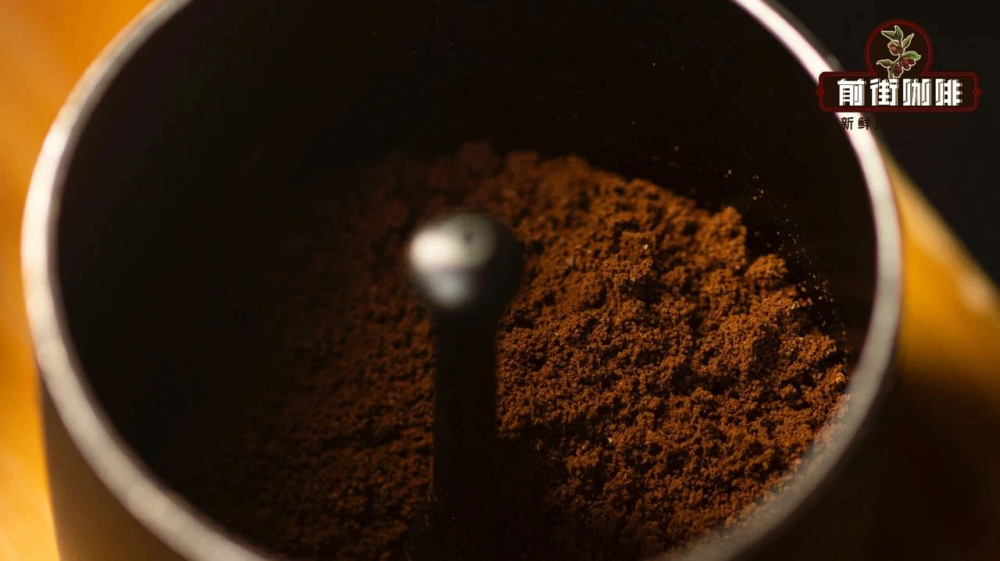
According to the Specialty Coffee Association (SCA), to extract a double shot of espresso (about 30–60 ml), you should use 7–9 grams (around 14–18 grams for a double) of very finely ground coffee. The extraction time should be controlled between 20–30 seconds, the water temperature maintained at 90–96°C, and the pressure kept at 9–10 bar. These parameters can be slightly adjusted based on the roast level, origin, and grind size of the coffee beans.

In practice, many shops optimize based on the characteristics of their own blends. For example, some may use about 19.8 grams of coffee, extracting around 38 grams of coffee liquid in 28–32 seconds to achieve a richer taste and aroma, such as notes of vanilla, berries, wine, and caramel.
The Importance of Freshness and Resting Period
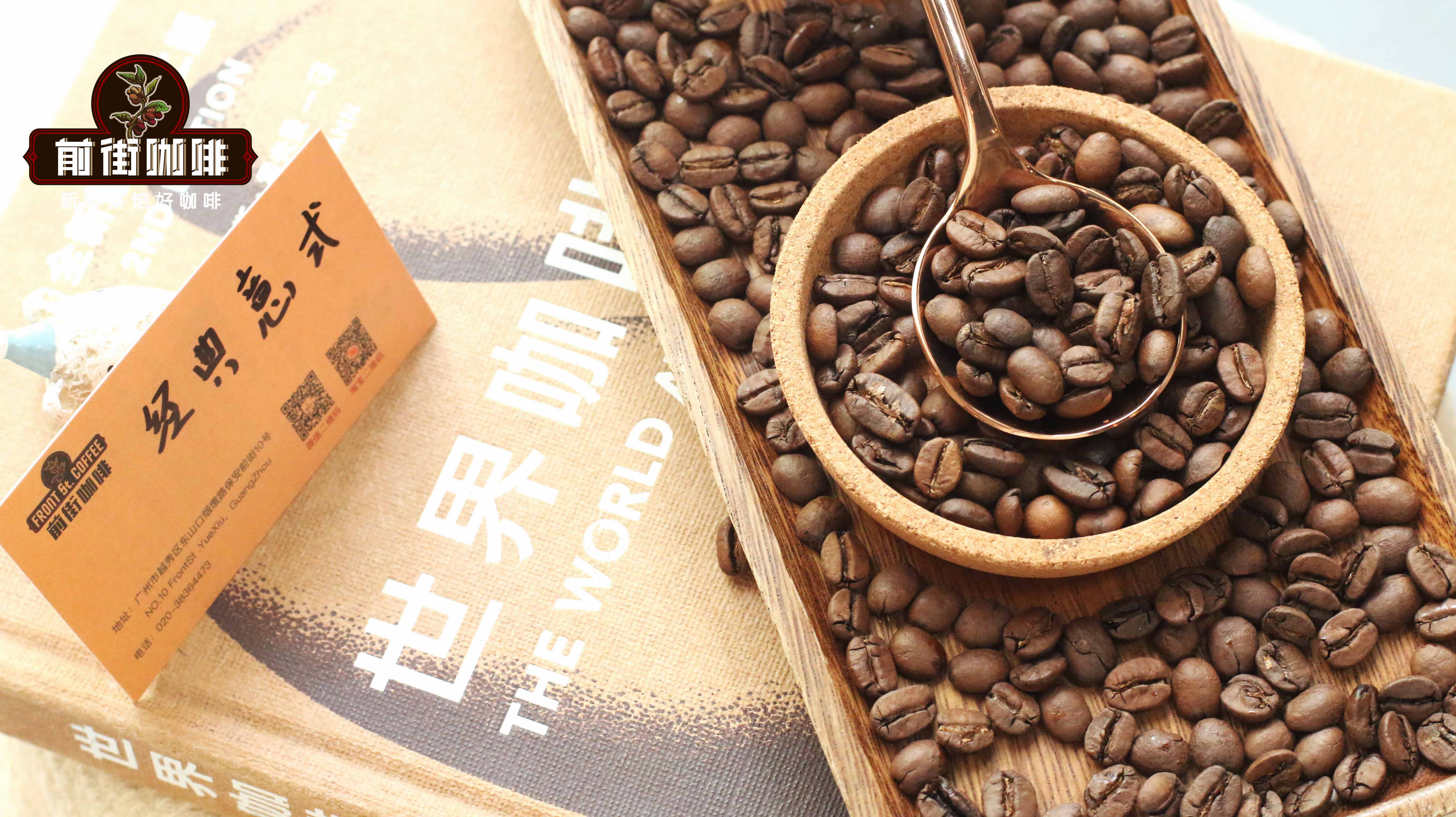
Another key factor in extracting high-quality espresso is the freshness of the coffee beans. Generally, coffee beans continue to release carbon dioxide after roasting, and using them too early can lead to unstable extraction. It is recommended to choose beans that are 5 to 7 days post-roast, allowing the beans to release excess carbon dioxide through the one-way valve on the packaging to achieve a more ideal extraction state.
If using medium-to-dark roast coffee beans, it is suggested to start using them on the 7th day after the roast date. This period is called the “resting period” or 养豆期, which helps stabilize the flavor and improve extraction performance.
How to Properly Drink Espresso
Since espresso is highly concentrated with intense flavors, it is recommended to take a sip of cold water before drinking to cleanse your palate and reset your taste buds. Next, you can gently stir the coffee to evenly mix the crema, body, and heart. Then take three sips: the first to sense the overall flavor, the second to appreciate the rich body, and the third to focus on the aftertaste and lingering notes—fully experiencing the layers and depth of a shot of espresso.
Unlike pour over coffee, the flavor of espresso does not change significantly with temperature, so it is best enjoyed while hot to get the optimal flavor. Additionally, due to its high concentration and strong taste, it is well-suited for those who prefer intense coffee flavors and serves as an essential base for classic coffee drinks like lattes and cappuccinos.
In summary, the charm of espresso lies not only in its bold taste but also in its delicate crema, rich aroma, and multi-layered flavor experience. By mastering extraction parameters, understanding the state of the coffee beans, and learning the correct way to enjoy it, you too can discover your own path to appreciating espresso.
The above content is compiled by CoffeeHunters, a coffee news website.


