








Introduction:Want to understand the correct way to enjoy Espresso and its essence? This article delves into the differences between single and double shots of espresso, their concentration range (9–11%), and how their unique crema and aftertaste flavors come about. From extraction principles to tasting steps, it helps you master a professional-level espresso experience—whether you’re drinking it straight or using it as the base for lattes or cappuccinos, you’ll gain a deeper appreciation for its charm.
Espresso, also known as concentrated coffee, originates from Italy and is renowned for its high concentration and intense flavor. This type of coffee not only serves as the base for many classic coffee drinks such as cappuccino and latte, but is also enjoyed by many for its pure, unadulterated taste. To truly appreciate its allure, start with understanding the difference between single and double shots.
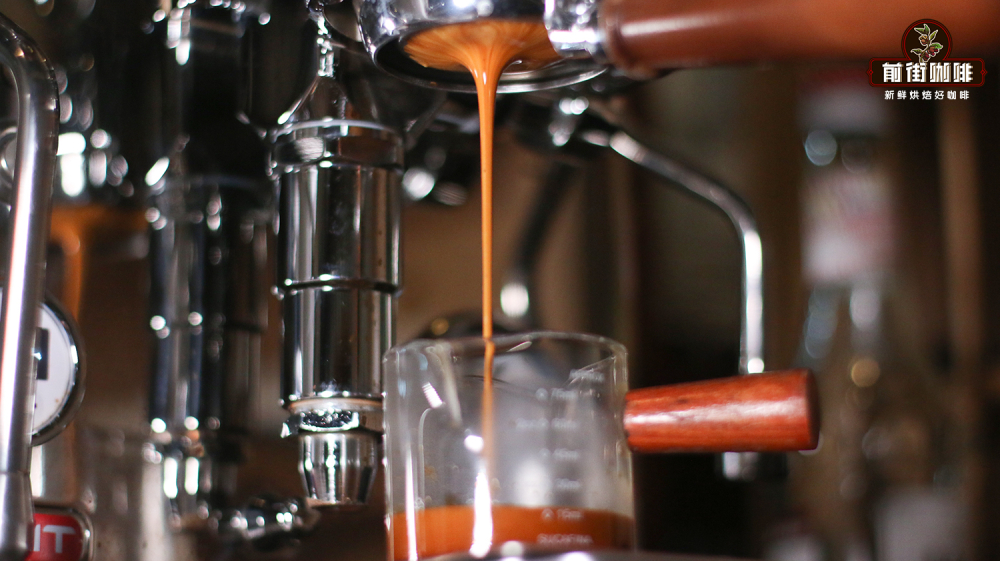
Single ShotEspresso is typically made using about 30 milliliters (1 ounce) of coffee grounds—what is commonly referred to as a “shot” when ordering. If you find this amount insufficient, you can opt forDouble Shot, which is around 60 milliliters (2 ounces). Whether single or double, Espresso is extracted quickly under high pressure (9 bar) using extremely fine grind size, which is why it has such an intense flavor and strong mouthfeel.

According to practical measurements, the coffee concentration of Espresso is roughly between9% and 11%, compared to pour over coffee, which usually has a concentration of only about 1.3%. This difference makes Espresso taste much stronger and more distinctly bitter, which may be challenging for first-timers—but precisely for that reason, it also becomes the starting point for many coffee enthusiasts to explore deeper flavor profiles.
In Italy, Espresso is not just a pick-me-up drink, but a part of daily culture. People often stand at the bar and quickly enjoy a shot, efficiently getting their caffeine fix in no time. As coffee culture has evolved, Espresso has also gradually become the subject of more discussions on flavor and mouthfeel, no longer being seen merely as “dark, bitter coffee.”
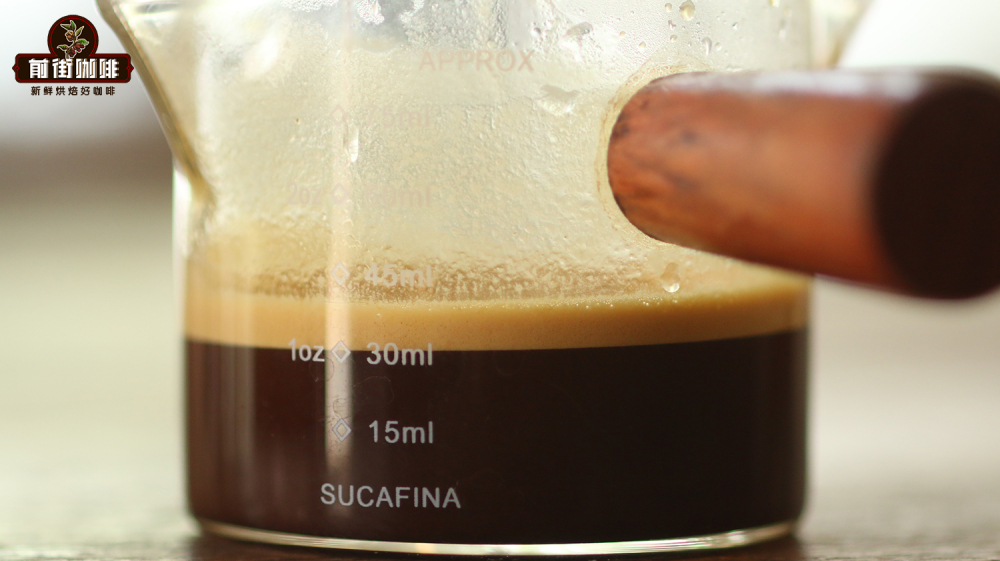
When tasting Espresso, what we focus on is not just the bitterness, but more importantly itsaroma, mouthfeel, aftertaste, cleanliness, and balance. Because Espresso is extracted quickly and served hot, unlike pour over coffee where you can perceive different flavor changes in stages, it places greater emphasis on overall harmony. Cleanliness refers to the absence of off-flavors, astringency, or other unpleasant tastes in the coffee; while balance refers to the harmony among acidity, sweetness, bitterness, body, and other elements.
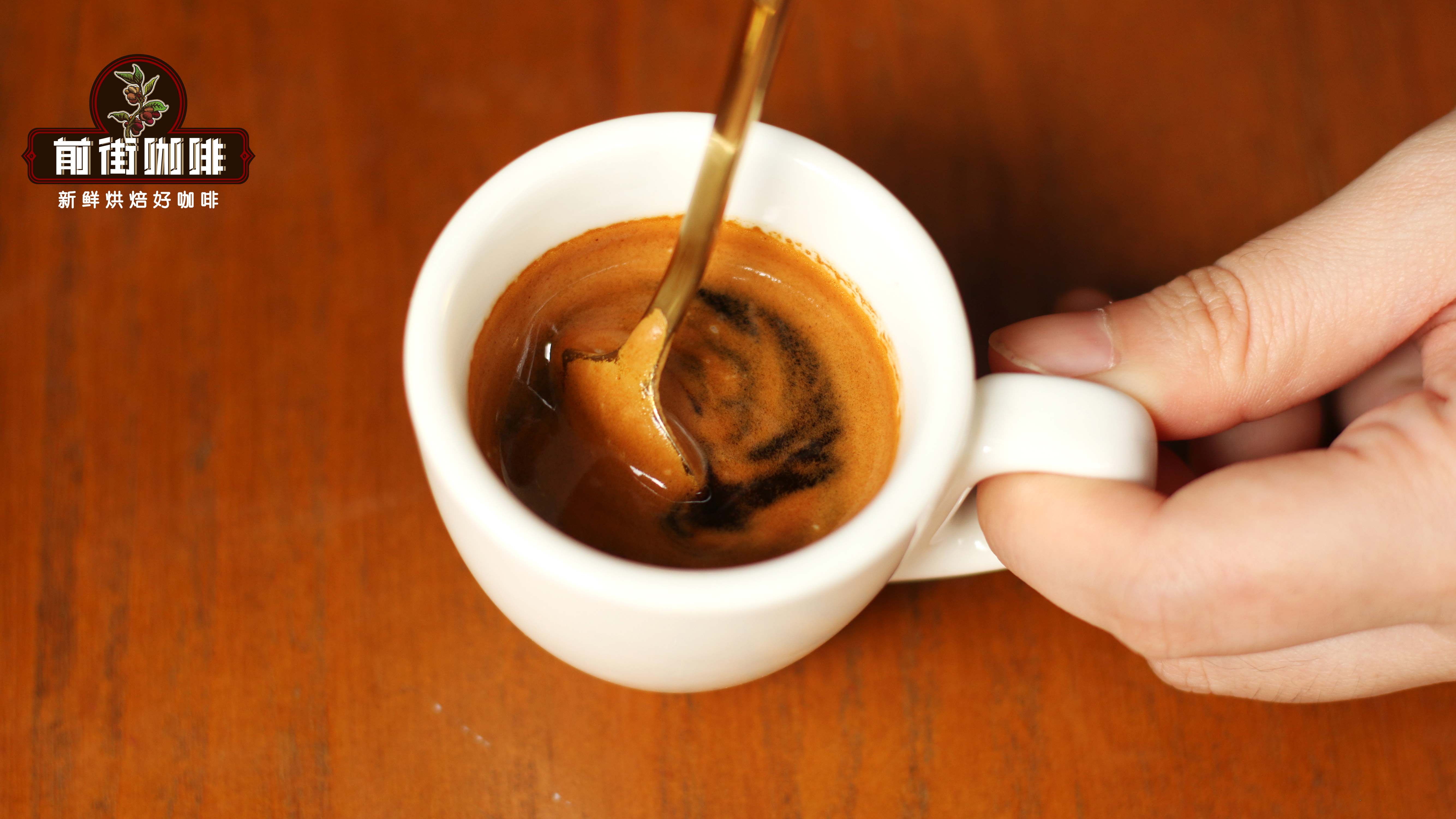
One of the most distinctive features of Espresso is the layer ofCrema (coffee foam)on its surface. This golden-brown foam is formed by the combination of carbon dioxide released under high pressure and coffee oils. When extraction is complete and the pressure returns to normal, the carbon dioxide tries to escape but is trapped by the oils, forming a stable foam layer that floats on top of the liquid. This not only affects the appearance but also plays a significant role in aroma release and mouthfeel.

The aftertaste of Espresso is a sensory experience transmitted through the nasal passage via aromatic molecules released from the oils, catalyzed by saliva. Many people mistakenly believe that coffee flavor is identified solely by the taste buds, but in reality, taste buds can only perceive five basic tastes: sour, sweet, bitter, salty, and umami. The true depth of flavor mostly comes from the combination of aroma and taste. This is also why the aromatic layers of Espresso can evoke rich associations, such as caramel, chocolate, and even fruitiness.
So, how should you properly taste Espresso to fully experience its essence? First, it’s recommended to rinse your mouth with water or ice water before tasting to clear away any lingering flavors and prepare your taste buds for optimal sensitivity. Next, observe the Espresso extraction—typically, the served Espresso will come with a small spoon that can be used to stir the differences in concentration between the bottom and the surface of the cup, making the overall flavor more consistent. Of course, if you want to experience the distinct layers of flavor, you can also choose not to stir and drink it directly.
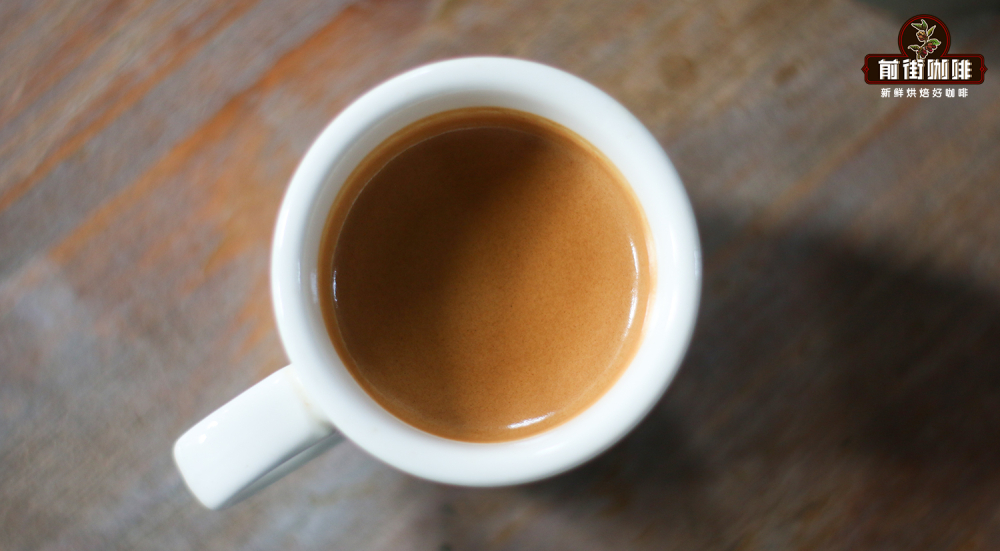
It’s suggested to sip the Espresso in three to four slow mouthfuls, using different parts of your tongue to perceive its flavors: the tip detects sweetness, the sides sense acidity, and the back is more sensitive to bitterness. Through multi-faceted taste experiences, you can more comprehensively evaluate the performance of this cup of coffee. After drinking, gently close your mouth and draw in some air to further perceive its aroma and aftertaste, then finish with a sip of water to refresh your palate and fully enjoy the charm of Espresso.
In summary, Espresso is not just a concentrated cup of coffee—it’s a microcosm of Italian coffee culture and the core of many creative coffee beverages. By understanding the difference between single and double shots, grasping the concentration range, and learning to evaluate based on aroma, mouthfeel, aftertaste, and balance, you’ll be able to more deeply appreciate the subtleties and depth of this “black gold.”
The above content is compiled by CoffeeHunters, a coffee news website.


