








Introduction:Many coffee enthusiasts encounter issues such as poor flavor or abnormal flow rate when extracting espresso after purchasing an espresso machine. This article delves into common mistakes in making espresso at home—from selecting a grinder and tamping techniques to timing the extraction—and provides practical advice to help you achieve a balanced and rich espresso while avoiding pitfalls that can make your coffee bitter or astringent.

With the growing popularity of compact yet high-performance coffee machines, more coffee lovers are attempting to brew espresso at home. However, even with a quality machine, neglecting key details can still prevent you from achieving the desired espresso flavor. Below, we break down several common home brewing issues and offer specific improvement tips.
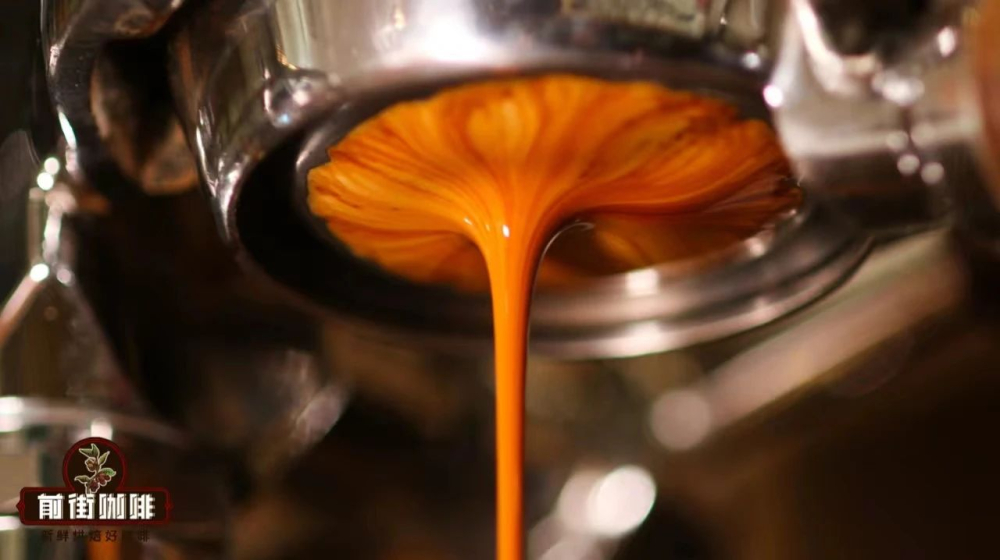
Many beginners assume that owning a top-tier espresso machine alone is enough to automatically brew great coffee. In reality, the quality and freshness of the coffee beans are equally crucial. Some users opt for convenience or cost-saving by purchasing pre-ground espresso instead of grinding their own beans. While this may seem convenient, it often causes you to miss out on the most essential flavors the coffee has to offer.
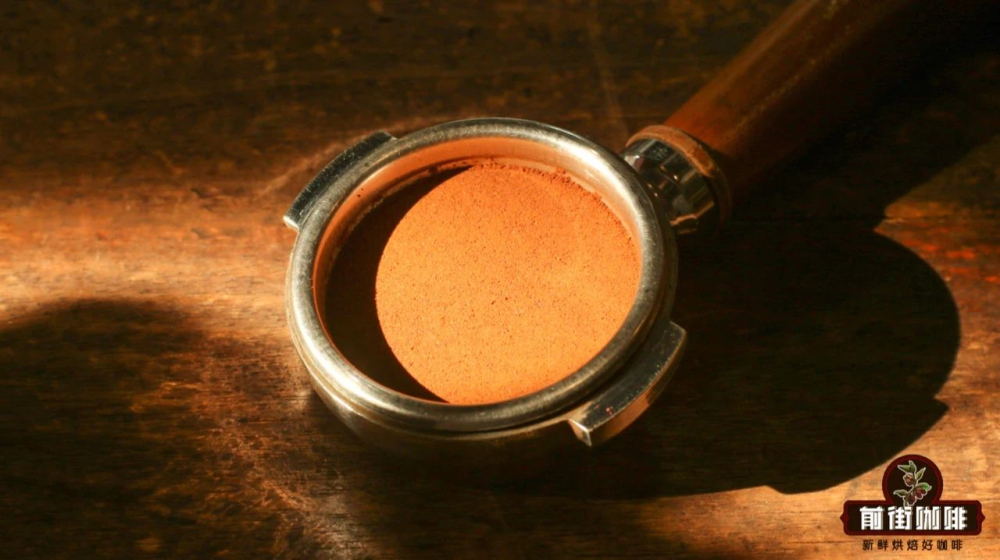
First, once coffee beans are ground into fine powder, their aromatic molecules begin to dissipate rapidly—especially at the extremely fine grind size required for espresso, where flavor loss happens even faster. Most commercially available pre-ground coffee comes in packages ranging from 1 pound to 1 kilogram, making it difficult to finish the coffee before its flavors fully fade, often leading to waste. Additionally, the crema—the signature golden layer on espresso—is formed through the interaction of carbon dioxide and oils within the beans. Once ground, the coffee releases carbon dioxide more quickly, which negatively affects the richness of the crema. Moreover, espresso demands extreme precision in grind size—even professional shops adjust their grinder settings daily. Pre-ground coffee not only might not suit your machine, but also leads to inconsistent extraction parameters due to storage time and environmental variables.
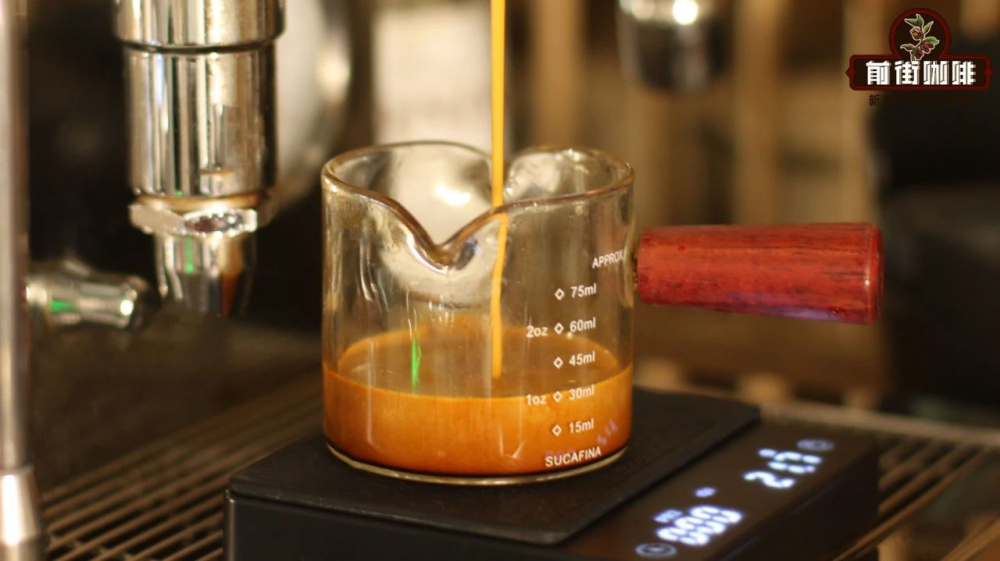
Some readers also ask: if they already have a hand grinder for pour over, can they use it for espresso? In truth, most grinders struggle to meet the extremely fine grind requirements for both pour over and espresso. Take the commonly seen EK43s as an example—even when set to its finest setting, its output is still not fine enough for espresso. Therefore, if you truly want to consistently brew quality espresso at home, investing in a dedicated espresso grinder is absolutely worthwhile.
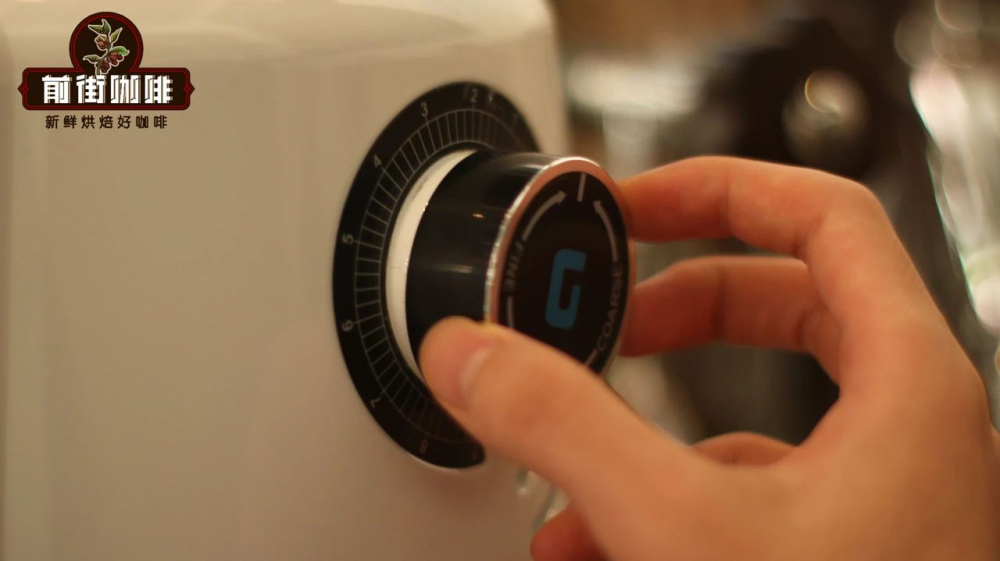
Another common mistake is obsessing over achieving “absolute flatness” of the coffee puck. Many users repeatedly adjust the tamp from side to side in pursuit of a visually perfect flat surface, which often results in uneven density within the puck. This inconsistency can cause channeling—or the formation of “holes”—during extraction, meaning the hot water doesn’t pass uniformly through the coffee bed as intended, disrupting the balance of flavor extraction. In fact, as long as the puck surface is generally level without obvious bumps or dips, you can still achieve good extraction. It’s recommended to complete the tamping in one smooth motion. If the initial pressure is uneven, you should reassess your technique and pressure points rather than repeatedly adjusting. Also, if you find the coffee dose insufficient, the correct approach is to first loosen the already tamped puck, add the needed amount of coffee, and then perform a single, even tamp—avoiding multiple tampings that can compromise the puck structure.
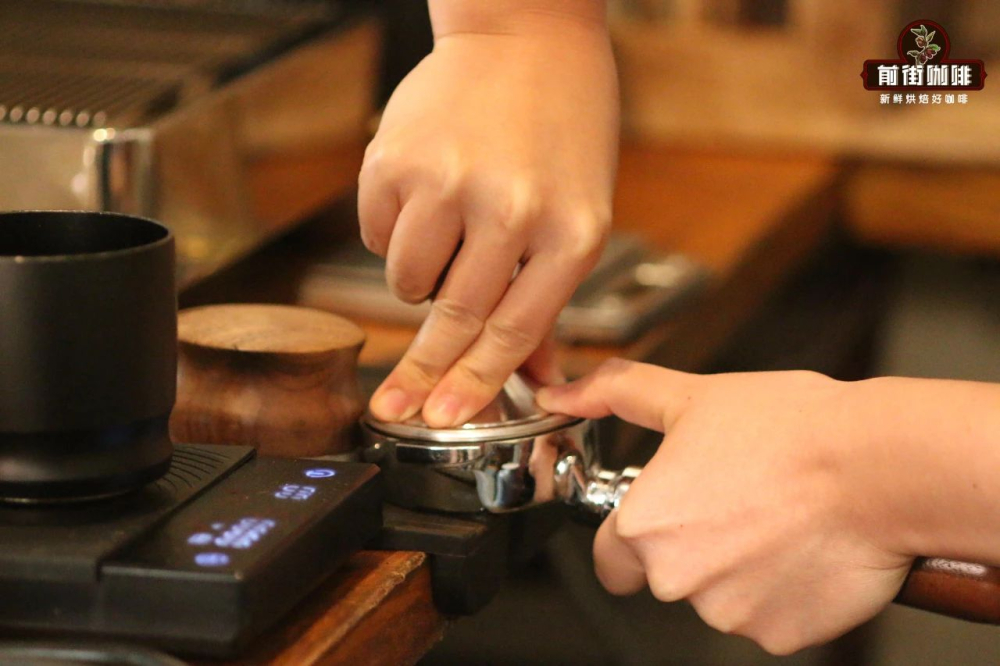
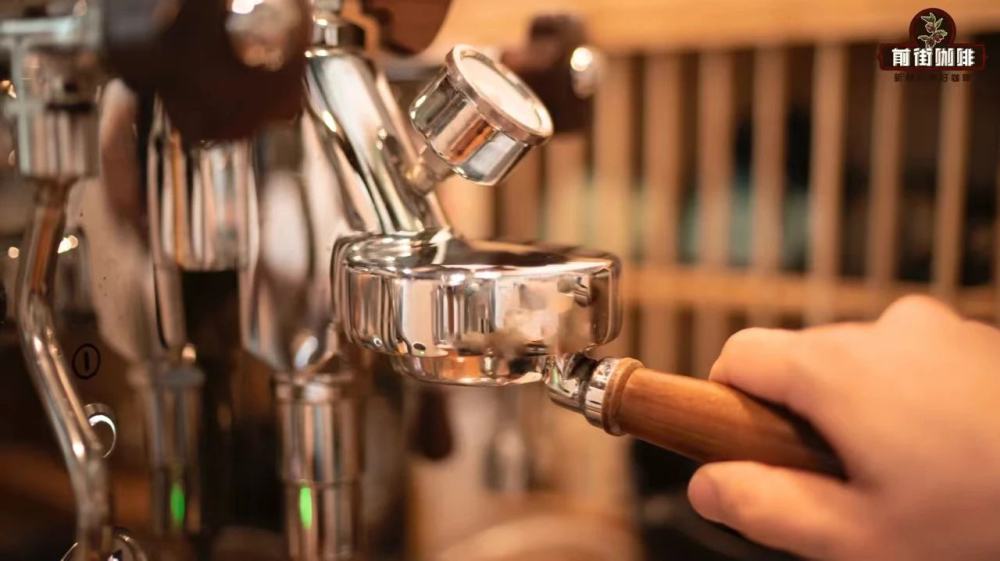
Another easily overlooked step is the wait time after attaching the portafilter to the group head. Some users, before having their cup or scale ready, attach the portafilter to the group head early and delay starting the extraction. Doing so may cause the puck to be preheated and essentially baked by the hot group head environment before water even flows through, leading to the release of excessive burnt and bitter compounds. The correct procedure is to press the extraction button immediately after the portafilter is securely attached to the group head, ensuring the water contacts the coffee grounds right away to avoid unnecessary flavor loss.
The above content is compiled by CoffeeHunters, a coffee news website.


