







Introduction:The Coffee Combo is a popular and creative beverage format in cafes in recent years, achieved by splitting a single shot of espresso to create multiple coffee variations with distinct flavors. But how can you choose the right coffee beans and master the key extraction techniques to ensure each cup delivers its best flavor? This article delves into the characteristics of coffee beans suitable for Combos, including roast level and fermentation processing methods, and provides practical preparation tips to help you craft layered and complex coffee combinations.
Breaking a single shot of espresso into two or three parts, each prepared as a different style of coffee and then combined—this innovative beverage format is theCoffee Combothat has been trending in cafes lately. This approach not only allows customers to enjoy a variety of flavor profiles derived from the same coffee bean in one go, but also the smaller serving sizes reduce the sense of fullness, making it widely popular.
Although the principle may seem simple—splitting an espresso shot and pairing it with varying milk ratios or serving it straight—the actual process often leads to flavor imbalances: some cups too bitter, others dull, or lacking in aroma. Many coffee enthusiasts turn to online shopping platforms for advice on bean selection, but the key actually lies in understanding the characteristics of the coffee beans and how they pair with extraction parameters.
 Technically, all coffee beans can be used to make Combos, since it is fundamentally an extended application of espresso. However, if you're aiming for pronounced aromatic characteristics and memorable profiles, bean selection becomes a more nuanced matter. Ideal beans for Combos need to meet two key criteria:a moderate roast levelanddeep fermentation processing,both of which directly influence the complexity and clarity of the final flavor profile.
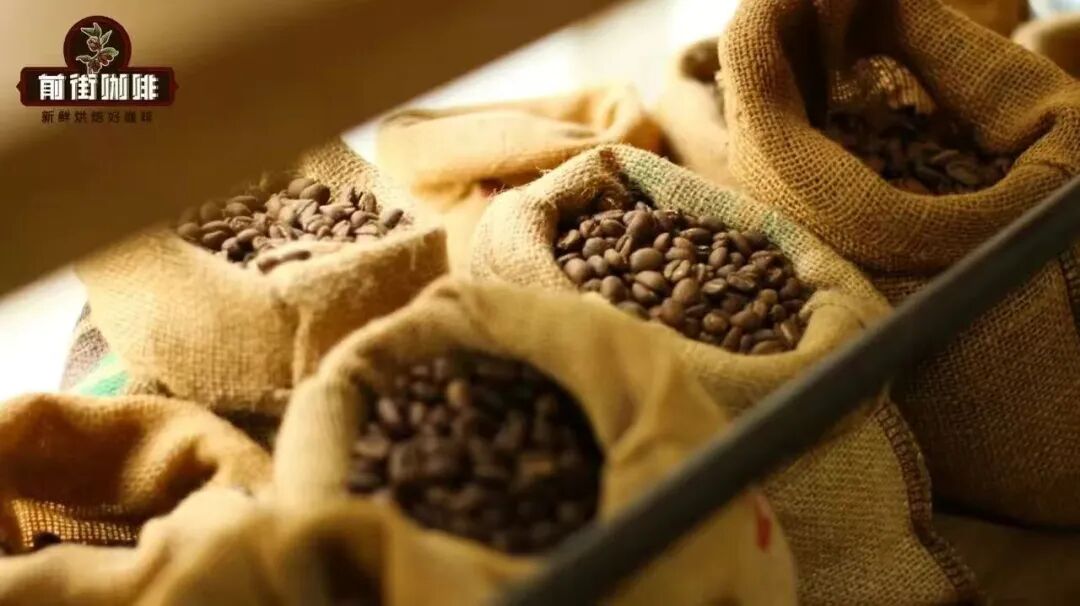 Let’s first discuss roast level. To achieve a Coffee Combo with vibrant aromas and clear flavor notes,avoid using extremely dark roasted beans.Overly dark roasts produce a high amount of roasted and carbonized compounds, and the heavy charred notes can easily mask the inherent flavor characteristics of the coffee (note that dark roasts are not inherently good or bad—they are simply less suitable for this particular application).
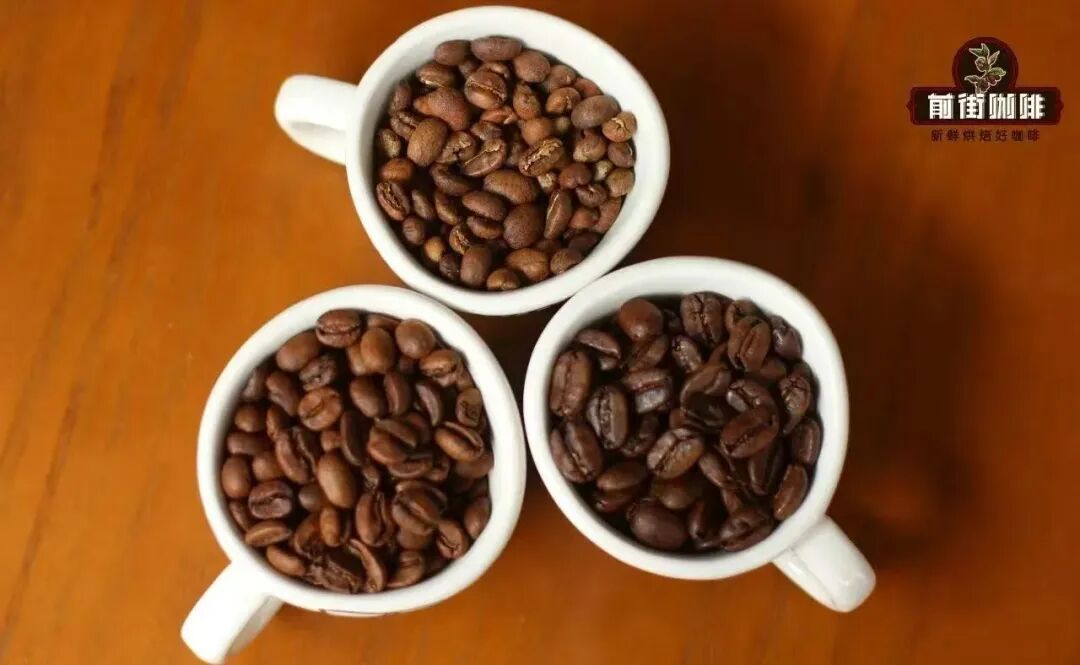 Conversely, beans roasted too lightly may lack sufficient caramelization, resulting in a flat sweetness and overly prominent acidity. When paired with milk, their flavors can be easily overshadowed, leading to thin-tasting milk coffees.
 In practice, it is recommended to use beans with amedium-light to medium roast,as this range balances flavor clarity with a solid sweetness backbone, making them versatile for pairing with various flavor bases.
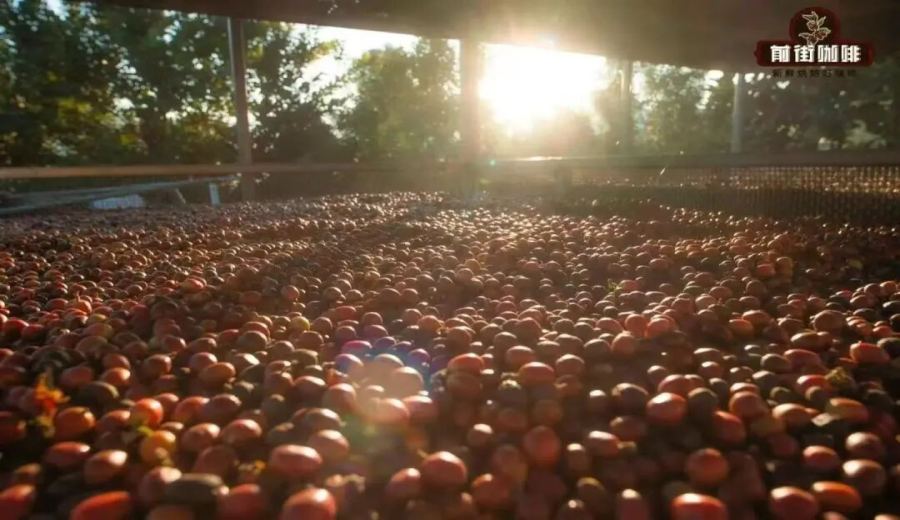
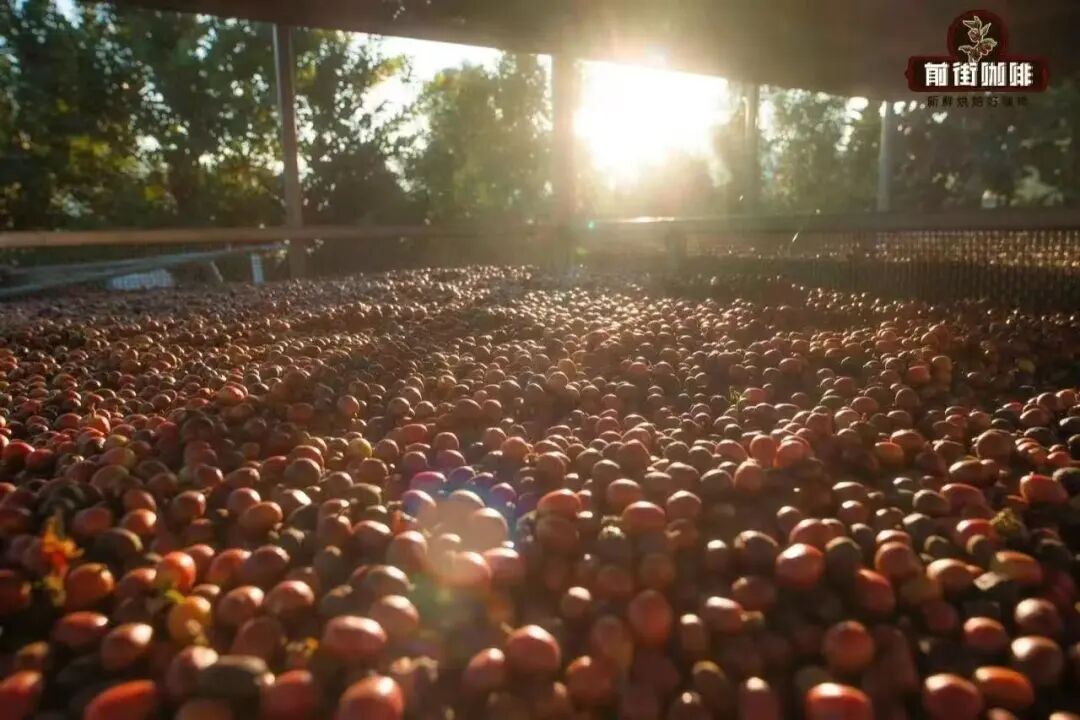 The second key factor is the fermentation processing method. If you want your Combo to have distinctive and memorable flavor notes, you may want to prioritizebeans with deep fermentation processing,such as natural (sun-dried), anaerobic, or honey processes. These techniques promote internal transformation of bean compounds, producing a richer array of aromatic compounds. Practical experience shows that moderate fermentation enhances fruity notes like mango and citrus while adding complexity to the overall flavor profile.
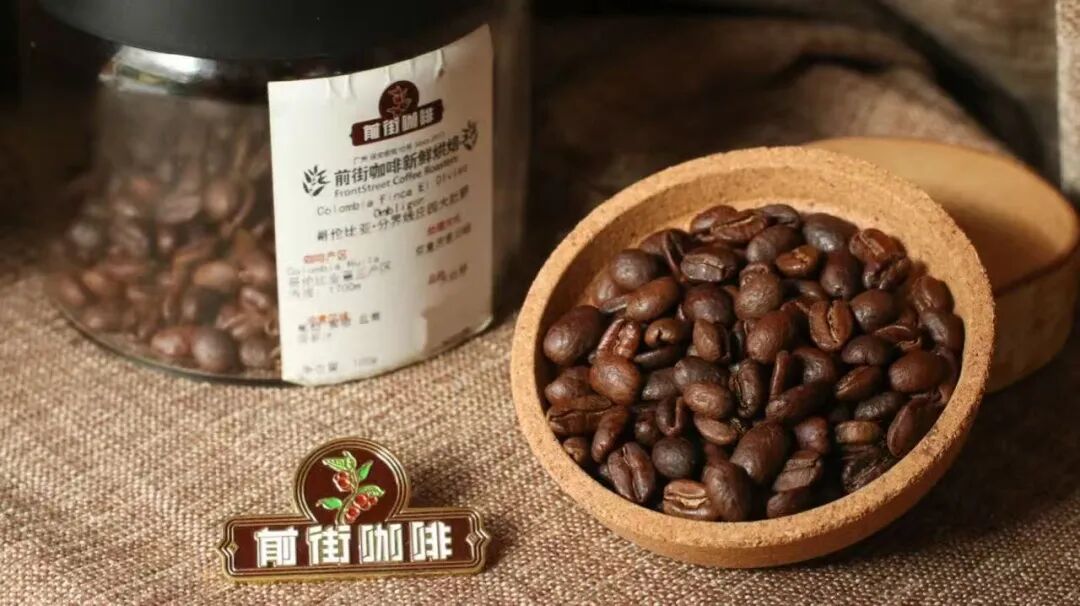
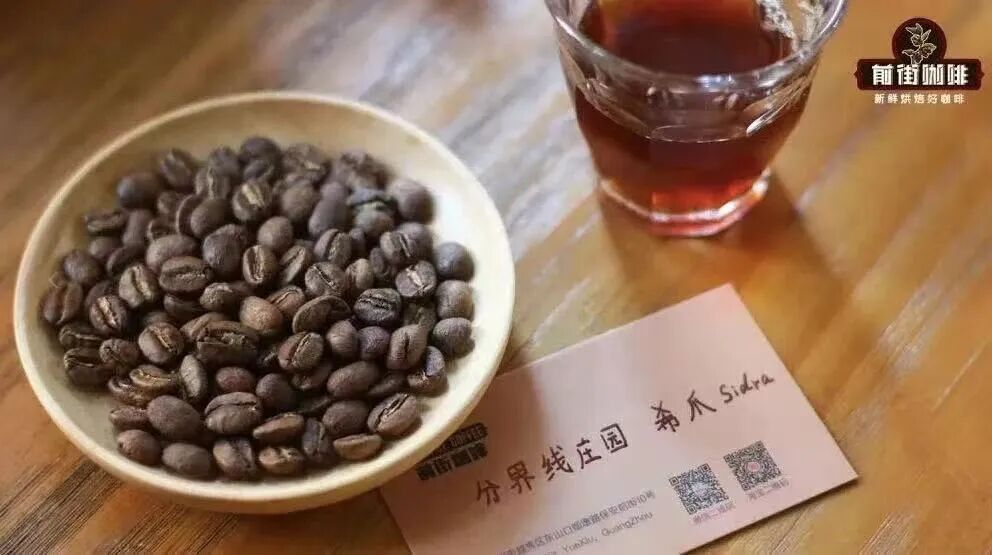 Practical bean examples that meet the above criteria include: Ethiopian beans from the Alo region, which exhibit tropical fruit notes such as mango and pineapple; the Frontier Line Estate’s Geisha, known for its fresh acidity with grape and passionfruit highlights; and Gesha blend series, which often present notes of strawberry taffy and white floral aromas. These cases all demonstrate the synergistic effect of medium-light roasting paired with special processing methods.
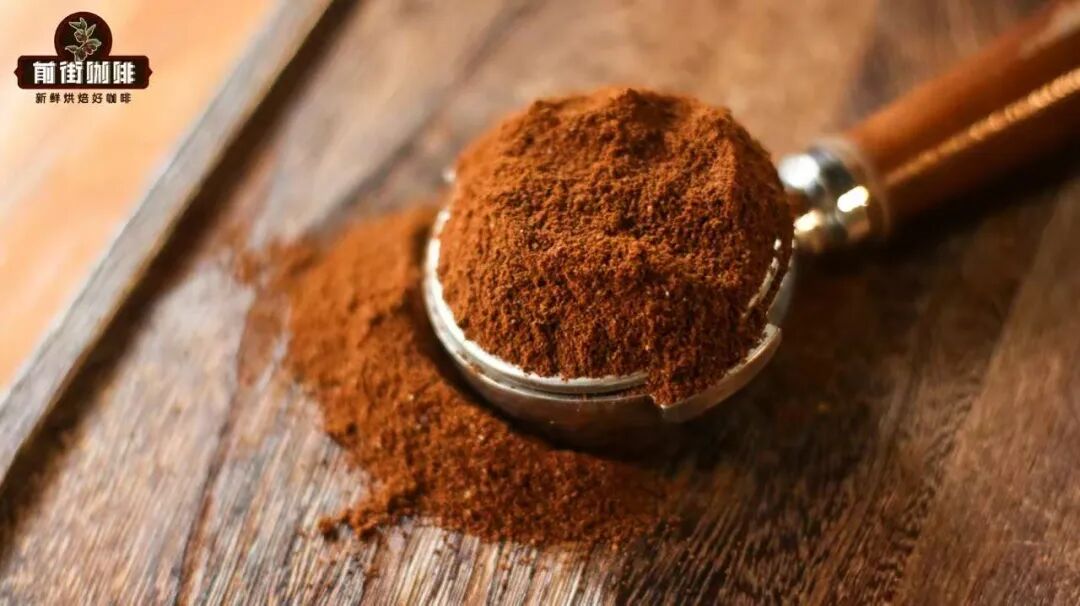 When actually making a Coffee Combo, there are three key technical points to consider: first isdose adjustment.Since a single espresso shot needs to be divided into multiple cups, it is recommended to increase the coffee dose by 10–15% compared to your usual amount (this can be adjusted flexibly at home) to ensure each cup has enough extracted liquid. Maintain a standard extraction ratio of 1:2 (coffee to water) as a baseline to avoid under-extraction due to divided pours.
Second isespresso quality verification.. Professional cafes often test the suitability of their espresso shots at the start of each day—especially for milk-based Combo drinks. If the original espresso has overly high acidity or lacks sweetness, extending the extraction time by an additional 3–5 seconds to slightly increase the shot volume (roughly boosting total yield by 10–15%) can improve the balance between bitterness and sweetness. This step is especially crucial for milk coffees like lattes to avoid watery textures or flavor gaps.
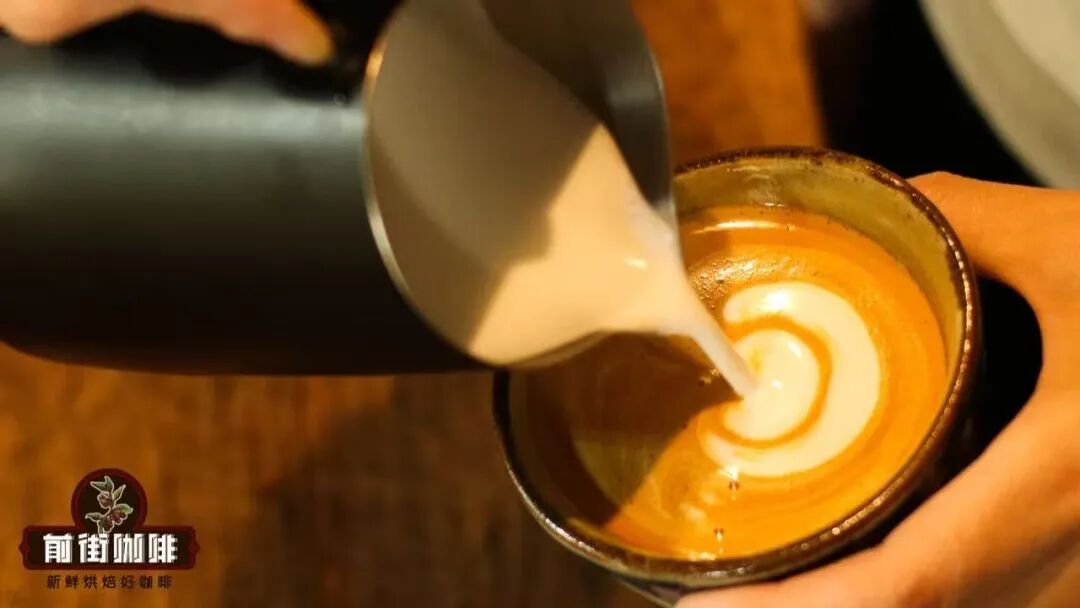
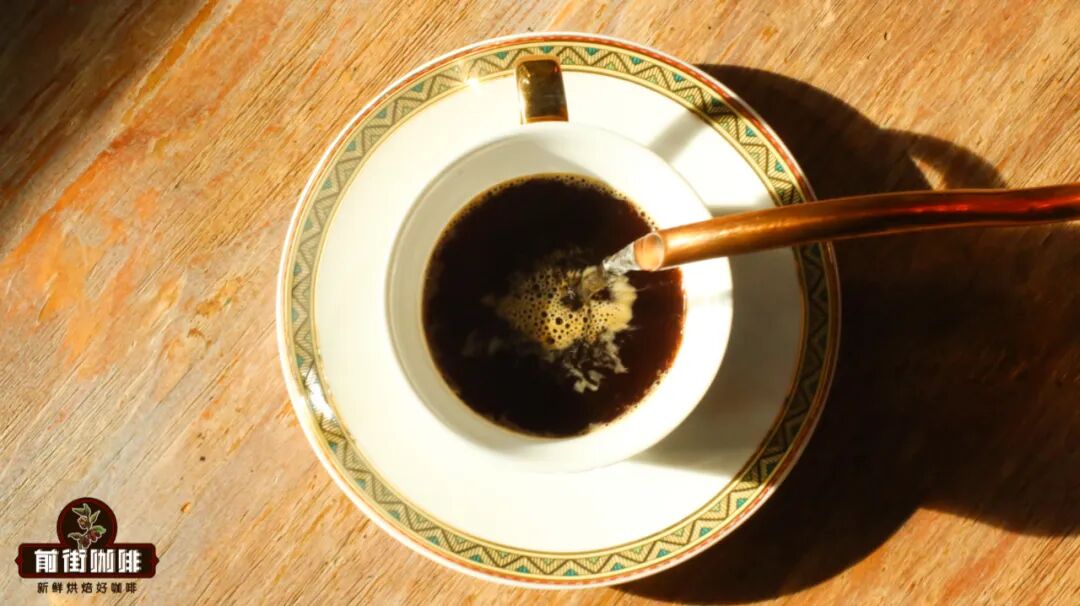
Finally, pay attention toingredient ratio adjustments..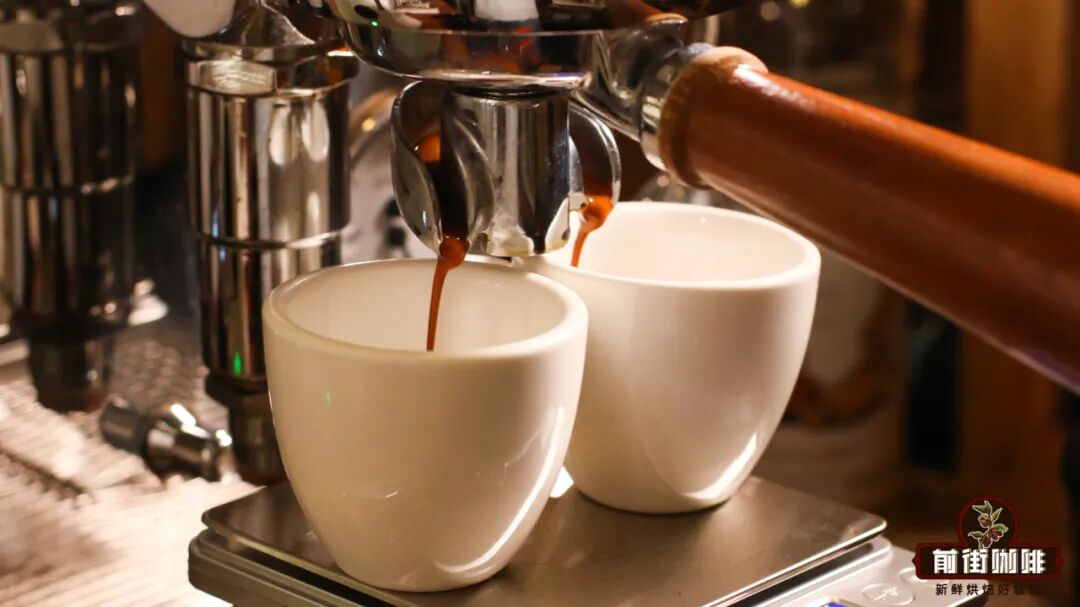 Since Combos typically use medium-light roasted beans with relatively lighter flavor intensity, it is advisable to moderately increase the proportion of coffee: for Americano-style Combos, you might adjust the coffee-to-water ratio slightly to 1:15 (originally 1:16–1:17); for latte-style drinks, adjust the milk ratio to 1:4 to 1:4.5 (traditional recipes often use 1:5).
 For example, a classic medium-dark roast blend latte might use a 1:5 ratio (40ml espresso + 200ml milk), while a Combo latte using the same roast level of Geisha beans might instead use 40ml espresso with 160–180ml milk to maintain flavor clarity.
 In summary, successful Coffee Combos rely on three core elements: suitable medium-light roasted beans, deep fermentation processing, and precise control of extraction parameters. Although this article provides specific reference ranges, real-world application still requires fine-tuning based on bean characteristics, equipment conditions, and customer preferences. Through continuous experimentation, you can find the optimal balance point.
The above content is compiled by CoffeeHunters, a coffee news website.

