







Introduction:Espresso is often perceived as bitter and hard to drink, but this is usually due to certain missteps during the brewing process. This article will delve into the evolution and working principles of espresso machines, guiding you through the technological advancements from the first-generation machines to modern semi-automatic equipment. We’ll also break down the nine key factors that influence espresso flavor—including water pressure, grind size, tamping, and extraction time—to help you master professional-level extraction techniques.
The first impression of espresso is often intense, even bitter, but this is usually due to minor deviations during the brewing process. Many assume that simply adding coffee grounds to the machine and pressing a button is enough, yet crafting a balanced and flavorful espresso involves a wealth of expertise and skill.
Looking back in history, the first commercial espresso machine was born around 1905, when Desiderio Pavoni acquired the patent and launched a model called the Ideale. The extraction parameters of this machine were quite different from today’s: it used water at a scorching 140°C, with just 7.5 bar of pressure, and took about 45 seconds to brew. In contrast, modern standard espresso typically uses hot water at around 92°C, extracted quickly under 9 bar of high pressure, resulting in its signature intense flavor and rich crema.
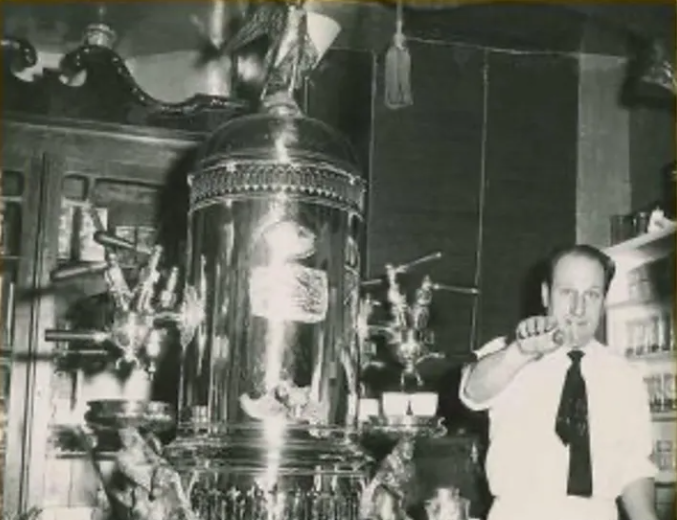
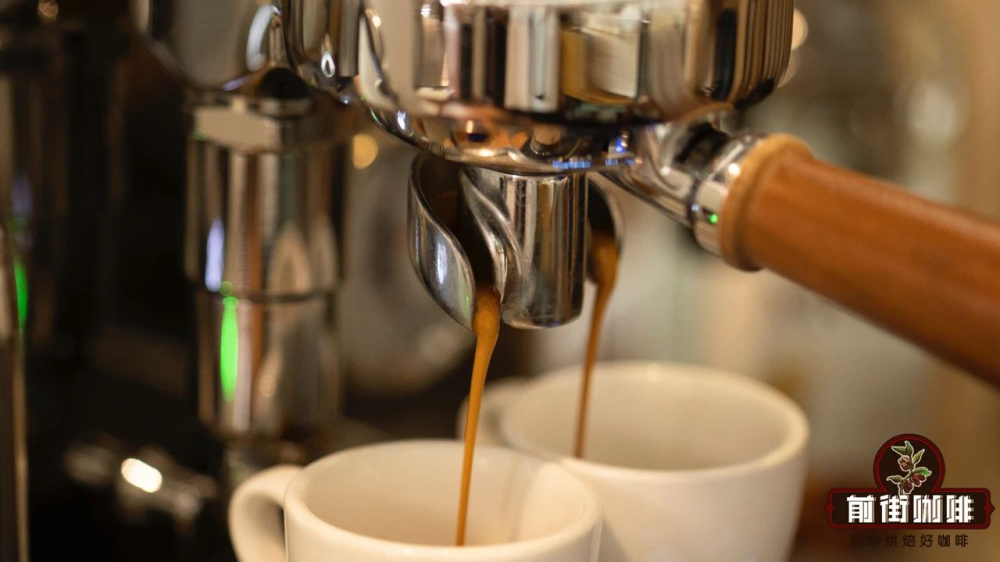
The operation principle of modern espresso machines involves forcing high-pressure water through a finely ground puck of coffee, extracting the essence of the beans under 9 bar of pressure. This pressure not only quickly extracts flavors but also pushes the fine foam on the surface of the coffee—commonly known as “crema”—to the top of the liquid. Early machines, operating at only 7.5 bar, struggled to form a thick and stable crema layer, resulting in a noticeably different flavor profile compared to modern coffee.
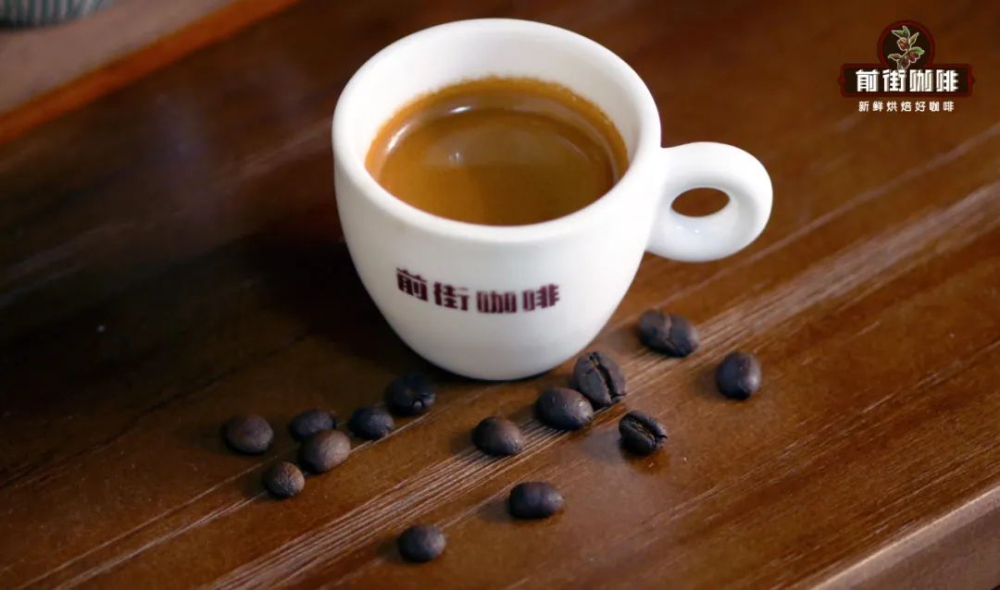
With technological advancement, the manually pressurized machines that emerged in 1947 further improved the extraction rate of crema and emulsified oils, making crema an important indicator of espresso quality. Meanwhile, the Faema E61, introduced in 1961, is hailed as the ancestor of modern espresso machines and the world’s first semi-automatic machine, exerting a profound influence on coffee preparation today.
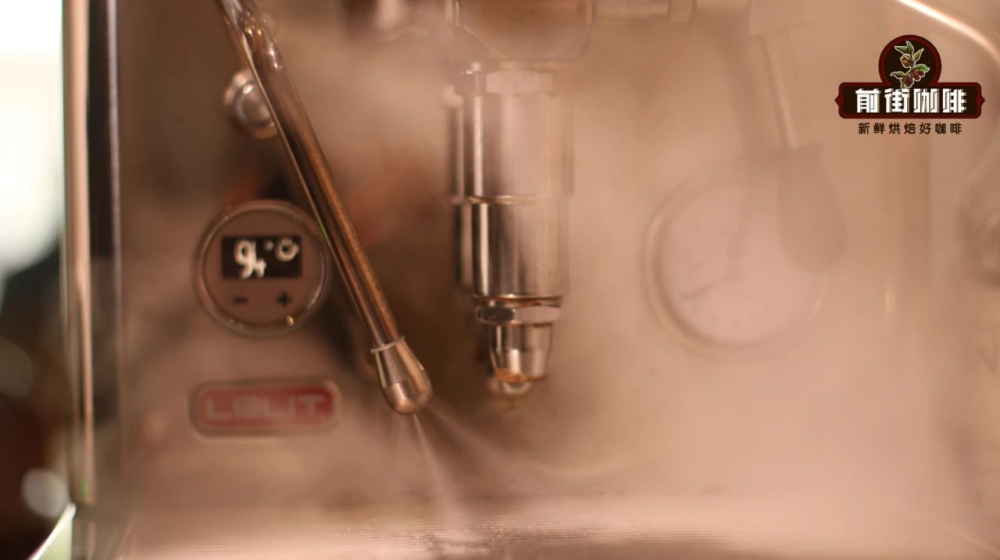
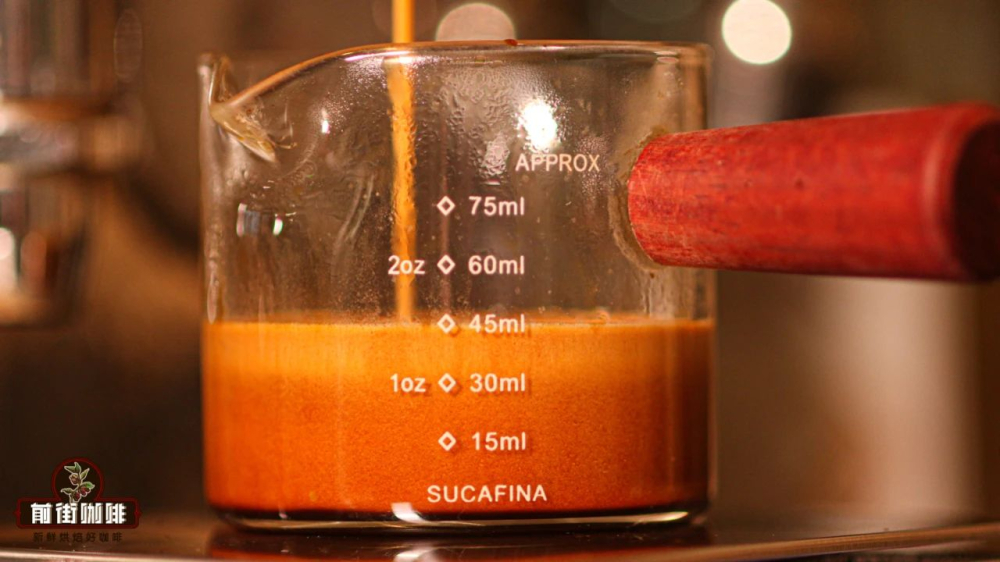
In practical operation, taking the Lelite V3 espresso machine as an example, the recommended extraction parameters are: water temperature controlled between 90.5–96°C, extraction time maintained between 25–33 seconds, a coffee-to-water ratio of 1:1.7 to 1:2, using about 20 grams of coffee grounds to extract 20 milliliters (single shot) or 40 milliliters (double shot) of espresso. These parameters are suitable for most dark roasted blends, highlighting a rich aroma and delicate texture, and are also excellent as a base for Americano or paired with milk for drinks like lattes.
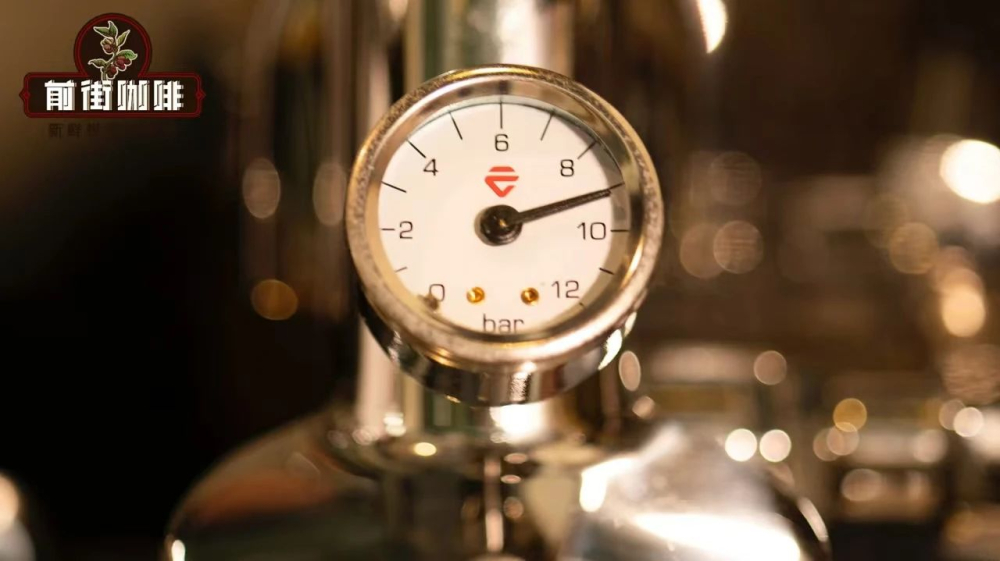
However, to consistently pull high-quality espresso, you need to balance the following nine key factors. The first is water pressure; the ideal extraction pressure is 9 bar, widely recognized as the golden standard that balances extraction efficiency and flavor expression.
The next factor is boiler pressure, which directly affects water temperature and steam strength. Typically, boiler pressure is around 1 bar, but actual values may vary depending on the machine model and design, influencing overall performance during extraction.
Water temperature setting is equally critical; the generally recommended range is 90–92°C, though adjustments can be made based on bean variety, roast level, and personal flavor preferences to highlight different aromatic characteristics.
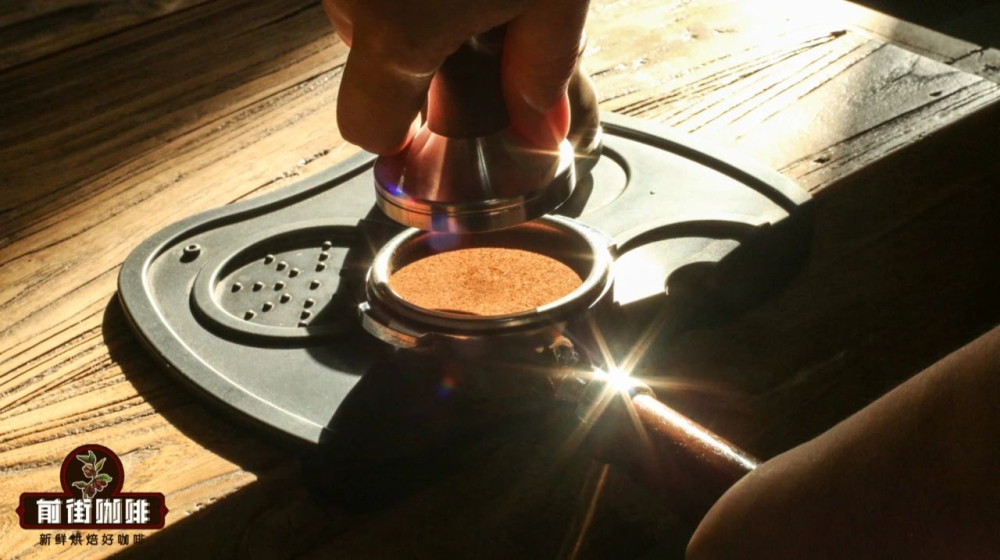
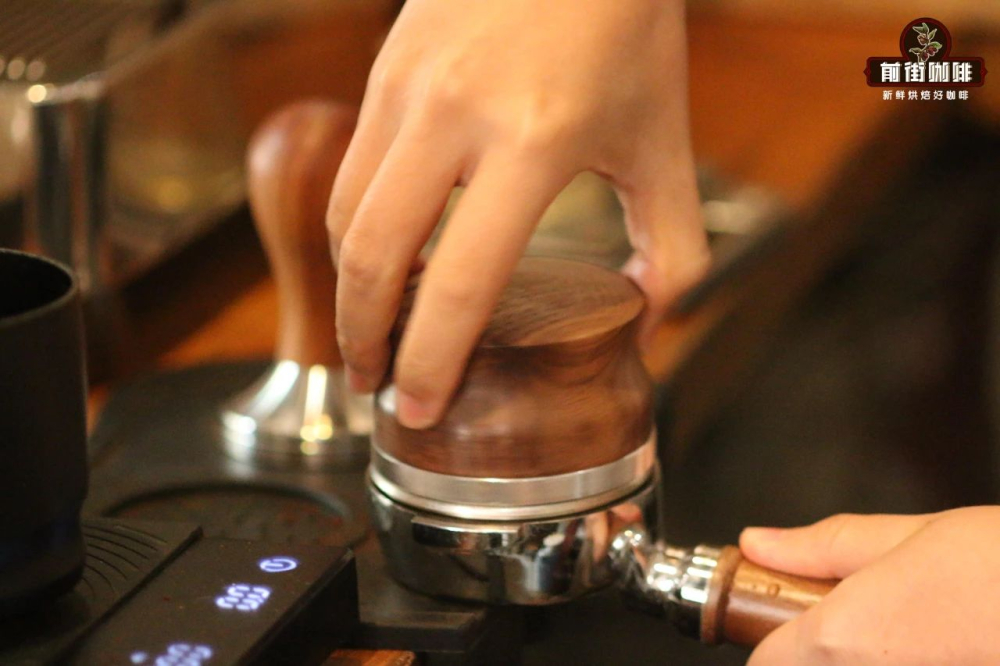
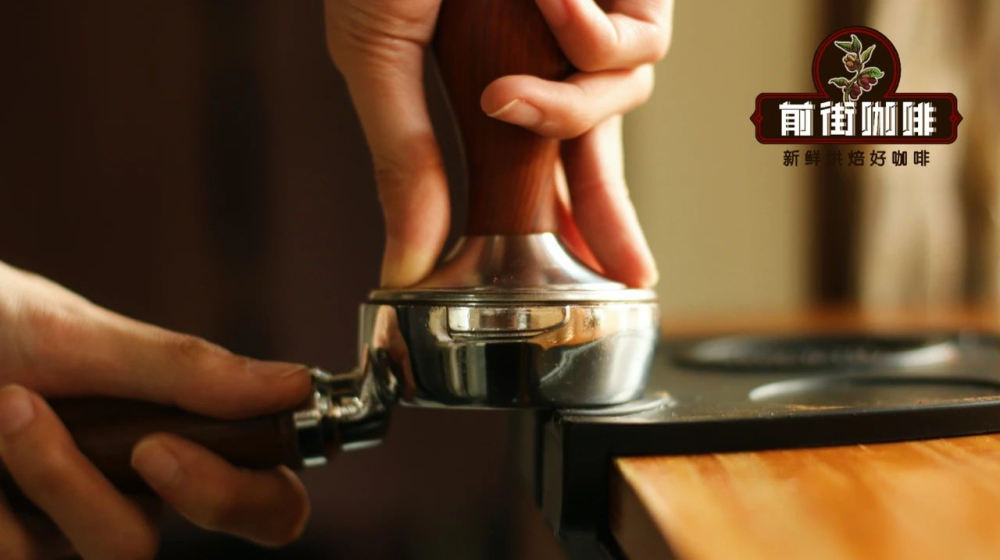
The uniformity of tamping pressure affects how quickly and evenly water flows through the coffee puck. Although modern pre-set pressure tampers provide consistent force, manual distribution and tamping still require skill to ensure a compact, hole-free coffee bed.
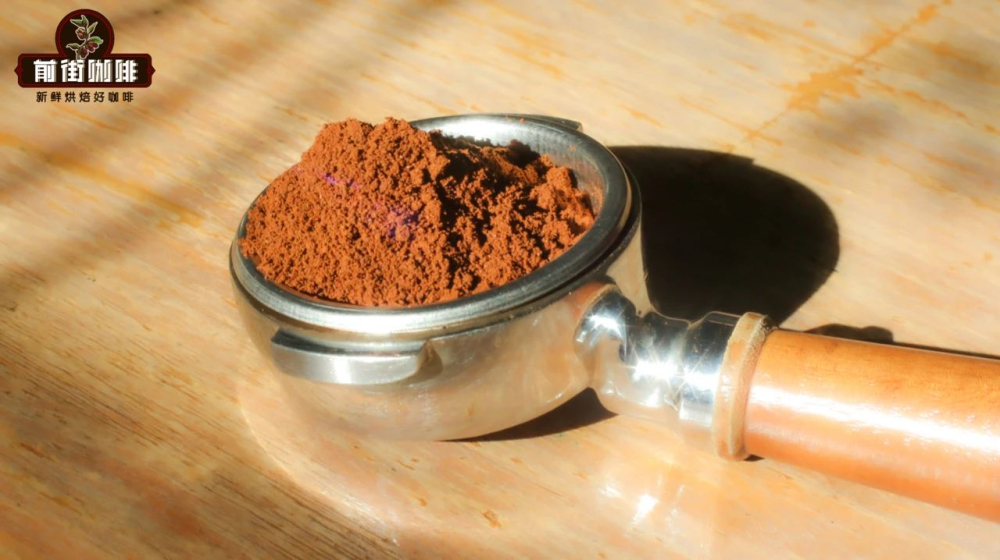
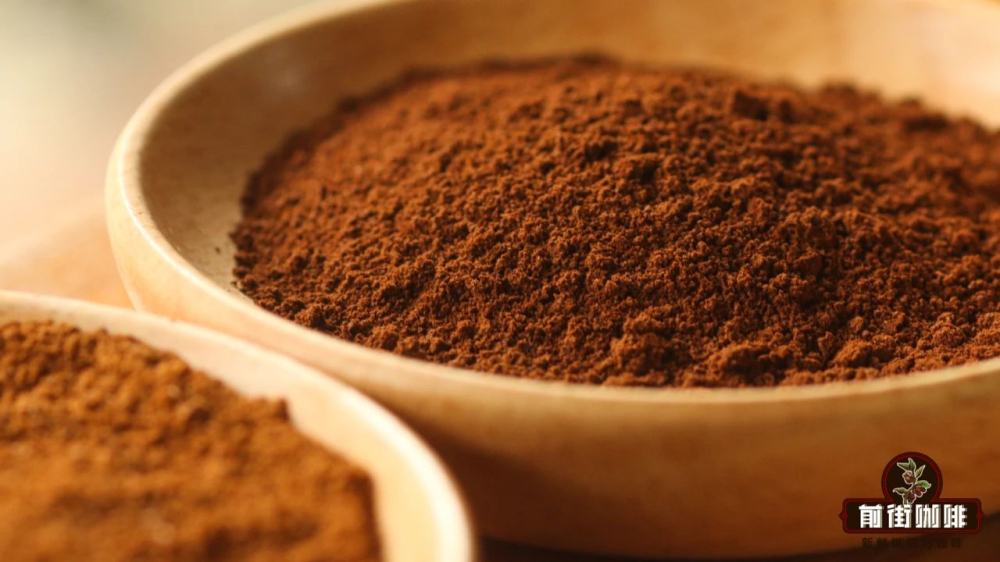
The grind size of coffee beans needs to be flexibly adjusted based on multiple variables, including climate, bean freshness, and grinder condition. As the industry saying goes, “The correct grind size is always changing; the mistake is in keeping it the same,” highlighting its adaptability and importance.
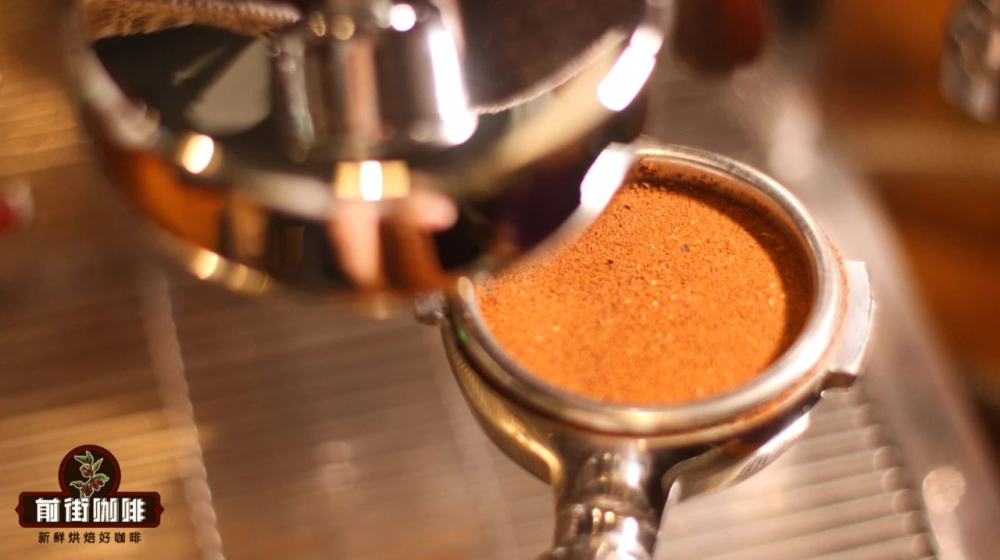
The amount of coffee used must also match the capacity of the portafilter basket. Too little may lead to under-extraction, while too much can cause over-extraction due to an overly dense puck. For a 20-gram basket, filling it with 20 grams of coffee is a common standard, helping to control extraction time and maintain flavor balance.
Extraction time is generally recommended to be kept within 25–33 seconds, as this range allows for a balanced extraction of the coffee’s acidity, sweetness, and bitterness—but adjustments may be needed based on actual conditions.
The coffee-to-water ratio is another crucial parameter that determines the strength and body of the espresso. The common 1:2 ratio (e.g., 20 grams of coffee yielding 40 milliliters of espresso) offers a rich mouthfeel, but can be adjusted as needed to bring out different flavor layers.
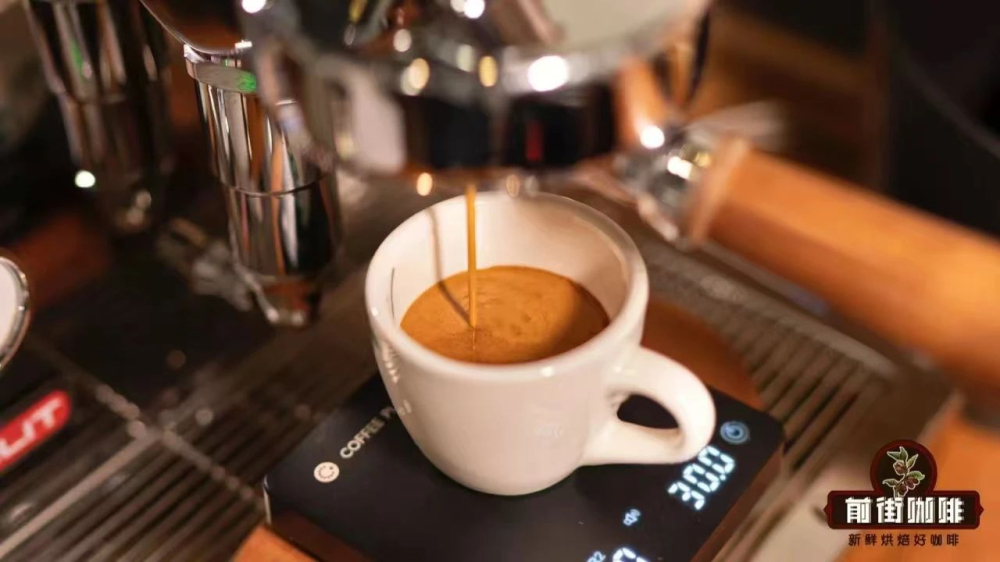
Finally, the texture and color of the crema serve as直观 indicators of a successful extraction. Ideal crema should be golden to amber in color, fine-textured, and long-lasting—not only affecting visual appeal, but also reflecting the beans’ freshness, roast level, and overall extraction quality.
The above content is compiled by CoffeeHunters, a coffee news website.


