







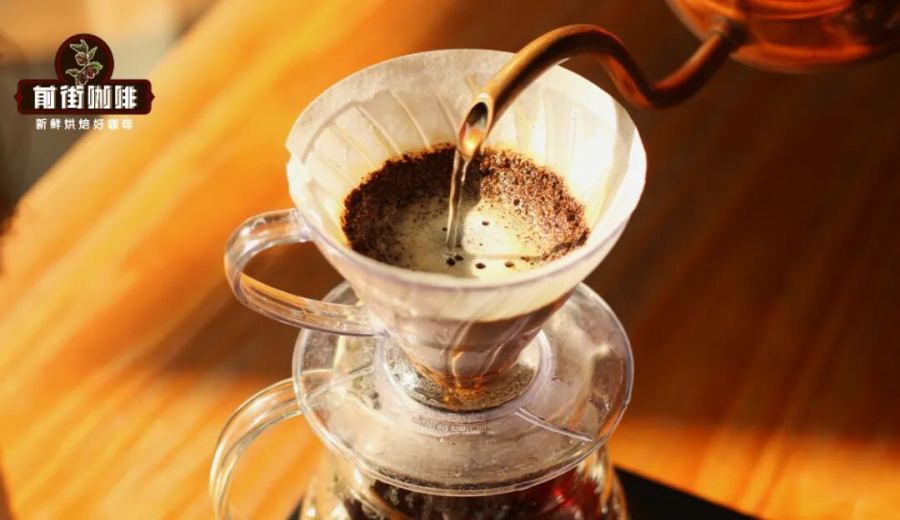
Introduction:The charm of pour over coffee lies in its flexible parameter adjustments to optimize flavor. Pulsed pouring is a practical technique that enhances extraction stability. By controlling the pouring rhythm and water distribution, it can effectively improve the evenness of coffee extraction, reduce the impact of bypass water, and accentuate specific flavor characteristics. This article will delve into the principles, applicable scenarios, and operational details of pulsed pouring, helping you adjust your strategy based on the characteristics of the coffee beans.
One reason why pour over coffee is so beloved by enthusiasts is its controllability. By adjusting the pouring method, we can precisely influence the extraction efficiency and flavor expression of the coffee. Among these, pulsed pouring is a widely used and highly effective technique that can significantly elevate the overall performance of the coffee.
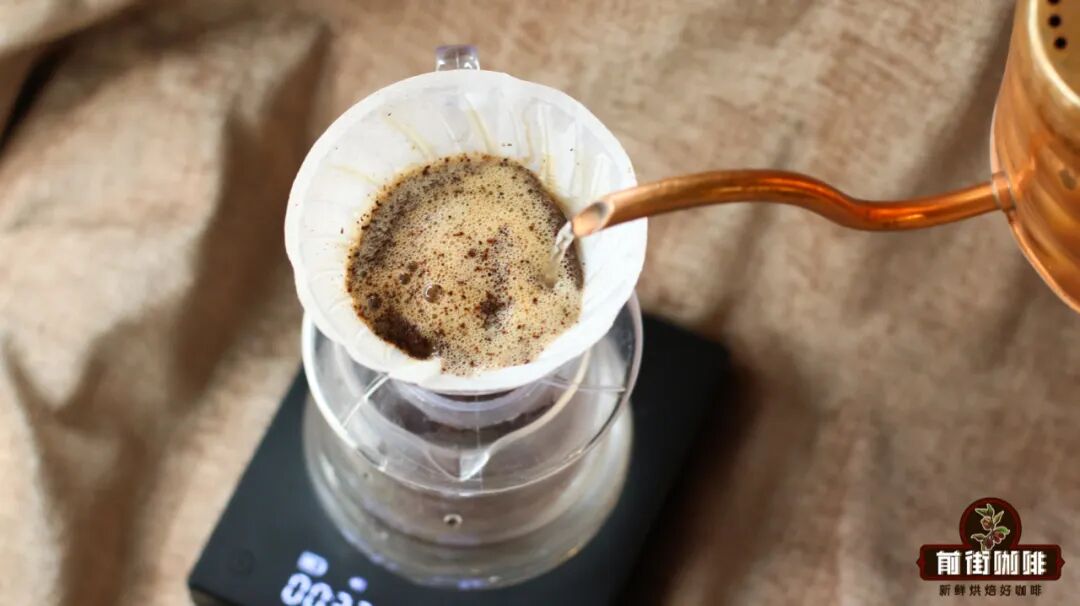
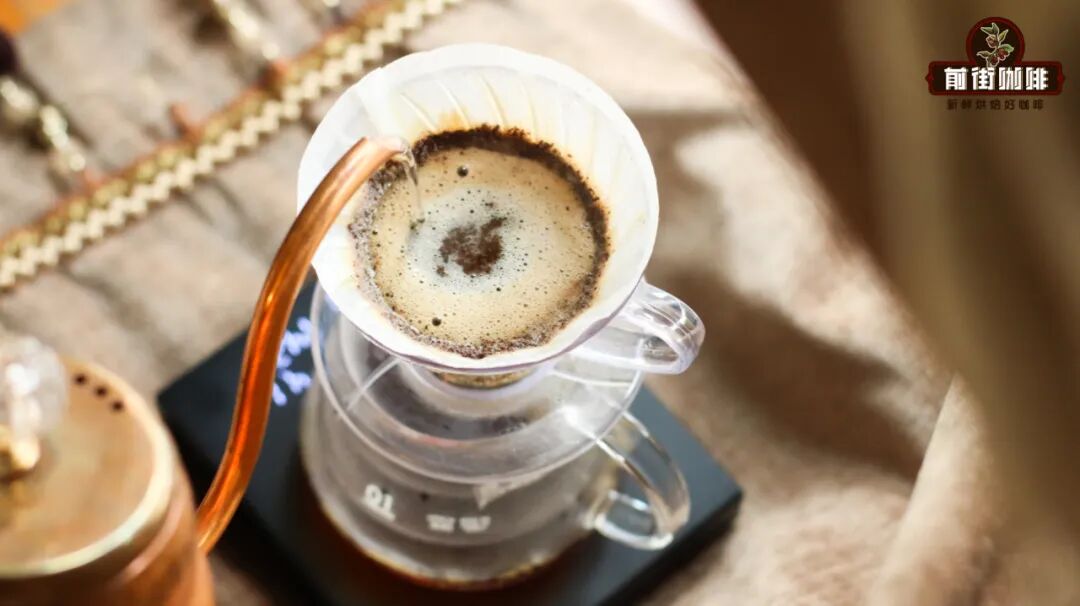
Pulsed pouring refers to the process of dividing the total water volume into multiple pours. For example, using the common 15 grams of coffee grounds with a 1:15 coffee-to-water ratio, the total required water volume is 225 milliliters. The traditional approach is not to pour all the hot water at once, but rather to split it into several stages based on need. Common segmented patterns include three-pour, five-pour, etc., each of which affects the final extraction results differently.
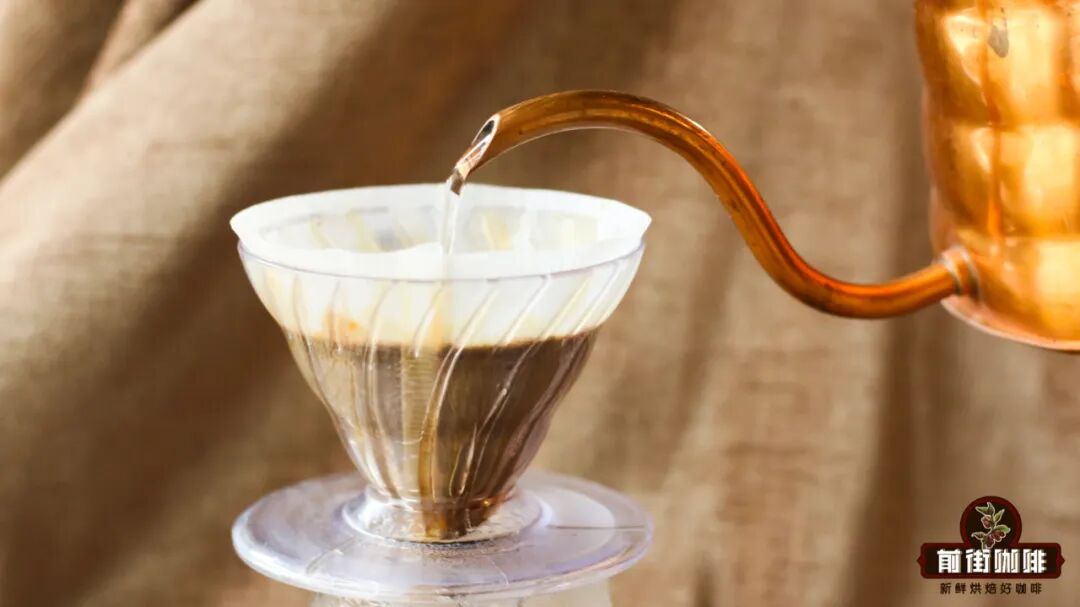
In practice, we don’t need to rigidly adhere to fixed segmented patterns. When encountering issues such as grind size deviation, insufficient water temperature, or abnormal bed conditions, flexibly adjusting the pulsed pouring strategy can often lead to better extraction results. Understanding the core advantages of pulsed pouring is key to mastering this technique.

The primary advantage of pulsed pouring is precise control over extraction time. Assuming a stable pouring rate, the more pours there are, the longer the overall extraction time becomes. This is because each pour requires waiting for the previously poured water to fully penetrate, and the cumulative wait time significantly extends the extraction process.
Additionally, pulsed pouring also effectively reduces the amount of water poured per stage. With less accumulated water in the filter, the water pressure decreases accordingly, naturally slowing down the rate at which water penetrates the coffee bed. This dual effect allows the coffee grounds to remain in contact with hot water for a longer period, creating more favorable conditions for the full dissolution of flavor compounds.
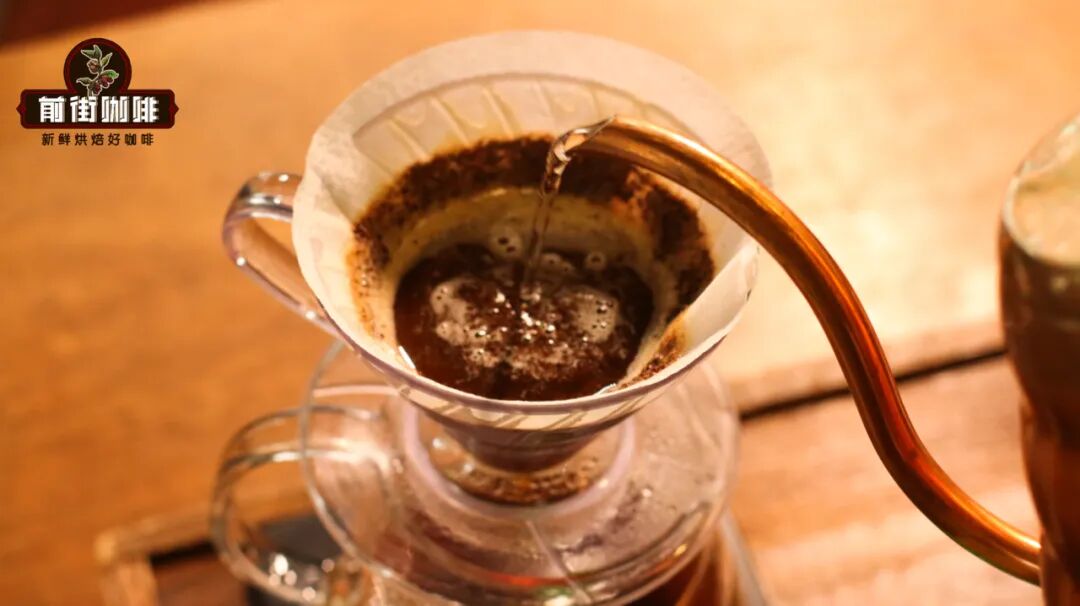
The extension of extraction time directly impacts extraction efficiency. Simply put, the longer the coffee grounds are in contact with water, the greater the opportunity for flavor compounds to be extracted. At the same time, pulsed pouring also continuously refreshes the liquid concentration environment within the filter.
The extraction speed of coffee flavors is closely related to the concentration difference of the solution. When the liquid concentration inside the filter is lower, flavor compounds are more easily released from the coffee grounds. By performing multiple pulsed pours, we are essentially creating a more favorable concentration differential environment, thereby improving overall extraction efficiency.

Another important advantage is the effective reduction of bypass water. Many filter designs, such as the classic V60, feature rib structures on the inner wall that support the filter paper. While these structures aid in venting and accelerating flow, they may also create “shortcuts” where hot water bypasses the coffee bed.
When the water level exceeds the height of the coffee bed or when hot water directly contacts areas without coffee grounds, some of the water flows directly into the server without participating in extraction—this is known as “bypass water.” The presence of bypass water lowers the overall extraction rate and affects the coffee’s concentration and flavor integrity.
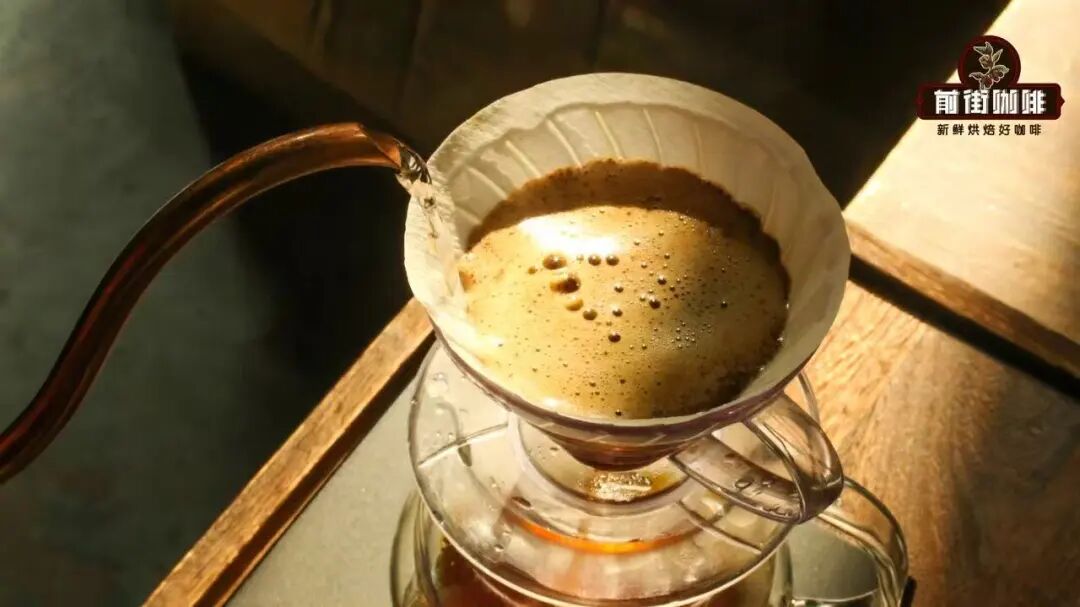
Pulsed pouring helps prevent this issue by controlling the amount of water poured per stage. Smaller pours are less likely to cause the water level to rise rapidly above the coffee bed, thereby significantly reducing bypass water. This mechanism ensures more hot water comes into full contact with the coffee grounds, improving extraction uniformity.
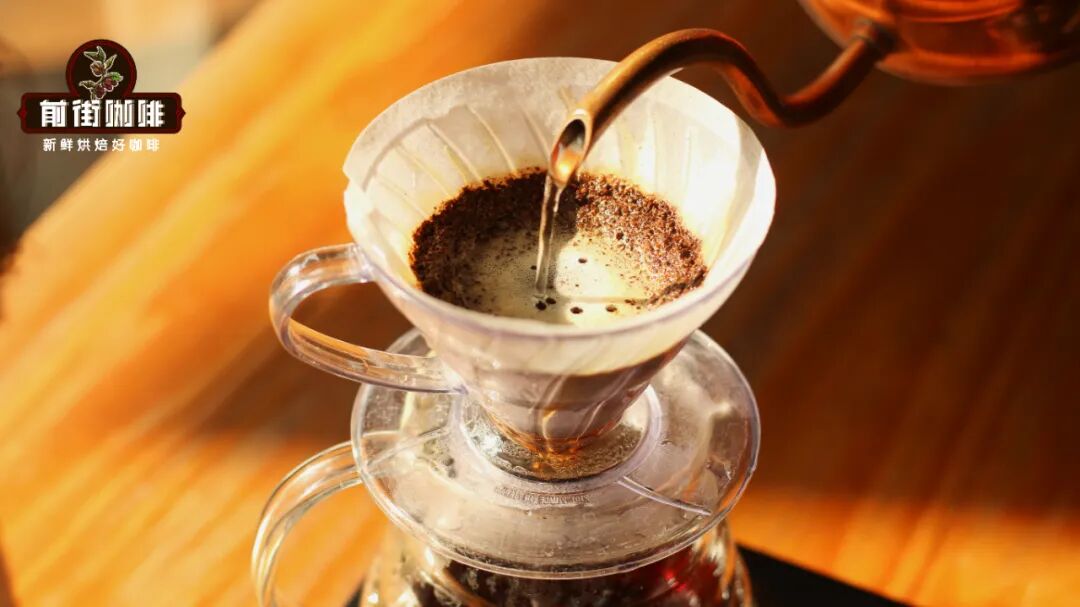
Based on these advantages, we can flexibly apply the pulsed pouring technique according to different brewing situations. When encountering fast drawdown, overly coarse grind size, or low water temperature, increasing the number of pours is an effective way to boost extraction efficiency.
These conditions often lead to under-extracted coffee, and refining the pouring process can extend the contact time between water and grounds, improving extraction. Similarly, when brewing with a smaller amount of coffee grounds, pulsed pouring can also help increase overall extraction yield.

For high-density coffee bean varieties, pulsed pouring demonstrates unique advantages. These beans have tightly packed cell structures that require more precise water flow control and pouring strategies. Take the Yirgacheffe Washed Guji Dingding, for example—many brewers find that adjusting its conventional three-pour method to four pours can significantly improve the brew results.
High-density beans, when subjected to large volumes of water, are prone to issues such as rapid water level rise and fine particle blockage of the filter paper, leading to over-extraction or channeling. By reducing the amount of water per pour, pulsed pouring naturally controls the water level, avoiding these problems.
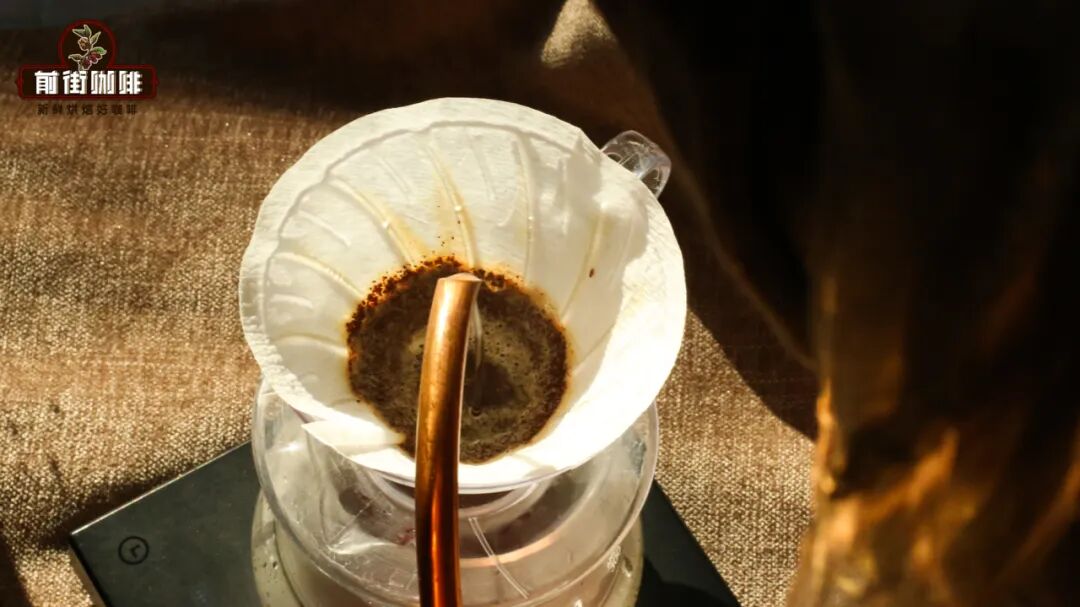
When brewing Guji Dingding using a four-pour method, the coffee exhibits a richer layering. It achieves a balanced acidity and sweetness with a solid, full-bodied mouthfeel, accompanied by complex flavors of citrus, berries, oolong tea, and delicate floral notes. Compared to the traditional three-pour method, this adjustment delivers a more three-dimensional taste experience.
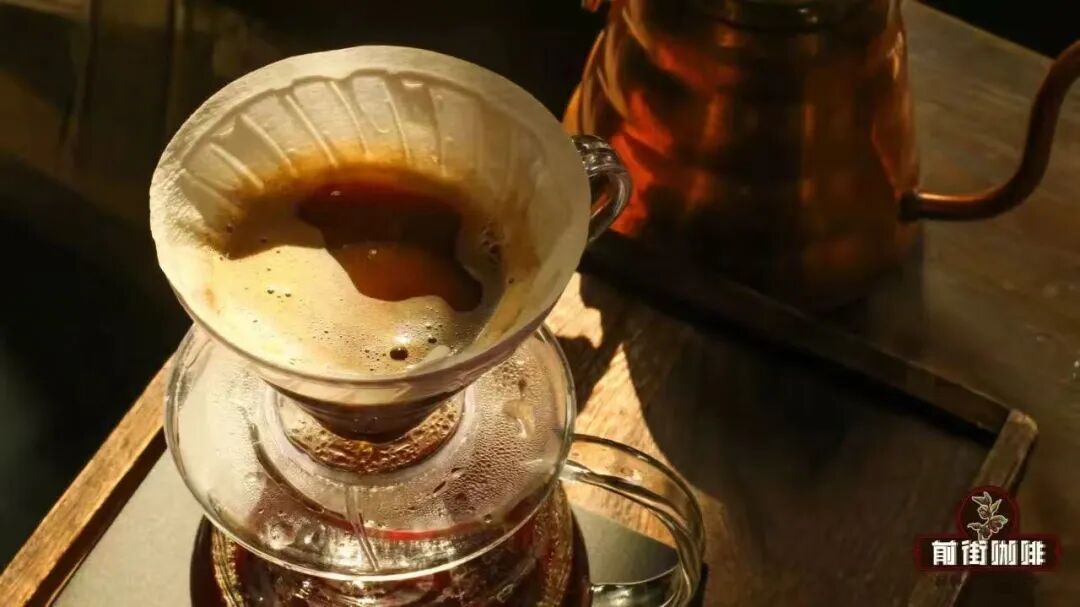
It’s important to note that pulsed pouring is not a one-size-fits-all solution. Overusing it may lead to excessively long extraction times, resulting in over-extraction. Especially in cases of extreme parameter settings—such as very fine grind size combined with high temperature—other adjustments must be made in tandem.
Take high-density beans, for instance. In addition to pulsed pouring, it’s essential to control pouring height and swirling frequency. Only through comprehensive adjustments of these parameters can the optimal extraction balance be achieved.
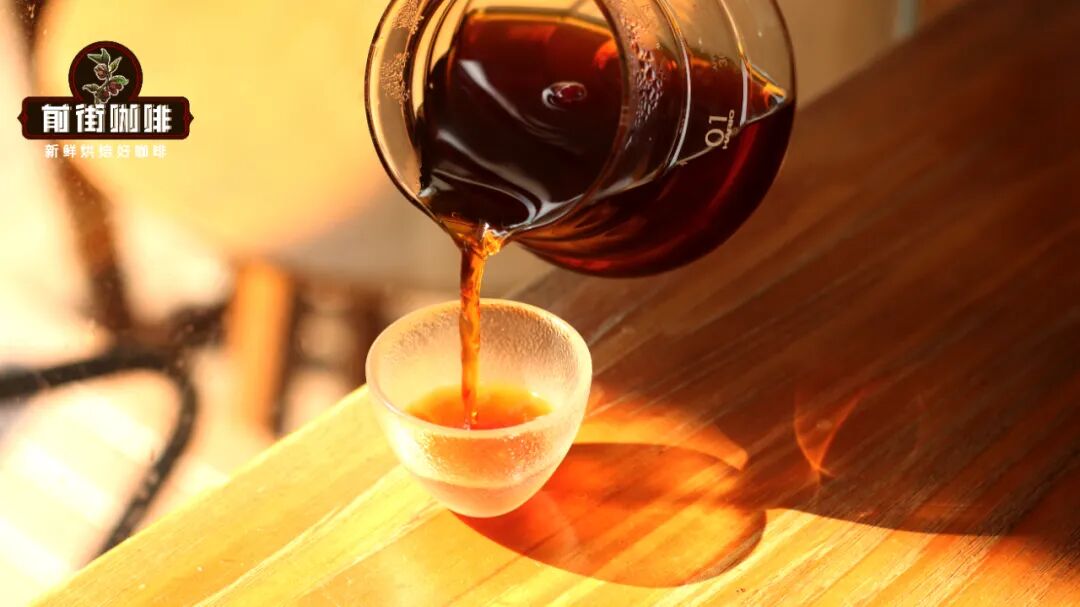
In summary, pulsed pouring is an effective tool for optimizing coffee extraction by controlling the pouring rhythm. It helps us tackle various brewing challenges but requires flexible application based on specific circumstances. Coffee enthusiasts are advised to experiment repeatedly to find the pulsed pouring strategy best suited to their equipment and coffee beans.
The above content is compiled by CoffeeHunters, a coffee news website.


