







Introduction:SOE (Single Origin Espresso), in recent years, has become a focal point for specialty coffee enthusiasts due to its distinct regional flavors and bright acidity. But many wonder: How is SOE different from regular pour over single-origin beans? Is it suitable for pour over brewing? This article delves into the extraction characteristics and roasting recommendations for SOE, compares its key differences with pour over methods, and recommends several coffee beans well-suited for making SOE, helping you find beans with the right flavor and roast level.
Compared to common espresso blends, SOE (Single Origin Espresso) is made using single-origin coffee beans, emphasizing regional characteristics and a clear flavor profile. In recent years, due to its bright acidity and unique regional traits, it has gradually stood out in the coffee market—not only do cafés feature it as a signature offering, but many coffee lovers also purchase beans to brew at home. Understanding the characteristics of SOE can help you make better choices and brews.

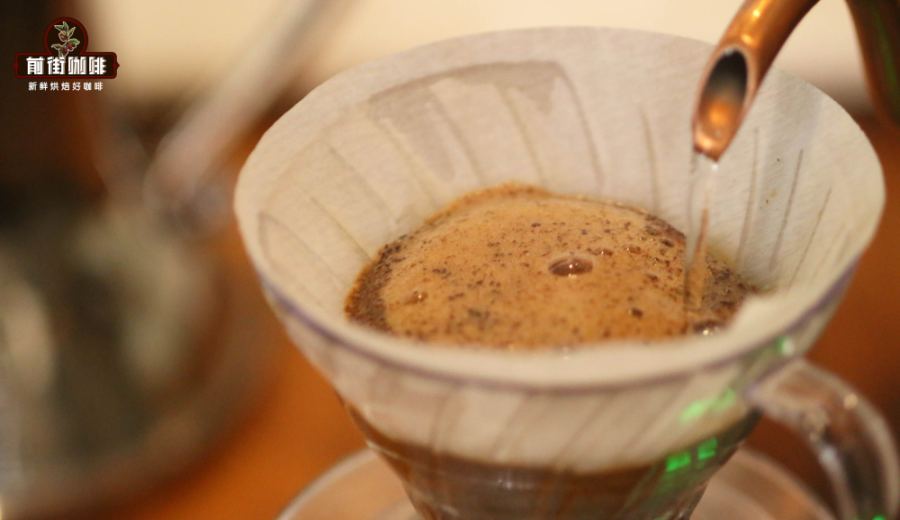
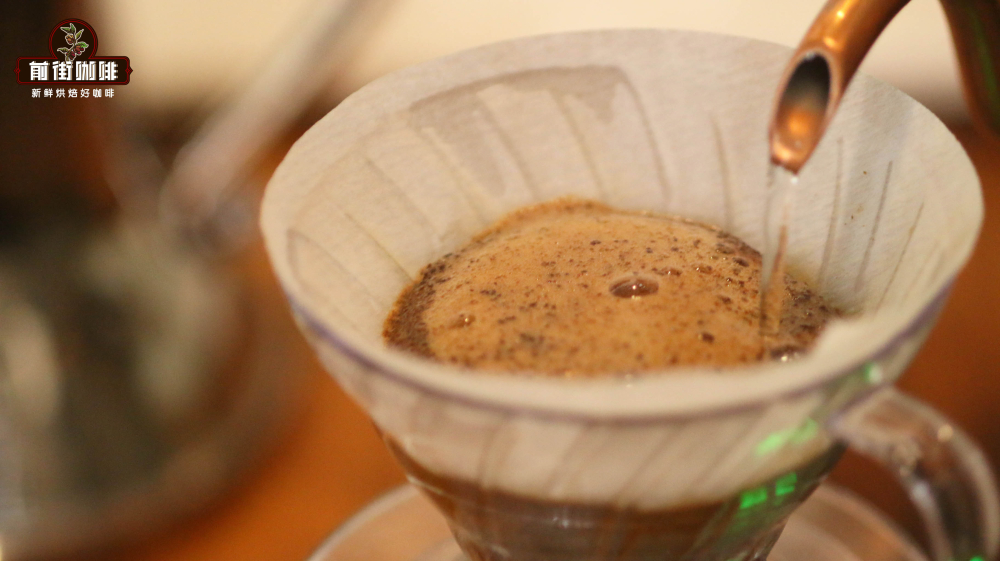
First, the biggest difference between SOE and pour over coffee lies in the brewing method. SOE uses a high-temperature, high-pressure espresso machine for extraction, which is a pressure-based method—typically brewed at 9 bars of pressure, using finely ground coffee and near-boiling hot water, completing extraction within 25–30 seconds. This method quickly extracts the acidity, sweetness, and body of the coffee, forming a rich crema. In contrast, pour over is done at ambient temperature and pressure, allowing hot water to slowly drip through the coffee grounds, with a longer extraction time—usually around 2–4 minutes—focusing on highlighting the details and layers of the coffee.
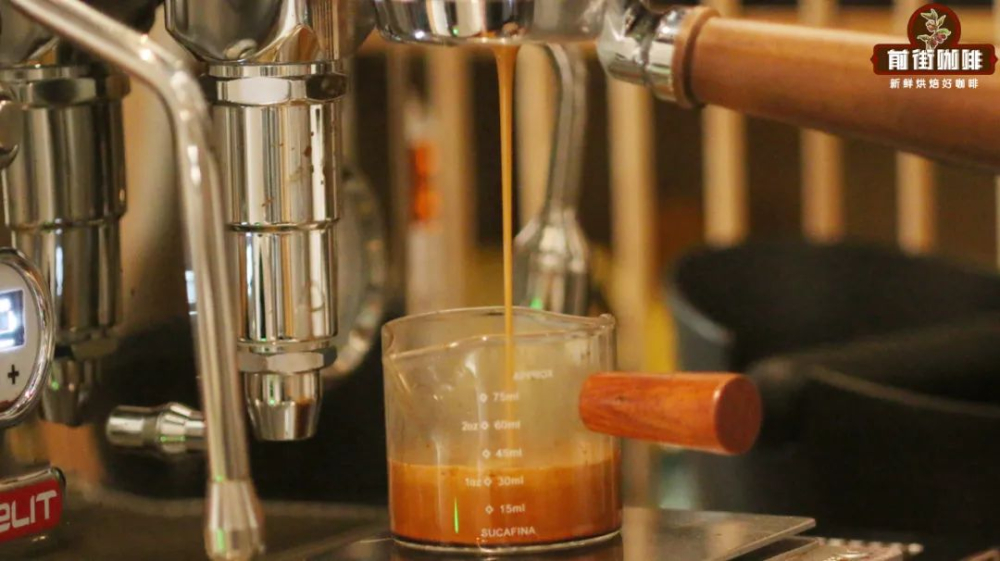
SOE extraction comes with its own unique challenges and techniques. When using a blend to make espresso, beans from different regions are mixed and usually roasted to a medium-to-dark level, often achieving balanced flavor and stable extraction. However, SOE emphasizes showcasing the original characteristics of a single origin, so it is mostly medium-to-light roasted to preserve bright notes such as fruit acidity and floral-fruity aromas. But medium-to-light roasted beans are not as easy to extract flavors from during espresso brewing, so parameters need to be adjusted—for example: increasing water temperature (around 92–96°C), using a finer grind, extending extraction time, or slightly increasing coffee dose—to improve extraction yield and bring out its intended flavor layers.
It’s worth noting that each single-origin coffee bean has its representative regional flavor. For instance, Yirgacheffe is known for its bright acidity resembling citrus or lemon, while Blue Mountain exhibits the sweet aroma of dark chocolate and caramel. The roasting and extraction of SOE must faithfully reflect these regional characteristics; otherwise, it loses the purpose of using single-origin beans for espresso. If roasted too dark, intense smoky and carbonized notes can easily mask delicate fruitiness and acidity; if roasted too light, it may lead to under-extraction, resulting in sour and thin flavors. Therefore, selecting beans with a balanced roast that perform well for both pour over and espresso is a common consensus among many roasters.
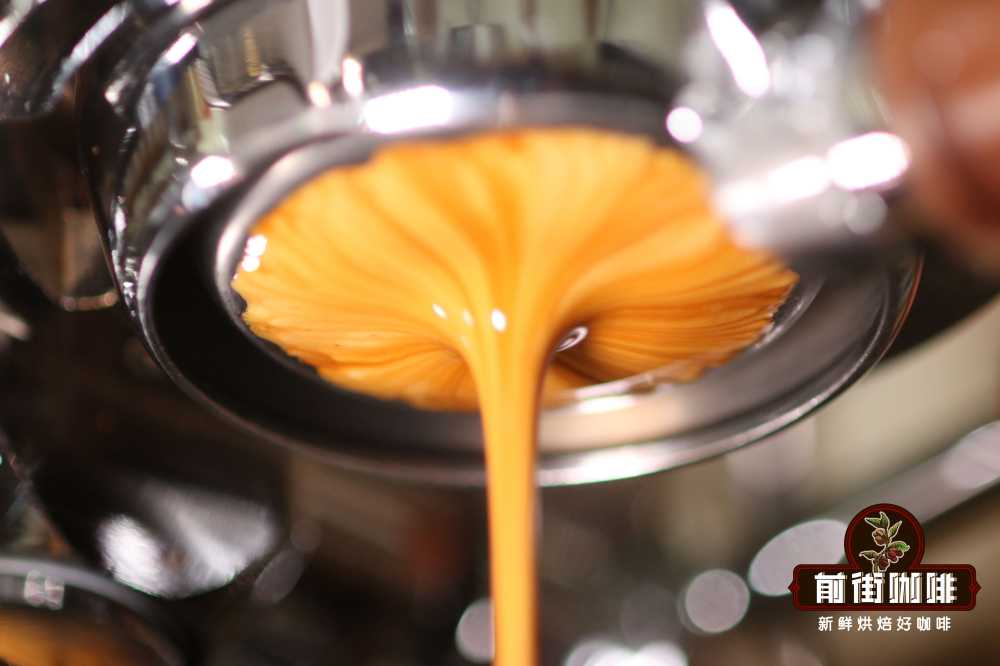
Since espresso amplifies various attributes of coffee—for example, the balanced acidity and sweetness that are well-balanced in pour over may turn into sharp acidity or overly heavy bitterness in SOE—the roast level of SOE needs to be fine-tuned according to the coffee variety and processing method. Sometimes, choosing a medium-to-dark roast can even better showcase complete aroma and a rich mouthfeel in espresso. However, if you enjoy both pour over and espresso, you might prioritize medium-roasted single-origin beans, which generally deliver rich and balanced flavors under both brewing methods.
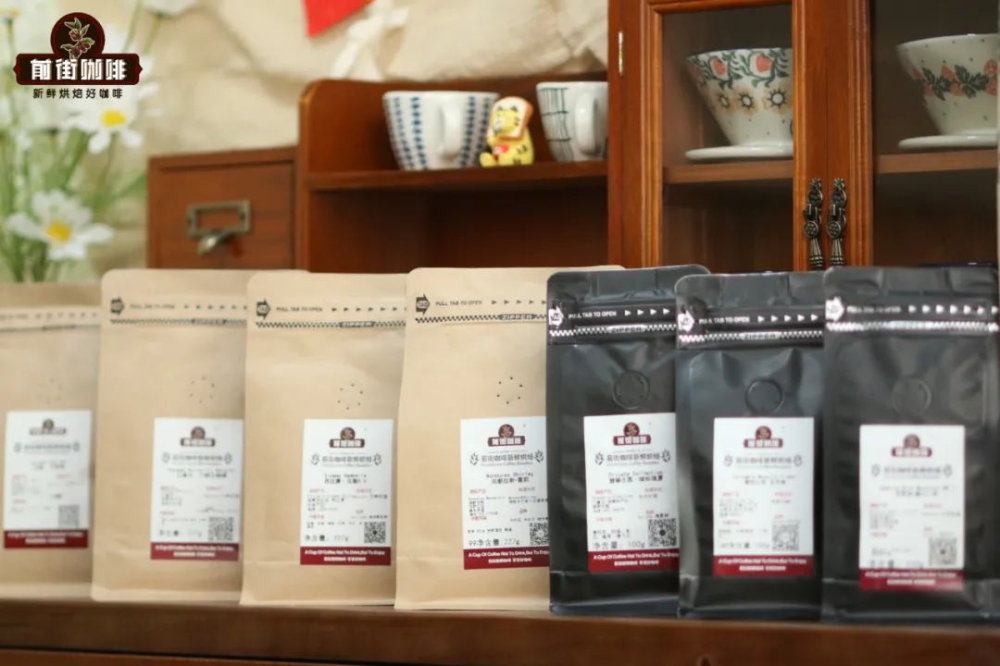
To brew a cup of SOE with distinct flavors, selecting high-quality single-origin coffee beans is key. Below are several recommended beans suitable for making SOE, each with its unique characteristics and showcasing the potential of different processing methods and origins.
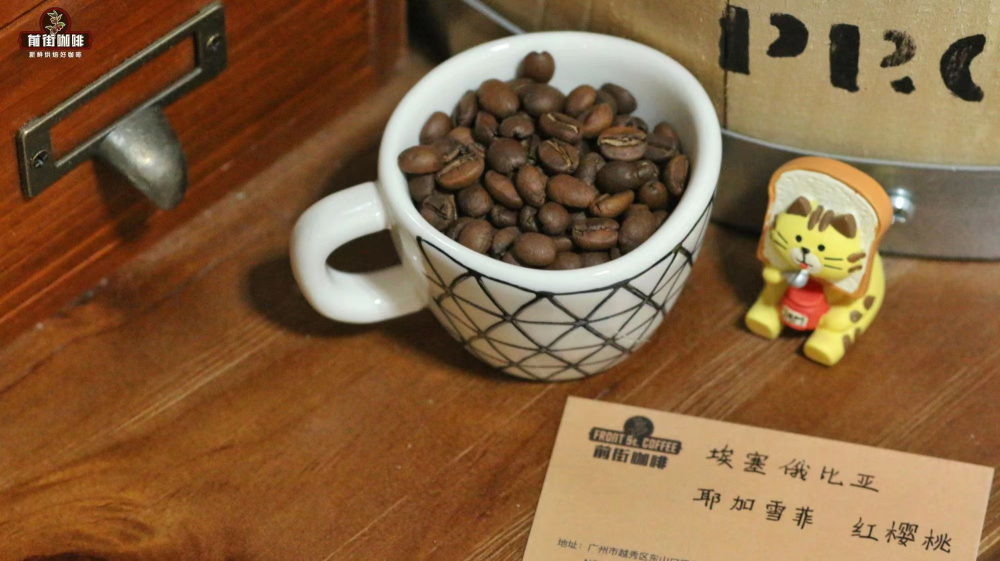
First is the Natural Yirgacheffe Red Cherry coffee bean. This bean is known for its sweetness and rich fruity aroma when used for pour over. If used for espresso (with slight grind adjustment), it can present delicate crema, with a light yellowish color, carrying obvious berry and caramel aromas, balanced acidity and sweetness, and a clean mouthfeel. When milk is added, it further highlights a honey-like sweet aftertaste.
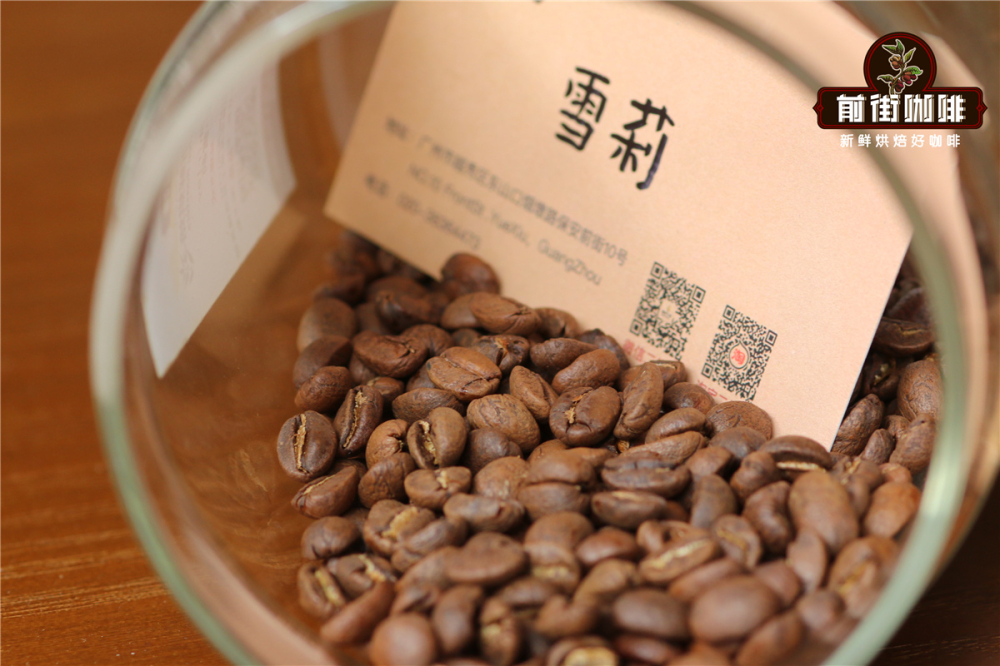
The Honduras Whisky Barrel-Aged Sherry coffee bean, with a medium roast, achieves an excellent balance between roasted aroma and berry acidity. When made into SOE, the vanilla biscuit and whisky aromas are particularly prominent, and when paired with milk, it showcases a smooth chocolate-milk texture, with an overall soft and layered mouthfeel. Notably, many cafés’ blends, such as Sunflower Sunshine, are crafted by blending this sherry bean with the Red Cherry bean in specific ratios, merging wine aroma, fruit acidity, and chocolate-milk fragrance.
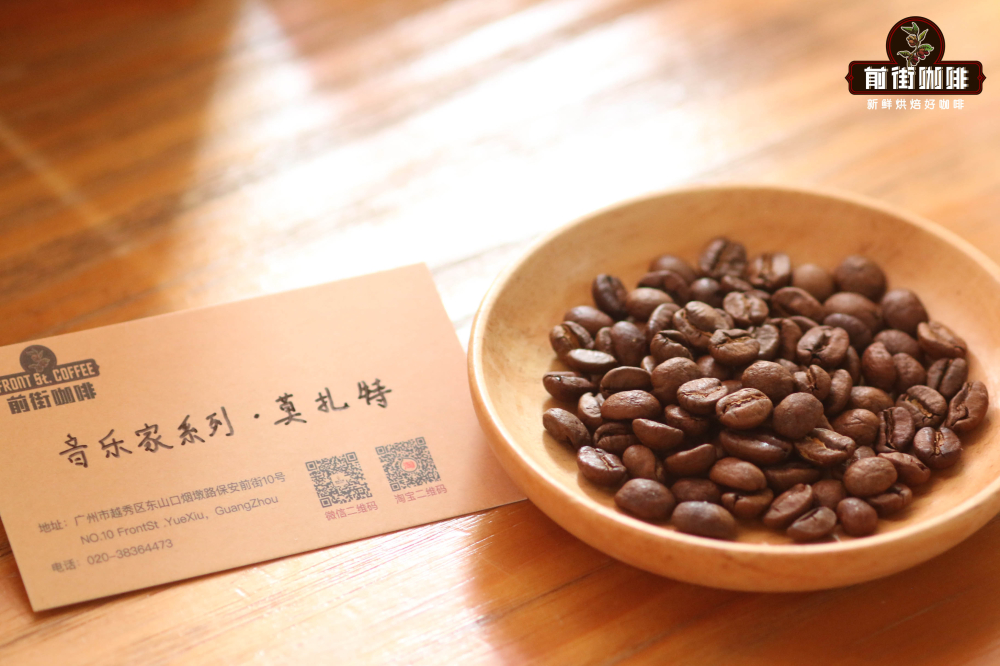
The Costa Rica Musician Series Mozart coffee bean uses anaerobic honey processing, allowing the mucilage layer to be fully preserved under sealed fermentation, thereby amplifying sweetness. When used for pour over, one can sense intense rose floral and raisin sweetness, while as an SOE, it presents a strong tropical fruit profile and fermented flavors, suitable for coffee lovers who enjoy intense fruitiness and unique processing methods.
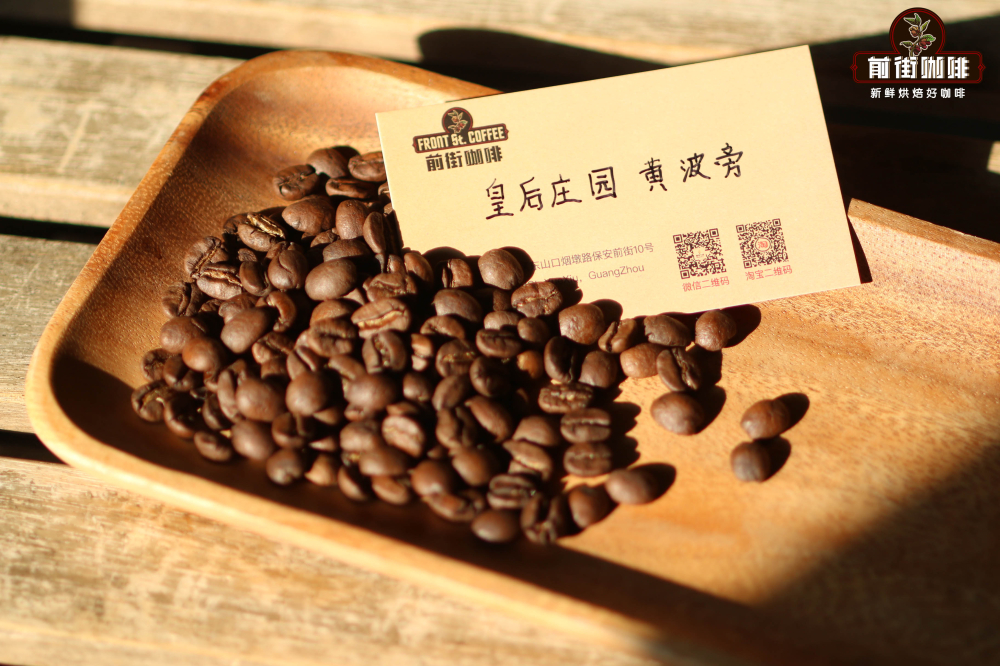
Finally, if you prefer rich and bold nutty and creamy profiles, the Brazil Queen Estate Yellow Bourbon coffee bean is a great choice. A medium-to-dark roast gives this bean aromas of nuts, cream, and peanuts, with a lingering chocolatey sweetness. As an SOE, it produces rich and stable crema, and makes particularly aromatic milk coffee. It is an ideal choice for those seeking balance and a combination of milkiness.
The above content is compiled by CoffeeHunters, a coffee news website.

