







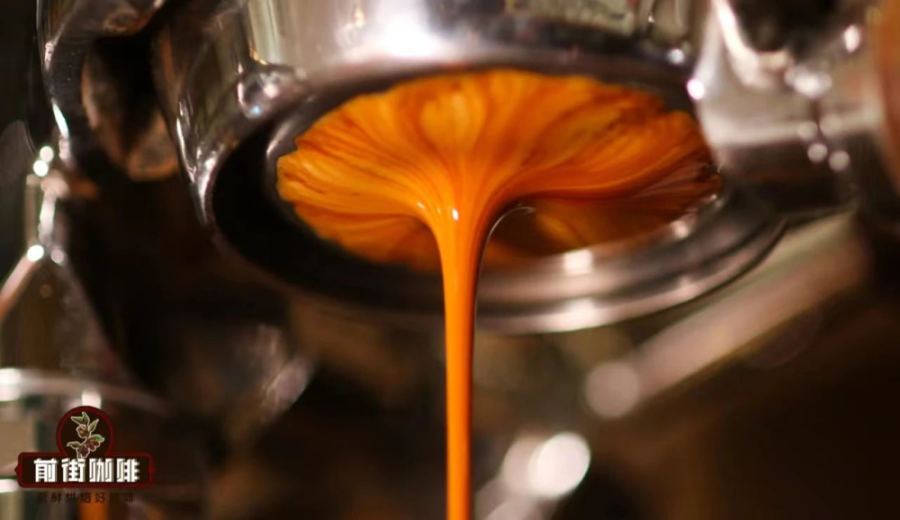
Introduction:When you walk into a coffee shop and see on the menu not only the usual blends but also a slightly more expensive SOE option, do you wonder about the difference and charm between them? SOE (Single Origin Espresso) not only delivers more distinctive flavors but also better showcases the unique characteristics of its origin. This article will delve into the differences between SOE and regular blends, explain why it often comes at a premium, and provide practical brewing tips and parameter adjustment techniques—so even beginners can easily brew a standout cup of SOE coffee at home or in a café.
What is SOE coffee?
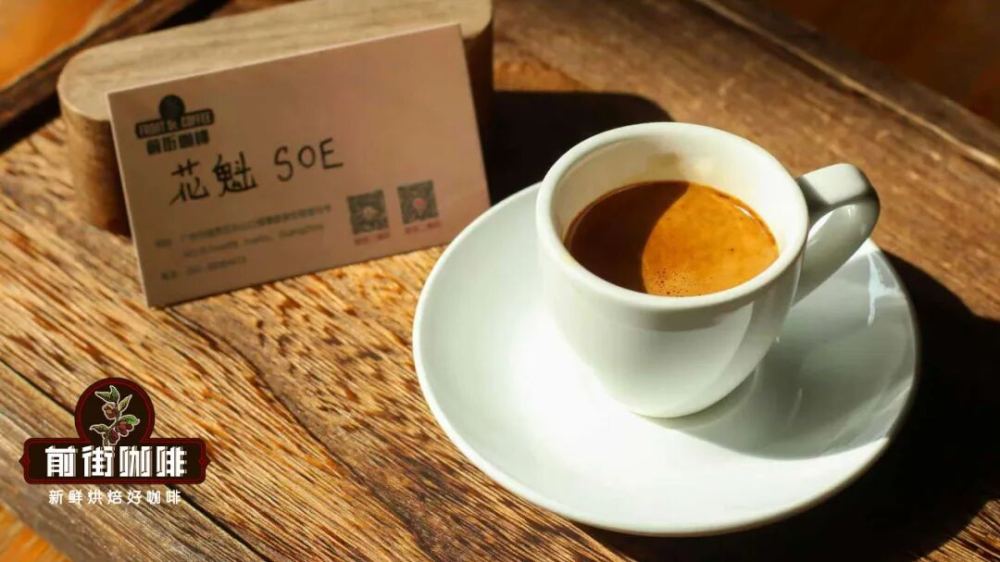
SOE, short for Single Origin Espresso, refers to espresso made from coffee beans sourced from a single origin or region, in clear contrast to common blends (which combine beans from multiple origins). In the early days, most cafés served espresso made primarily from dark-roasted blends, focusing on stable extraction and rich body, with little emphasis on flavors from a single origin. However, with the rise of the specialty coffee movement, more consumers and professionals have begun seeking coffee experiences that highlight regional character.
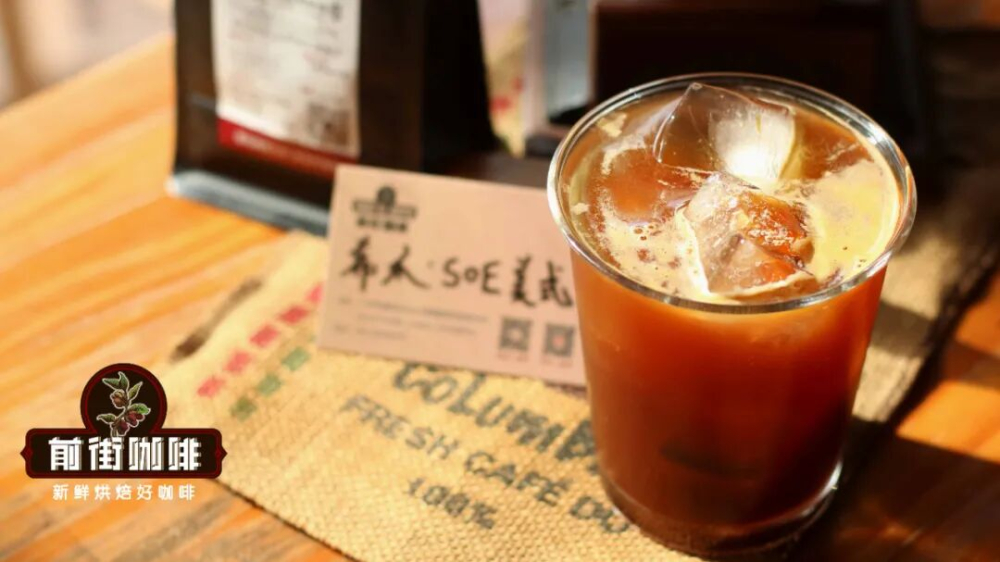
The rise and evolution of SOE
Tracing back to the 1980s, specialty coffee began to emerge, with single-origin beans emphasizing origin and processing methods starting to gain attention. Initially, these nuanced coffees were mostly presented through filter brewing methods such as pour over and siphon. It wasn’t until 2007, when World Barista Championship competitor James Hoffmann won using a single-origin bean for espresso, that SOE rapidly gained popularity on the competition stage. Today, many cafés include SOE on their menus, and online platforms offer a variety of SOE coffee beans touted for their rich flavor profiles, often described with notes of floral, fruity, tea-like, or even fermented wine-like aromas—along with detailed origin information.
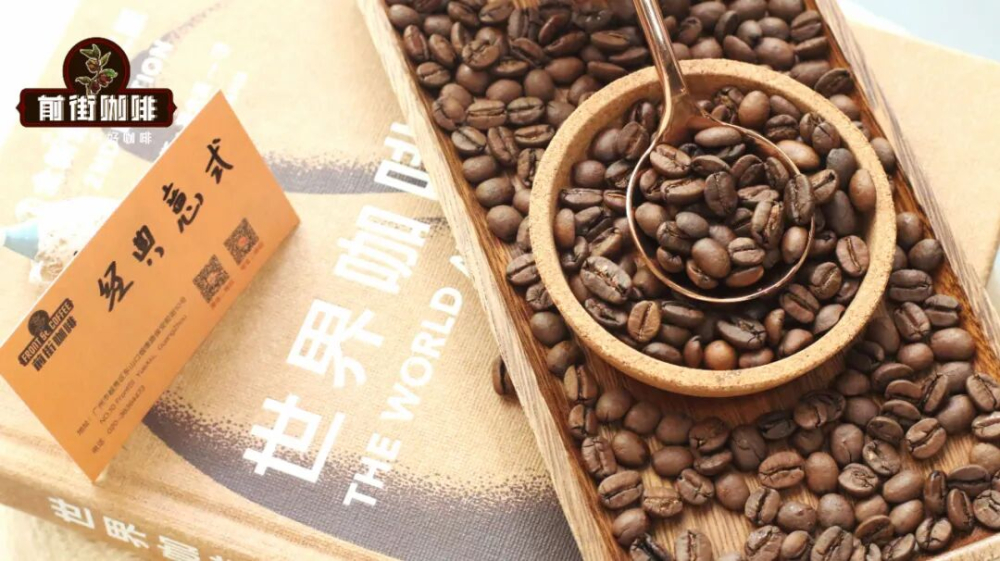
Why does choosing SOE come at a premium?
The higher pricing of SOE is mainly due to its bean selection and roasting strategy. While “Single Origin” generally refers to beans from the same region and batch, to highlight its unique flavors, shops typically choose single-origin beans with distinct flavor profiles and high origin recognition, roasted to medium-light to medium levels. This allows acidity, fruitiness, or sweetness to be more pronounced in the espresso. For instance, some well-known origin SOEs may feature bright citrus acidity, berry tones, or special fermentation notes. These qualities not only enhance the coffee’s recognizability but also raise the technical bar for bean selection and roasting, making the cost naturally higher than that of regular blends.
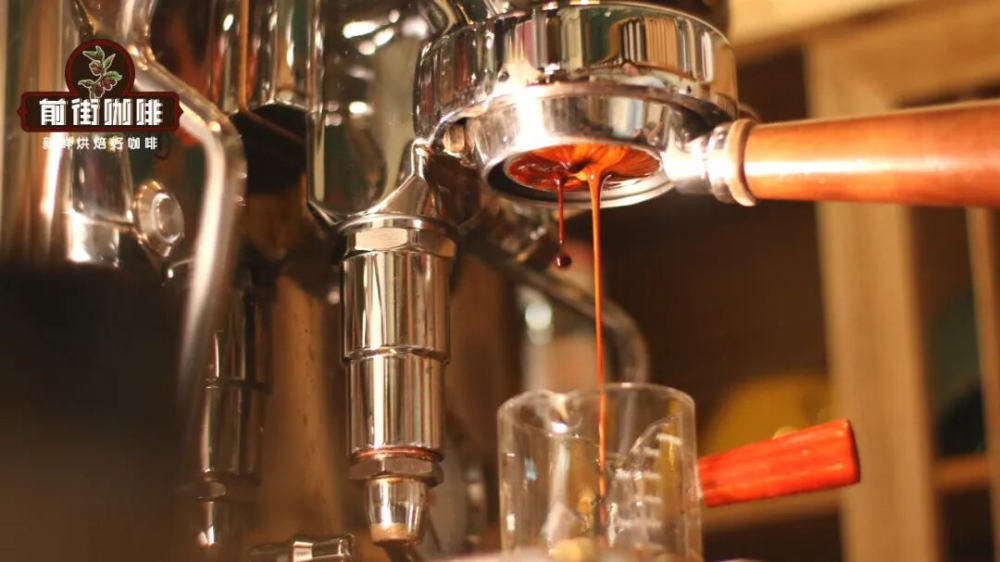
Differences between SOE and blends
Traditional espresso blends aim for stable flavor and a rich body, often mixing beans from different regions and using dark roasts. They are ideal for milk-based drinks where balanced richness is desired. In contrast, SOE emphasizes the uniqueness of a single origin, delivering clearer and more layered flavor profiles, making it ideal for those who enjoy exploring the original character of coffee. If you’ve ever seen an SOE option on the menu that costs extra, it often reflects additional investment in unique flavor profiles and bean quality.
How to brew a great cup of SOE?
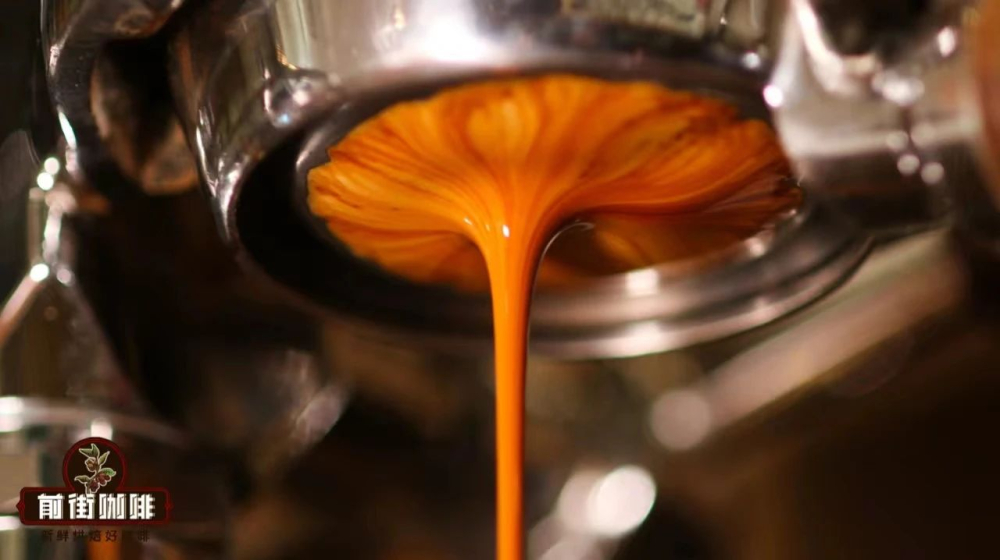
Making a satisfying cup of SOE is actually similar to dialing in a regular espresso—the key lies in mastering the basic parameters:A coffee-to-water ratio of 1:2 is recommended, with extraction time controlled between 25–35 seconds, while grind size should be fine-tuned based on actual flow rate. For example, if using 20 grams of SOE coffee grounds and aiming to extract 40 grams of coffee, if the extraction time is too short (below 25 seconds), it likely means the grind is too coarse and should be adjusted finer; if the extraction time is stable around 30 seconds, then the parameters are close to ideal.
Adjusting extraction strategy based on flavor profile
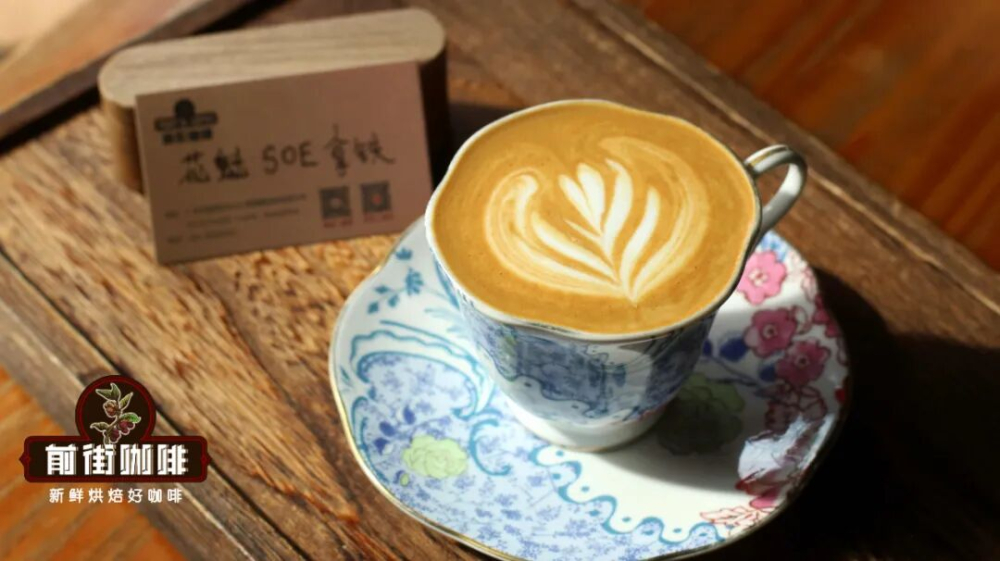
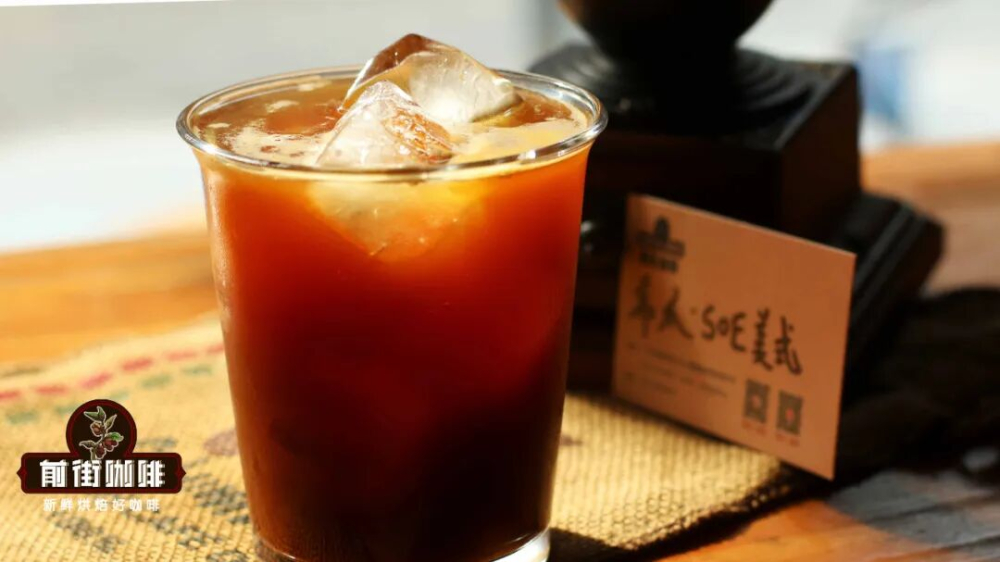
Since SOE is commonly used for making drinks like Americanos, lattes, or flat whites, beyond the basic extraction parameters, it’s recommended to further adjust based on the flavor characteristics of the bean. Take a medium-light roasted Ethiopian coffee, for example—if its flavor profile is fresh floral, bright acidity, or berry notes, since such beans can sometimes yield thinner crema, consideradding 0.3–0.5 grams of coffee groundsto enhance aroma intensity; for instance, adjusting the dose to 20.5 grams while still extracting 40 grams of coffee helps showcase a refreshing sweet-sour taste in an Americano, or strengthens the aroma blend between coffee and milk in a latte.
Extraction suggestions for fermented fruity SOEs
If your chosen SOE has strong fruity and fermented notes, its espresso often naturally exhibits intense sweet-sour characteristics. In this case, if you want a more aromatic Americano, you canincrease the extraction yield by 3–5 gramsto boost sweetness and aftertaste length; if making a latte, you might considerreducing the milk volume (e.g., from 200 grams to 160–180 grams)to let the unique flavors of the single-origin bean shine more prominently.
Extraction considerations for medium-dark roasted SOEs
When using a medium-dark roasted SOE, if the espresso shows off-flavors such as rubber, hay, smokiness, or charcoal, it usually indicates over-extraction. In this case, it’s recommended toreduce the extraction yield by 3–5 gramsto help eliminate defective aftertastes. Conversely, if the coffee lacks aroma, has a short finish, and the acidity is overly pronounced, it may signal under-extraction. You canslightly adjust the grind finer and extend the extraction time by 2–3 secondsto ensure the concentration reaches an ideal balance.
The above content is compiled by CoffeeHunters, a coffee news website.

