







Introduction:SOE (Single Origin Espresso) has garnered significant attention in recent years, yet many coffee enthusiasts remain puzzled by its characteristics and brewing methods. This article delves into the definition of SOE coffee, explores its differences from blends, analyzes its pros and cons, and details how to select suitable beans based on flavor profiles from different regions. It also provides practical references for roasting and extraction parameters to help you brew delicious, distinctly flavored coffee using SOE beans.
With the rise of specialty coffee trends, SOE (Single Origin Espresso) has gradually become a flagship recommendation in many cafés. Many consumers wonder: is SOE really superior to traditional blends? In fact, while SOE can highlight the unique flavors of a single origin, it may also exhibit more extreme flavor profiles due to the lack of balance found in blends—sometimes even with unpleasant acidity. Understanding the characteristics and selection criteria of SOE is the first step toward appreciating its charm.
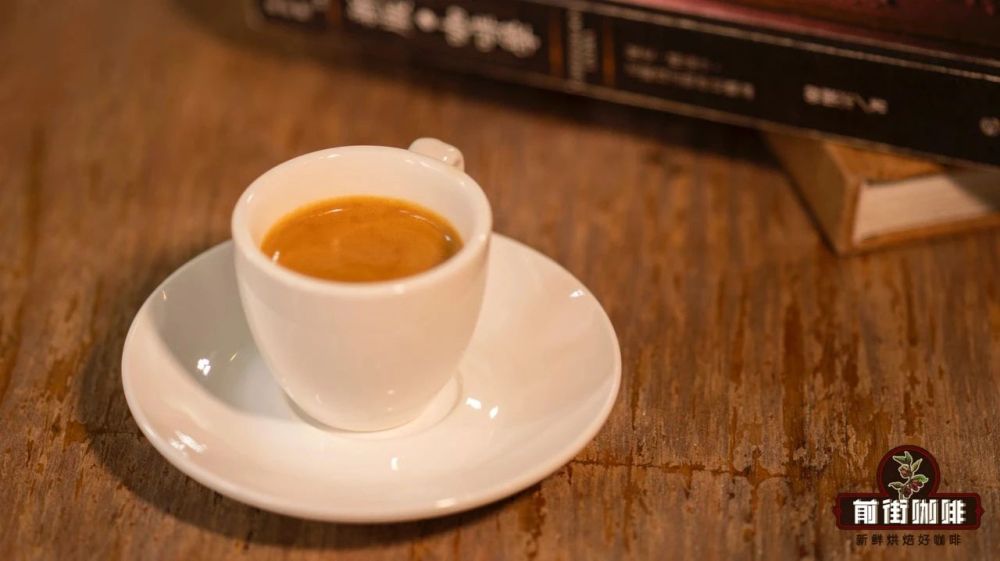
SOE stands for Single Origin Espresso, meaning “single origin espresso.” Unlike common blends, SOE uses coffee beans sourced exclusively from a specific region or farm. Through high-pressure extraction by an espresso machine, it amplifies the original flavor characteristics of the beans from that origin. This approach allows drinkers to more intuitively perceive the unique personality of the coffee region—such as specific fruit aromas, nutty notes, or sweetness—thereby forging a deeper connection with the origin.
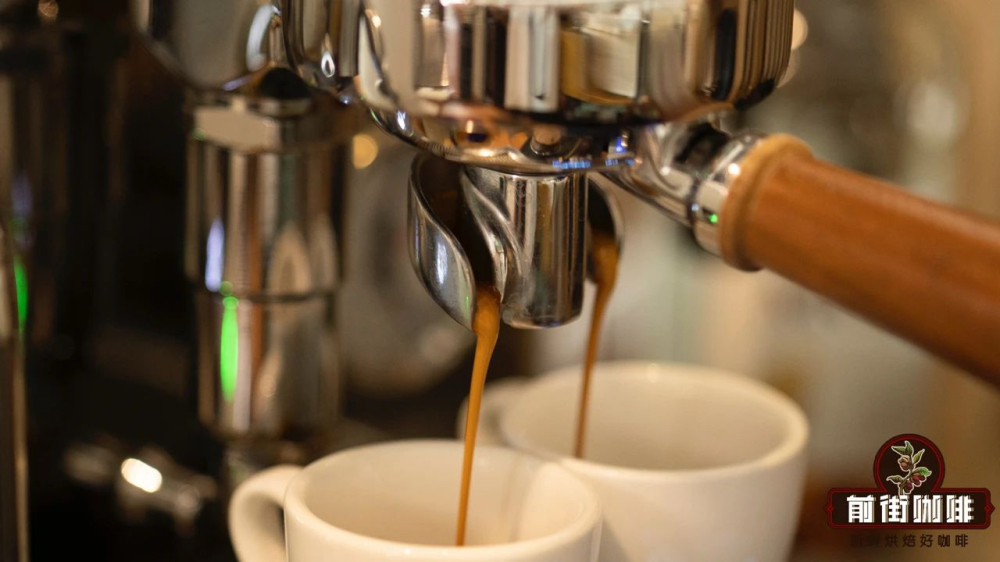
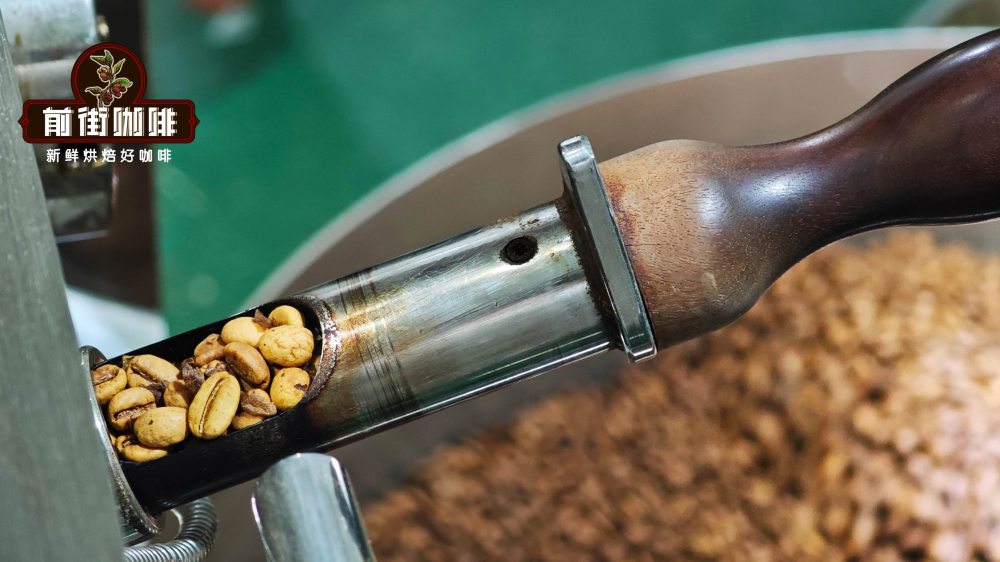
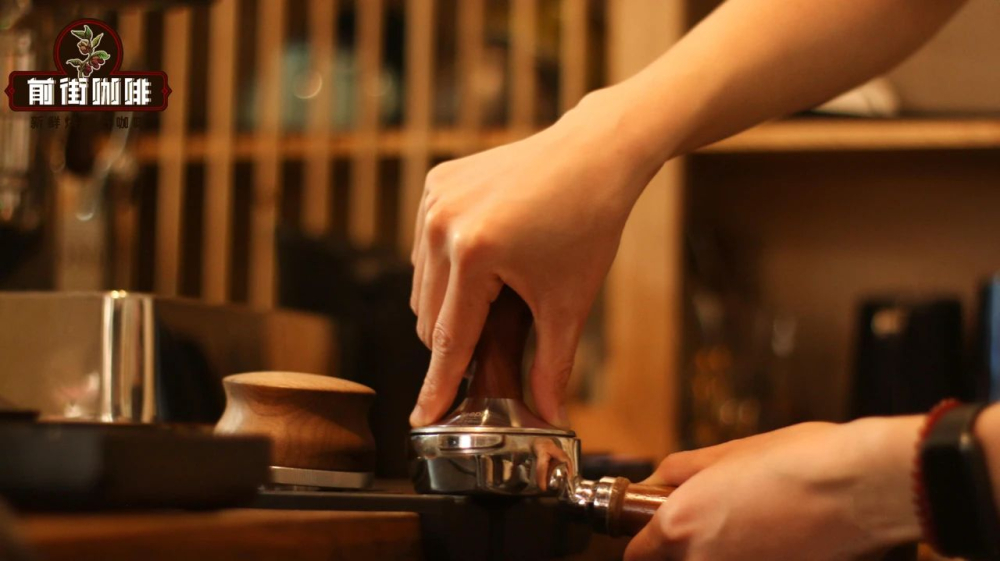
However, SOE poses greater challenges in roasting and extraction. To preserve regional characteristics, the roast level generally needs to be controlled within a medium range—too light may result in excessive acidity and unstable flavors, while too dark may mask the delicate terroir flavors. Additionally, since SOE relies solely on a single bean variety, its extraction recipe must be dynamically adjusted based on the actual condition of the beans (such as harvest season, freshness, and degassing stage), including parameters like grind size, water temperature, pressure, and extraction time, to fully showcase its potential flavors.
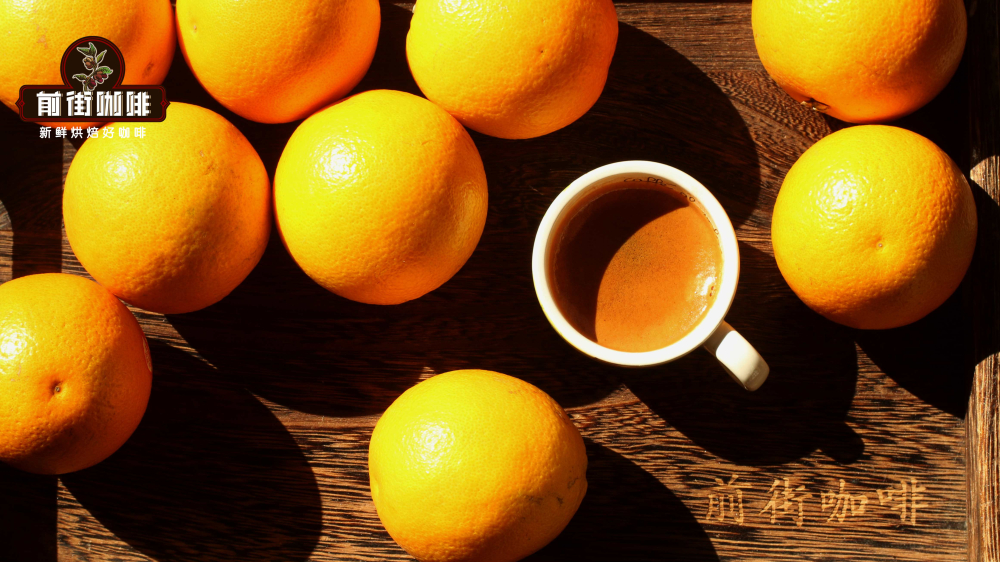
The primary advantage of SOE coffee lies in its clarity and uniqueness of flavor. Since it uses beans from a single origin, its flavor profile is usually clearer and more straightforward than that of blends—akin to the difference between a pure fruit juice and a mixed fruit juice—the former allows one to directly identify the fresh acidity and sweetness of an orange, while the latter blends multiple fruit flavors, making it harder to attribute specific notes. For coffee lovers who enjoy exploring regional characteristics or seek distinct flavor layers, SOE offers a more recognizable tasting experience.
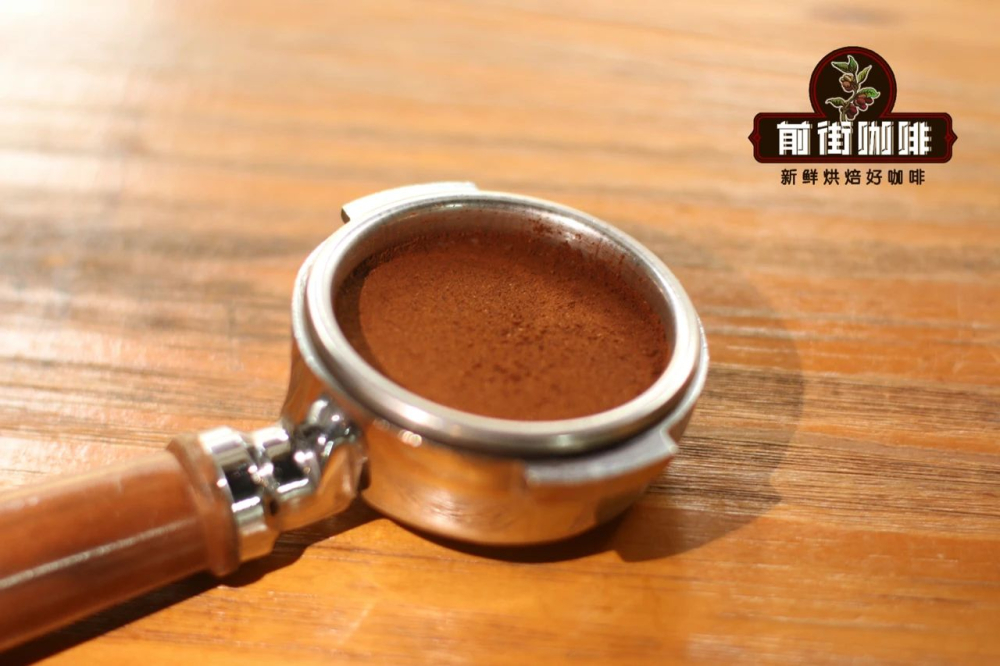
Conversely, the challenges of SOE are also evident. Although simply replacing a blend with a single-origin bean may seem straightforward, extracting a balanced and enjoyable SOE requires precise control over roasting and extraction conditions. During roasting, it’s essential to carefully balance flavor expression and acidity control—over-roasting can erode regional traits, while under-roasting may introduce sharp acidity. During extraction, because coffee beans are agricultural products, variations between harvest seasons and batches are significant, along with factors like freshness, degassing stage, and machine sensitivity. Each extraction must be fine-tuned according to actual conditions to achieve the desired flavor.
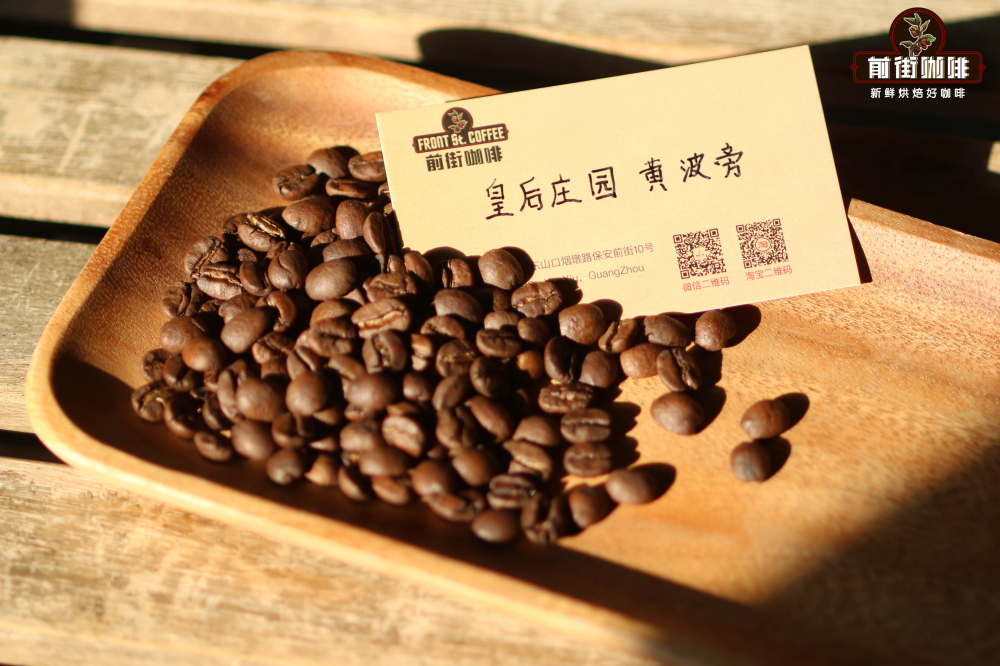
Take, for example, the Brazilian Queen Estate Yellow Bourbon. These beans, grown in the Mogiana region at altitudes of 1400–1950 meters and processed using the honey method, exhibit flavor notes of roasted nuts, creamy peanuts, chocolate, and caramel. For roasting, it is recommended to use a medium-to-dark profile (e.g., Yangjia 800N, 1.6 grind size, 90.5–96°C, 28-second extraction), which brings out a smooth mouthfeel and pronounced creamy peanut aroma—ideal for making rich and bold Americano. Extraction parameters and flavor characteristics should be adjusted daily based on the beans’ condition to ensure optimal performance.
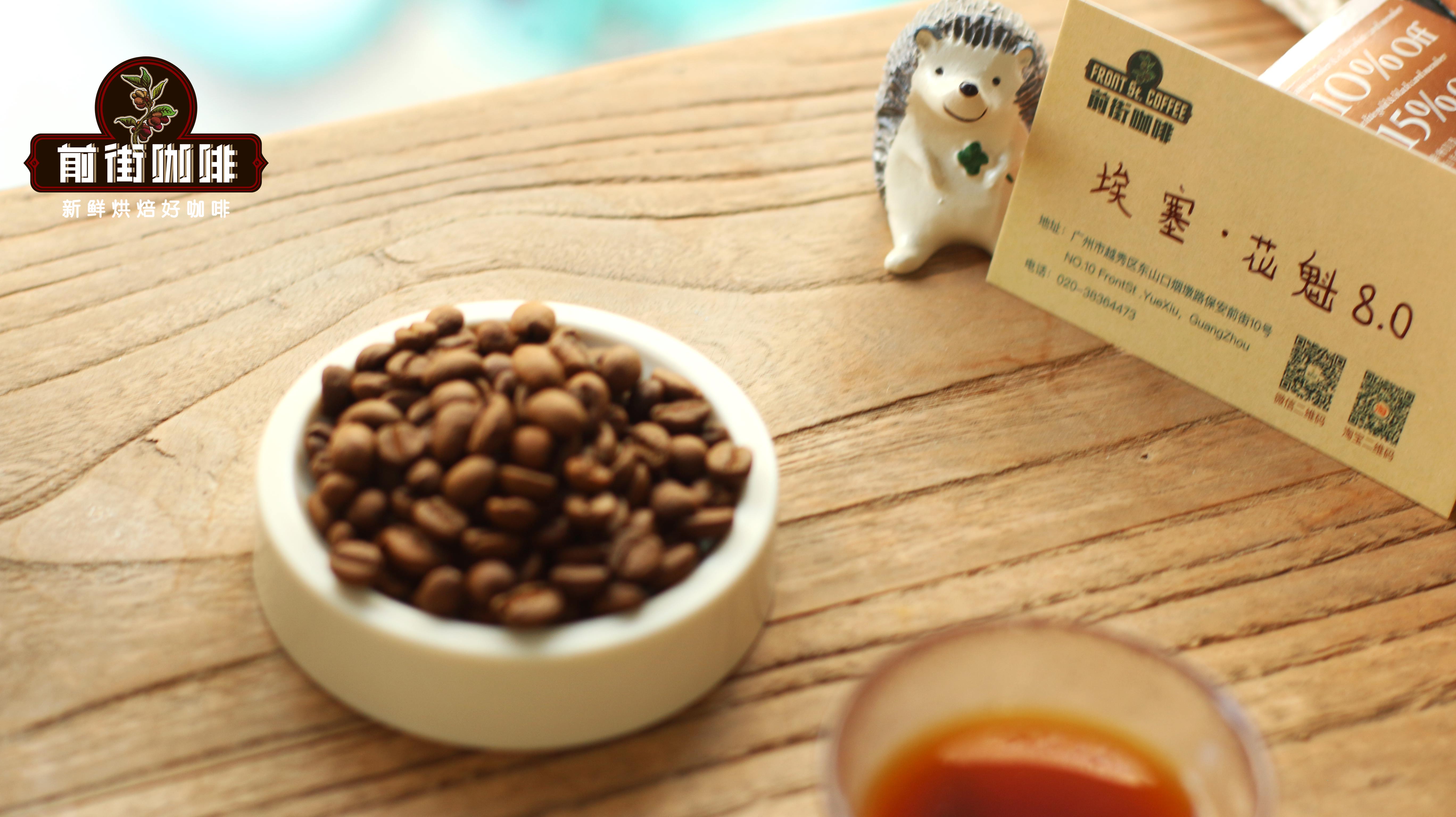
Another classic SOE is the Ethiopian Sidamo Huika 8.0, grown in the Guji Hambela region at an altitude of 2300 meters. It is a natural-processed heirloom variety. Its flavor profile features tropical fruits, strawberries, citrus, and light floral notes. It is best suited for a medium-to-light roast (e.g., 1.7 grind size, 90.5–96°C, 30-second extraction), yielding medium acidity, a viscous mouthfeel, and berry-like flavors, with a long finish and a hint of tea-like subtlety. This bean is particularly well-suited for drinkers who enjoy bright fruit acidity and floral-fruity notes.
The above content is compiled by CoffeeHunters, a coffee news website.

