







Introduction:Want to understand the difference between SOE (single origin espresso) beans and espresso blends? This article delves into the characteristics, suitable scenarios, and extraction essentials of both, while also exploring why some coffee shops prefer blends. From flavor stability and roasting strategies to practical extraction parameters, it helps you choose the most suitable type of coffee bean based on your needs and enhances your coffee experience.
Many coffee enthusiasts are curious about SOE (Single Origin Espresso), which has become increasingly common in specialty coffee shops. However, not all shops list SOE as a regular option, because single-origin beans can vary in flavor from batch to batch due to factors like weather, growing conditions, and roasting methods, making it difficult to ensure the consistency of each shot of espresso.
So, what exactly is SOE coffee? Simply put, SOE is espresso made from coffee beans sourced from a single origin or region, extracted using an espresso machine under high pressure. This type of coffee often highlights the unique flavor characteristics of its origin, such as pronounced citrus notes or layers of fruit acidity. Because high-pressure extraction amplifies flavor expression, SOE flavors are usually more vivid than those of pour over coffee, but this depends on precise bean selection and roasting.
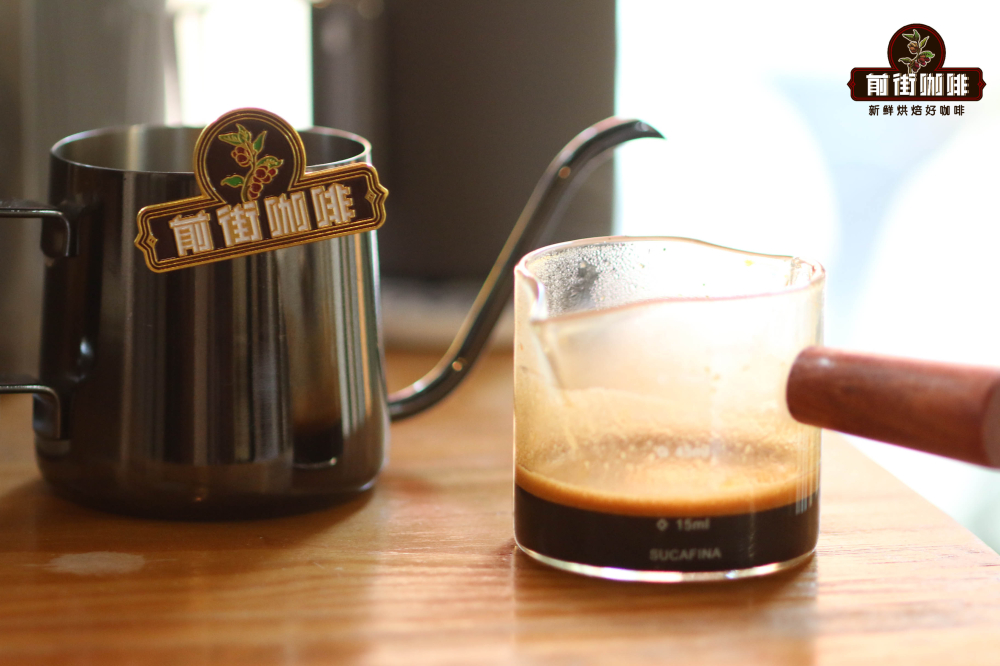
Several key points need special attention when making SOE. First, to highlight regional characteristics, the roast level is usually not too dark, which can also make flavor extraction more challenging. Therefore, it’s recommended to adjust extraction parameters—such as extending brew time, using a finer grind, or increasing coffee dose—to improve extraction yield. Additionally, when pairing with milk or water, proportions should be adjusted appropriately to avoid diluting the flavor; it’s suggested to reduce the base liquid to enhance the intrinsic coffee taste. Lastly, since the strengths and weaknesses of single-origin beans are more pronounced, bean selection and roasting strategies require extra caution to avoid amplifying flaws.
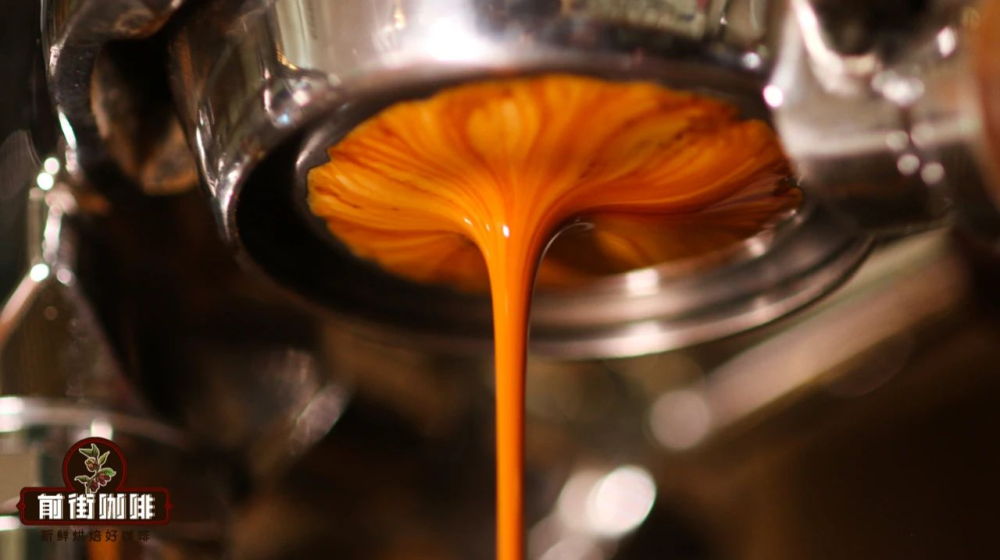
For example, if using Brazilian Queen Estate Yellow Bourbon beans to make SOE, it’s recommended to use about 20 grams of coffee grounds, extract 40 ml of coffee liquid, and control the time around 27 seconds, with a grind size of about 2.0 on the Galileo Q18 setting. Under these parameters, the flavor typically presents citrus, berry, and fermentation aromas, with a medium-to-bitter taste, bright and lively acidity. However, actual results may still require slight adjustments based on bean condition.
In contrast, the purpose of espresso blends is to create a stable and diverse flavor profile. Since single-origin beans can vary significantly between seasons or batches, blends can ensure long-term flavor consistency by combining multiple beans. When the quality of beans from a certain origin fluctuates, substitute beans with similar flavor profiles can be used to maintain overall output stability.
Another major advantage of blends is their ability to combine the characteristics of different beans, achieving a flavor balance that a single-origin coffee might not. For instance, pairing beans with high sweetness and strong acidity can achieve a harmonious sweet-and-acid balance; or adding a body-rich Brazilian bean can enhance the overall mouthfeel. Blend design starts with a clear target flavor profile—such as winey, chocolatey, or fruity—and then selects suitable green beans accordingly.
There are mainly two blending methods: pre-roast blending (生拼) and post-roast blending (熟拼). Pre-roast blending involves mixing multiple types of green beans before roasting. Its advantage is unified roasting, improving efficiency and ensuring even flavor, but it requires beans to have similar density; otherwise, flavor imbalance can easily occur. Post-roast blending means roasting each type of bean to its optimal state separately before mixing, allowing each bean’s characteristics to fully shine. However, it requires stricter management of resting periods and roast dates, making it suitable for recipes with high flavor detail requirements.
In practice, blend design needs to comprehensively consider the target flavor profile, including sweet-and-acid balance, desired body, and suitability for milk coffee or Americano. The recipe usually undergoes multiple tests and adjustments before finalization to ensure the final flavor meets expectations. For example, if the goal is a blend with rich winey notes and fruity acidity, beans processed via wine barrel fermentation could be prioritized, then handled according to their roasting characteristics to maximize flavor expression.
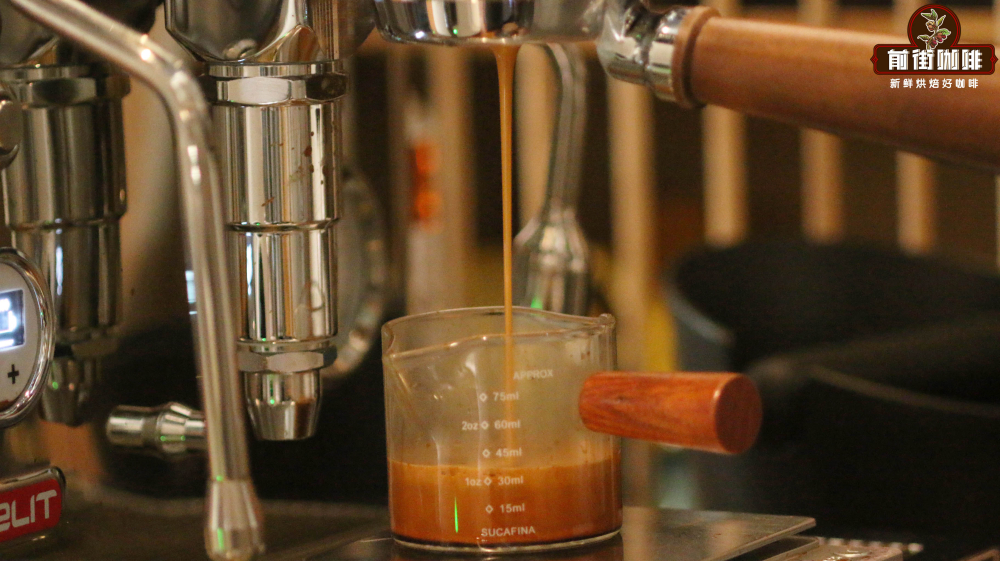
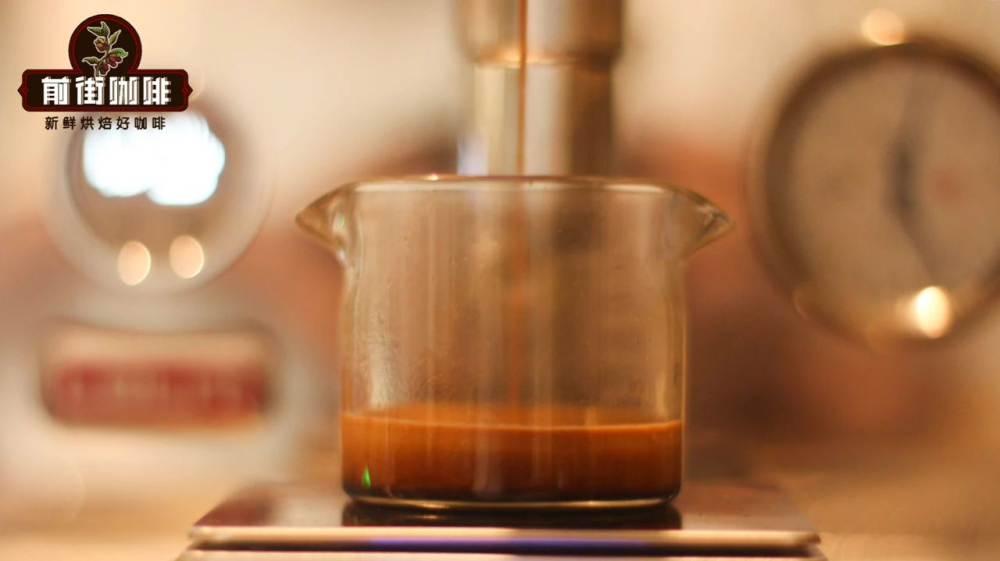
Extraction parameters also influence the final flavor. Taking a common espresso machine as an example, pressure is around 9 bar, water temperature is controlled at 90.5–96°C, extraction time is 20–30 seconds, and the coffee-to-water ratio is recommended at 1:1.7 to 1:2. A single shot typically uses 12 grams of coffee and extracts 20 ml; a double shot uses 20 grams and extracts 40 ml. These parameters can be fine-tuned based on the characteristics of the beans to present the best flavor layers.
The above content is compiled by CoffeeHunters, a coffee news website.

