








Introduction:Latte is the gateway coffee drink for many people, but when making it at home, issues like off-flavors, unstable foam, or imbalanced proportions often arise. This article delves into the differences between latte, cappuccino, and mocha, explains the golden ratio of espresso to milk, and offers practical brewing suggestions based on different roast levels and hot or cold preferences—helping you easily master professional-level latte preparation.
The name "latte" (Caffè Latte) itself reveals its essence—it is both coffee and milk. This wildly popular coffee beverage owes its status as a favorite to its perfect balance between the intensity of espresso and the smoothness of milk. However, home brewers often struggle with issues such as overly bitter coffee, overly milky flavor, insufficiently fine foam, or even confusion between latte, cappuccino, and mocha. " />
The key to an ideal latte lies in the harmony between espresso and milk. The espresso provides the core coffee flavors and a rich foundation, while the milk softens the taste, adding silkiness and warmth. When the two are in the right proportion, not only are the layers of coffee highlighted, but a smooth and enjoyable drinking experience is also created. This is why latte consistently ranks high on café menus.
Many beginners confuse latte with cappuccino and mocha. In fact, all three use espresso and milk, but differ significantly in proportions and presentation. Cappuccino is characterized by its “equal three-layer ratio”: espresso, steamed milk, and thick foam, typically with fluffy foam that creates a layered, velvety mouthfeel. Mocha, on the other hand, builds on the latte by adding chocolate syrup or cocoa powder, introducing a sweet and rich cocoa flavor.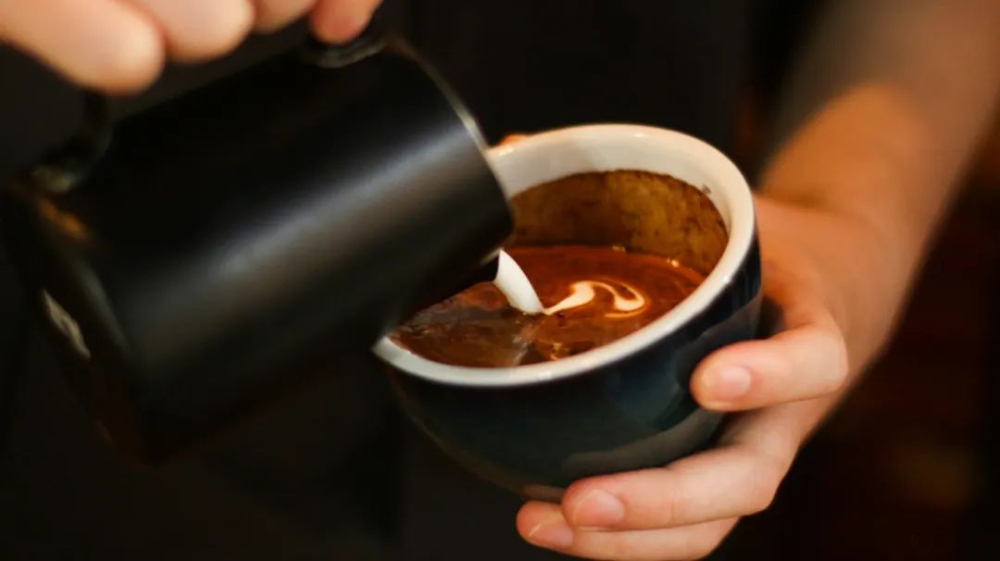 " />
When it comes to making latte, the espresso extraction ratio is undoubtedly the core factor influencing the overall flavor. Generally, the recommended coffee-to-water ratio for espresso is 1:2—that is, 20 grams of coffee grounds yield 40 grams of espresso, or 18 grams yielding 36 grams. The extraction time should be controlled between 25–30 seconds. Such conditions ensure a balanced coffee concentration with clear and harmonious aromas, making it ideal for specialty drinks like latte. Using medium to dark roast beans often highlights caramel and nutty richness.
If you opt for medium to light roast beans—such as those with prominent floral and fruity notes—it’s recommended to slightly adjust the grind size and extraction time, extending it to 30–35 seconds while maintaining the 1:2 coffee-to-water ratio. This approach can bring out more vibrant fruit and floral characteristics, adding dimension to the latte. However, light roast (especially very light roast) beans are more challenging for espresso extraction, often resulting in weak aroma or unstable extraction, so they are less recommended as a base for latte.
The ratio of milk to coffee is the key determinant of the final texture of a latte. Common suggested ratios range from 1:4 to 1:8, but there is no absolute standard, as factors like origin, roast level, and recipe of the coffee beans all play a role. Generally, too much milk will dilute the coffee flavor, losing its richness and depth, while too little milk may make the bitterness too pronounced, even masking the coffee's aroma. The ideal state is balance between the two to achieve the smoothness and richness that define a latte.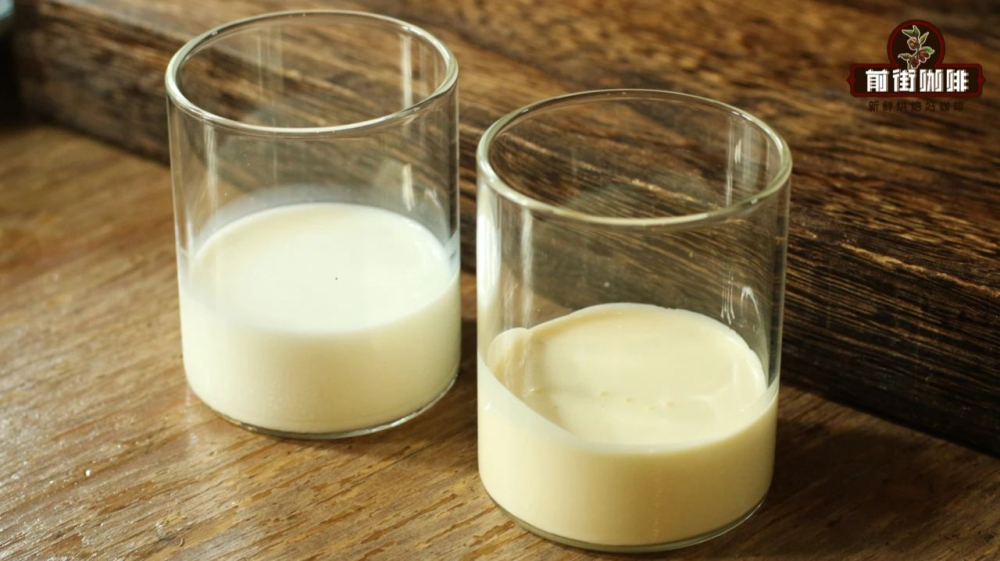 " />
If using dark roast beans, which typically feature intense, toasty flavors and even chocolatey aftertastes, it’s advisable to increase the milk ratio to 1:7 or even 1:8. This effectively balances the heaviness of the coffee. For example, when making a hot latte with very dark roasted Robusta, use 18 grams of coffee grounds to extract 36 grams of espresso, then add 288 grams of hot milk to create a rich and robust texture. For an iced latte, adjust the ratio to 1:7—for instance, 40 grams of espresso with 280 grams of iced milk—resulting in a more refreshing and less heavy drink. " />
For medium-dark roasts with flavors like roasted nuts, white chocolate, vanilla, or cream, it’s recommended to set the espresso-to-milk ratio between 1:5 and 1:6. This showcases sweetness and a silky texture. For example, a hot latte can use a 1:5 ratio, while an iced latte could pair 40 grams of espresso with 180 grams of fresh milk, roughly a 1:4.5 ratio, delivering a fresher and more zesty flavor. This range suits drinkers who prefer a balanced interplay of milk and coffee.
Lastly, if choosing medium-roast beans with more floral and fruity profiles—such as those featuring berries, citrus, or pronounced acidity—it’s best to lower the milk ratio to around 1:4. This highlights the coffee’s fresh qualities. For example, using 40 grams of espresso with 160 grams of milk can bring out clear fruit notes and a balanced acidity-sweetness profile. To further enhance the fruitiness, you can try increasing extraction intensity and pairing it with 200 grams of fresh milk, resulting in a latte that feels as smooth as cream with distinct layers of fruit aroma. " />




The above content is compiled by CoffeeHunters, a coffee news website.


