








Introduction:Latte is the starting point for many people’s coffee journey, but do you know its cultural origins and traditional preparation? This article delves into the history of the latte, its classic Italian method, and guides you through selecting the right coffee beans, mastering espresso extraction parameters, and steaming milk to silky perfection—step by step, helping you craft a professional-grade latte.
Although more people today are gravitating toward single-origin coffees, espresso-based drinks still hold a significant place in cafés. Especially at everyday coffee shops, espresso is not only the top-selling item but also an art form that balances flavor, body, and the harmony of acidity and bitterness. To ensure the essence of the coffee isn’t overshadowed by milk while achieving perfect synergy with it, choosing the right espresso blend and mastering proper extraction techniques becomes especially crucial.
 " alt="" />
When it comes to lattes, many people first think of coffee with milk added, but its origins are not so simple. The word “latte” in Italian means “milk,” and the earliest combination of milk and coffee is said to date back to the 17th century during the Ottoman Empire’s war with Vienna. A merchant named Fanz George Kolschitsky discovered coffee beans left behind by retreating Turkish troops and, drawing on his experience living in Turkey, was the first to try filtering the coffee and mixing it with milk and honey, creating a new kind of beverage—considered the prototype of the modern latte.
 " alt="" />
As for the modern-day latte, it refers to a drink consisting of about one-third espresso and two-thirds hot fresh milk, with a small amount of milk foam added as desired. The standard ratio is coffee:milk:foam = 1:2:1, with milk as the dominant component, making it ideal for those who prefer a smoother taste. Compared to cappuccino, the latte has less foam and a more pronounced milk flavor.
 " alt="" />
The basic method for making a classic Caffè Latte is very simple: just pour a small cup of espresso into nearly boiling hot milk. Many coffee shops adjust the milk ratio based on customer preferences or even add a bit of foam for texture. If you pour a layer of cold foam on top of the hot milk, you get what’s commonly seen at Starbucks—an American latte. Meanwhile, adding just two spoonfuls of foam on top of the espresso is what Italians call an Espresso Macchiato, meaning “stained coffee.”
 " alt="" />
Another common European variation is the Café au Lait. This French-style coffee is also made with espresso and hot milk, but it’s characterized by pouring both simultaneously into the cup and is often served in larger vessels, topped with cream foam. This drink is especially popular in France and is seen as a symbol of a leisurely morning.
 " alt="" />
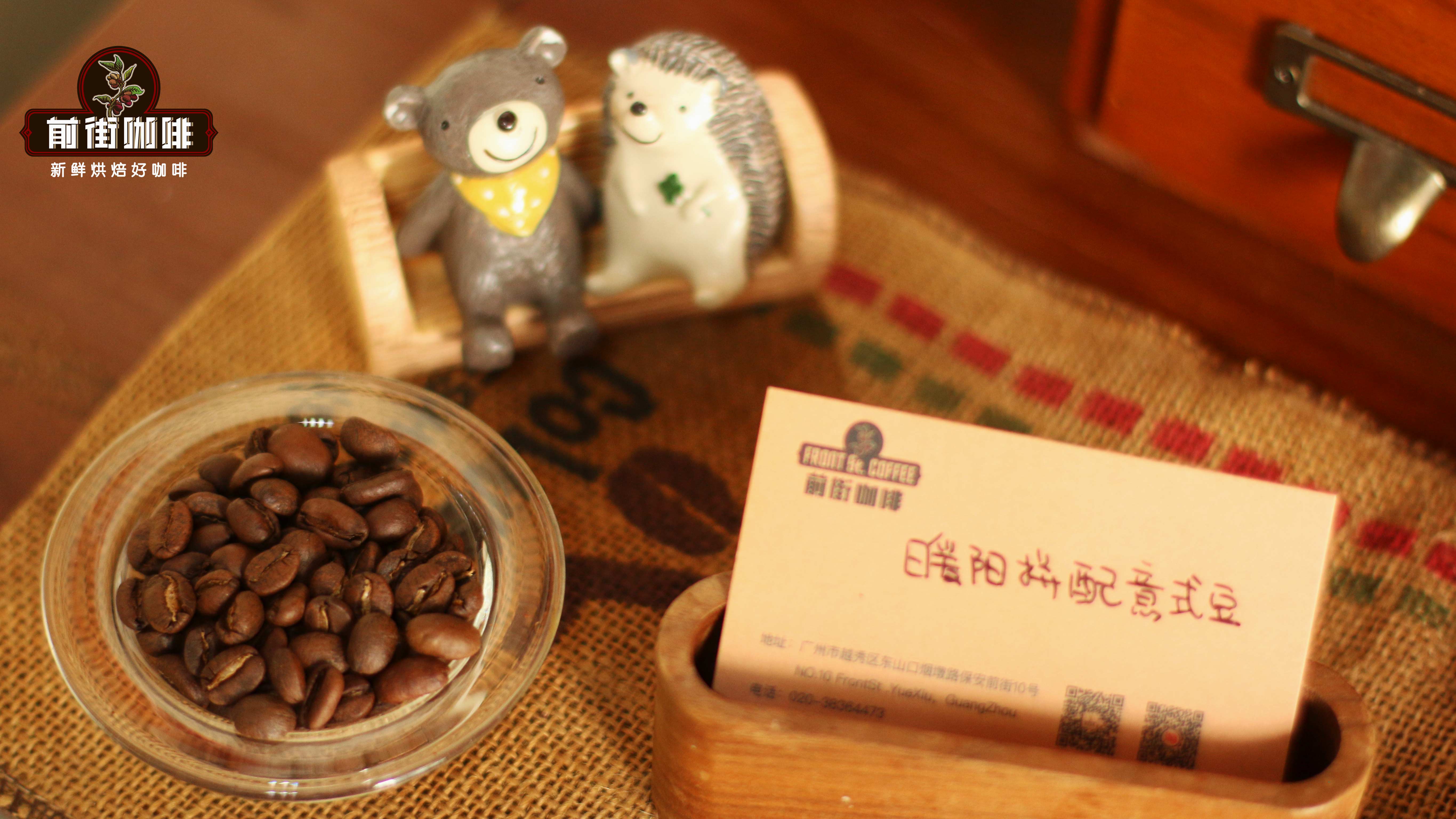
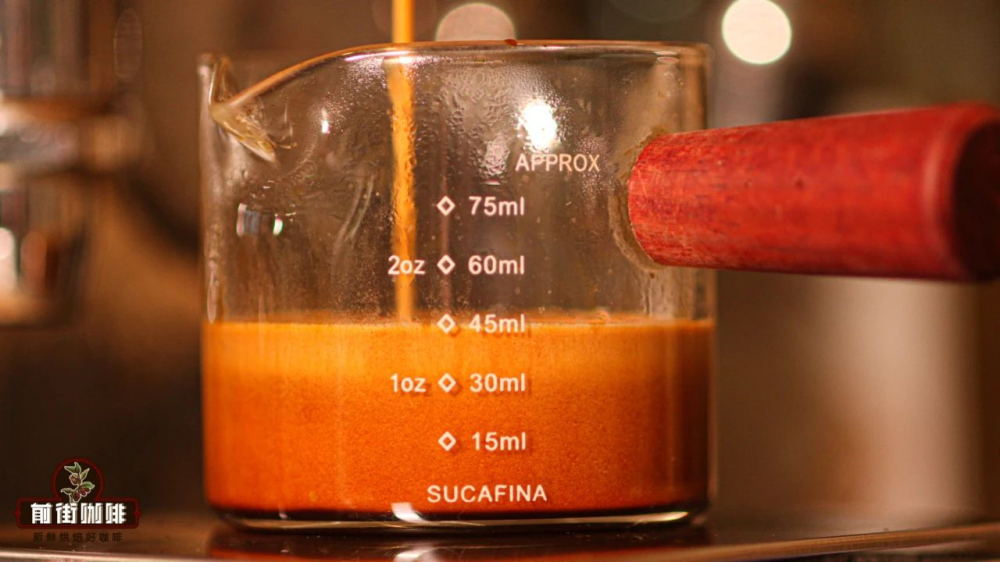
To make a satisfying latte, the key lies in extracting a stable and flavorful espresso, along with crafting milk foam that’s smooth and at the right temperature. Here are some practical parameters and tips for making it: using a 200ml ceramic cup as an example, with Sunflower Warm Sun espresso blend (a 7:3 mix of Honduran sherry cask-aged beans and Ethiopian sun-dried Yirgacheffe Red Cherry), the recommended coffee dose is 18g, yielding 36g of espresso in about 28 seconds. Pair with whole milk, steamed to around 50°C, with foam thickness controlled at 1cm, and the final coffee-to-milk ratio is roughly 1:9.
 " alt="" />
However, brewing a good espresso involves meticulous attention to every step—from bean selection and grinding to dosing and tamping. First, it’s recommended to let espresso beans degas for about 10 days. Even dark roasts, which degas more quickly, should not be used too fresh to avoid channeling effects that can impact extraction stability. Second, grind size should be fine-tuned daily according to weather and bean conditions, especially when there are significant changes in temperature or humidity, or after continuous extractions, as the heat can alter the burr gap. Adjustments are essential to maintain an extraction time of 25–30 seconds with steady and uniform flow.
 " alt="" />
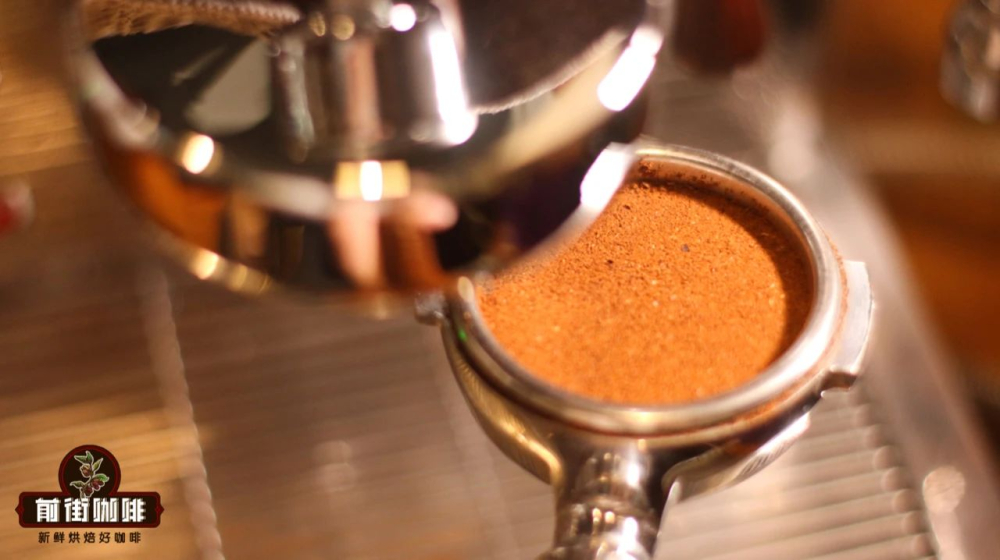
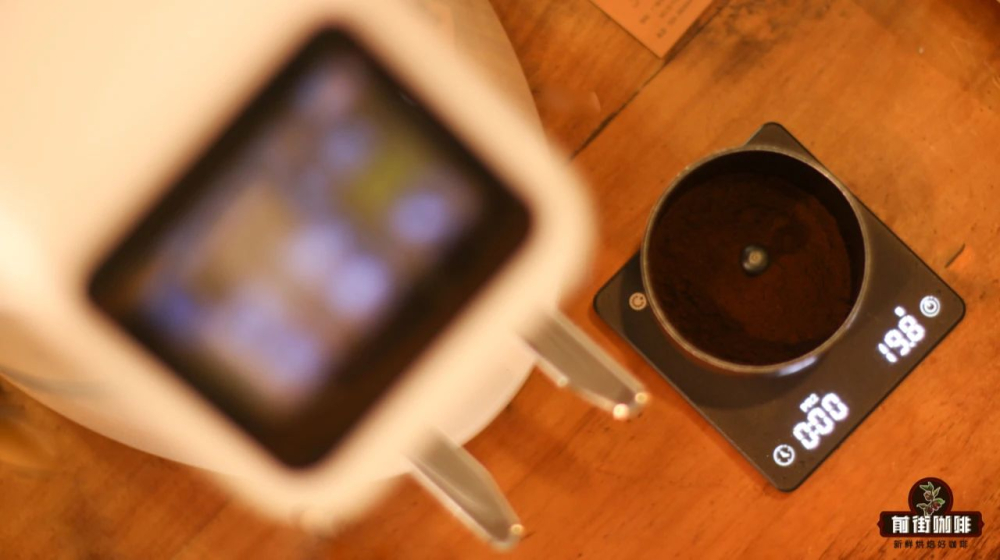
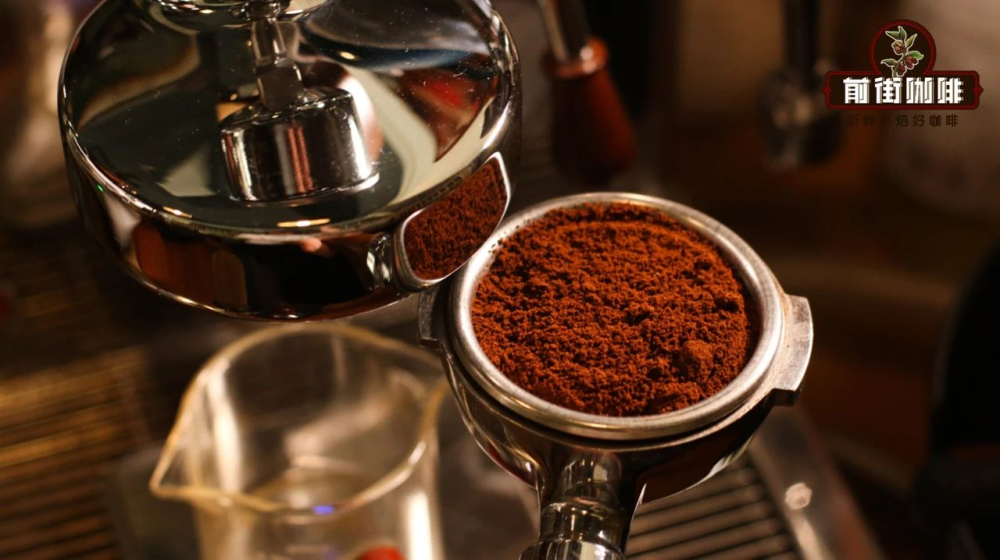
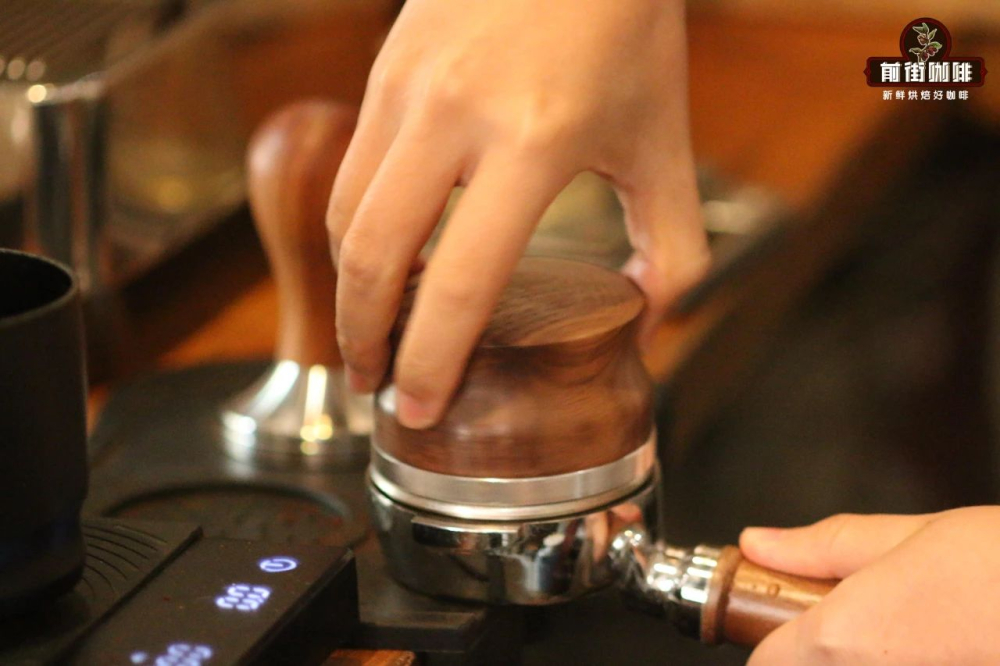
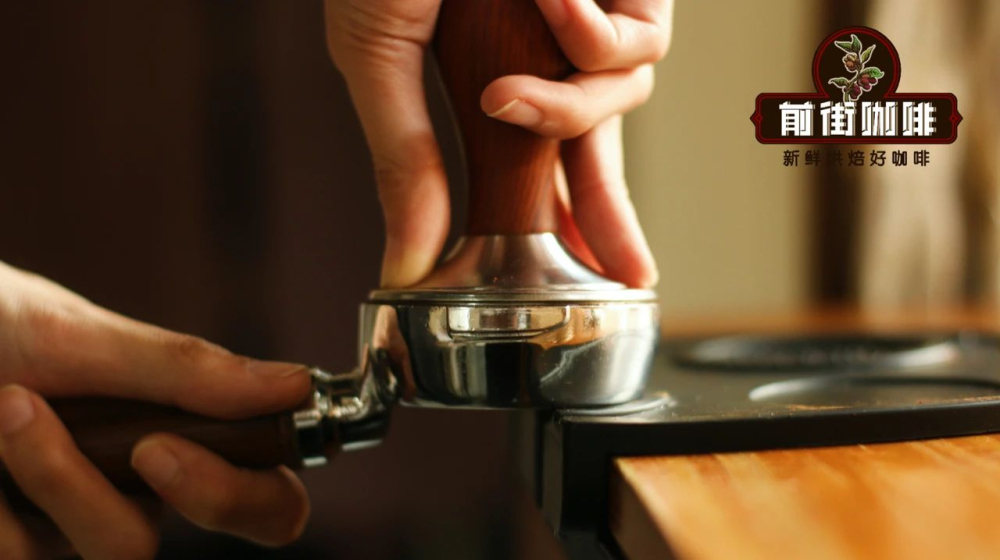
Coffee distribution and leveling also have a huge impact. When dosing, it’s advised to use an electronic scale and rotate the portafilter to evenly distribute the grounds, preventing uneven extraction due to inconsistent layering. There are various methods for leveling, whether it’s scraping, gently tapping, or using tools—the key is to achieve a compact and uniformly distributed coffee bed. Finally, when tamping, apply vertical pressure to ensure a firm puck, avoiding tilted compaction that could cause channeling and affect extraction uniformity.
 " alt="" />
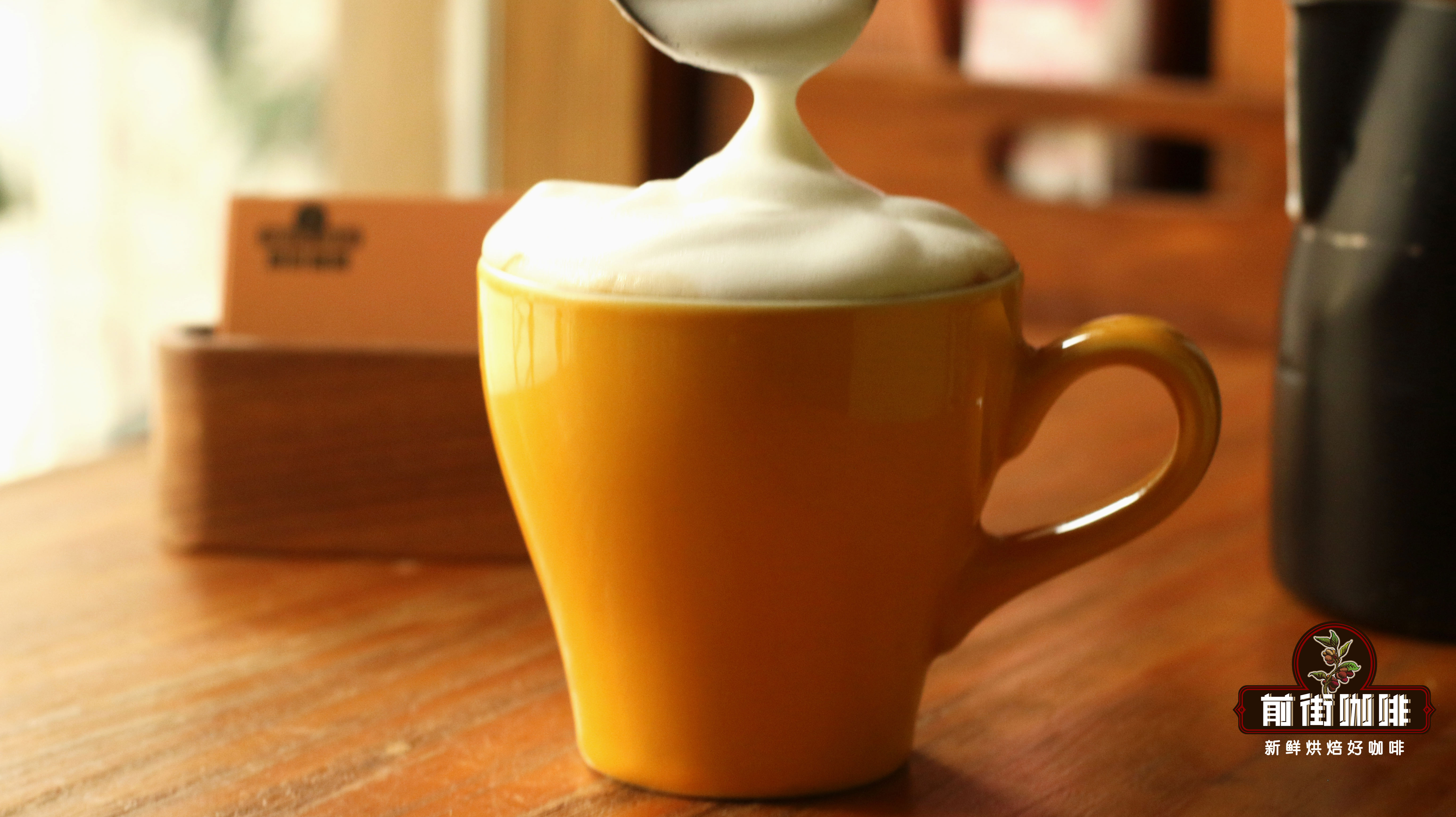
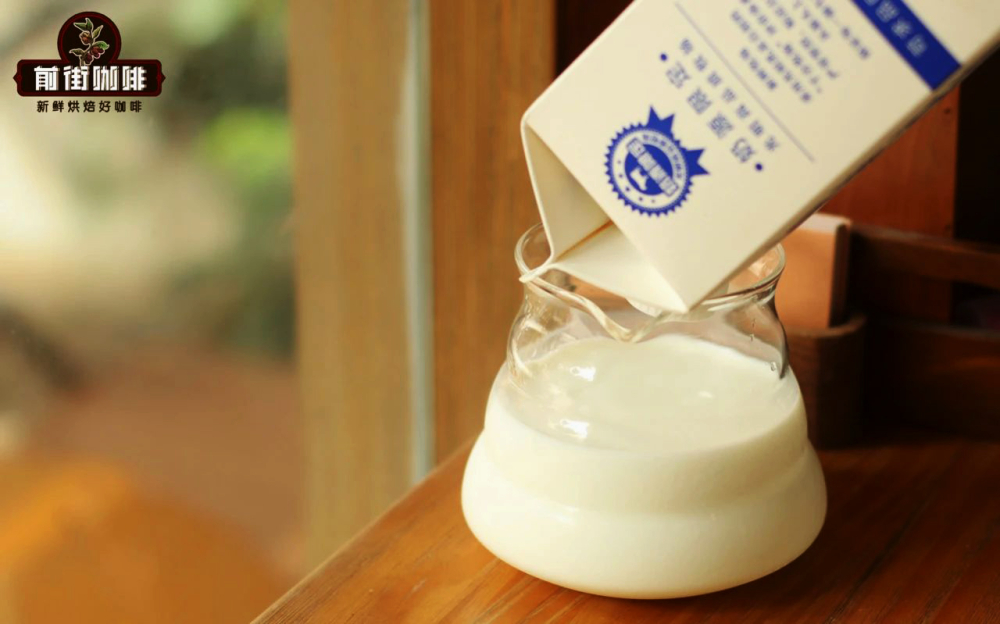
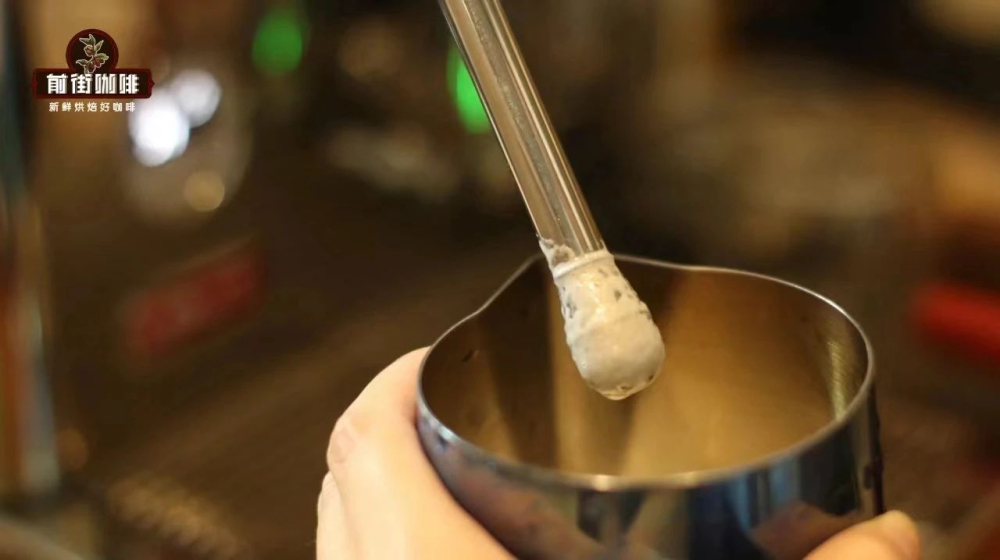
As for milk foam, it’s recommended to use whole milk with a fat content of 3.2–3.8% for optimal texture and smoothness. When steaming, insert the steam wand into the pitcher at about a 45-degree angle, around 1cm deep. First, allow steam to create initial bubbles in the milk, then adjust the angle to form a whirlpool, further refining the foam by breaking larger bubbles into fine microfoam. Stop steaming once the desired temperature and foam thickness are reached—overheating can compromise foam stability and taste.
 " alt="" />
Finally, combine the extracted espresso with the steamed milk. Gently swirl the espresso to release the crema, then pour the milk at a 40-degree angle, controlling flow rate and pour point. You can finish with latte art according to preference, adding visual appeal and fun. Practicing latte art can start with basics like a heart or layered pour, focusing on steady flow and hand control.
 " alt="" />
From historical roots to hands-on preparation, a latte is more than just coffee with milk—it’s a comprehensive art form that blends technique, proportion, and flavor. Master these essentials, and you can create a professional-grade Italian latte for yourself or others, whether at home or in the workplace.
 " alt="" />







The above content is compiled by CoffeeHunters, a coffee news website.

