








Introduction:As one of the most popular espresso-based drinks, the latte not only has a high milk-to-espresso ratio but also presents distinctly different flavors depending on whether it is served hot or cold. This article will delve into the historical origins of the latte, compare the taste differences between iced and hot lattes, and explain in detail the correct brewing ratios and techniques. It will also recommend several suitable espresso blends for making lattes to help you find the flavor that best suits your personal taste.
Among the many espresso-based beverages, the latte stands out with its high proportion of milk combined with espresso, making it a top choice for many coffee enthusiasts. However, did you know that the latte actually predates the espresso? Starting from the 17th century, Europeans began mixing coffee with milk, particularly in Italy, where this practice gradually evolved into what we now recognize as the latte. As early as 1867, the writer William Dean Howells mentioned the term "coffee latte" in his work for the first time, even though the espresso machine had not yet been invented—yet the trend of combining coffee and milk was already quietly emerging.
The name "latte" actually comes from the Italian word "Latte," which means milk.Therefore, if you order a "Caffè Latte" in Italy, you might just receive a glass of milk. The modern version of the latte we are familiar with gradually developed along with the popularization of the espresso machine and steam wand, incorporating steamed milk and latte art. Especially during the 1980s in Seattle, USA, baristas began using finely textured milk for latte art, transforming the latte into not just a taste experience but also a visual art form.


The basic composition of a latte is a large amount of milk paired with a small amount of espresso, but variations in coffee beans, milk quality, and extraction parameters used by different cafés can result in slightly different flavors in each cup.The generally recommended latte ratio is one part espresso to six to seven parts milk.This golden ratio allows the flavors of coffee and milk to balance each other—neither is overpowered by the other, while still highlighting the layers of flavor in the coffee itself.
As for whether a hot or iced latte tastes better, it really depends on personal preference. A hot latte makes the lactose sweetness of the milk more pronounced, and when paired with finely textured steamed milk, it has a smooth and velvety mouthfeel; whereas an iced latte is refreshed by the addition of ice cubes, making it especially suitable for summer drinking. However, as the ice melts, the coffee flavor may gradually fade—a factor worth considering when making your choice.


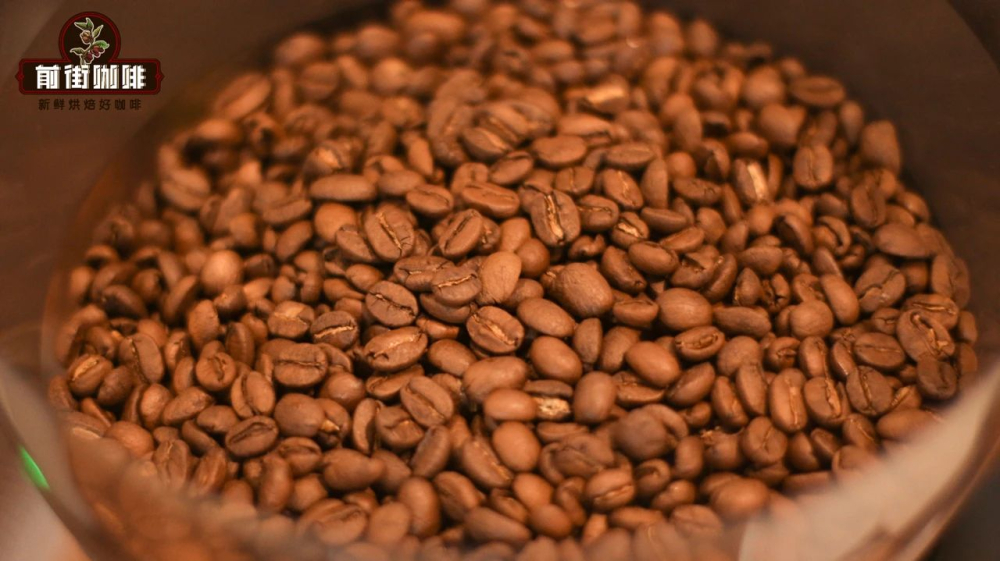
To make a latte with outstanding flavor, choosing the right coffee beans is crucial. Since the latte uses espresso as its base, it’s recommended to select espresso blends suitable for extraction via espresso machines—too light a roast can result in overly prominent acidity, making it difficult to harmonize with milk. In contrast, medium to dark roasts bring out caramel, chocolate, and nutty notes, complementing the sweetness of the milk.
For example, a blend made from Honduran Sherry and Yirgacheffe Natural Red Cherry can showcase rich chocolate and caramel aromas in milk, along with a hint of wine-like notes and berry tones, making it very suitable for a latte. Additionally, you can choose different flavored blends based on personal preference, such as those leaning toward nutty characteristics, bright fruit acidity, or rich dark chocolate—all of which can offer unique flavor experiences in a latte.





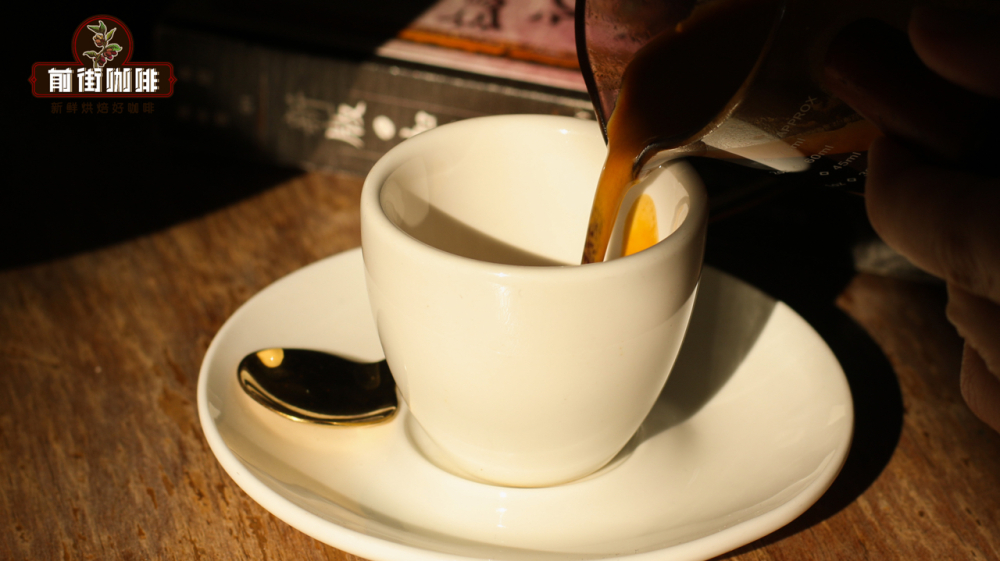
When making a latte, the parameters used to extract the espresso also affect the final flavor.It is generally recommended to use 9 bar pressure, with water temperature controlled between 90.5–96°C, extraction time of about 20–30 seconds, and a coffee-to-water ratio of 1:1.7 to 1:2.Using a double shot of espresso (about 40ml) as the base, paired with 260ml of hot milk, can create a standard hot latte; for an iced latte, it is recommended to mix 300ml of cold milk with ice cubes, then pour in 40ml of espresso to achieve a refreshing yet rich taste.
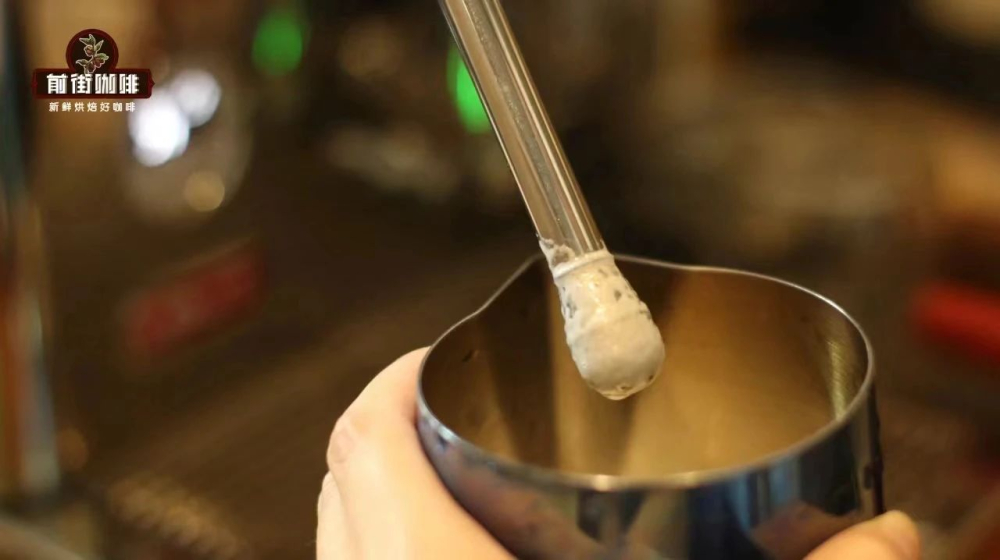
Frothing the milk is one of the key steps in making a hot latte.The ideal milk foam thickness is about 1 cm, with temperature controlled between 50–60°C.Temperatures that are too high can damage the protein structure, resulting in coarse foam, while temperatures that are too low cannot fully release the sweet aroma of the milk. When frothing milk, you should first flush the steam wand to expel condensation, then insert the steam wand diagonally into the milk, maintaining an appropriate depth and angle. Hearing a sound similar to blowing through a straw indicates that the foam is forming evenly.

Whether it's a hot latte or an iced latte, the key lies in the harmony and balance between coffee and milk. Hot lattes are loved by many for their rich milk aroma and natural sweetness, while iced lattes shine with their refreshing texture and distinct coffee aroma.By selecting the right coffee beans and mastering the correct extraction and milk frothing techniques, you can enjoy a perfect latte tailored to your own taste—at home or in a café.。


The above content is compiled by CoffeeHunters, a coffee news website.


