








Introduction:Flat White, Flat White, Flat White... These names all refer to the same globally popular milk coffee. But do you know where it actually originated? Why is it more favored by specialty coffee lovers than a latte? This article delves into the history of the Flat White, its key differences from lattes and Flat Whites, and provides professional-level home brewing parameters and tips to help you master—from beginner to expert—this exquisite balance between delicate microfoam and rich coffee.
Walk into any modern café and order a “Flat White,” “Flat White,” or “Flat White,” and you’re actually ordering the same classic milk coffee. Though named differently, they all represent a small cup of espresso-based drink originating from Australia or New Zealand (still debated), featuring extremely thin microfoam and a more pronounced coffee flavor. Thanks to its concentrated taste and delicate foam, this style of milk coffee has gained increasing popularity in the global specialty coffee market in recent years, especially among consumers who value the intrinsic flavors of coffee.
Does Flat White come from Australia or New Zealand?This remains a topic of ongoing debate in the industry. Some believe that since the 1980s, local cafés have consistently offered this style of coffee on their menus—with thinner foam and a higher ratio of espresso—and it gradually made its way to Europe and the United States. Others point out that this coffee first appeared in certain regional cafés, characterized by a double shot of espresso base and presented with extremely fine microfoam. Regardless of its origin, what’s certain is that after a well-known international coffee chain introduced it to the Chinese market in 2015 and named it “Flat White,” it officially became a mainstream coffee beverage.

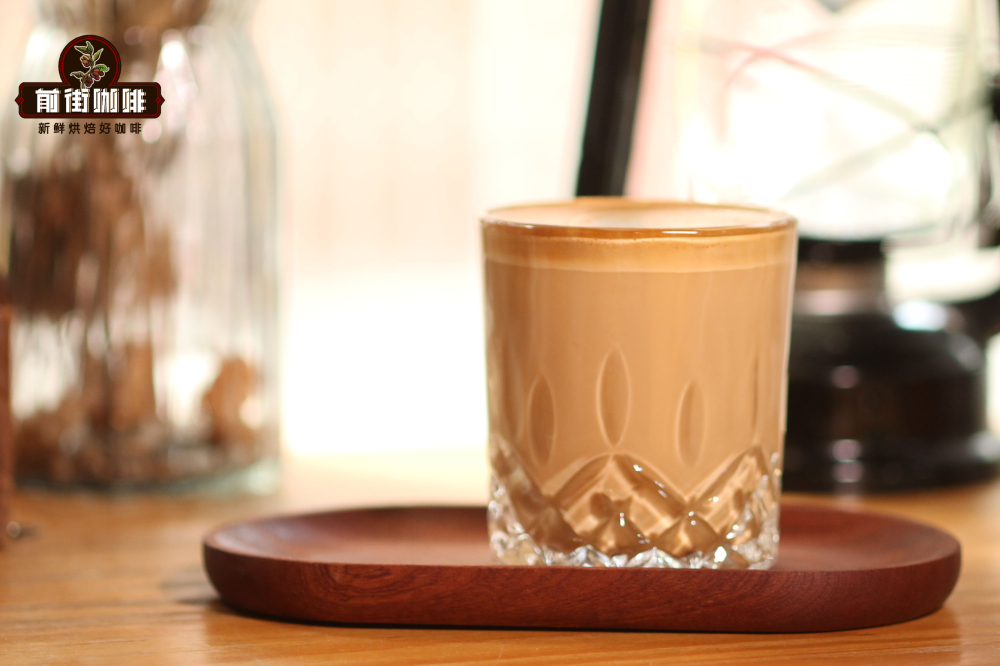
So,why is Flat White so popular?The key lies in its pursuit of extreme detail. To ensure every sip delivers a harmonious blend of microfoam and coffee-milk, Flat White demands that the foam be extremely fine and thin, while the coffee temperature should not be too high, allowing the full flavor to be enjoyed in the shortest time possible. Using low-quality coffee beans, poorly extracted espresso, or coarse foam can easily expose these flaws in the small-sized Flat White, thus requiring higher barista skill and stricter quality control of ingredients.
With the rise of the specialty coffee trend, more and more cafés are using single-origin coffee beans to make espresso (i.e., SOE, Single Origin Espresso) to highlight the regional characteristics of the beans. Compared to larger-sized lattes or cappuccinos with thick foam,Flat White is better suited to showcasing the delicate fruity, floral, and rich layered notes of coffee, making it a favorite among many coffee enthusiasts.

Since Flat White, like a latte, is also made with espresso and milk, what’s the difference between them? In Italian, “Latte” means milk, so a latte emphasizes the balance between coffee and milk—allowing you to enjoy both the richness of the coffee and the smoothness and sweetness of the milk. On the other hand,Flat White puts coffee in the spotlight, with milk playing a supporting role, highlighting the intense expression of coffee flavors. For this reason, it often uses a double shot of espresso or even a more concentrated Ristretto as the base, with finer and less microfoam.

In different regions, the presentation of Flat White also varies slightly. For example, in some places, baristas typically use a small cup of about 150ml and insist on a double shot of espresso; in other places, some baristas opt for a double Ristretto instead, making the coffee flavor more concentrated and bright in the front, paired with milk foam of similar thickness to a latte in the same small cup. In yet other regions, many baristas prefer to use the same cup size as a latte but focus onmicrofoam that is only 0.3–0.5cm thick, level with the rim of the cup, without letting the foam layer rise, ensuring each sip includes both coffee and fine microfoam.

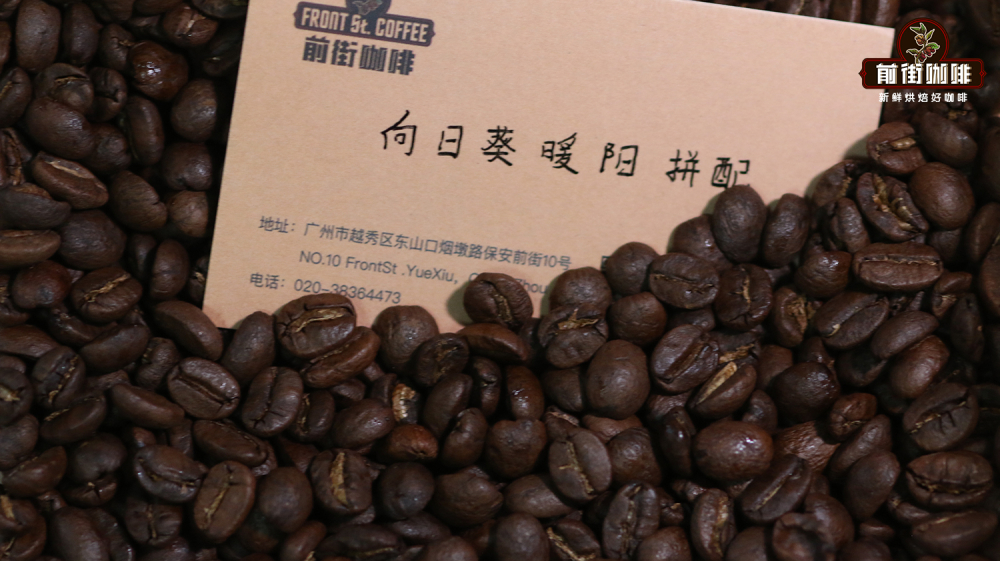
Want to replicate a professional-grade Flat White at home? Actually, by mastering just a few key parameters, you can enjoy this rich yet delicate coffee at home. Taking the common practice of specialty cafés as an example, the coffee base often uses a double shot of espresso or double Ristretto, with about 20 grams of coffee grounds yielding 30–40 grams of espresso, extracted over 22–32 seconds, adjusted according to the flavor profile of the beans. For instance, using a certain brand’s self-roasted “Sunflower Warm Sun Blend” (70% Honduran Sherry + 30% Ethiopian Yirgacheffe Natural), it is recommended to use 20 grams of coffee for 30 grams of yield, around 22–24 seconds, bringing out complex layers of whiskey, vanilla, cream, and berries.
For milk, it’s recommended to use about 150ml, paying attention to controlling the amount of bubbles when steaming to achieve thinner and denser microfoam, keeping the temperature between 55–60°C, balancing texture and flavor. Pour the steamed milk slowly into the coffee—there’s no need for fancy latte art. Because the microfoam is extremely thin, the overall liquid level of the drink will be relatively flat, which is why some people affectionately call the Flat White the “flat white coffee.”

If you prefer a stronger, darker-roast-style coffee, you can also use a classic espresso blend (such as a mix of Brazilian, Indonesian, and Vietnamese beans), using a double standard shot of espresso (1:2 coffee-to-water ratio, 20 grams yielding 40 grams, extracted over 28–32 seconds) as the base, paired with 150 grams of fresh milk with thin microfoam. You can optionally add a simple design for visual appeal. This version of Flat White will present flavors of caramel, chocolate, and rich roasted notes, suitable for those who enjoy a fuller-bodied taste.


The above content is compiled by CoffeeHunters, a coffee news website.


