








Introduction:Flat White, an Australian-style white coffee, has gained global popularity in recent years, but its origins remain a point of contention between Australia and New Zealand. This article delves into the differences between Flat White, latte, and cappuccino—including key parameters such as the ratio of coffee to milk and the thickness of the milk foam—while also offering practical brewing and steaming techniques to help you better appreciate the unique flavors of these three classic milk-based coffees.
When it comes to milk coffee, many people first think of the latte, but in recent years, Flat White has gradually become the new favorite among coffee enthusiasts. This coffee beverage originating from Oceania actually first appeared in Australia and New Zealand in the 1980s. Although the two countries each claim to be its birthplace, there's no denying that Flat White has won widespread acclaim for its intense coffee flavor and smooth texture.

The name "Flat White" can be traced back to a 1960s British film, *Danger by My Side*, where it referred to coffee as weak as water. It wasn’t until the 1980s that the modern concept of Flat White began to appear in clear records. In Australia, the drink was mentioned in reviews as early as 1983, while in 1984, a Sydney newspaper used "flat white" to satirize the then-popular latte. By 1985, some cafes had included it on their official menus, and even the Parliament House restaurant specified serving "flat white only."

Meanwhile, New Zealand also has its own origin story for Flat White. It’s said that a cafe in Auckland created this drink as an alternative to the latte, and in 1989, a barista in Wellington accidentally produced Flat White when the milk foam turned out too thin. To this day, Australia and New Zealand continue to debate who the true birthplace is, but one thing remains unchanged—the hallmark of this coffee: the perfect balance between strong coffee aroma and light milk foam.

Interestingly, even though the name is the same, the standards for making Flat White differ between Australia and New Zealand. Australia typically uses a single shot of espresso, while New Zealand prefers a double ristretto. The so-called ristretto refers to extracting only the first and middle parts of the espresso shot, resulting in a more concentrated and intense flavor compared to a regular espresso, with a richer mouthfeel.

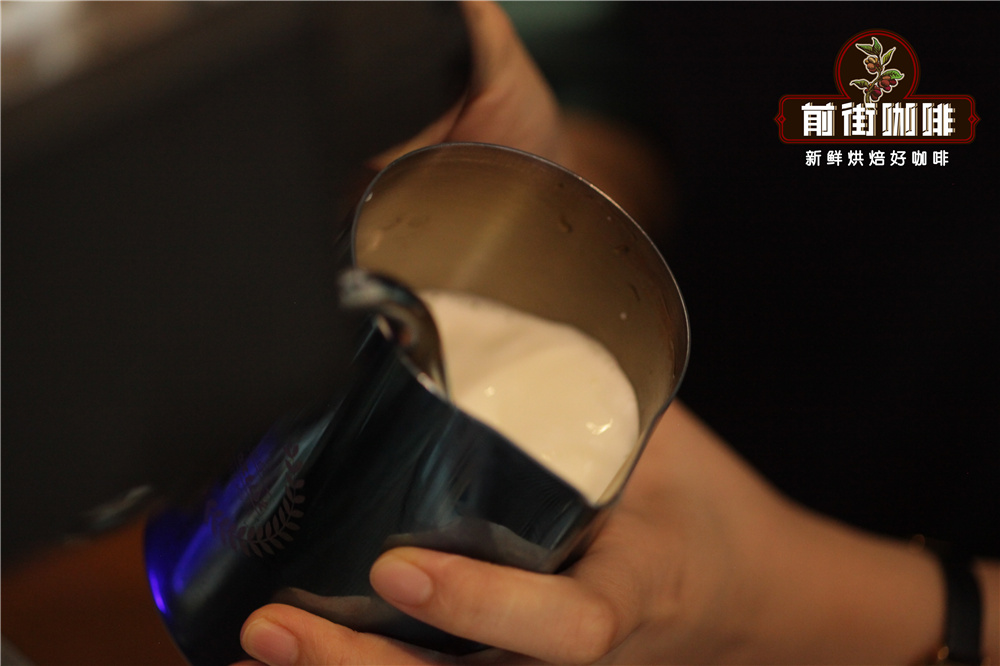
In actual preparation, the coffee-to-milk ratio for Flat White is approximately 1:3 to 1:4, and the thickness of the milk foam is one of the key factors. Compared to latte and cappuccino, Flat White has the finest and thinnest milk foam, which makes the coffee flavor more prominent and minimizes the interference from milk. It is generally recommended to use a cup of about 240 milliliters. When steaming the milk, let it rotate first, then gently introduce air, and finally form a fine, dense foam. For latte art, you can choose a center dot or a simple heart shape.

Compared to latte and cappuccino, the latte has the highest milk proportion and medium-thickness foam, making it suitable for those who prefer a strong milky flavor; the cappuccino, on the other hand, has the thickest foam and a more balanced coffee-to-milk ratio, delivering a thick and layered mouthfeel. Flat White sits between the two but places greater emphasis on the essence of the coffee, with a milk foam as thin as silk, allowing every sip to highlight the rich aroma of the coffee.

Additionally, the technique of steaming the milk also affects the final flavor. It is recommended to use fresh whole milk, with the temperature controlled between 55°C and 60°C—too hot will damage the structure of the foam. When combining the coffee and milk, maintain a steady flow rate to ensure the foam blends evenly and avoid layering. For coffee beginners, mastering the foam thickness and blending technique is key to enjoying Flat White.
In summary, the differences between Flat White, latte, and cappuccino mainly lie in the coffee-to-milk ratio, the thickness of the milk foam, and the overall taste. Flat White stands out with its more intense coffee expression and extremely delicate foam, making it the top choice for those who enjoy the essence of coffee while maintaining a balanced milky note. Whether it’s the Australian or New Zealand version, both offer a unique coffee experience worth savoring by every coffee enthusiast.



The above content is compiled by CoffeeHunters, a coffee news website.


