








Introduction:Want to understand the difference between Americano and espresso? Or just starting out and hoping to make a smooth iced Americano at home? This article will explain the differences in detail—from definitions, flavor profiles, brewing methods, to step-by-step home preparation—helping you master basic techniques and flavor essentials. Whether you’re a beginner or looking to improve your home brewing skills, you’ll find practical insights here.
Among the many coffee options, the Americano has consistently been a top choice on café menus, enjoying widespread acceptance among both male and female consumers. Compared to female customers who often prefer milk-based coffees, the Americano’s neutral flavor successfully transcends gender boundaries, becoming a daily pick-me-up for many.
What is an Americano?In short, it is a coffee beverage made by diluting espresso with hot water. It originated when Americans first encountered espresso in Italy and, unaccustomed to its intense and concentrated taste, added water to adjust the strength, creating a drink closer in flavor to drip coffee. This approach also made the Americano an easy-to-drink and widely accepted basic form of coffee.

The popularity of the Americano isn’t just due to its affordability—it’s also highly versatile. Consumers can adjust the coffee-to-water ratio according to personal taste preferences, making it suitable for both strong and mild palates. Compared to milk-based coffees like lattes or cappuccinos, the Americano doesn’t require additional milk, which not only lowers costs but also eliminates the hassle of choosing milk options. In addition, cafés typically use cost-effective espresso blends to brew it, balancing flavor and budget considerations.
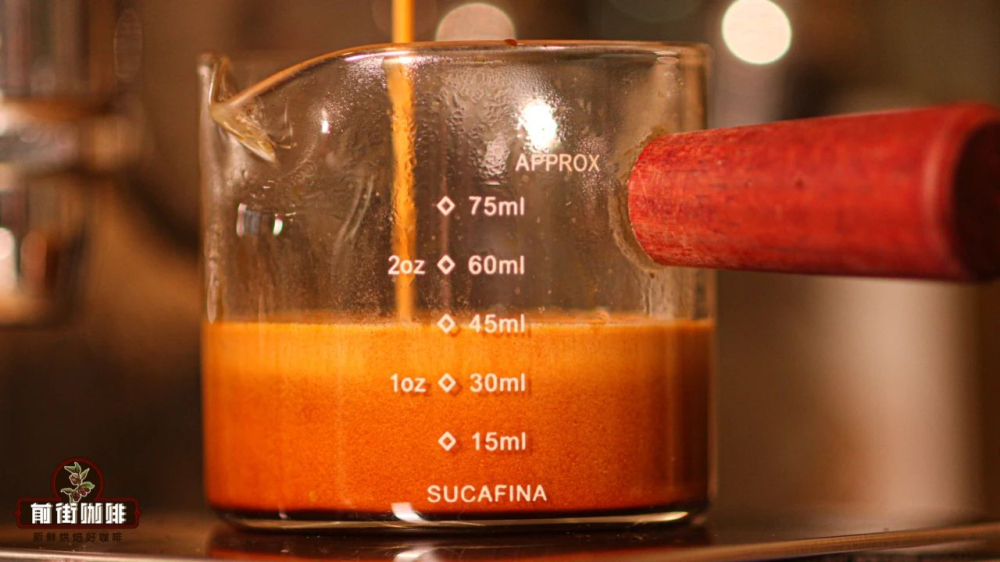
Brewing a satisfying cup of coffee actually requires the barista’s expert skill. How to extract rich yet balanced flavors under high temperature and pressure by precisely controlling the roast level and bean blend is a profound art. One must understand the characteristics of beans from different regions and have in-depth knowledge of roast profiles and flavor wheels to present the layers and body that define a good Americano.

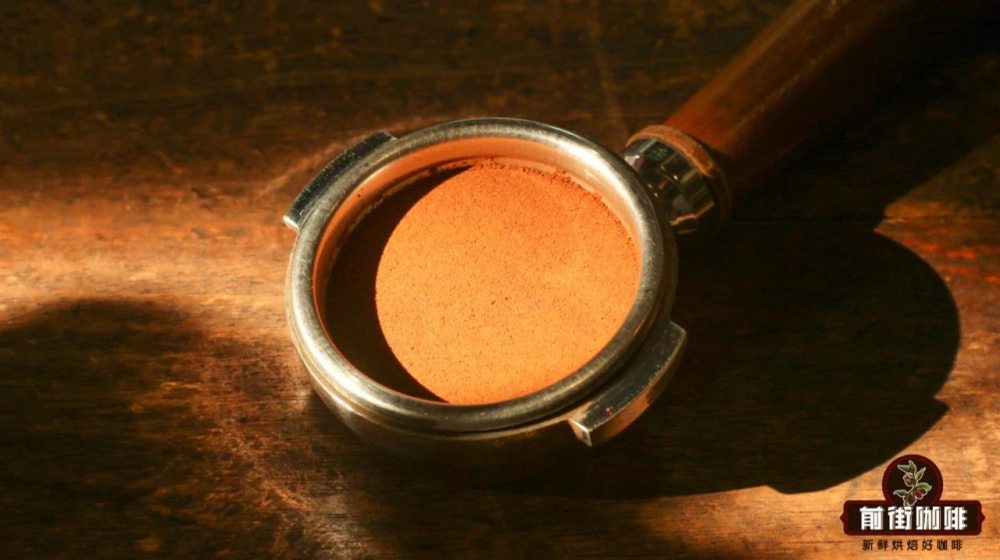
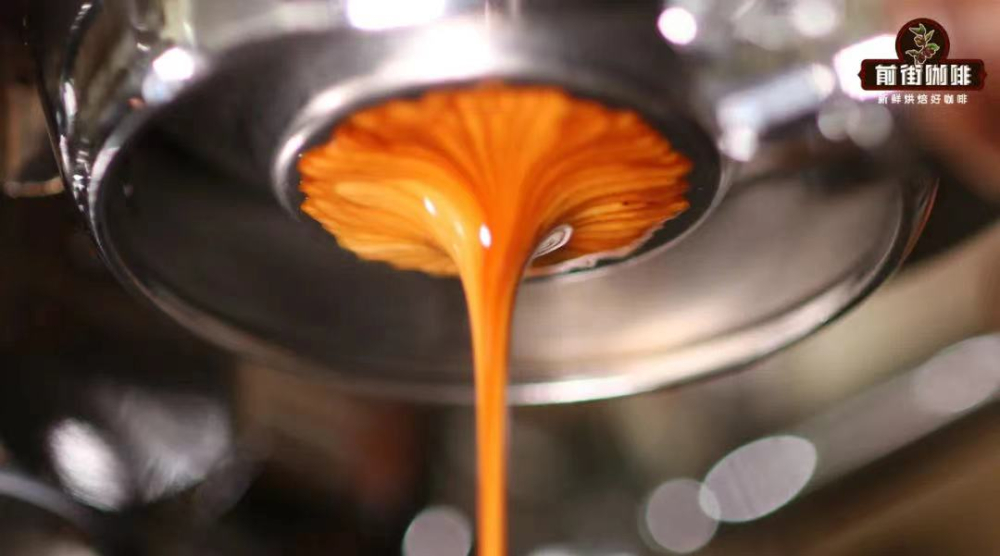
If you want to make an Americano at home, you’ll generally need an espresso machine to extract the espresso base. When brewing, it’s recommended to grind the coffee beans to a very fine consistency and fill the portafilter basket to the manufacturer’s suggested capacity. Then, extract using a 1:2 coffee-to-water ratio (for example, 20 grams of coffee grounds yielding 40 grams of espresso), and then dilute with hot water to taste. This ratio helps fully express the aroma and flavor of the coffee without being too thin or overly bitter.
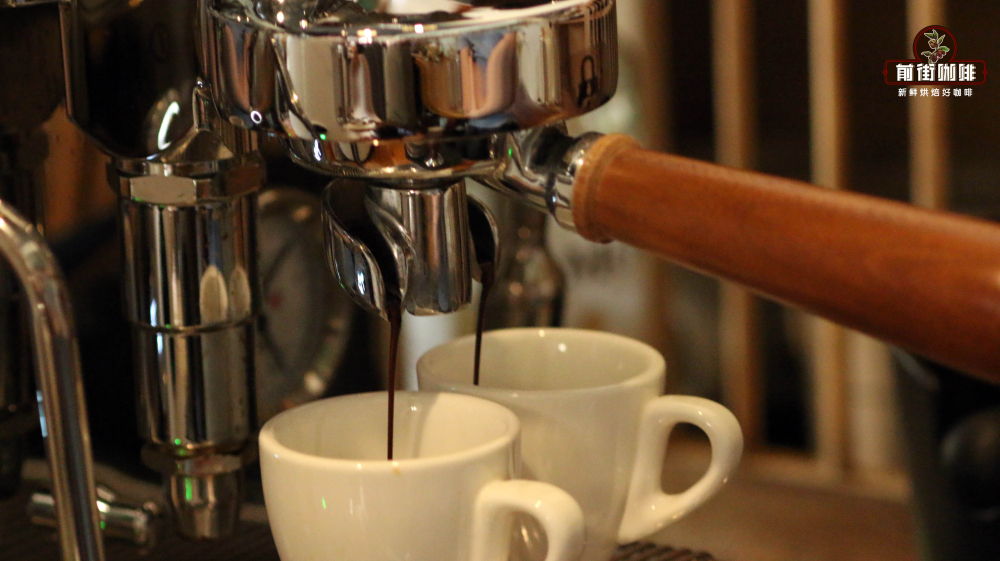
After multiple practical tests,a coffee-to-water ratio of 1:6(for example, 40 grams of espresso mixed with 240 grams of hot water around 88°C) perfectly highlights the flavor layers and suits most people’s tastes. For those who prefer iced Americano, you can replace the hot water with 120 grams of ice cubes plus 120 grams of room-temperature water, and enjoy it before the ice completely melts to experience the best texture and refreshing sensation.

If you don’t have an espresso machine at home, don’t worry—you can use commercially available instant espresso liquid or freeze-dried coffee powder. Just follow the package instructions to mix with the appropriate amount of hot or cold water, and you can quickly prepare a simple version of Americano. Although it may be slightly less complex in flavor, it remains a convenient option for busy days.

Additionally, different flavor profiles of coffee blends will also affect the final result. For example, blends with notes of wine, berries, and nuts are suitable for slightly higher water temperatures and longer extraction times to bring out the layers, while those with caramel and cocoa notes are better suited to medium to medium-dark roasts, ideal for drinkers who prefer a richer taste. Experimenting with different blends and ratios is also part of the fun in discovering your personal coffee preferences.
In summary, no matter which method you choose to make an Americano, the key lies in understanding the basic principles and flexibility in adjustment. From recognizing the difference between espresso and Americano, to mastering extraction and dilution ratios, every step influences the final flavor. With the right know-how, you can easily enjoy a perfect Americano tailored to your taste at home.
The above content is compiled by CoffeeHunters, a coffee news website.


