








Introduction:Americano is not just black coffee—it’s one of the most widely consumed forms of coffee around the world. This article delves into the origins of Americano, its relationship with espresso, and provides a detailed guide on selecting suitable coffee beans, home brewing steps, and key extraction parameters. Whether you're a coffee beginner or an enthusiast looking to refine your brewing skills, you’ll gain practical knowledge on how to craft a balanced and flavorful Americano.
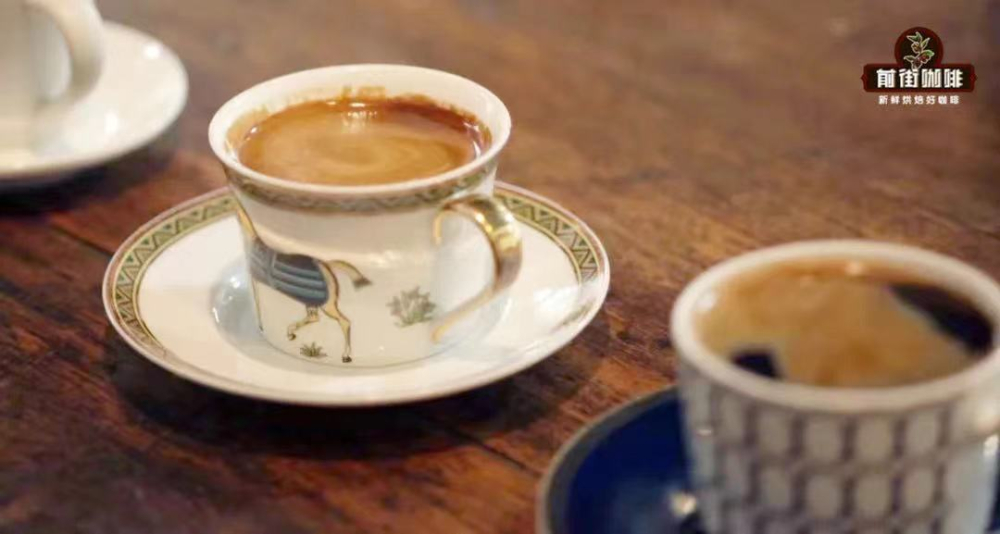
Many people enjoy drinking Americano not only for its refreshing and energizing qualities, but also because it helps improve focus and, when consumed in moderation, can aid in reducing water retention and managing calorie intake. But where does it actually come from? Why is it often mistakenly thought to have been invented by Americans? In fact, according to the Oxford English Dictionary, an Americano is defined as a coffee beverage made by adding hot water to espresso—clearly showing that its soul comes from espresso.
As for the origin of Americano, one popular story goes that during World War II, American soldiers couldn’t adapt to the high-concentration, pressure-brewed coffee commonly found in Italy, so they diluted it with water themselves, creating the earliest version of what we now know as Americano.Regardless of its exact origin, the modern Americano is essentially based on espresso, with hot water added to adjust concentration and flavor.

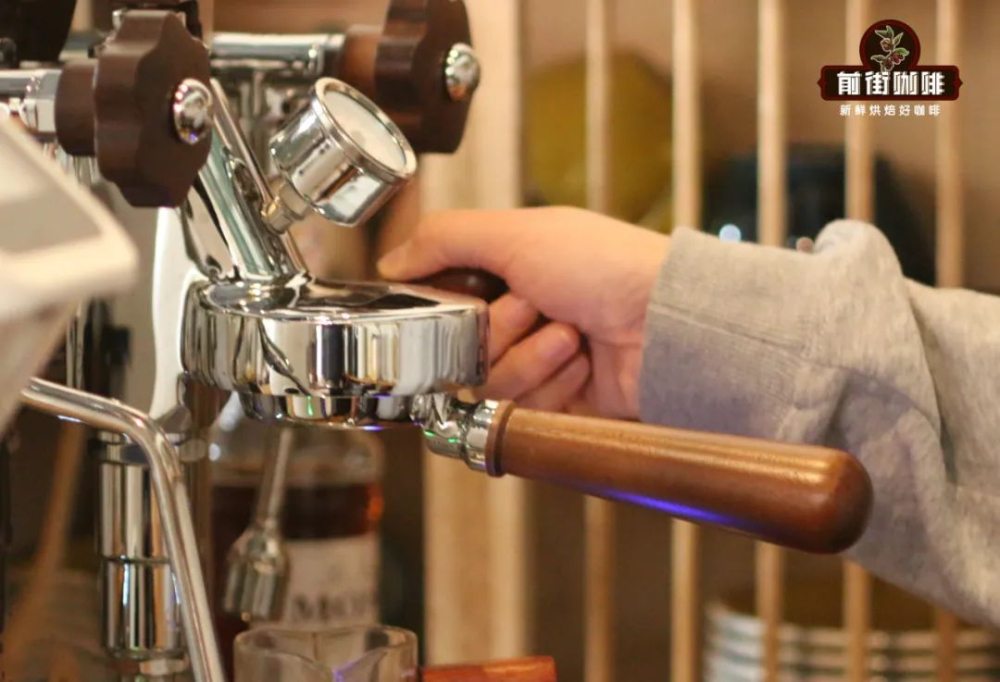
Espresso is a concentrated coffee liquid extracted under high pressure, typically using a professional espresso machine. At 9 bar of pressure, extremely finely ground coffee is quickly extracted into a small cup of highly flavorful, concentrated coffee. This extraction method originated in Italy in the late 19th century, created to meet the demand for a quick energy boost in busy daily life.
The original espresso, due to the high temperature and pressure, often had a bitter and intensely roasted flavor, which led American soldiers to add water to mellow it out. Over time, espresso machines have been continuously improved, and modern extraction technology now allows for more precise control of water temperature, pressure, and grind size, resulting in a more balanced and complex espresso flavor.
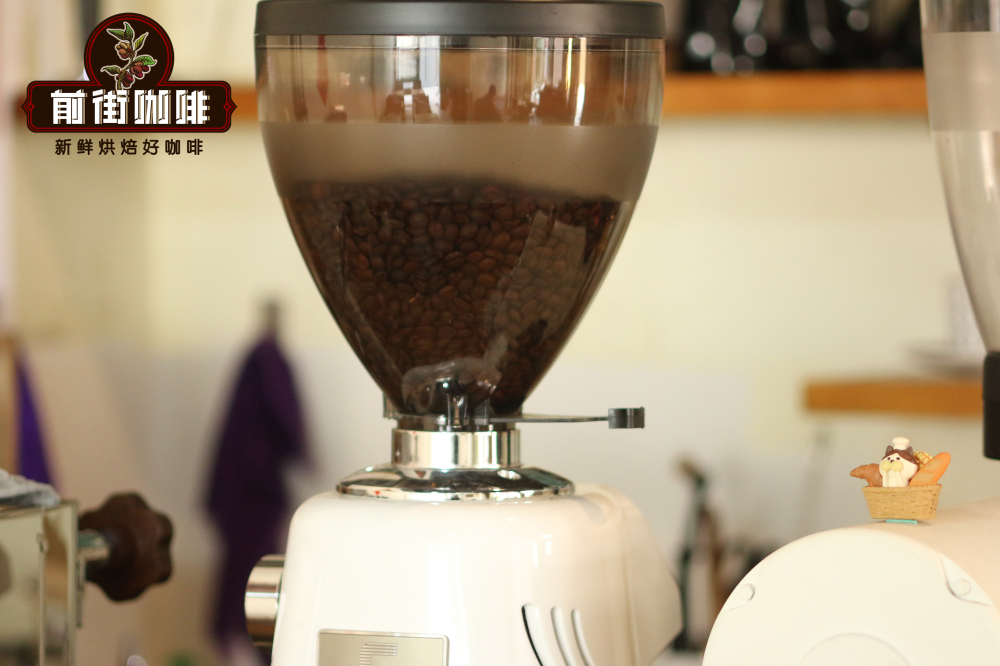
To brew an ideal Americano, selecting the right coffee beans is crucial. Since Americano is based on espresso, it’s recommended to choose beans that can exhibit balanced flavors under high-pressure extraction. Many specialty coffee shops use blends—combining beans from different regions and with varying flavor profiles in specific ratios—to compensate for any potential flavor shortcomings of a single-origin bean while maintaining consistent extraction performance.
The advantage of blends lies in their ability to integrate the strengths of various beans—for example, combining fruity acidity, sweetness, body, and aroma—so that the final coffee maintains a layered and harmonious taste even after extraction. This is especially important for Americano, which involves adding water.
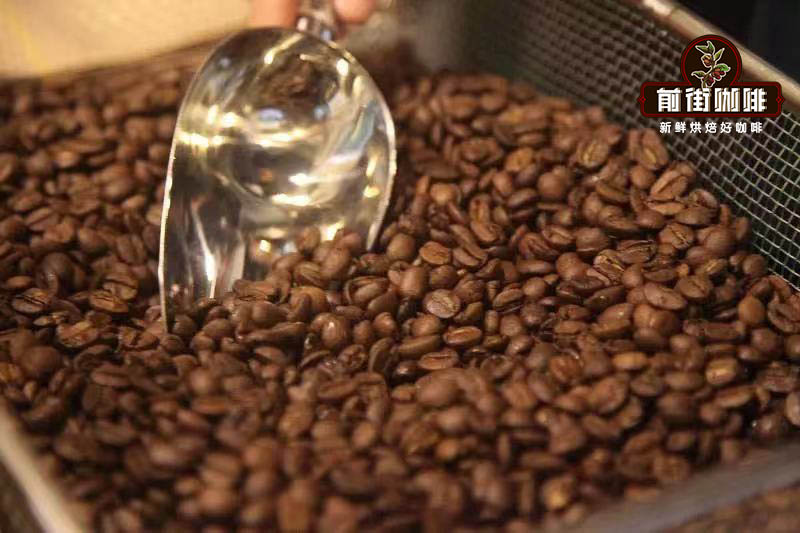
Common blend combinations suitable for making Americano or espresso might include Ethiopian sundried beans, which bring wine-like and berry notes, paired with beans from Brazil or Honduras to add nutty, caramel, and chocolate flavors. Different ratios can be adjusted to achieve a range of profiles, from bright acidity to rich aftertaste. It’s recommended to choose or experiment based on personal taste preferences.
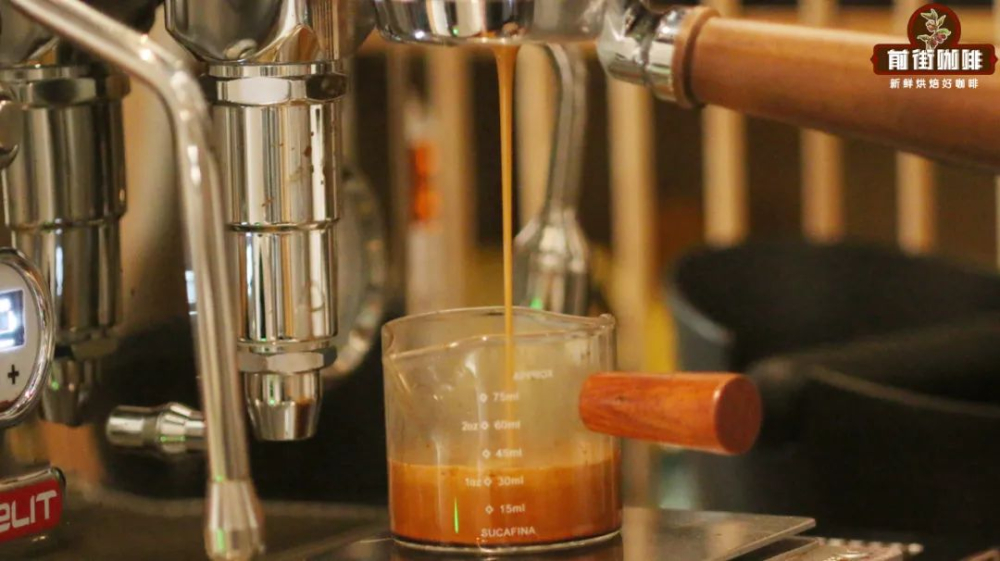
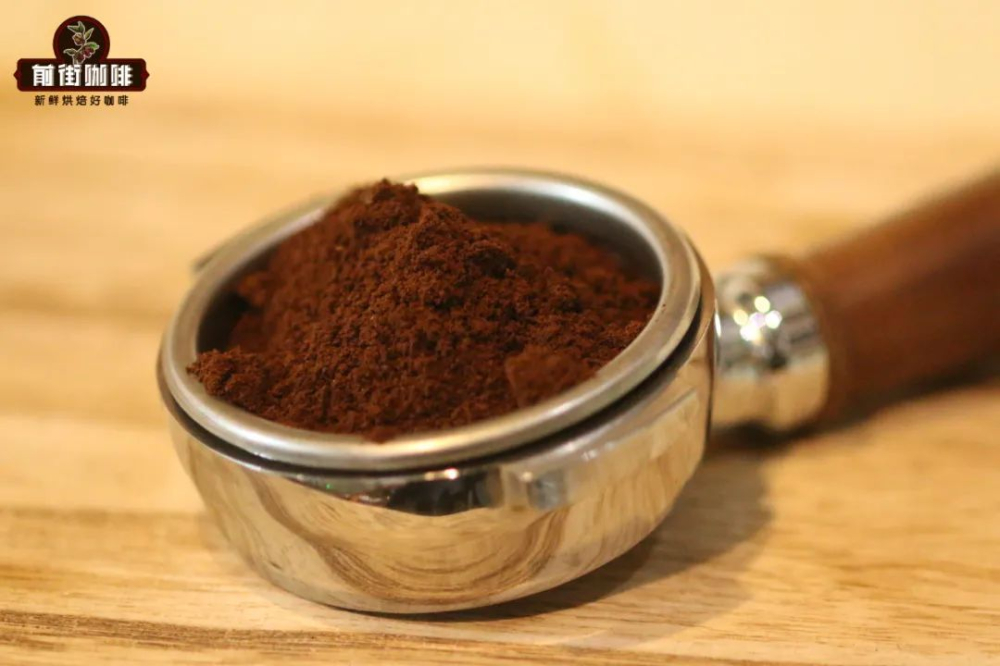
The process of making Americano is actually not complicated—the key lies in properly extracting the espresso. Generally, it’s advised to use extremely fine-ground coffee, brewing about 40 grams of espresso liquid with 20 grams of coffee grounds, with an extraction time controlled between 25 to 30 seconds and pressure set at 9 bar. These parameters allow for sufficient extraction of the coffee’s flavor compounds while avoiding over-extraction that leads to bitterness.
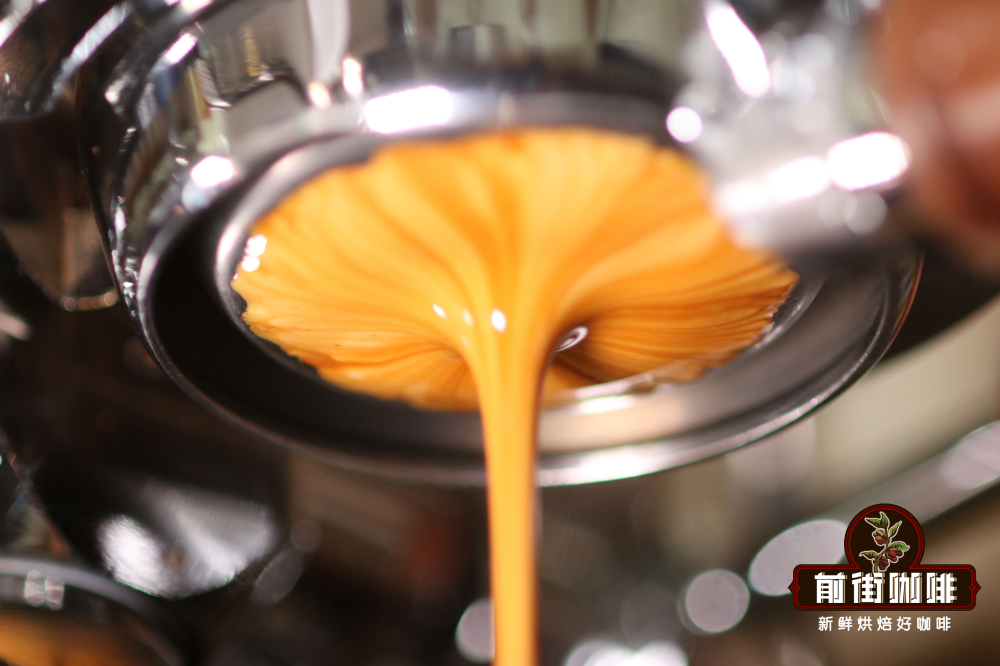
If you’re a beginner or using a new machine or fresh beans, it’s recommended to start with a baseline and then fine-tune based on actual extraction results. For example, if the coffee tastes overly sour or astringent, it may be under-extracted—you might consider slightly increasing the extraction time or liquid yield. Conversely, if there’s a noticeable burnt or bitter taste, it could be over-extracted, so you can reduce the extraction time or adjust to a coarser grind.
After the espresso is brewed, the typical ratio for adding hot water is between 1:5 to 1:8—that is, adding 5 to 8 parts of hot water for every 1 part of espresso. If you prefer a stronger taste, you can opt for a lower ratio; if you like a lighter and smoother cup, you can increase the amount of water. The key is to find your preferred balance.
In addition, Americano is not only a great everyday pick-me-up, but it’s also relatively low in calories—containing only about 5 to 15 calories per cup when consumed without sugar or milk. The caffeine in it helps boost metabolism, while chlorogenic acid can slow down the body’s absorption of carbohydrates, offering certain benefits for weight control and digestion. A cup of Americano at a suitable temperature after a meal can also help relieve greasiness and soothe stomach discomfort.
In summary, the essence of a delicious Americano lies in high-quality espresso and appropriate brewing parameters. Whether you’re using a professional machine or trying to replicate it at home, as long as you master bean selection, grind size, coffee-to-water ratio, and extraction time, you can easily enjoy this classic black coffee.
The above content is compiled by CoffeeHunters, a coffee news website.


