







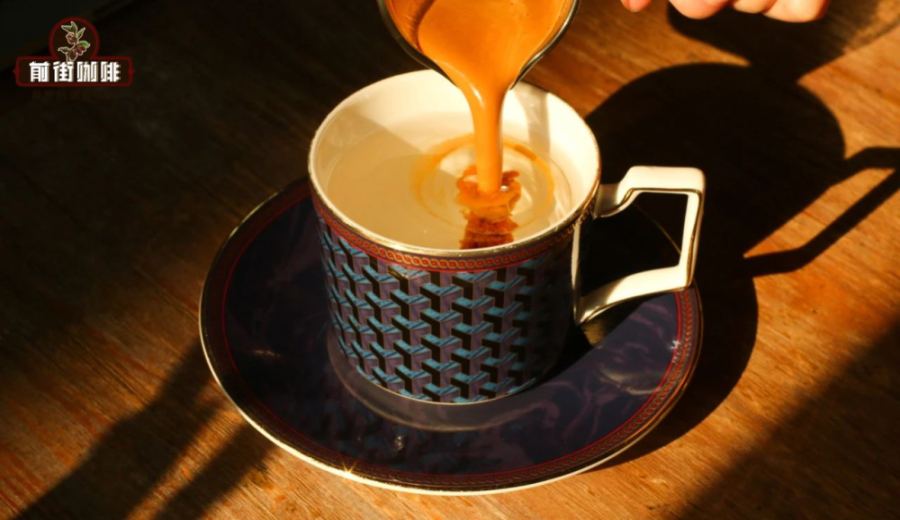
Introduction:Although Americano is a type of black coffee, it actually originated from World War II-era modifications made by American soldiers to espresso. Today, it has become a classic foundational drink in coffee shops around the world. This article delves into the historical origins of Americano, the types of coffee beans that suit it best, the correct brewing ratios, as well as the flavor differences between hot and iced versions — helping you master comprehensive knowledge from bean selection to tasting.
 " alt="" />
For many people, their first encounter with black coffee often starts with what appears to be a pure-looking cup — the Americano. It is commonly found in various coffee shops and is the most popular choice aside from milk-based drinks like lattes and cappuccinos. But what exactly is an Americano? Simply put, it’s a black coffee made by diluting espresso with hot water. It retains the core flavors of coffee while adding a touch of smoothness and layering.
 " alt="" />
The birth of the Americano is closely tied to World War II. At the time, American troops stationed in Europe found it difficult to adjust to the strong and intense taste of the locally preferred thick coffee. To soften the boldness of espresso, they began adding hot water to dilute it — a practice that gradually evolved into today’s Americano. Europeans initially looked down on this “watered-down” method, even mocking it as “American,” which later became known as Americano.
 " alt="" />
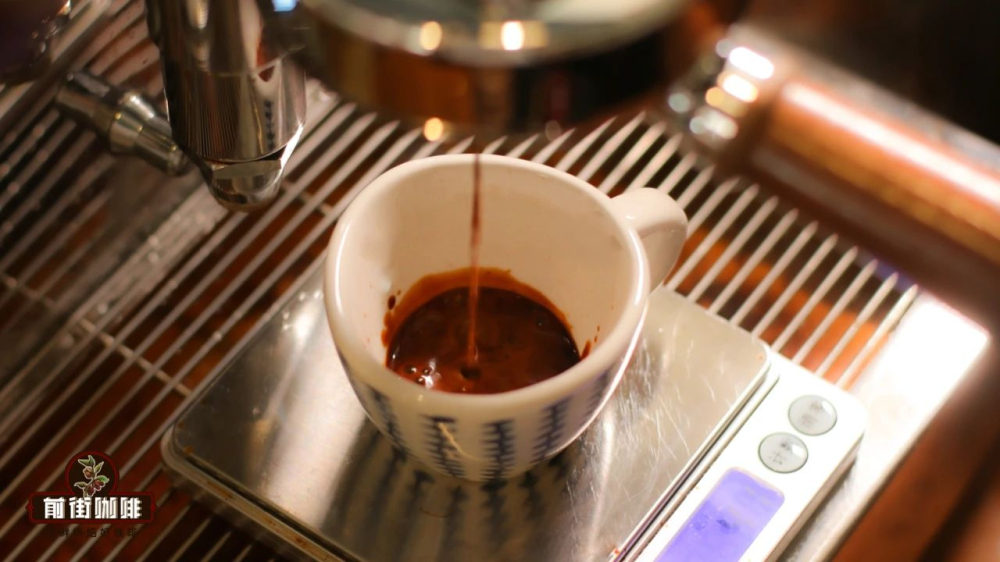
Although the steps to make an Americano may seem simple — just pour brewed espresso into hot or iced water — crafting a balanced and layered cup heavily relies on the barista’s skill and the quality of the coffee beans used. An ideal Americano shouldn’t be overly bitter; instead, it should carry subtle acidity, natural sweetness, and a long-lasting aftertaste with lingering aroma.
Commonly available espresso beans in the market are mostly blends, combining beans from two or more regions to achieve a balanced flavor profile. To help consumers more easily enjoy high-quality Americano, many roasters have dedicated efforts to developing specialized blend recipes. These blends typically incorporate characteristics from different origins — such as the acidity of Central American beans, the fruity notes of African beans, and the rich body of Southeast Asian beans — creating beans that are well-suited for both espresso and Americano brewing.
 " alt="" />
Take the popular Sunflower Warm Sun blend as an example. This blend mainly combines beans from Honduras and Ethiopia, featuring varieties such as Caturra, Catuai, Pacas, and local heirloom types, and utilizes both washed and natural processing methods. The Honduran portion is washed and then undergoes about 30 days of low-temperature fermentation in sherry whiskey barrels, imparting whisky-like sweetness and wine-like aromas to the beans. Meanwhile, Ethiopia’s naturally processed red cherries showcase bright fruity acidity and rich aromatic layers.
 " alt="" />
 " alt="" />
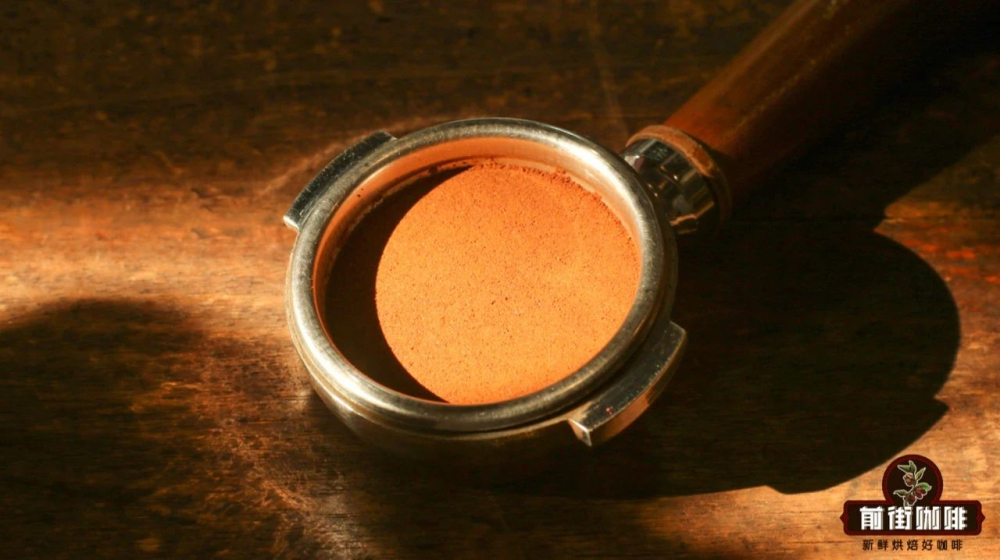
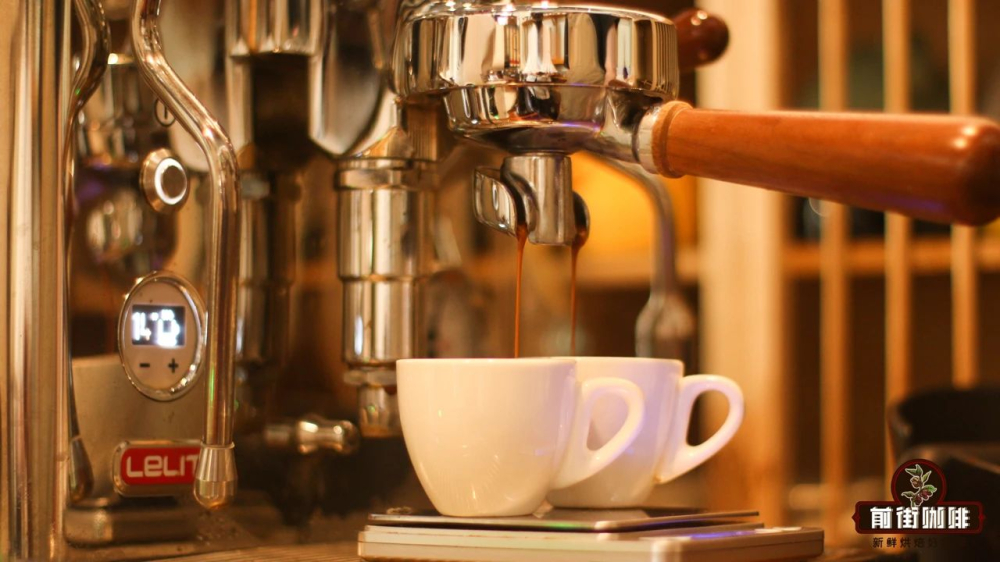
When this blend is extracted into espresso, it emits a rich aroma of whisky and chocolate. As the temperature drops, the interplay of vanilla, cream, and berry flavors becomes more pronounced. When used to make a hot Americano, it’s recommended to use a ratio of 1:5 to 1:6 (espresso to water), which better highlights the whisky notes and cocoa aftertaste, while maintaining an appropriately rich body.
 " alt="" />
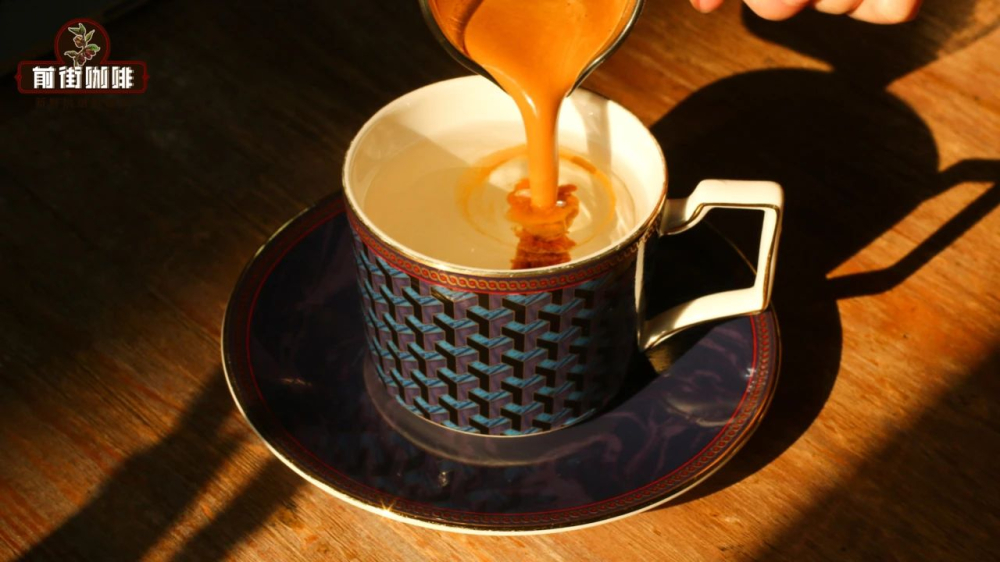
If you prefer iced Americano, although the ratio remains 1:5 to 1:6, special attention should be paid to the impact of melted ice on the overall concentration. It’s advisable to factor the volume of ice into the total water calculation to maintain stable flavor performance. Hot and iced versions each have their unique appeal: hot Americano can fully release the aromatic compounds of coffee, making it ideal for those who want to savor its layered nuances; whereas iced Americano offers a refreshing taste due to the lower temperature, especially suitable for hot weather or when you need a quick pick-me-up.
 " alt="" />
 " alt="" />
When tasting an Americano, start by sniffing its aroma, then take a small sip and let the liquid linger in your mouth. Pay attention to the balance between acidity, sweetness, and bitterness, as well as the aftertaste after swallowing. These details will help you gain a deeper understanding of the potential and characteristics of an Americano. Whether you choose the hot or iced version, selecting the right beans and using the proper brewing ratio are key to crafting a delicious cup.
The above content is compiled by CoffeeHunters, a coffee news website.

