








Introduction:The flavor of espresso is easily affected by changes in climate, bean condition, and other variables, leading to inconsistent daily extractions. Mastering the skill of adjusting grind size can effectively improve extraction issues and enhance the balance and complexity of your espresso. This article will teach you how to start with grind fineness, extraction time, and coffee-to-water ratio, identify problems through observation and tasting, and quickly dial in the ideal espresso using the "Three Adjustment Method." Even beginners can easily get the hang of it.
Many baristas know that one of the biggest factors affecting espresso flavor is the condition of the coffee beans themselves and changes in the surrounding environment—such as humidity, temperature, and even the post-roast storage time of the beans—all of which can alter their extraction characteristics. For this reason, even when using the same coffee beans, the espresso brewed each day may taste quite different. Therefore, knowing how to stabilize and optimize espresso performance by adjusting extraction parameters, especiallygrind size, is an essential daily skill for every barista.

However, for many novice baristas, and even some experienced professionals, the process of adjusting espresso can be quite challenging. A small misstep can lead to wasted coffee beans or even produce undrinkable extractions. In severe cases, extreme extraction may even cause discomfort to the palate. So, is there a more efficient and less error-prone method to help us quickly adjust and brew delicious espresso?
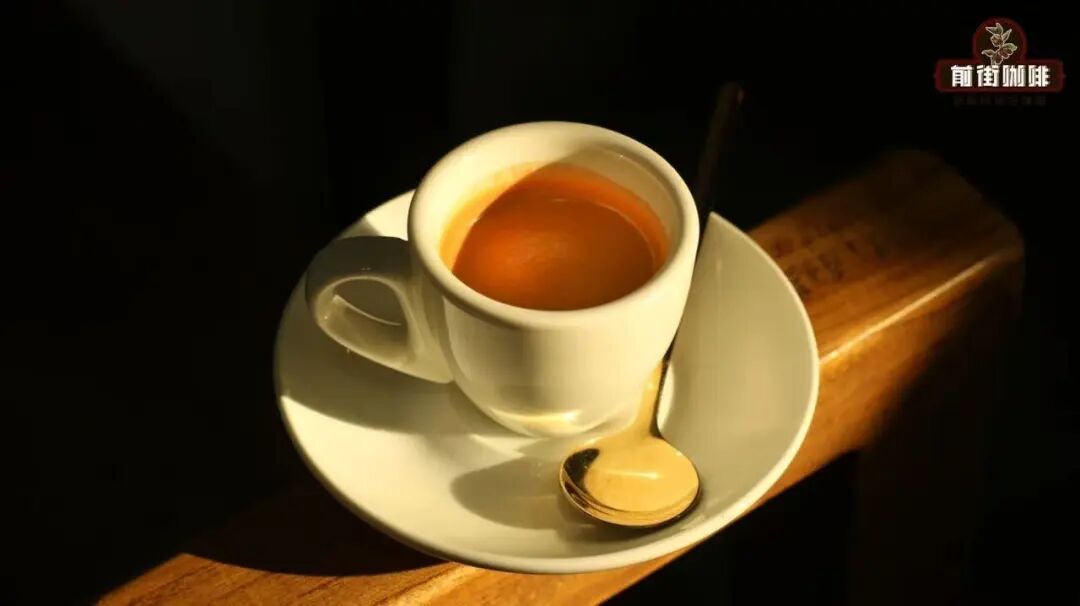
The answer is yes. By mastering the correct observation and adjustment logic, you can quickly find the right extraction parameters through just a few simple tweaks. The key lies in learning to "taste the problem"—that is, identifying whether the espresso is under-extracted or over-extracted based on its flavor profile, then adjusting the grind size accordingly to improve the overall extraction. With this approach, sometimes just "three adjustments" are needed to consistently produce high-quality espresso.

Generally speaking, when we find that our espresso doesn’t taste as expected, the reasons usually fall into two main categories: under-extraction and over-extraction. When under-extracted, the coffee often has sharp acidity, a thin body, and lacks enough sweetness and body to balance the overall flavor. On the other hand, over-extraction tends to bring out pronounced bitterness, unpleasant astringency, or even undesirable roasted or woody notes. These issues are closely related to the grind size setting.

Assuming a fixed coffee-to-water ratio and extraction time, if you notice significant abnormalities in the extraction flavor, you can start by adjusting the grind fineness. For example, if the coffee tastes overly sour and lacks complexity, it usually means it’s under-extracted. In this case, you can make the grind finer to extend the extraction time and increase extraction yield. Conversely, if the coffee is too bitter or has heavy off-flavors, it may be due to over-extraction caused by a grind that’s too fine. Here, you should make the grind coarser, shorten the extraction time, and reduce the release of unnecessary compounds.

However, it’s important to note that when adjusting grind size, you shouldn’t change it too drastically at once, as this can easily cause you to swing from under-extraction to over-extraction, leading to misguided adjustments. It’s recommended to adjust only one to two notches on the grinder each time, and observe the relationship between extraction time and flavor changes, gradually homing in on the optimal parameters.
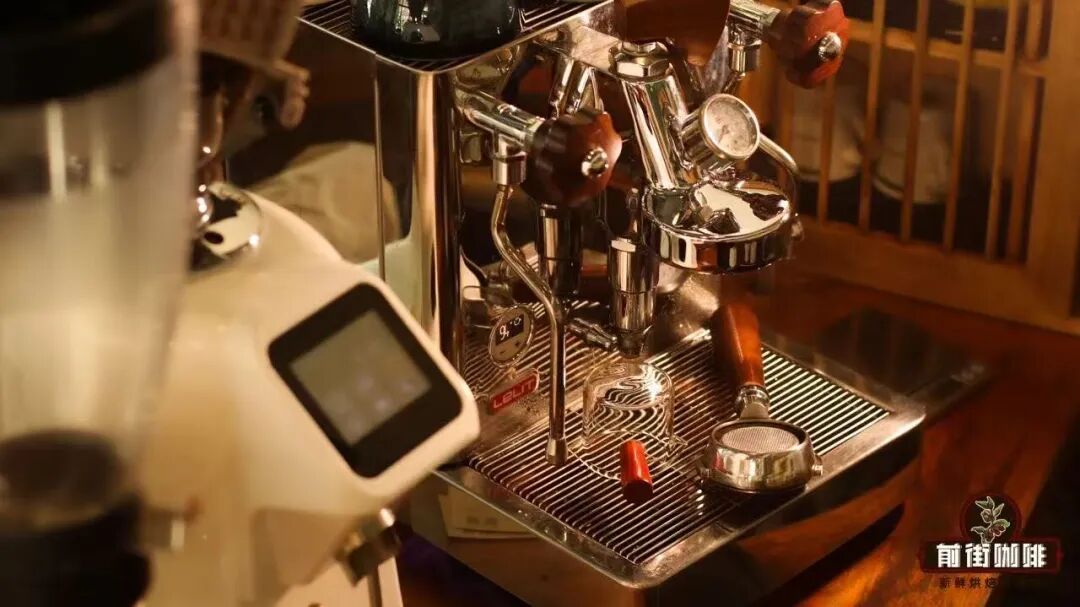
To consistently brew delicious espresso, it’s very important to preset a reasonable range of extraction parameters. This helps establish a baseline and avoids wasting coffee beans and time due to blind adjustments. Taking practical experience as an example, many professional baristas use a "1:2 coffee-to-water ratio" and an "extraction time of about 30 seconds" as the foundational standard. Specifically, if using 20 grams of coffee grounds, the target yield should be around 40 milliliters, with the extraction time ideally controlled around 30 seconds (allowing a ±3-second flexibility).
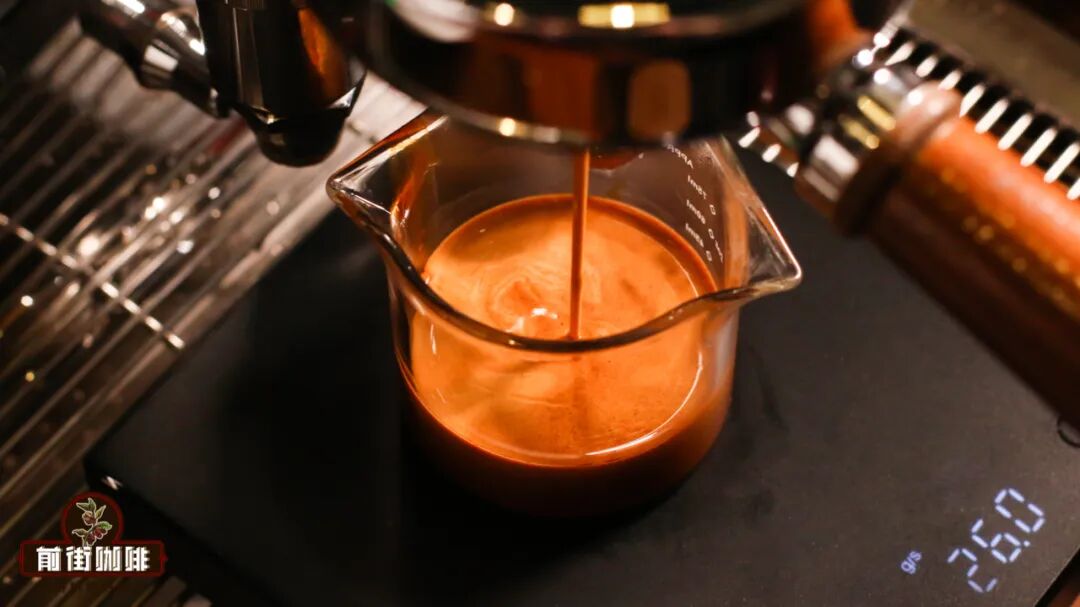
This coffee-to-water ratio ensures that the espresso has sufficient concentration, making it suitable as a base for milk-based drinks like lattes and cappuccinos, while also highlighting the coffee’s own layers and flavor details. Extraction time directly affects the balance of flavor dissolution and is one of the key indicators of whether the extraction is just right. Therefore, it’s recommended to observe both of these metrics when adjusting grind size to comprehensively evaluate extraction performance.
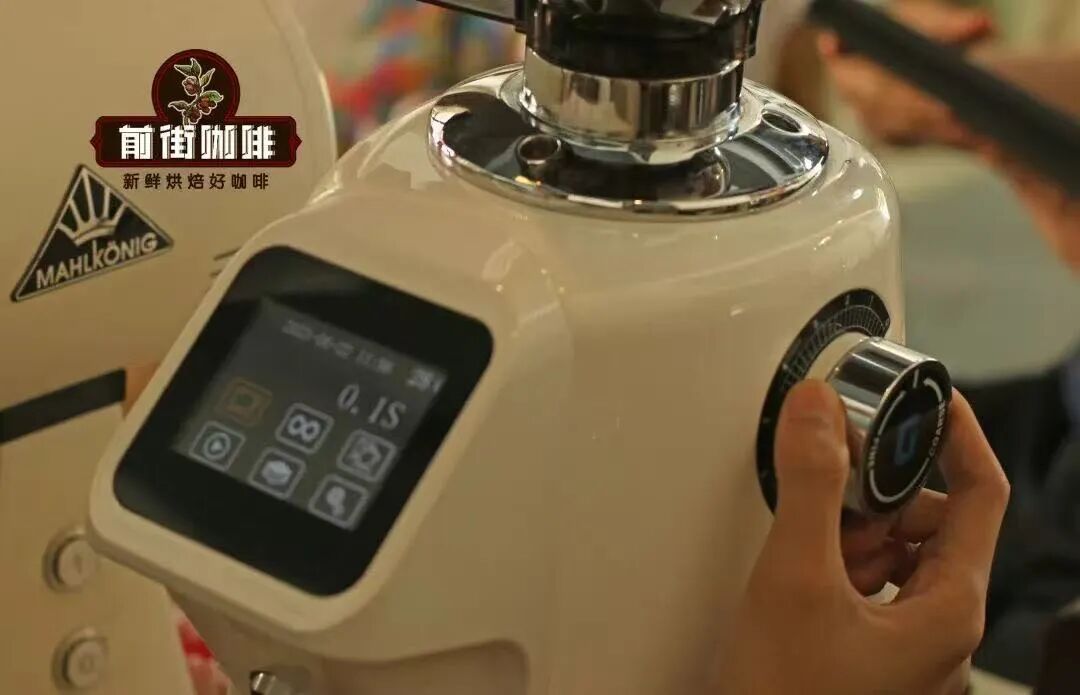
In practical operation, the main variables affecting espresso extraction include dose, grind size, and yield. Among these, dose and yield are often limited by grinder design or serving requirements, leaving less room for adjustment. Therefore, the most direct and effective variable is grind fineness. By changing the grind size, you can simultaneously influence the speed at which water passes through the coffee puck and the efficiency of solubles release, thereby adjusting the overall extraction outcome.
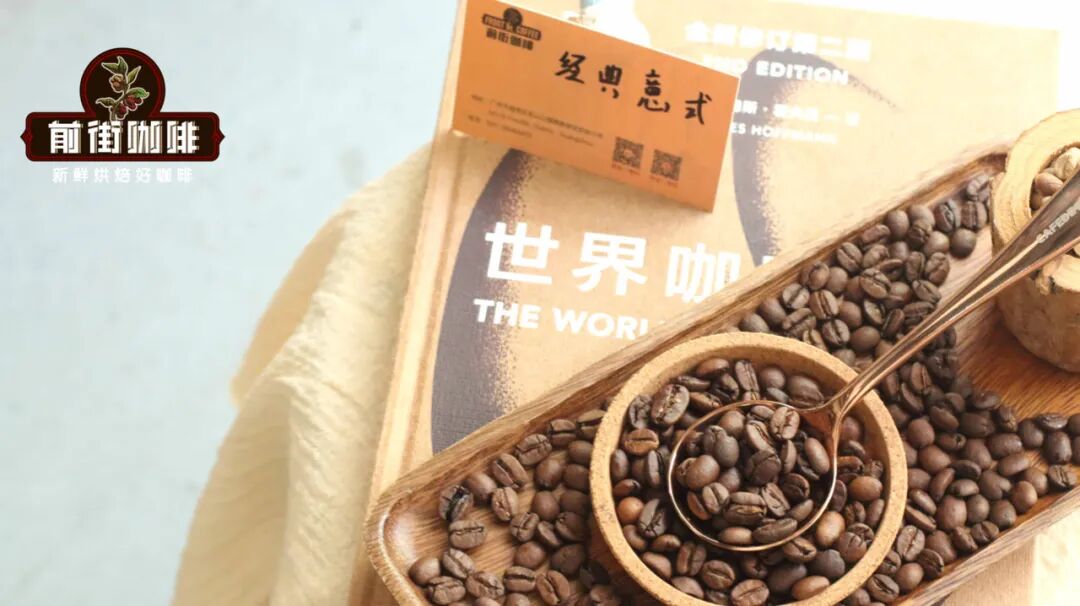
Take a practical example: when using a classic Italian blend, the ideal extraction should feature a balanced intensity, along with distinct notes of caramel, chocolate, and buttery cookie. To test whether the grind size is appropriate, you can first perform a preliminary extraction using a 1:2 coffee-to-water ratio and record the extraction time. Assuming you use 20 grams of coffee and aim for a 40-milliliter yield, if the actual extraction time is only 23 seconds and the flavor shows obvious sharp acidity and thinness, it indicates that the current grind size is too coarse, resulting in under-extraction.
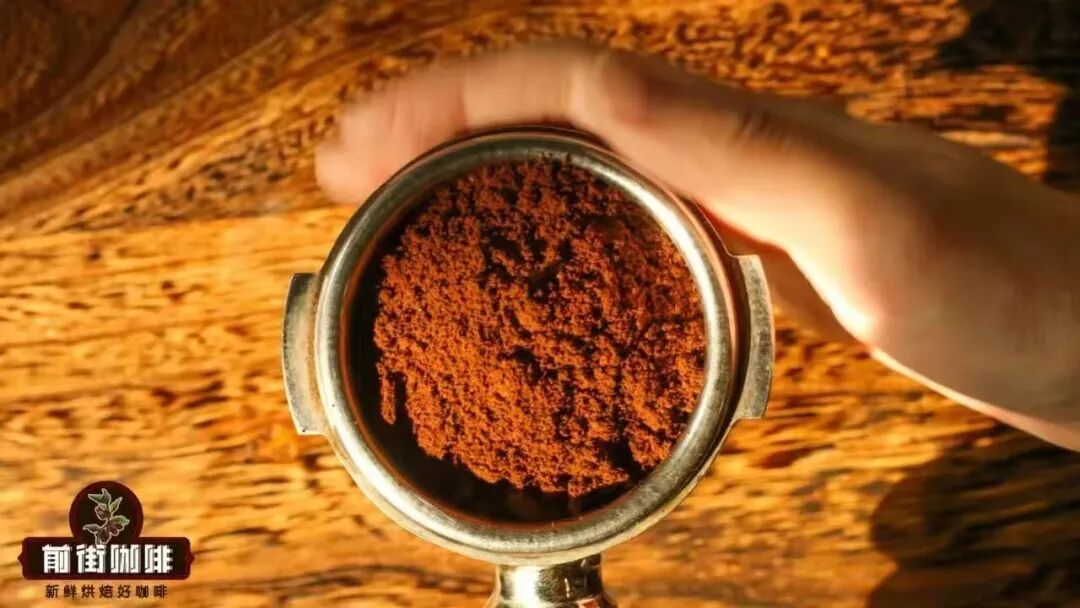
In this case, you can try adjusting the grinder finer, re-brewing after each micro-adjustment, and observing the changes in time. It’s worth noting that espresso extraction is very sensitive to grind changes—usually, adjusting one notch finer will increase the extraction time by about 3 to 4 seconds under the same conditions. If, after the adjustment, the extraction time falls within the ideal range of around 30 seconds and the flavors reach a balance, with only a slight bitterness in the aftertaste, it means you’re close to the ideal extraction state.
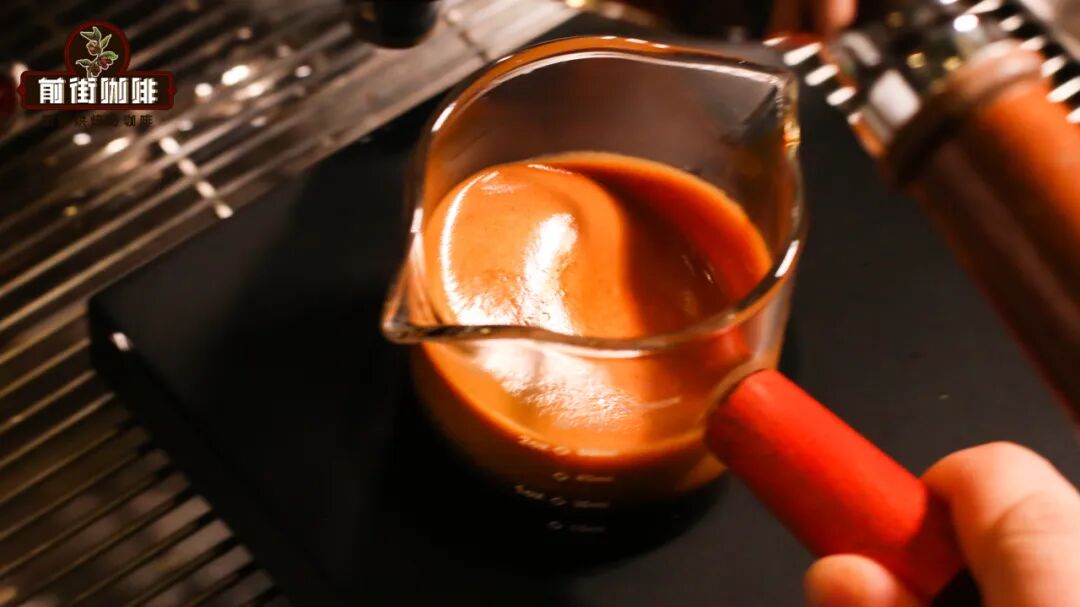
If the final extraction time falls within the target range but the flavor still seems slightly over-extracted (e.g., slightly too bitter), you can further reduce the extraction yield by making minor adjustments to the yield (reduce by 1–2 milliliters) or dose (reduce by 0.2–0.3 grams) to lower the extraction rate and achieve a more precise flavor presentation. This entire process is what’s called the "Three Adjustment Method"—through tasting, observation, and fine-tuning, you can quickly find the extraction parameters best suited to the current beans and environment, ensuring every shot of espresso showcases its optimal flavor.
The above content is compiled by CoffeeHunters, a coffee news website.


