







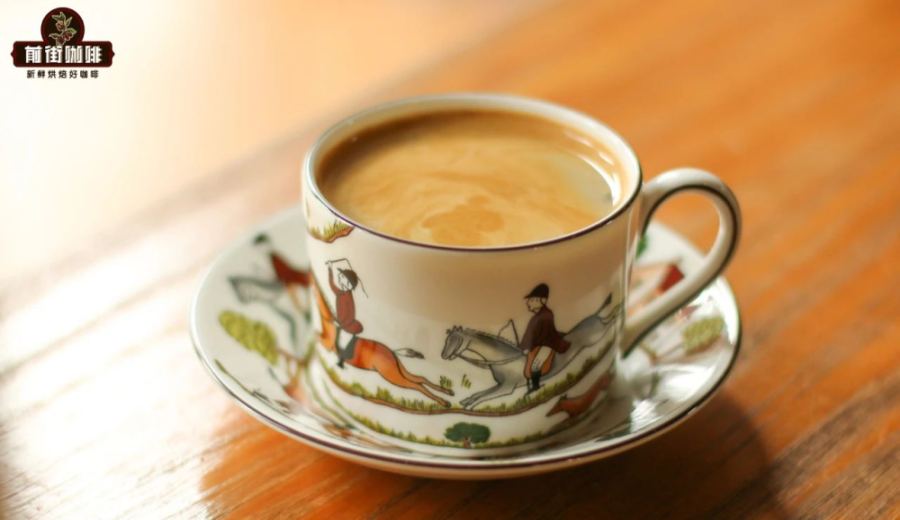
Introduction:Want to learn how to brew ideal Americanos and lattes using espresso blends? This article dives deep into the extraction parameters, water-to-coffee ratio, and grind size for espresso, offering tested grind-to-water ratio suggestions to help you adjust to the perfect strength for your Americano. It also explores the characteristics of different blends, as well as the differences between iced Americanos and cold brew, helping you elevate from a beginner to a coffee connoisseur who knows how to select beans and dial in flavors.
A classic shot of espresso can be transformed into a variety of drinks. Just add hot water, and it becomes a traditional Americano; pair it with fresh milk, and it turns into a smooth latte; add ice, and it becomes a refreshing iced Americano. Even sipping a single shot of straight espresso lets you enjoy its intense and sweet aftertaste. This article focuses on espresso-based coffees, guiding you through the best grind-to-water ratios for hot Americanos and how to adjust parameters to bring out the most captivating flavor layers of the coffee beans.

The versatility of Americano customization is extremely high, with each café having its own preferred grind-to-water ratio. Taking a common brewing method as an example, it usually starts with a double shot of espresso (about 60ml) as the base, then diluted with hot water. If you prefer a stronger taste, reduce the amount of water added; if you want a lighter flavor, increase the hot water proportion appropriately. It’s worth noting that hot Americanos can more directly showcase the inherent flavor characteristics of the coffee. Compared to pour over coffee, its fruity and floral aromas may not be as prominent, but it still reflects the regional characteristics and roast profiles of the coffee.
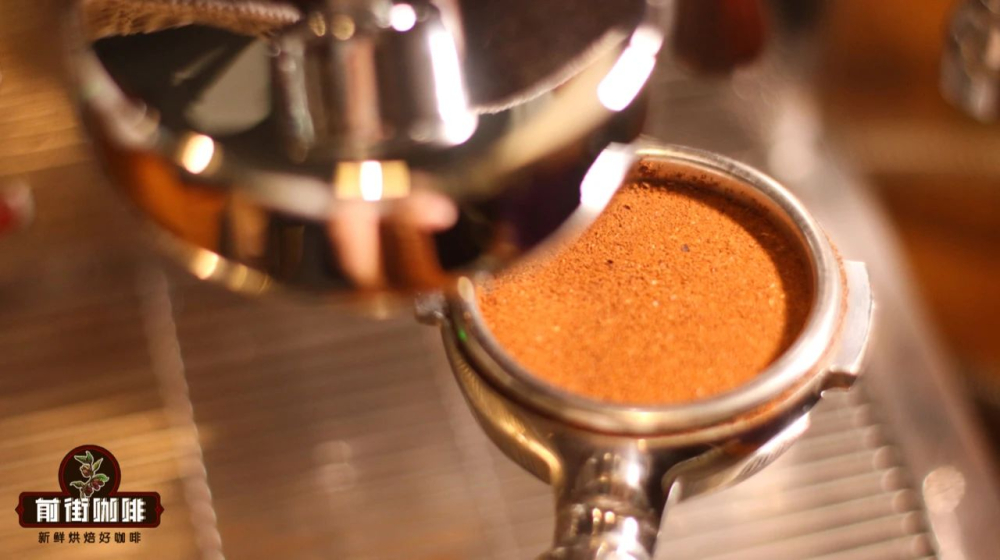
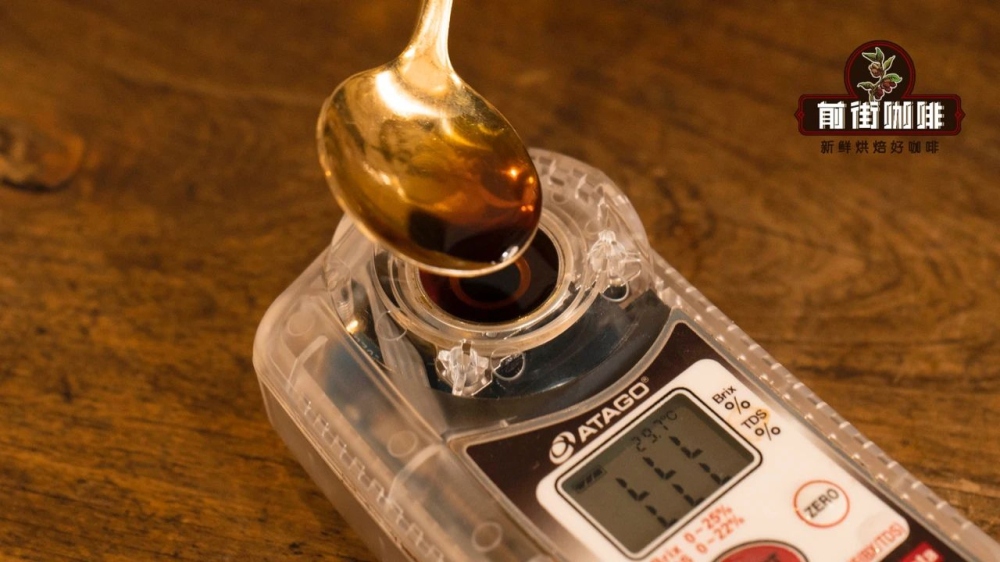
The “Golden Cup Standard” proposed by the International Coffee Organization is an important reference for evaluating coffee extraction quality. The ideal extraction yield should be between 18% and 22%, with concentration ranging from 1.15% to 1.55%. Translating this into actual extraction amounts, for example, with 10 grams of coffee grounds, the recommended extraction volume is between 116 milliliters and 191 milliliters, which helps avoid under-extracted or over-extracted tastes. In practice, using 15 grams of coffee beans, along with an espresso machine and appropriate grind size, typically yields about 60 milliliters of espresso. At this point, you can further observe the flavor differences in the early, middle, and late stages of the shot, and adjust the dilution ratio according to the Golden Cup Standard to experience the nuanced variations in different stages.
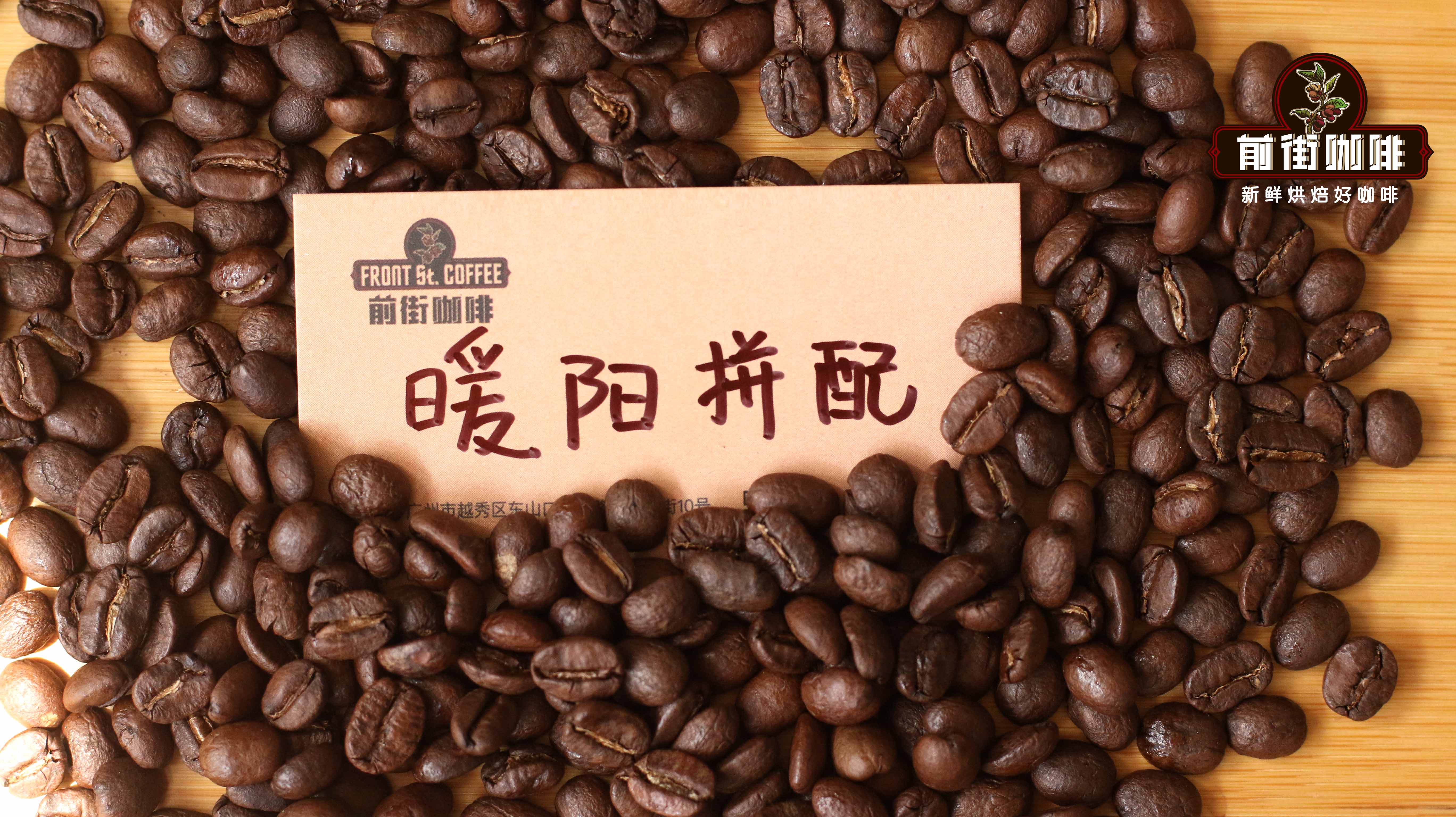
After multiple tests, we tried Americanos with various grind-to-water ratios such as 1:4, 1:4.5, and 1:5, and ultimately found that the 1:4.5 ratio best balances popular taste preferences with the intrinsic flavor profile of the coffee. This ratio is particularly well-suited to our Warm Sun Blend — composed of Honduran Sherry coffee and Ethiopian Yirgacheffe Natural Red Cherry, blended in a 7:3 ratio. This blend enhances winey and cocoa aftertastes, and the 1:4.5 dilution ratio perfectly highlights these delicate flavors, delivering a balanced and layered drinking experience.
When it comes to choosing coffee beans, espresso typically uses dark roasted blends to ensure stable extraction performance and consistent flavor. Unlike single-origin beans commonly used for pour over, espresso blends are often combinations of beans from multiple regions, aiming to create a specific flavor profile. For example, we offer four different flavor profiles of espresso blends: First, the Balanced Blend, made from Guatemalan, Colombian, Brazilian, and Tanzanian dark roasted beans in a 3:3:2:1 ratio, ideal for beginners trying espresso for the first time, with balanced acidity, sweetness, bitterness, and aroma, featuring fruity, smoky, and nutty-chocolate richness. For those who prefer a stronger bitter taste, consider a blend with Robusta, such as a mix of Colombian, Brazilian, and Robusta in a 3:6:1 ratio, which enhances body and nutty-chocolate flavors. For readers who enjoy vibrant acidity, try a blend of Tanzanian and Yirgacheffe paired with Brazilian and Colombian beans in a 4:2:2:2 ratio, which moderately tones down acidity impact, adjusting to a bright and palatable sweet-acid balance.

On hot summer days, iced Americanos become a top choice for many to beat the heat. The method is simple: mix ice and water at a 1:1 ratio, pour the extracted espresso into the ice water, and gently stir until the temperature evens out before enjoying. However, many consumers often confuse iced Americanos with cold brew. Cold brew involves placing freshly ground coffee in a filter bag, steeping it in cold water, and refrigerating it for about 12 hours. The process requires no high temperature or pressure, resulting in a cleaner flavor with citrus acidity and subtle floral notes, making it suitable for those who prefer a less intense taste. It’s important to note that while cold brew can be stored in the fridge for a long time, it’s still recommended to consume it sooner to enjoy its optimal flavor.
The above content is compiled by CoffeeHunters, a coffee news website.

