








Introduction:Iced americano is a daily choice for many coffee lovers, but why does it sometimes taste overly acidic? This article delves into the key factors that influence the flavor of iced americano, including the characteristics of coffee bean origins, differences in roast levels, and extraction parameter settings. From single-origin light roasts to blends, it helps readers understand the science behind acidity and master practical tips for adjusting proportions to find the iced americano combination that best suits their taste.

Many coffee beginners often start with instant coffee, then step into cafés and discover a wide array of menu options, eventually settling on the relatively familiar “americano.” Interestingly, iced americano remains popular year-round, thanks to its refreshing quality that effectively cuts through richness, making it a daily companion for many.

Regarding the origin of the americano, the most commonly heard story ties it to World War II—when American soldiers, unaccustomed to the strong coffee in Europe, diluted it with water, prompting Europeans to jokingly call it “Americano.” However, this beverage actually appeared in literature as early as the late 1920s, though detailed preparation methods were not recorded at the time.

A common misconception is that acidity indicates spoiled coffee, but in reality, it is closely related to the origin of the beans and the degree of roast. Commercial dark roast beans (like those commonly used by Starbucks) enhance nutty and chocolatey notes but sacrifice the original fruity acidity. With the rise of specialty coffee, medium-to-light roasts have become increasingly popular, better preserving the inherent fruity and sweet acidity of the beans.

Professional cafés often use SOE (single-origin beans) to make americanos—for example, Ethiopian natural-processed beans are known for their bright acidity. It’s worth noting that even blends can produce noticeable acidity in iced americano if they contain African-origin beans (such as Yirgacheffe). This phenomenon is a normal expression of flavor, not a quality issue.
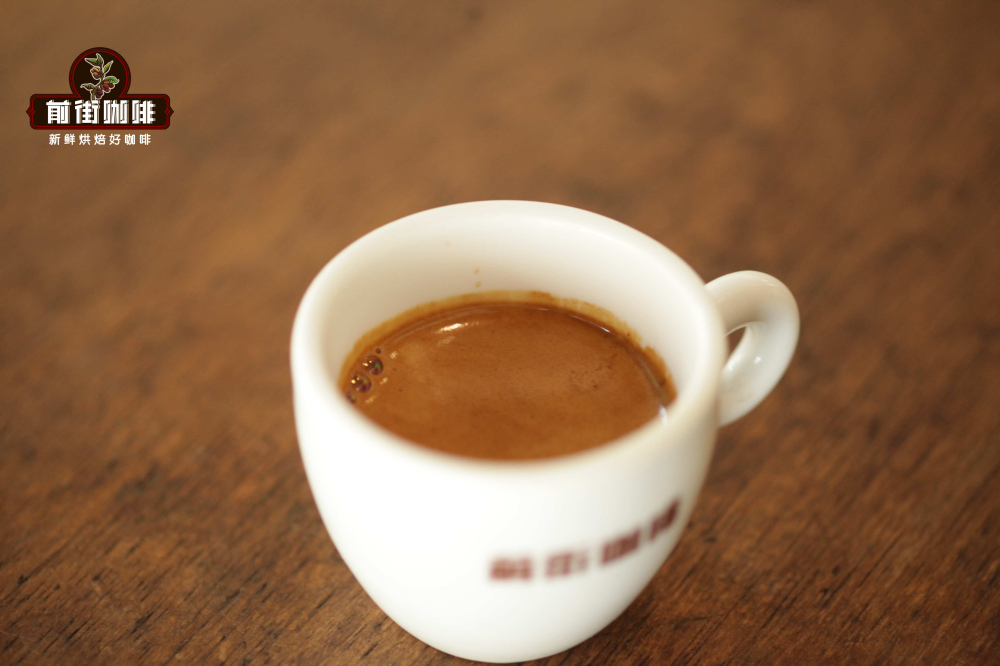
To judge whether the acidity is of high quality, observe its characteristics: a clean acidity reminiscent of citrus or berries is a positive trait, whereas a sharp, throat-piercing sensation may indicate improper extraction. Practical experience from professional cafés shows thatthe ideal acidity in an americano should be balanced with sweetness. It is recommended that consumers proactively ask about the beans used to avoid selecting products that don’t meet their expectations.

Taking a real-world example, a well-known shop uses a blend formula consisting of 70% Honduran sherry cask-fermented beans and 30% Ethiopian natural Yirgacheffe. The sherry beans undergo 30–40 days of fermentation in wine barrels, imparting vanilla and wine-like aromas, while the natural Yirgacheffe contributes bright berry acidity. During extraction, parameters should be adjusted according to climate—for instance, using a 1.5 grind size (on a Galileo Q18 grinder), 20g of coffee grounds to yield 38–40g of concentrated liquid, with an extraction time controlled at 30–32 seconds.
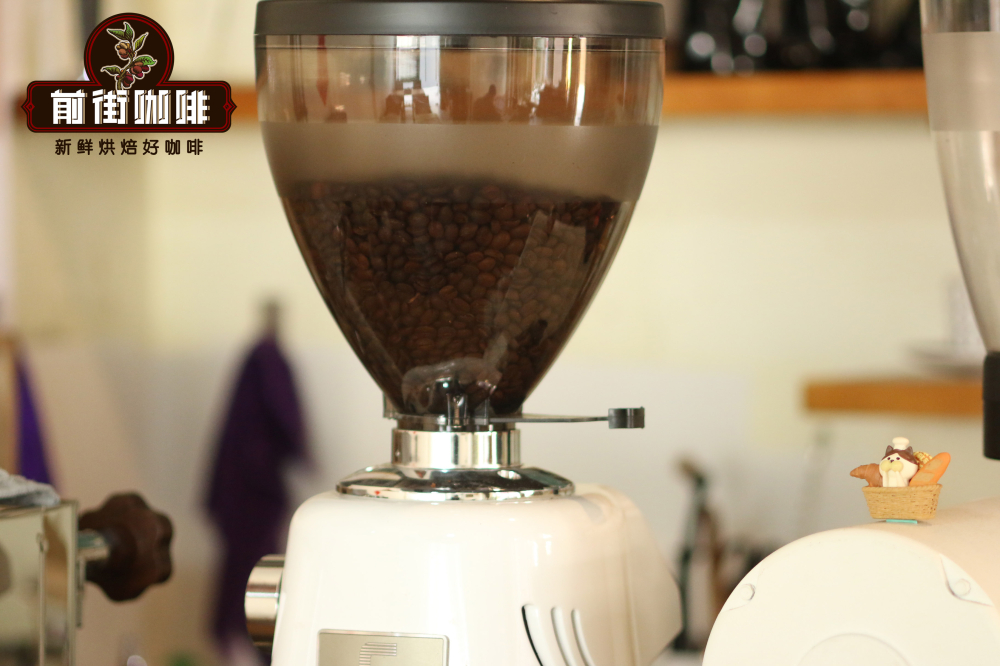
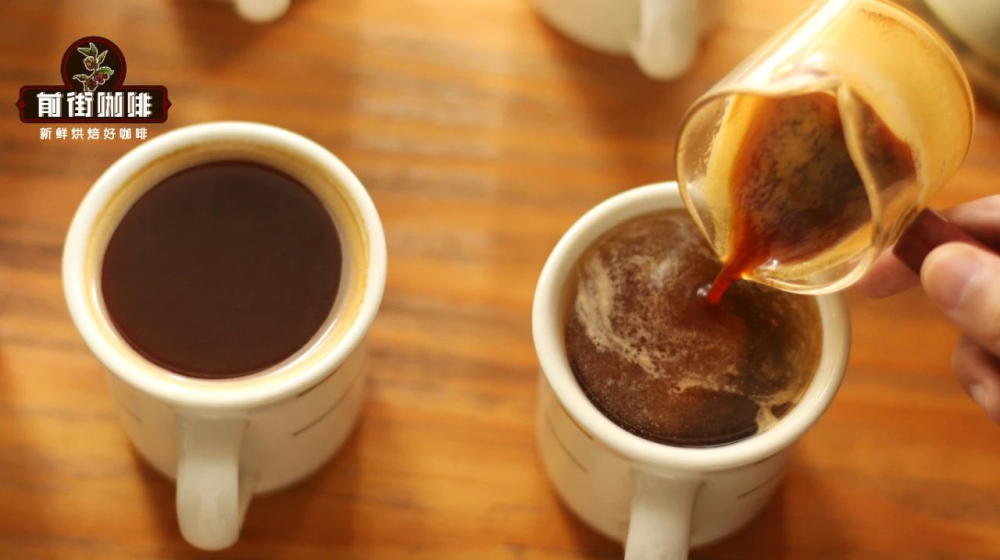
The golden ratio for iced americano isconcentrate : ice : water = 1 : 2.5 : 3. Using large ice cubes (25g each) can slow down melting. In comparison, hot americano is recommended to be brewed at a 1:4.5 ratio, which better highlights the wine-like and chocolatey aftertaste of blends. It’s worth noting that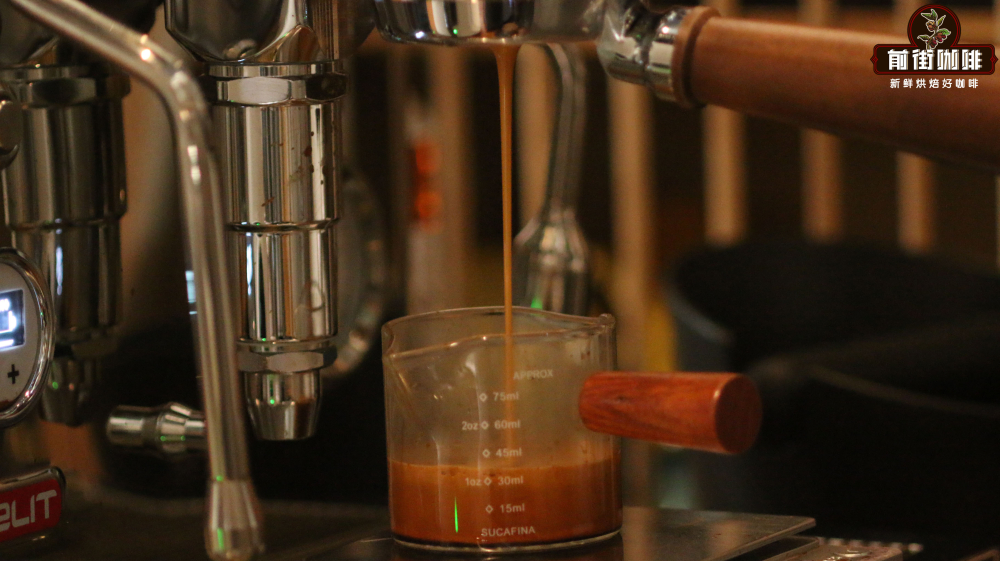 the amount of ice directly affects the final concentration, so first-time experimenters are advised to gradually adjust the ice-to-water ratio to find their personally optimal balance.
The above content is compiled by CoffeeHunters, a coffee news website.

