








Introduction:Want to elevate your pour over coffee? Choosing the right filter cone is key. This article dives deep into the structural differences, extraction characteristics, and best-use scenarios of the Bingtong filter cone and the classic V60, helping coffee beginners understand how each affects flavor, flow rate, and extraction uniformity. We also provide tested parameters and flavor comparisons to help you select the most suitable filter cone based on your beans, and brew your ideal cup.
This time, we’re introducing a meticulously designed coffee filter cone that shines with a delicate luster under light — the Bingtong filter cone. Many pour over enthusiasts say it’s not only easy to use, but also makes the brewing process more enjoyable from the very first try.

So, what makes the Bingtong filter cone unique? First, let’s take a look at the design of a typical coffee filter cone. Most filter cones, such as the V60, feature raised ridges along the inner wall. These ridges create air vents between the filter paper and the cone, regulating the flow of water and air, thereby influencing extraction efficiency and uniformity. Take the classic V60, for example — its spiral ridges extend from the rim all the way to the bottom outlet hole. This design prolongs the water’s path, allowing it to interact longer with the coffee grounds, which helps enhance flavor development. The large bottom hole also lets users control extraction time further by adjusting pouring speed.

In contrast, the Bingtong filter cone adopts a concave-style venting structure. Upon closer inspection, you’ll notice its side patterns are divided into three distinct layers: the top layer is a smooth surface that adheres tightly to the filter paper to stabilize the coffee bed; the middle layer has 24 short grooves extending from the smooth area down to about halfway of the cone; the bottom layer features 12 longer grooves that run from the middle layer to the outlet. Notably, the lower and middle grooves are staggered, leaving the lower grooves almost suspended. This clever design allows water to slowly extract in the middle layer before suddenly accelerating in the bottom layer — a rollercoaster-like shift in flow rate that helps prevent over-extraction while improving extraction efficiency.

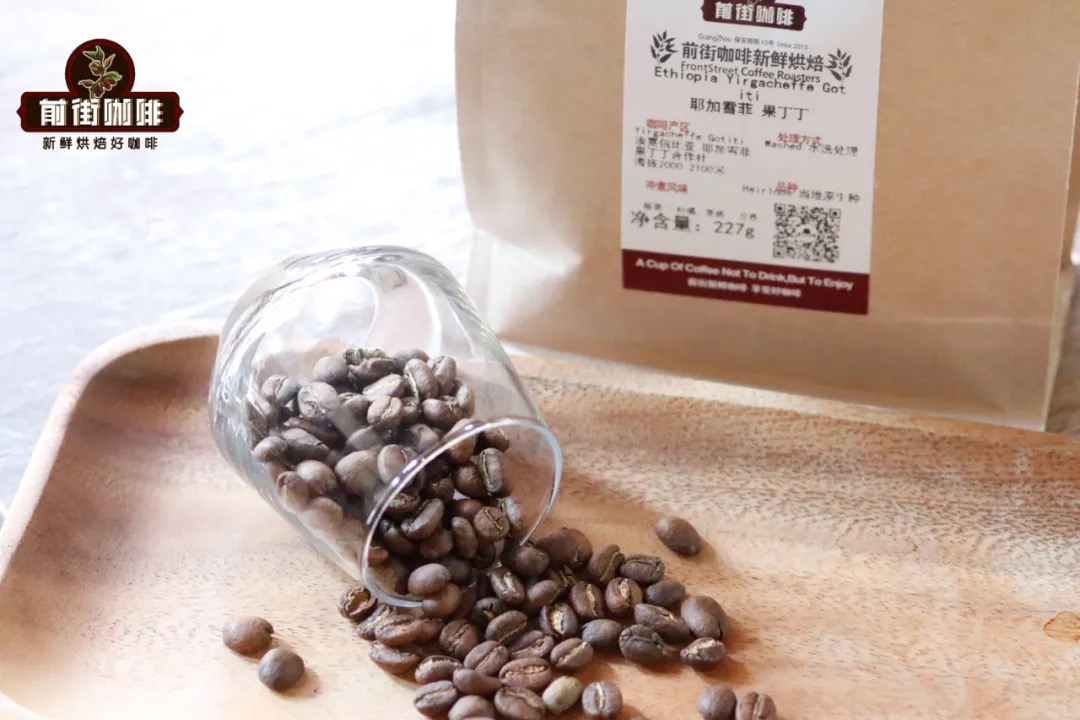
Both the Bingtong and V60 are conical filter cones with relatively fast flow rates. So what are the actual differences in the coffee they produce? We used washed Yirgacheffe Gedeo Zone Kochere cooperative beans as an example, testing with identical parameters: 15g coffee beans, grind size similar to granulated sugar (approximately 78% passing through a #20 sieve), water temperature 91°C, coffee-to-water ratio 1:15, and a three-stage pour — first pouring 30g for a 30-second bloom, then 95g, and finally another 100g when the water level drops to about two-thirds, for a total of 225g water.
Test results showed that the V60 took approximately 2 minutes and 10 seconds for total extraction, yielding coffee with bright lemon acidity, jasmine and green tea aromas, sweetness close to cane sugar, and a clean, layered aftertaste. The Bingtong filter cone also completed extraction in 2 minutes and 10 seconds, but produced a softer flavor profile, with fresh osmanthus and pomelo aromas, a slight bitterness from the pomelo rind, a prominent honey-like sweetness, and an aftertaste reminiscent of oolong tea — resulting in a fuller, rounder mouthfeel.
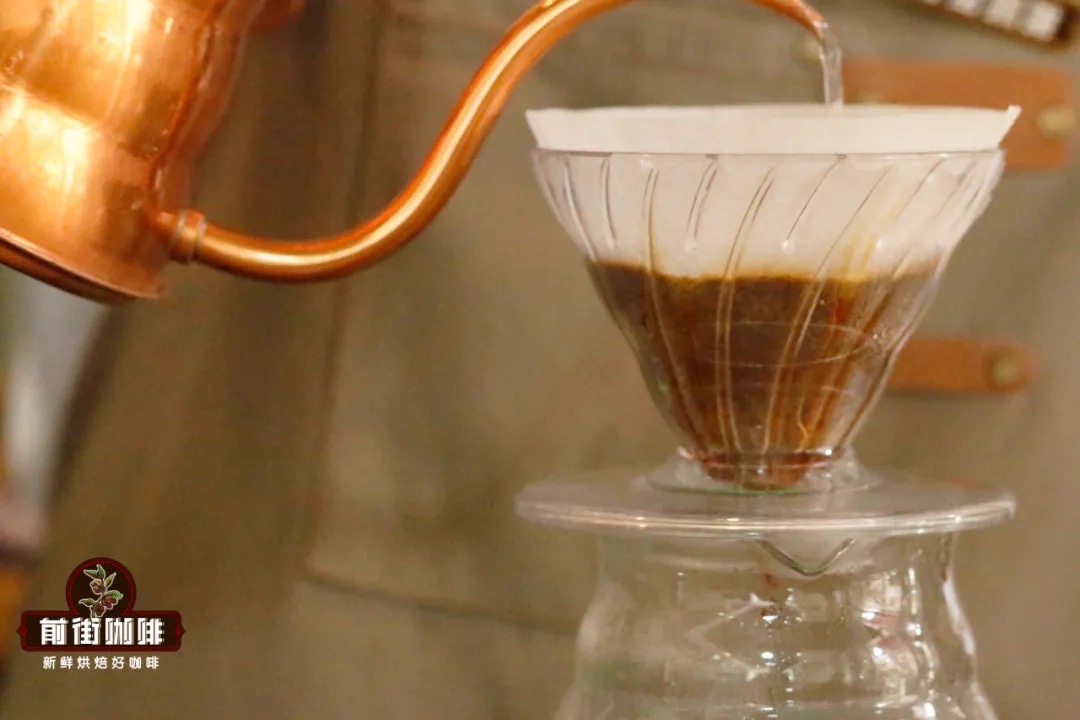
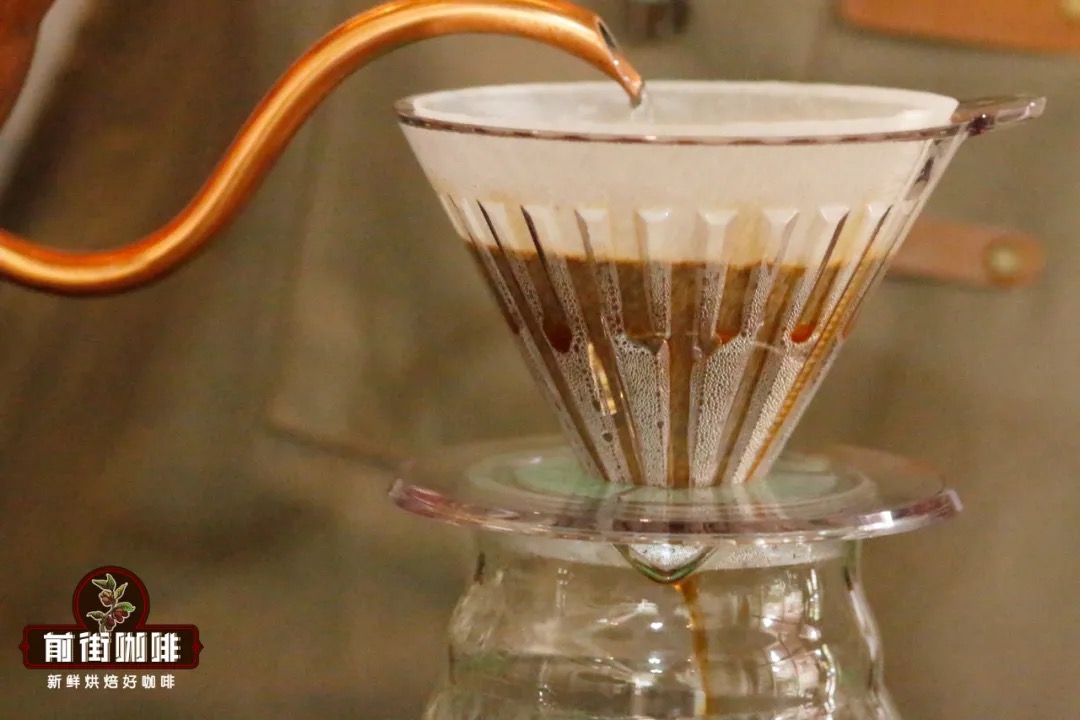
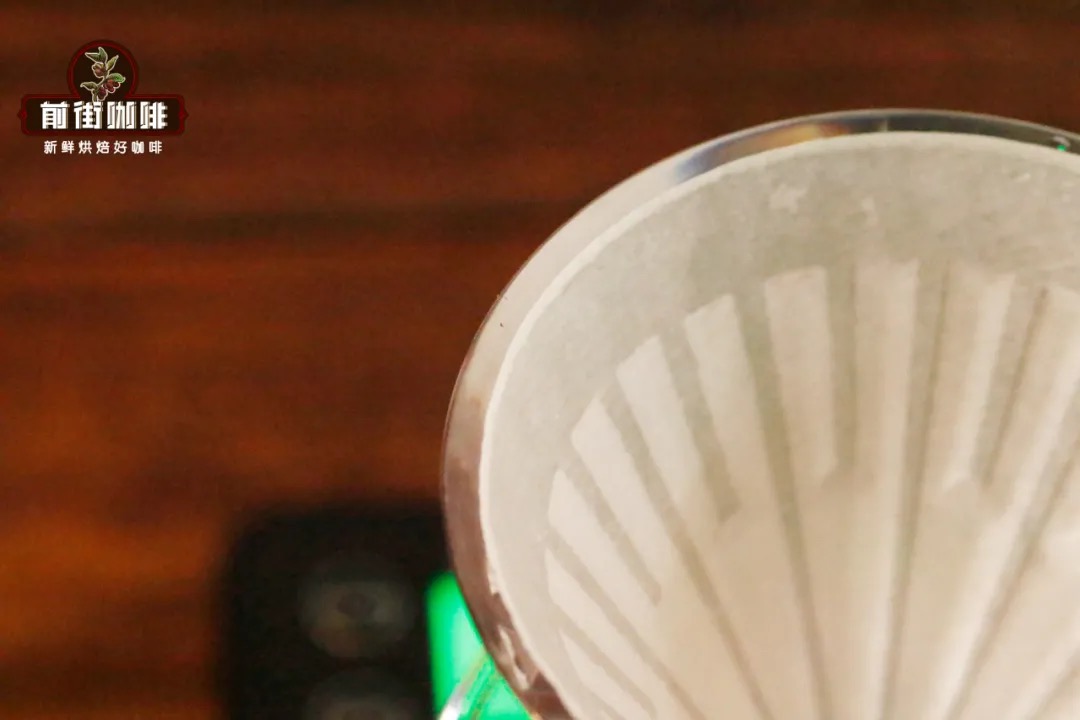
In terms of user experience, the Bingtong filter cone, once wetted, allows the filter paper to adhere almost completely to the inner wall, making it especially friendly for users who value even coffee bed distribution and visual neatness — perfect for those with a bit of “perfectionist” tendency. The V60, on the other hand, offers flexible flow control, where adjusting your pour technique can highlight the coffee’s layers and bright acidity, but unstable pouring can easily lead to overly fast flow or coffee bed collapse, resulting in uneven extraction.
In summary, the V60 is ideal for those who prefer clear, layered flavors, especially when brewing medium to light roasted washed or natural process beans, as it highlights more vibrant fruit acids and aromas. The Bingtong filter cone, with its more pronounced immersion effect, brings out the sweetness and full body of the coffee, excelling particularly with beans that have prominent sweetness or fermentation notes, such as medium to medium-light roasted natural or honey process beans. However, the Bingtong’s flavor layers are relatively more restrained, with subtler aroma expression, making it better suited for users who prefer stable and balanced taste profiles.
The above content is compiled by CoffeeHunters, a coffee news website.


