







Introduction:To brew a cup of coffee with balanced flavor, grind size is one of the key factors. Different brewing methods—such as pour over, French press, espresso, and cold brew—require varying degrees of coffee bean grind coarseness. This article will detail the ideal grind size ranges for various commonly used coffee equipment, and provide practical sieve pass-through rate references and adjustment suggestions to help you precisely control the grind settings for each brewing method and enhance the flavor expression of your coffee.
The purpose of grinding coffee beans is to release their flavors.However, not all soluble substances are pleasant. Precisely controlling the grind fineness allows for maximum extraction of desirable flavors while avoiding the impurities and bitterness brought by over-extraction. Therefore, choosing the right grind size for your equipment is the first step toward brewing great coffee.
Different coffee equipment have distinctly different suitable grind sizes due to variations in brewing principles. Taking common methods such as pour over, French press, espresso machines, cold brew, and ice drip as examples, their grind sizes generally follow this order: French press (coarsest) > pour over > cold brew/ice drip > espresso machine (finest). Understanding this basic ranking is the starting point for selecting the correct grind.
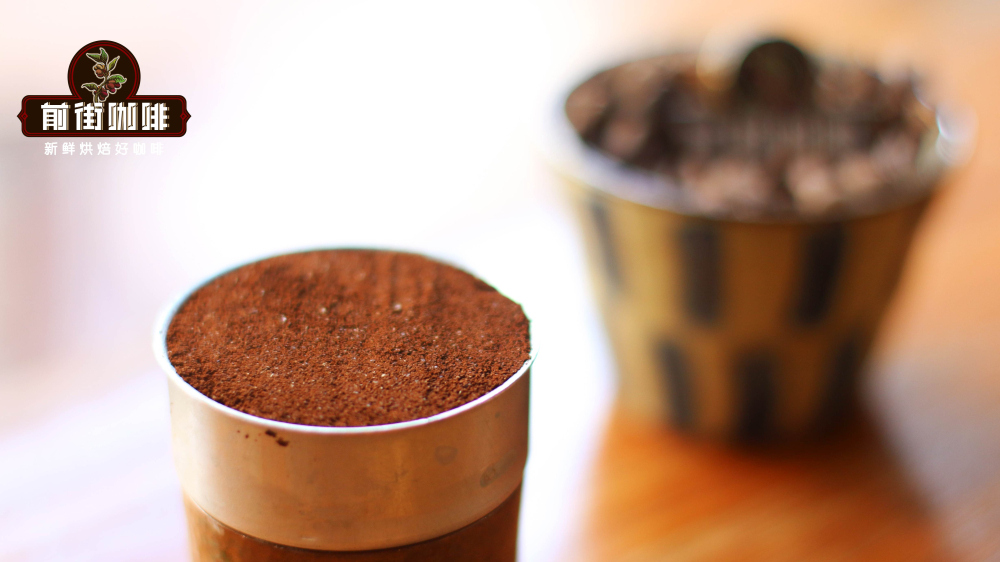
However, simply knowing “from coarse to fine” is not enough for precise operation. Just how “coarse” is coarse? How “fine” is fine? This is where a set of industry-recognized reference standards comes in, helping us quantify grind coarseness.
Among the many brewing test methods,cupping is the most indicative reference.The original purpose of cupping is to evaluate green bean quality, but its extraction method and parameters have been widely recognized in the industry. The standard grind size for cupping is measured by the percentage that passes through a No. 20 sieve, with an ideal range of 70% to 75%.
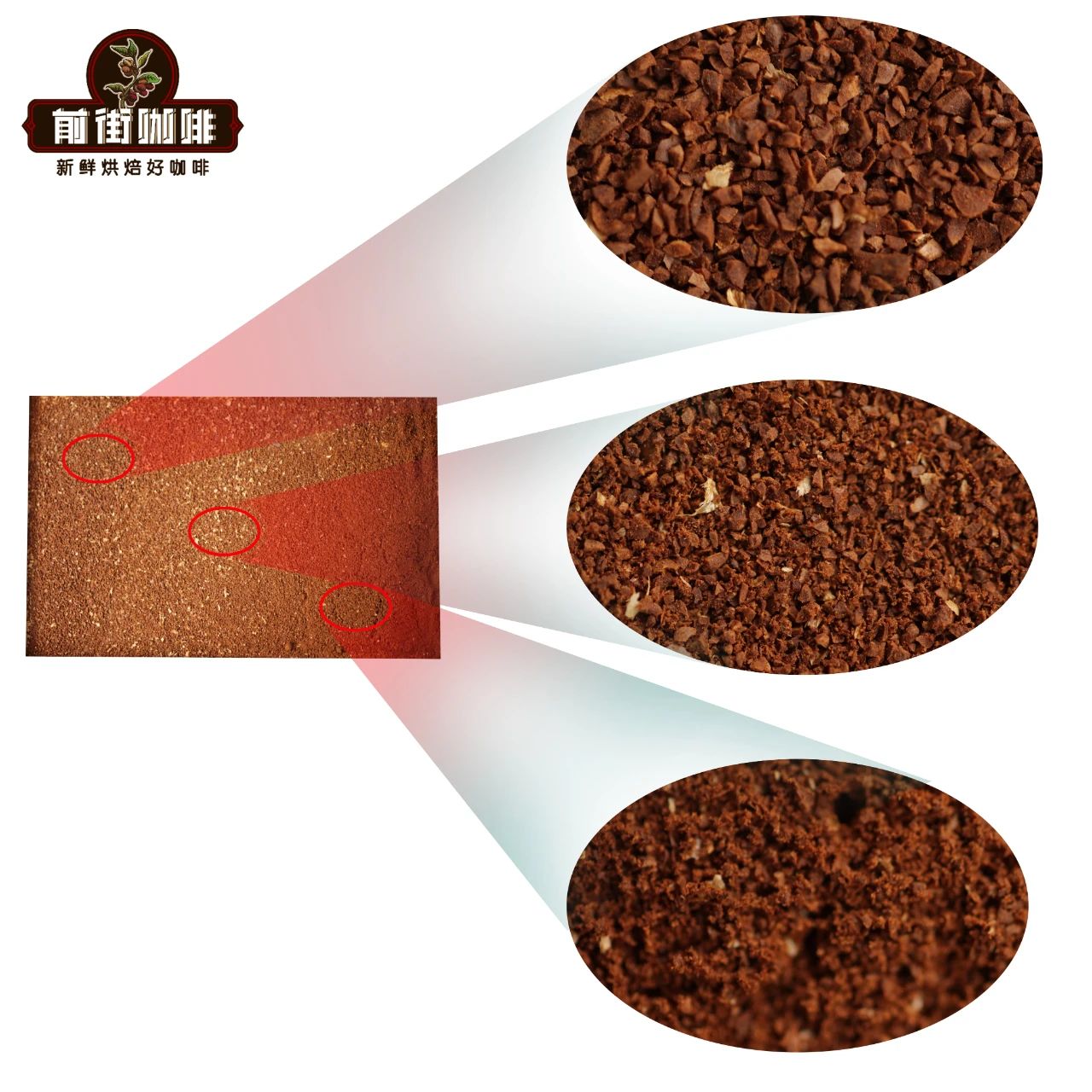
In specific practice, a standard No. 20 Chinese sieve (with a 0.85mm aperture) can be used for testing. Pour the ground coffee into the sieve, gently shake it until no more particles fall through, then weigh the coffee powder that has passed through the sieve. For example, if 20 grams of coffee is ground and 15.2 grams pass through the sieve, the pass-through rate is 76%, indicating a finer grind. The higher the pass-through rate, the finer the particles.
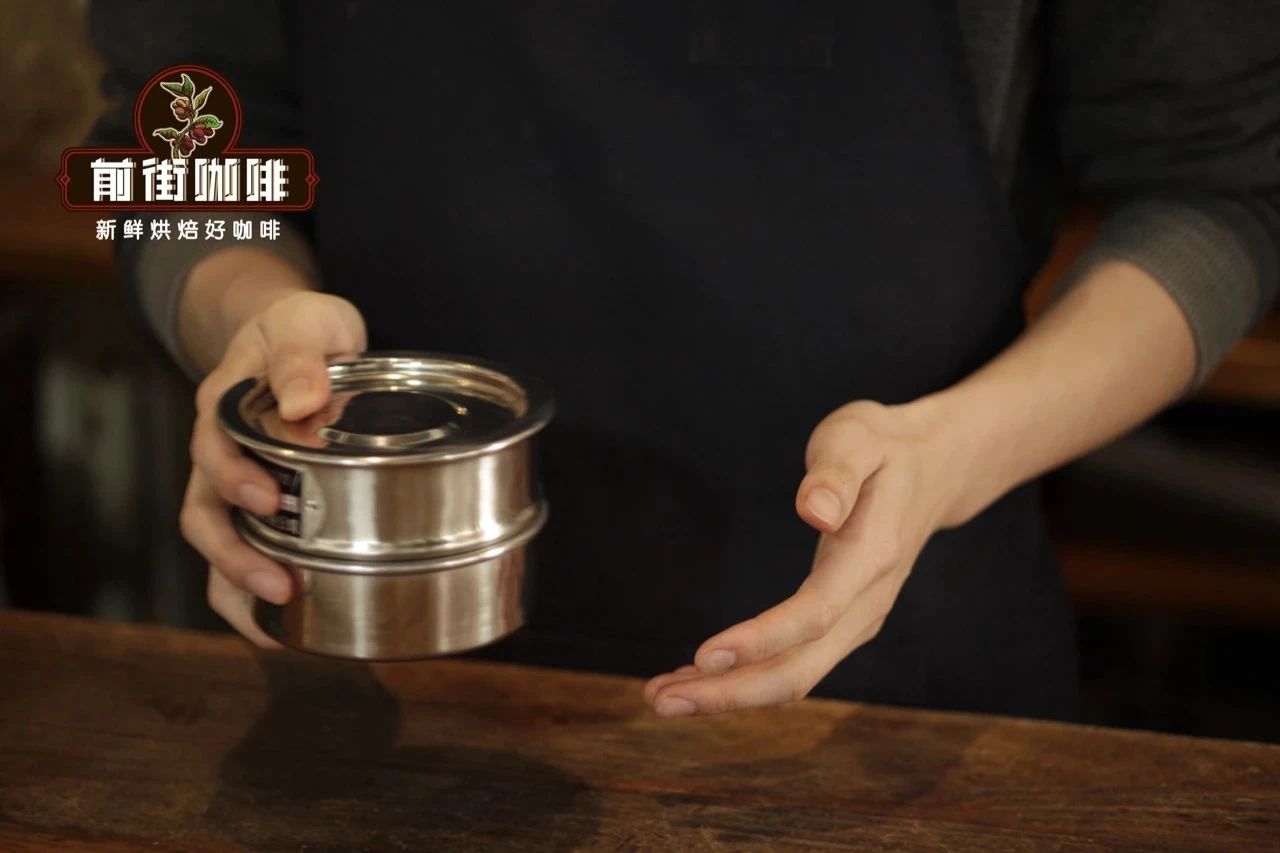
Based on the cupping standard, we can further derive practical grind parameter suggestions for various commonly used coffee equipment, helping you adjust your grinder settings more scientifically.
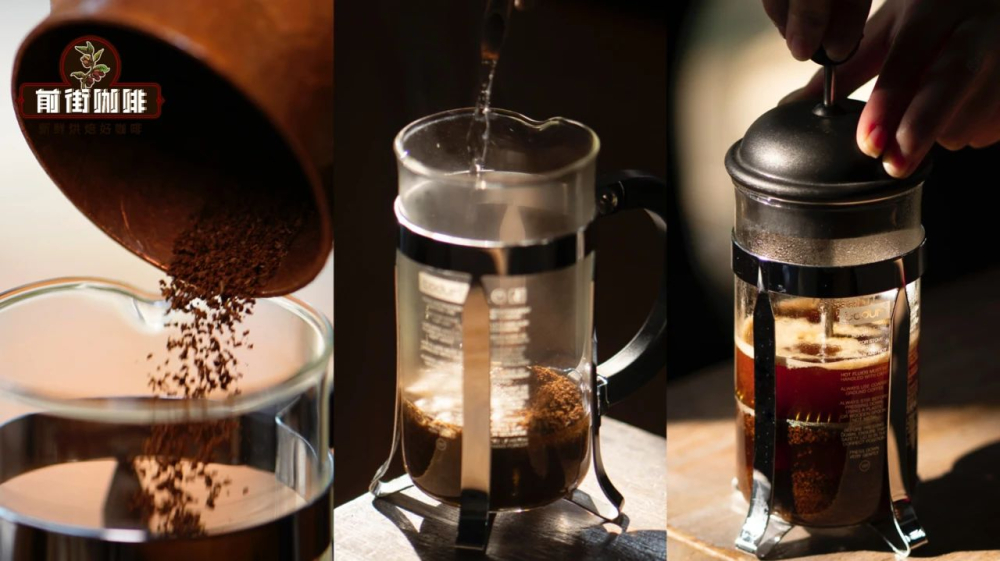
French Pressemploys an immersion brewing method, which is similar to cupping, so its grind size is also similar to that of cupping. It is recommended to use coarser particles to match the filtration characteristics of the metal filter. Generally speaking,the ideal grind size for a French press is a No. 20 sieve pass-through rate of 68% to 75%.If using medium-light roasted beans, you may opt for a slightly finer rate of 72% to 75%; for medium-dark roasts, a coarser rate of 68% to 71% is recommended to reduce the risk of over-extraction.
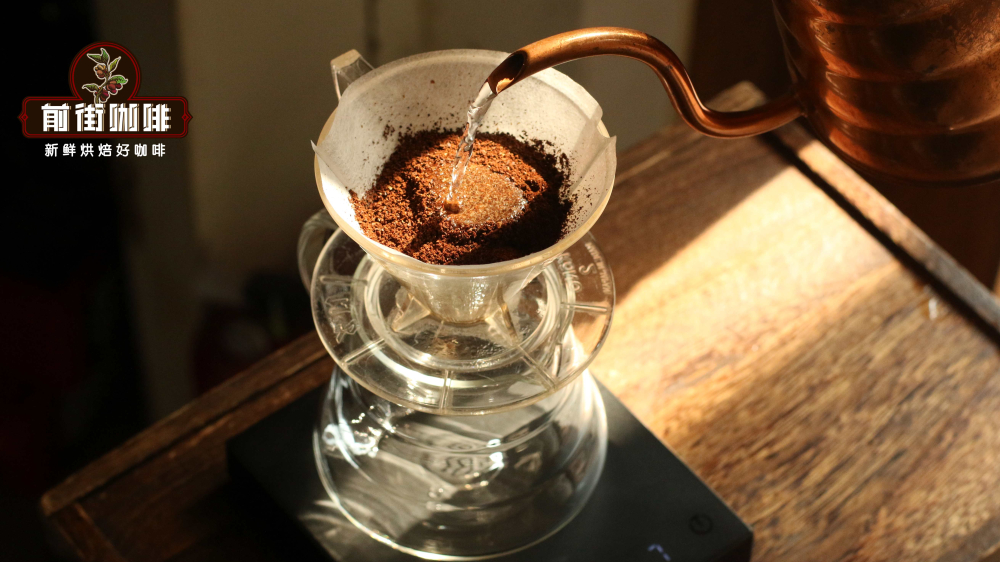
Pour Over Coffeeusually employs a drip filtration method, with a brewing time of about 1 minute 30 seconds to 2 minutes 30 seconds—shorter than cupping—so it requires a finer grind than cupping to effectively release flavors. The recommended grind size range is a No. 20 sieve pass-through rate of 70% to 80%. Among these, medium-light roasted beans suit a finer rate of 75% to 80%, while medium-dark roasts are better at 70% to 75% to balance extraction and flavor expression.
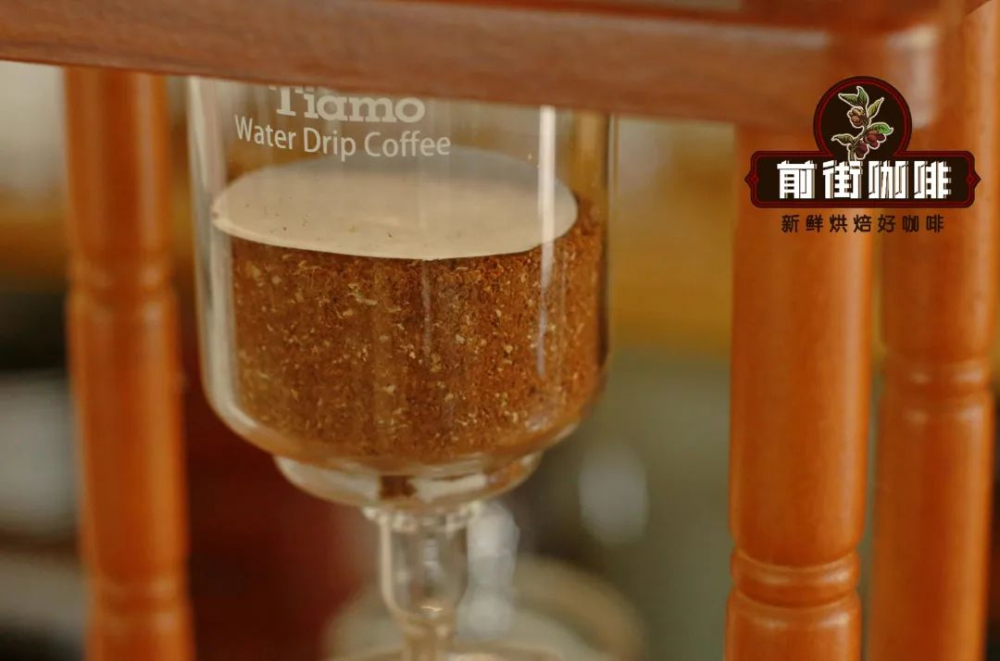
Cold Brew and Ice Drip Coffeeuse cold water for extraction, which has a slow infiltration rate. A finer grind is needed to improve extraction efficiency. But going too fine can lead to over-extraction, sediment, or filtering difficulties. Therefore, it is recommended to keep the grind size within a No. 20 sieve pass-through rate of 80% to 85%. Those who prefer a stronger taste can go for 85%; for a cleaner taste, choose 80%. Be aware that going too fine may cause water pooling in the coffee bed, affecting flow rate.
It is particularly important to note that even with the same grinder setting, actual grind coarseness may vary due to differences in coffee bean density and roast level. For example, under the same setting, the sieve pass-through rate of Yirgacheffe and Colombian Rose Valley beans may differ by several percentage points. It is recommended to test with the same type of beans to confirm the actual grind effect.
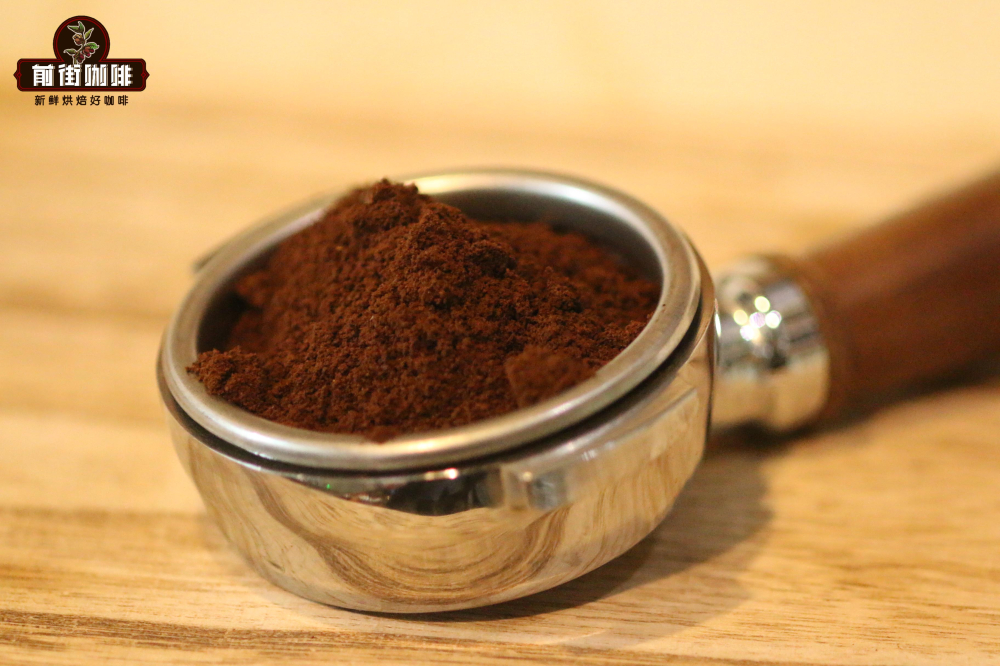
Espresso Machinerequires an extremely fine grind, which cannot be accurately measured by sieve alone and usually needs to be adjusted through actual extraction. Stable espresso extraction parameters are key—for instance, using 20 grams of coffee to extract 40 grams of coffee liquid within 28 seconds (allowing a ±1 second margin of error). Adjust the grind until this target is met, then further fine-tune based on flavor performance.
Since espresso is highly sensitive to minor changes in grind fineness, it is recommended to adjust the grind setting by only one notch at a time, and to record the extraction time and flavor changes after each adjustment, gradually finding the most suitable grind configuration.
The above content is compiled by CoffeeHunters, a coffee news website.


