







Introduction:Hanging ear coffee combines the flavor profile of pour over with the convenience of instant brewing, making it a top choice for many busy coffee enthusiasts. This article delves into the origins of hanging ear coffee, tracing its evolution from early Japanese patented designs to today’s mainstream dual-hanging ear structure. It also provides a detailed comparison between hanging ear and pour over methods. More practically, we offer specific pouring guidelines for both hot and iced coffee, including brew ratios, stage techniques, and ice usage, helping you brew professional-grade coffee using just a hanging ear pack.
As the name suggests, hanging ear coffee is brewed using a hanging ear filter bag. This design originated in Japan and features a filter bag filled with ground coffee, with two small cardboard "ears" on either side that hook over the rim of a cup, allowing hot water to drip evenly through the coffee grounds. After brewing, you simply discard the hanging ear portion and enjoy freshly ground coffee flavors similar to pour over — convenient yet refined.
The prototype of hanging ear coffee can be traced back to 1990, when it was developed by Japan’s Yamakan Industry Co., Ltd., which applied for a patent at the time. However, the design only had a single hanging ear. Later in 1996, Daiki Shoji Co., Ltd. introduced an improved version, moving the hanging ear to the lower edge of the filter bag but still maintaining a single-side structure. It wasn’t until 1999 that Daiki Shoji made another breakthrough by applying for a European patent for a design featuring double-sided hanging ear components. This design allowed the filter bag to stand stably on the cup rim and fully expanded the filter opening, laying the foundation for the mainstream hanging ear coffee format seen in stores today.
In 2001, hanging ear coffee packs were officially launched and patented, subsequently gaining popularity in the Japanese market. Thanks to their low learning curve, portability, and richer flavor compared to traditional instant coffee, hanging ear packs quickly captured about 15% of Japan’s general coffee market share, becoming a daily choice for many office workers and travelers.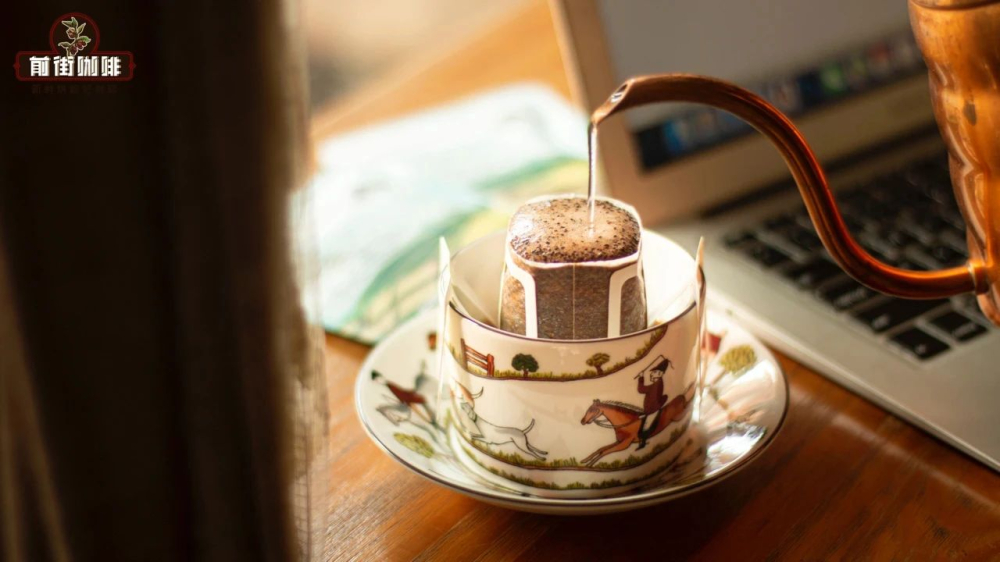
For beginners, brewing hanging ear coffee is quite intuitive: you only need a kettle of hot water, a cup of appropriate height, and a hanging ear coffee pack — no need for a scale or thermometer. However, to achieve a well-balanced cup, it's still important to master some basic parameters. For a common 10-gram hanging ear pack, if you follow the pour over-recommended brew ratio of 1:15 to 1:18, the total water volume should be around 150 to 180 milliliters, which helps fully bring out the aroma and complexity of the coffee.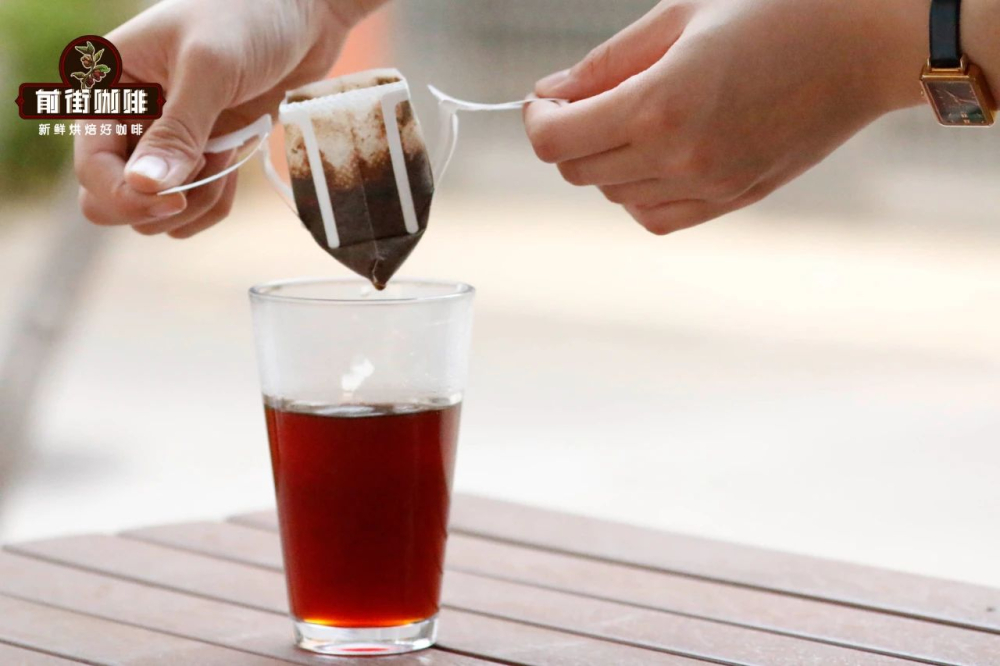
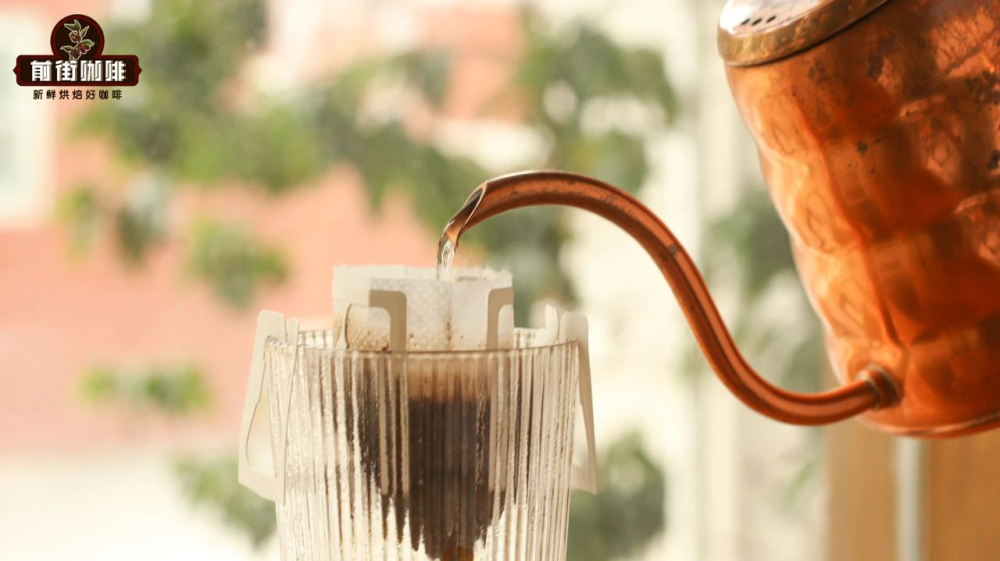
During actual brewing, it’s recommended to first pour a small amount of hot water to pre-wet the coffee grounds, just enough to cover the entire layer. The first pour should reach about half the height of the filter bag, followed by a 10-second bloom to initiate extraction. Then, proceed with two to three pours, steadily adding water until the filter bag is about 80% full. Allow the liquid to fully drip through after each pour before continuing to the next. Be careful not to pour too much water at once to avoid bypassing the coffee layer and leaking from the sides of the filter, which can lead to a thin flavor. A complete brew usually takes about one and a half minutes, with a total water volume around 150 milliliters. If you prefer a lighter taste, you may increase the number of pours up to a total of about 180 milliliters.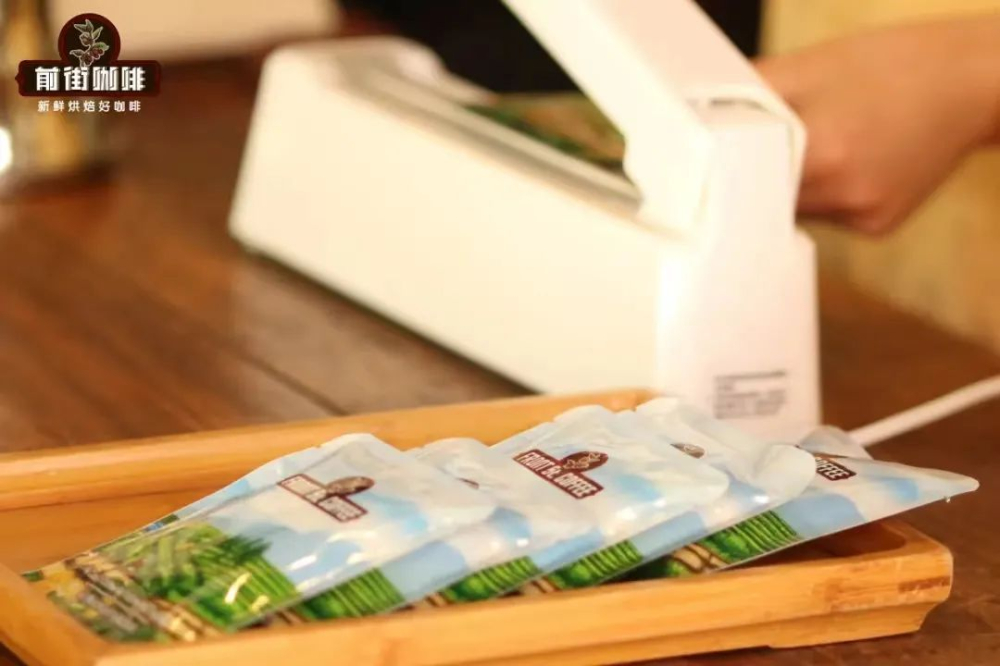
If you want to make iced coffee using the same hanging ear pack, you’ll need to adjust your brewing strategy. Since iced coffee typically involves adding ice to cool the brew — which dilutes the coffee — it’s recommended to adjust the brew ratio or extend the steeping time to ensure proper concentration. In practice, you can follow the commonly used iced pour over ratio of 1:10, starting with about 100 grams of hot water. The first pour is still used for pre-wetting and blooming, with similar water volume and method as hot brewing.
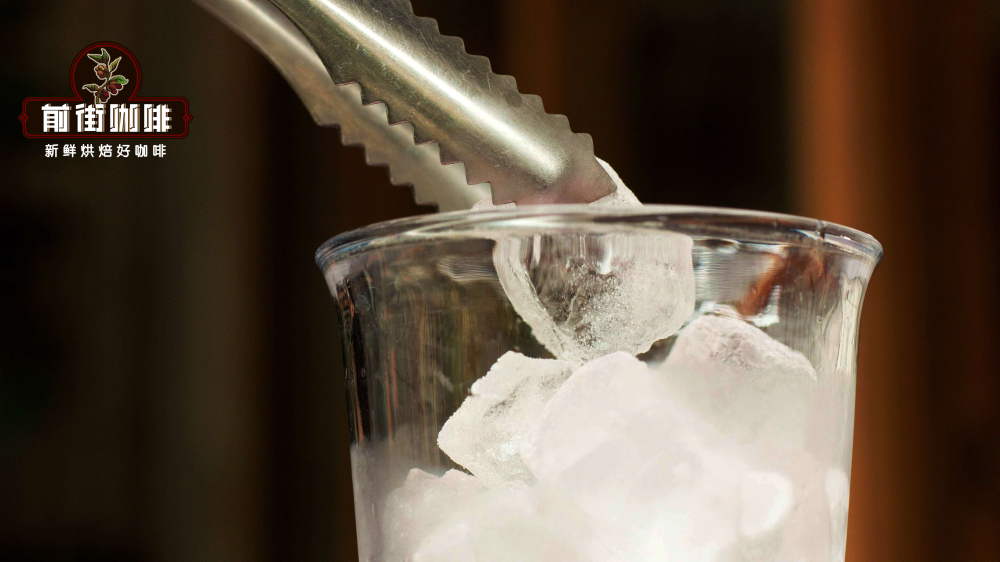
After blooming, it’s recommended to pour in three stages, with each stage filling the filter bag only about halfway (i.e., 50% full), keeping the total water volume between 90 to 105 milliliters. This approach helps effectively extract the coffee’s flavor compounds even in a cooler environment. Once all the liquid has dripped through, pour the coffee over prepared ice cubes to allow it to cool naturally. You may remove some melted ice as needed to prevent over-dilution and maintain flavor.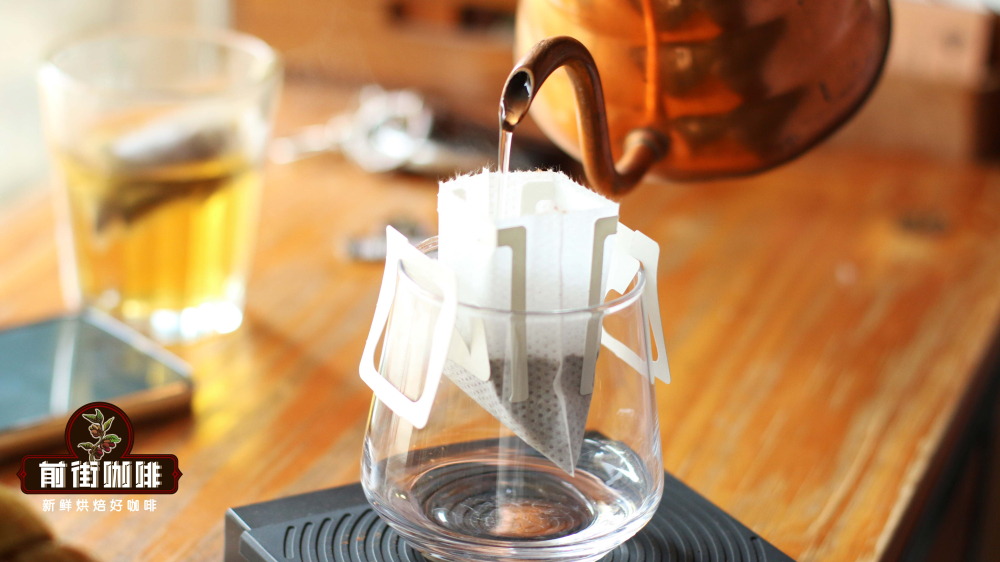
Based on multiple tests, this method of brewing iced coffee can preserve the bean’s original aromas and core flavor profile, with relatively balanced concentration. A special reminder: throughout the process, try to use a fine stream of water to avoid quickly filling the filter bag, which makes subsequent pouring harder to control. Using a kettle with a narrow spout can help you more precisely manage water flow speed and landing point, further enhancing brewing stability and flavor expression.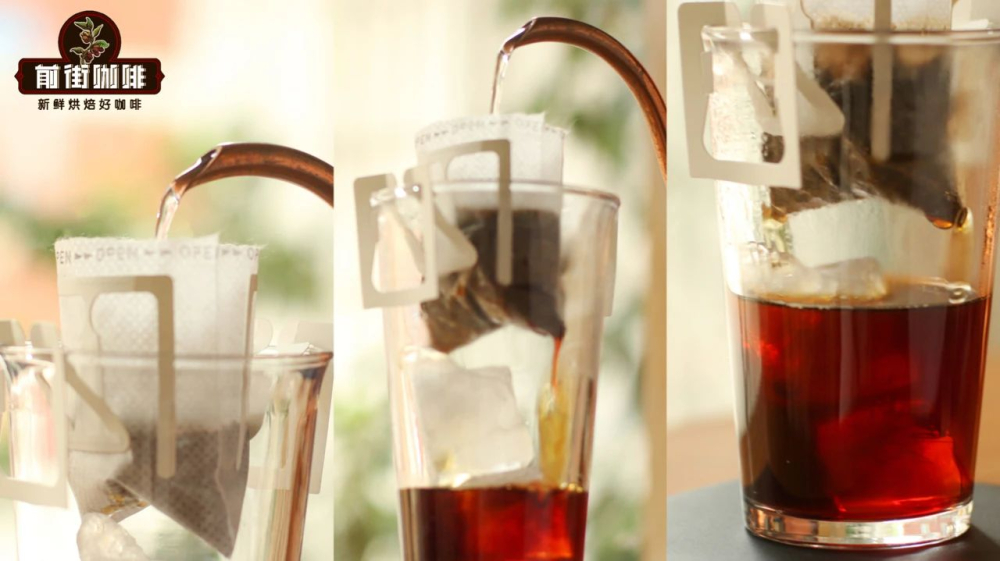
The above content is compiled by CoffeeHunters, a coffee news website.


