







Introduction:Want to understand the origins of drip bags and the secrets to brewing them? This article delves into the invention background and unique advantages of drip bags, recommends several classic drip bag coffees from different regions, and provides detailed tutorials on both hot and cold drip brewing methods—allowing you to easily enjoy professional-level pour over flavors at home.
Even when using the same coffee beans, there is still a noticeable difference in flavor between freshly ground coffee and drip bags. Once coffee is ground, its volatile aromatic compounds quickly dissipate, which is why many regular customers request freshly ground and freshly packed options, and suggest consuming them as soon as possible. Compared to pour over coffee, drip bags are much simpler to use, making them especially suitable for those with limited time or who want to enjoy coffee on the go.
The flavor profiles of drip bags commonly found on the market cover a wide range of regional characteristics. For example, the citrus notes of Yirgacheffe, the nutty flavors of Brazil Cerrado, the berry acidity of Kenyan beans, the complex floral aromas of Flower Dance, the rich woody tones of Mandheling, and the intense flavors of Honduran beans fermented in sherry wine barrels. Consumers can also customize their drip bags with specific flavor preferences by requesting bespoke services from shops.
Japan is the birthplace of drip bags, which originated from the need for a convenient pour over method among urban office workers. In 1990, Yamachū Sangyō first attempted to apply the concept of tea bags to coffee, but the structural design flaws prevented it from being commercialized. It wasn’t until 1998 that Daiki Shōji improved the filter bag structure by extending the drip bag support design, laying the foundation for the modern form of drip bags. This innovation allows busy modern individuals to easily recreate the refined flavors of pour over coffee.
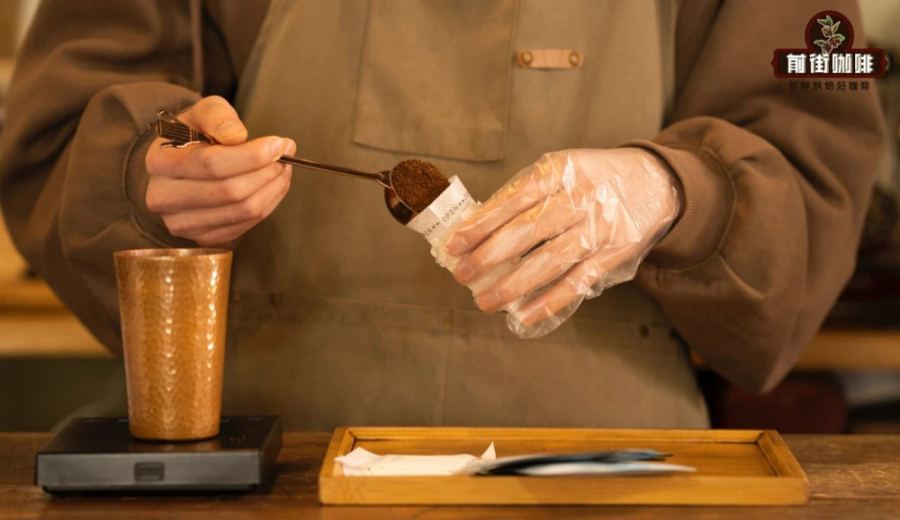
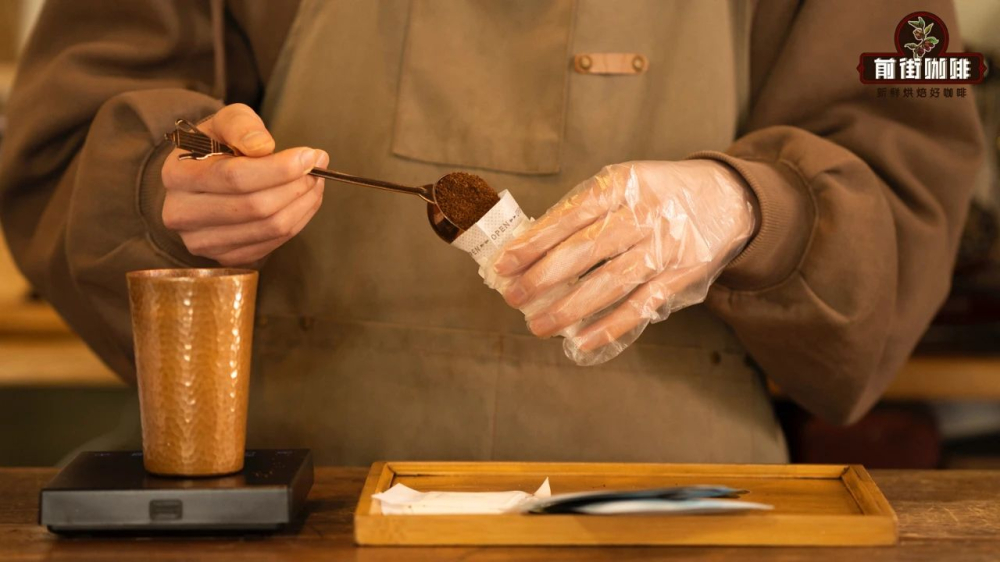
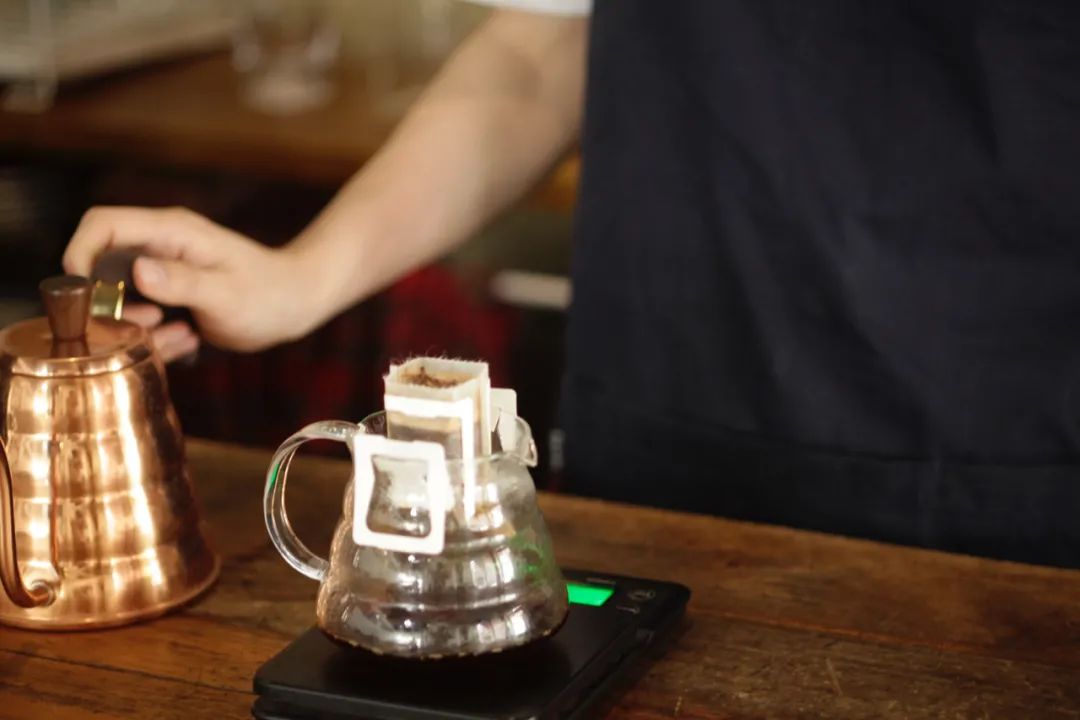
The core advantage of drip bags lies in balancing convenience with extraction quality. Compared to traditional pour over setups that require a grinder, electronic scale, filter cone, and thermometer, drip bags come pre-ground to a medium-fine consistency (around the size of fine sugar granules) and already include the filter and handle structure. It’s recommended to use water at 90–93°C, with a 1:15 coffee-to-water ratio (about 10 grams of coffee to 150 ml of water). Brewing with a circular pouring technique centered over the grounds effectively extracts the coffee’s sweetness and layered complexity.
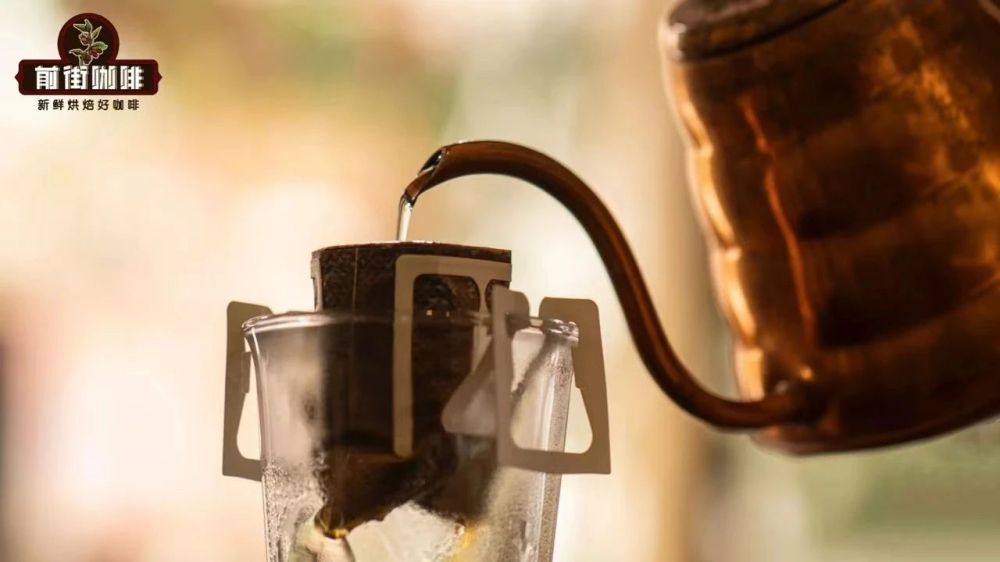
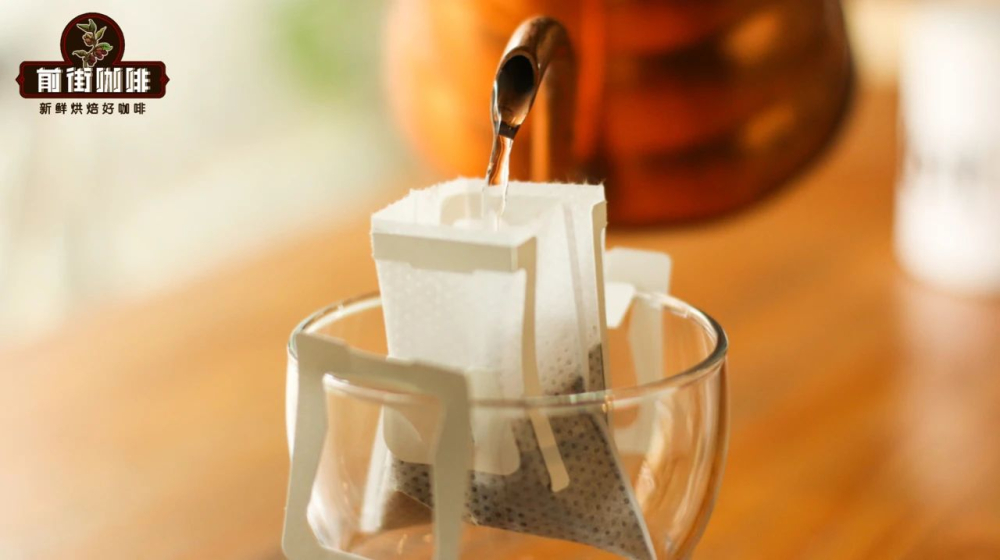
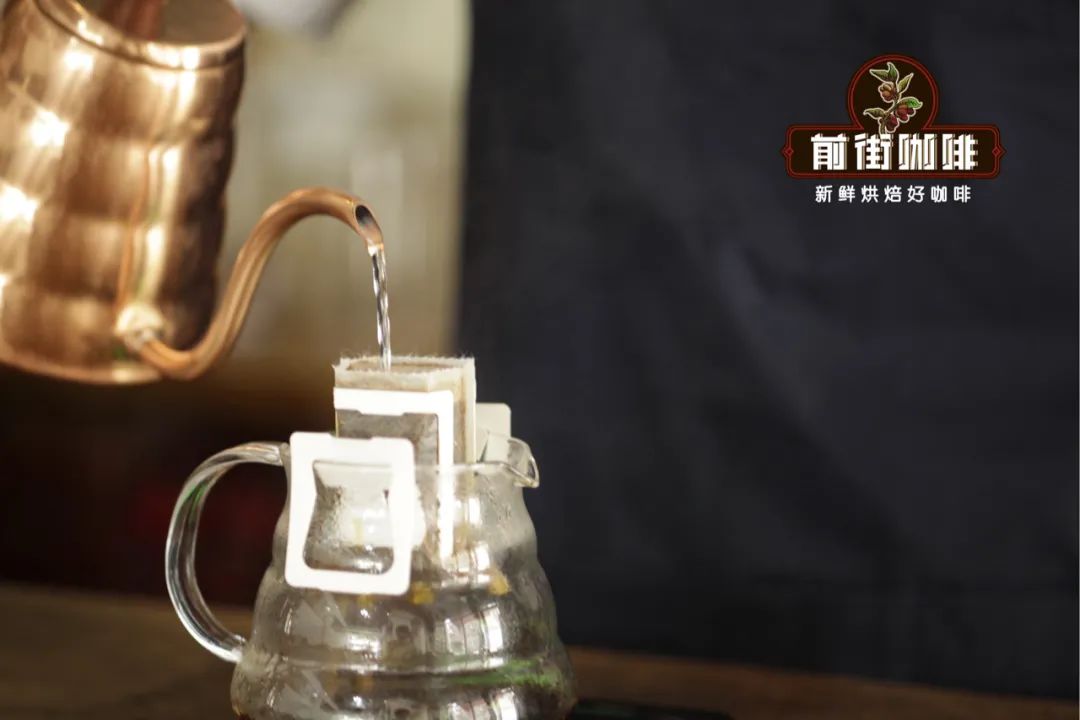
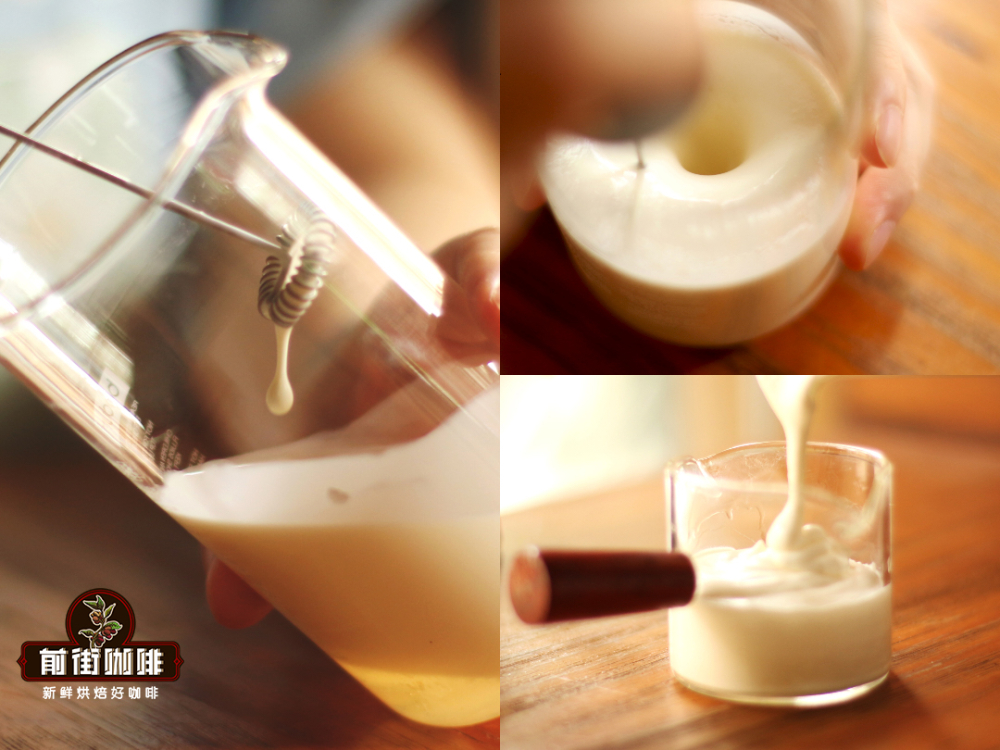
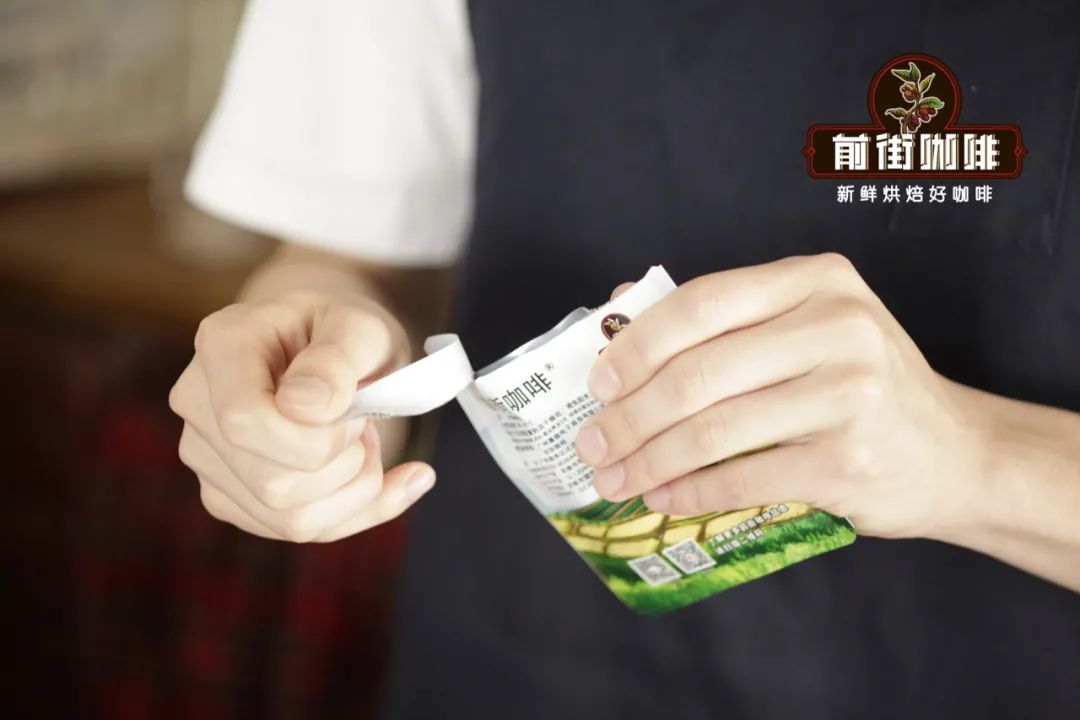
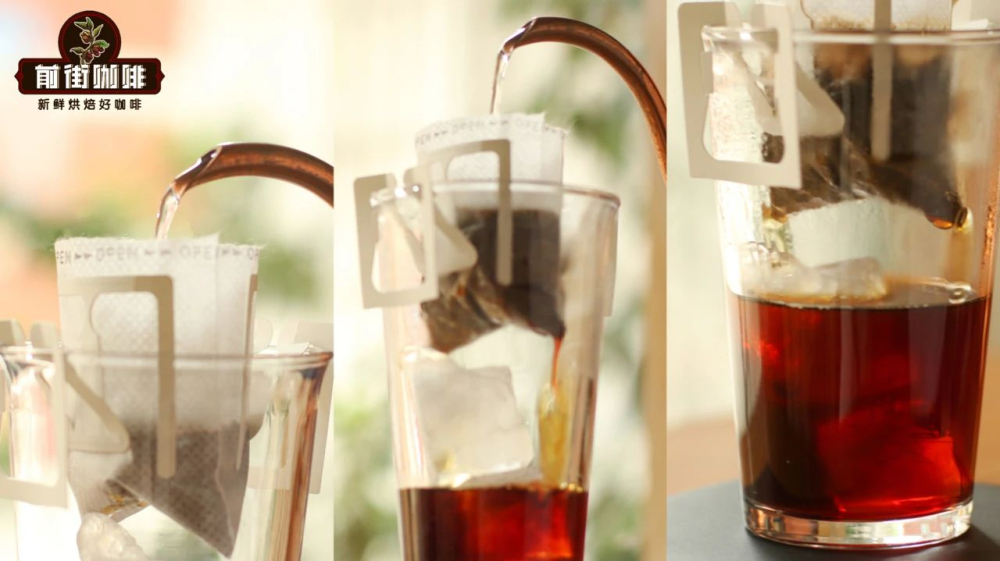
The standard brewing process consists of four steps: First, tear open the drip bag’s seal and securely hang the two ear-like handles on the rim of your cup; next, pour a small amount of hot water to bloom the coffee grounds for 30 seconds, awakening their aromas; then, slowly pour water at a steady rate until reaching the desired volume, with a total brew time ideally kept under 2 minutes; finally, remove the drip bag, and feel free to add milk or sugar according to preference. Avoid using cups with overly wide mouths as they may cause the drip bag to sit unstably—opt for cups with a diameter of less than 10 cm.
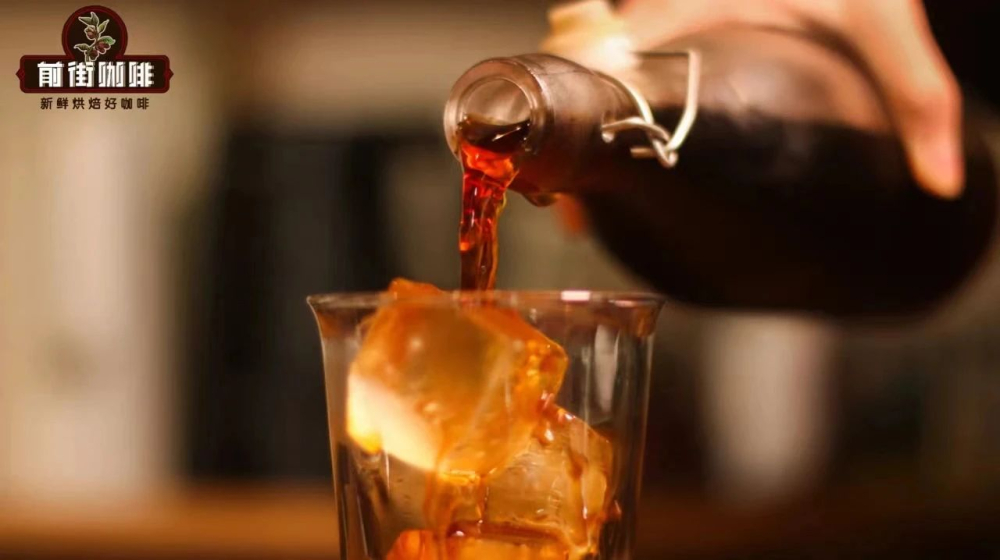
When making cold drip-style coffee with drip bags, two key parameters need adjustment: increase the water temperature to 93°C and extend the steeping time to 3 minutes, while also using 100 ml of hot water per single extraction. The specific process includes preheating a short, wide cup, pouring in hot water and letting it steep, then removing the drip bag and adding ice to cool it down. It’s recommended to use a wide, short cup paired with large cube ice to maintain a low-temperature environment for a longer period, effectively preserving the coffee’s bright acidity and aromatic molecules. If using crushed ice, be aware that faster melting may dilute the flavor concentration.
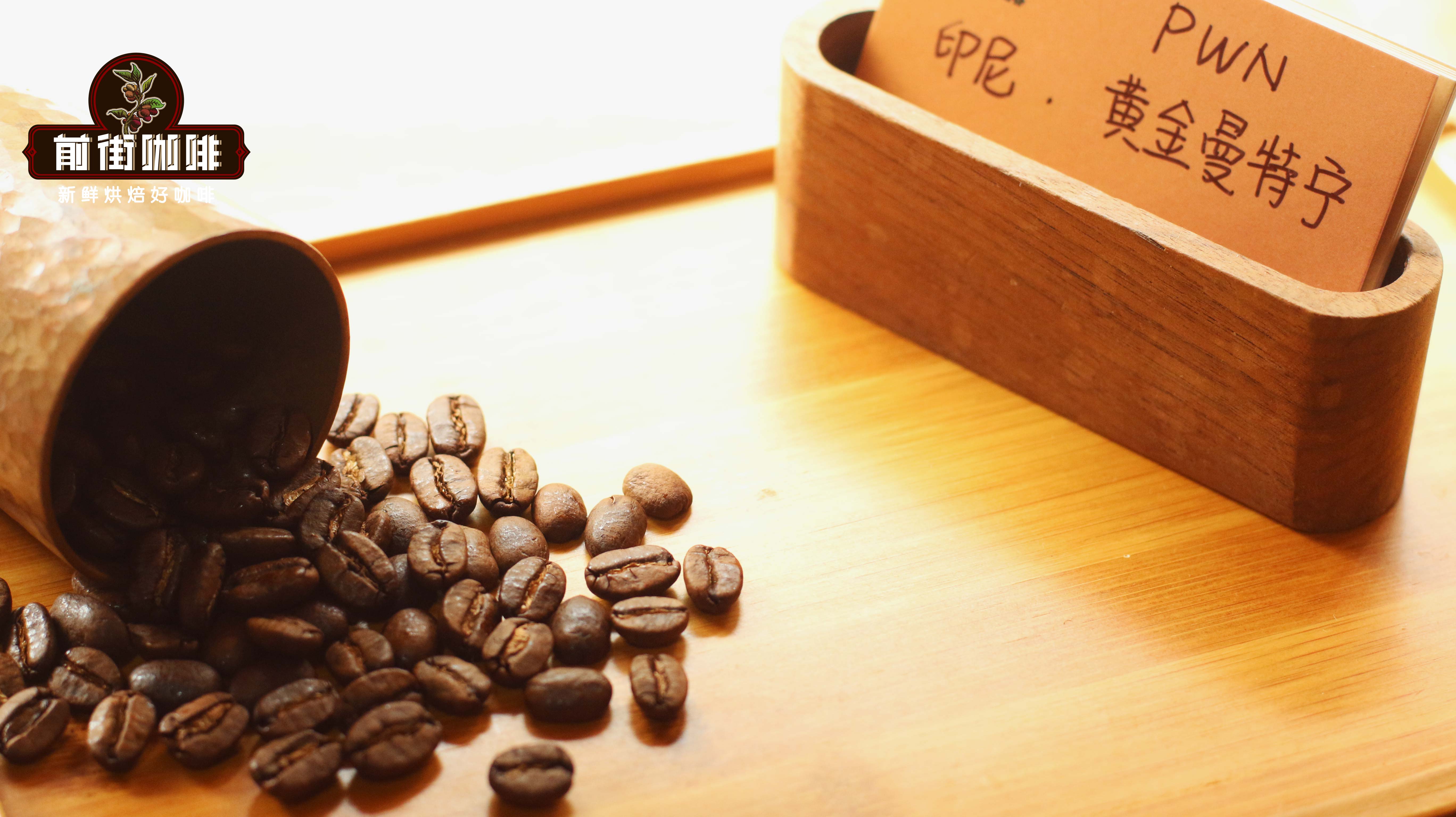
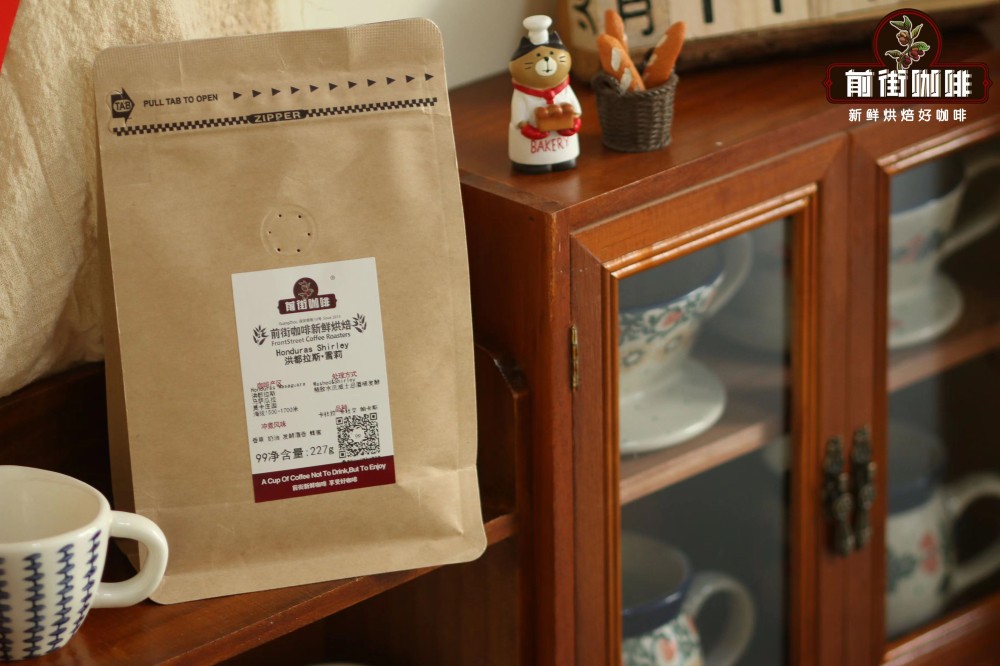
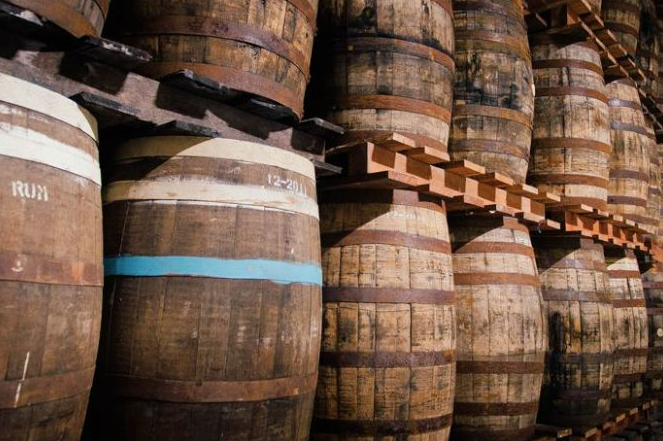
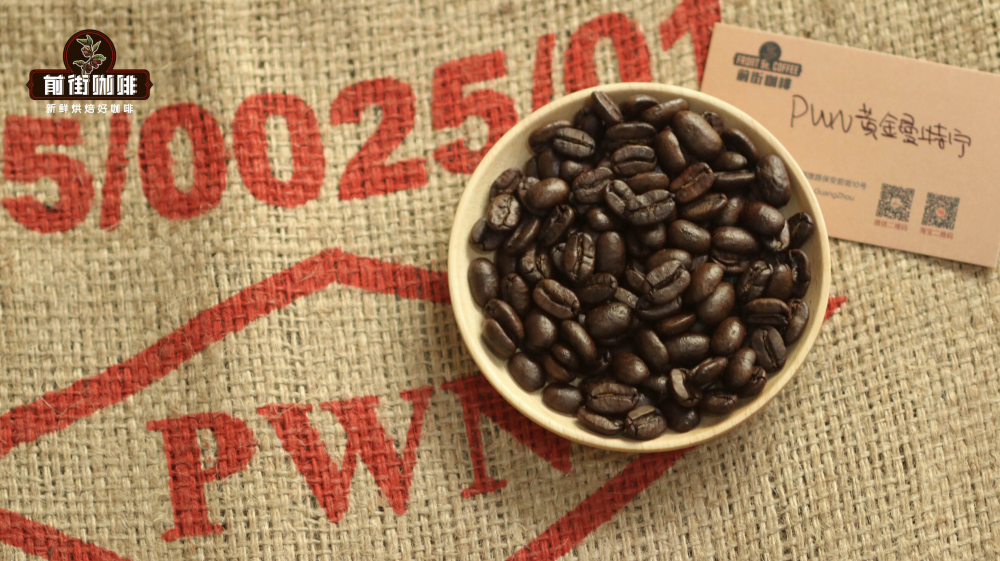
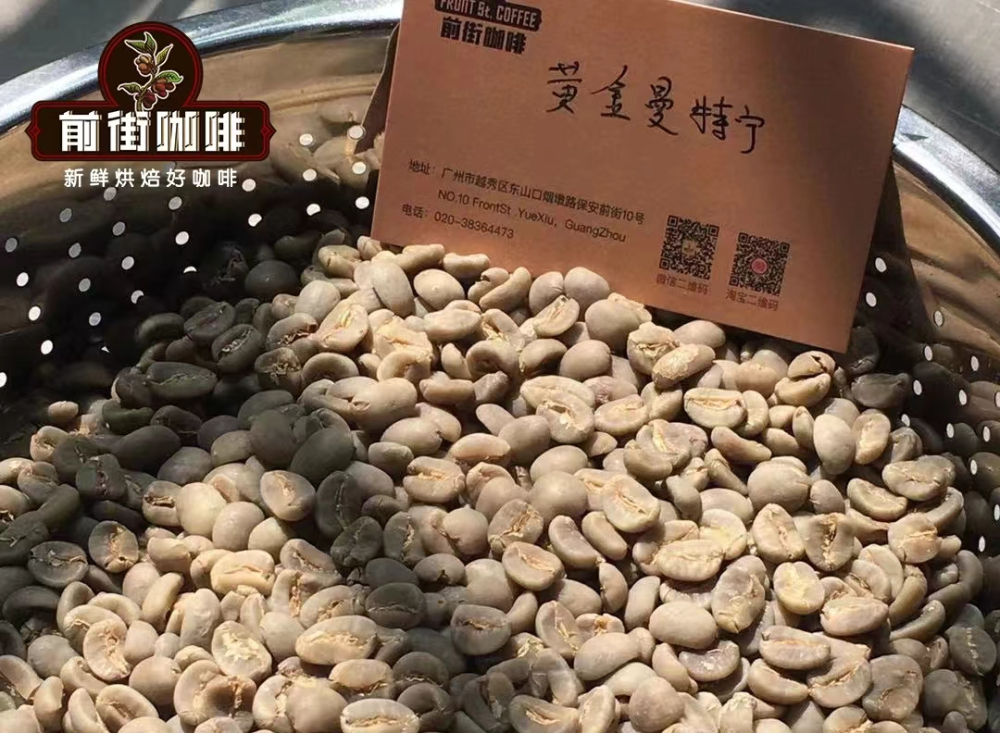
Among our releases is the sherry wine barrel-fermented drip bag, made with beans from the Masaguara region of Honduras. After undergoing 30 days of low-temperature fermentation in sherry barrels, it delivers whiskeys notes with a vanilla and creamy finish. Golden Mandheling comes from Indonesian PWN green bean suppliers and is processed through triple hand-sorting and the wet-hulled method, offering a clean and mellow sugarcane sweetness. The Flower Dance hybrid drip bag combines 70% Geisha lineage, highlighting floral and citrus notes through the washed process, and offers better value compared to similar products on the market.
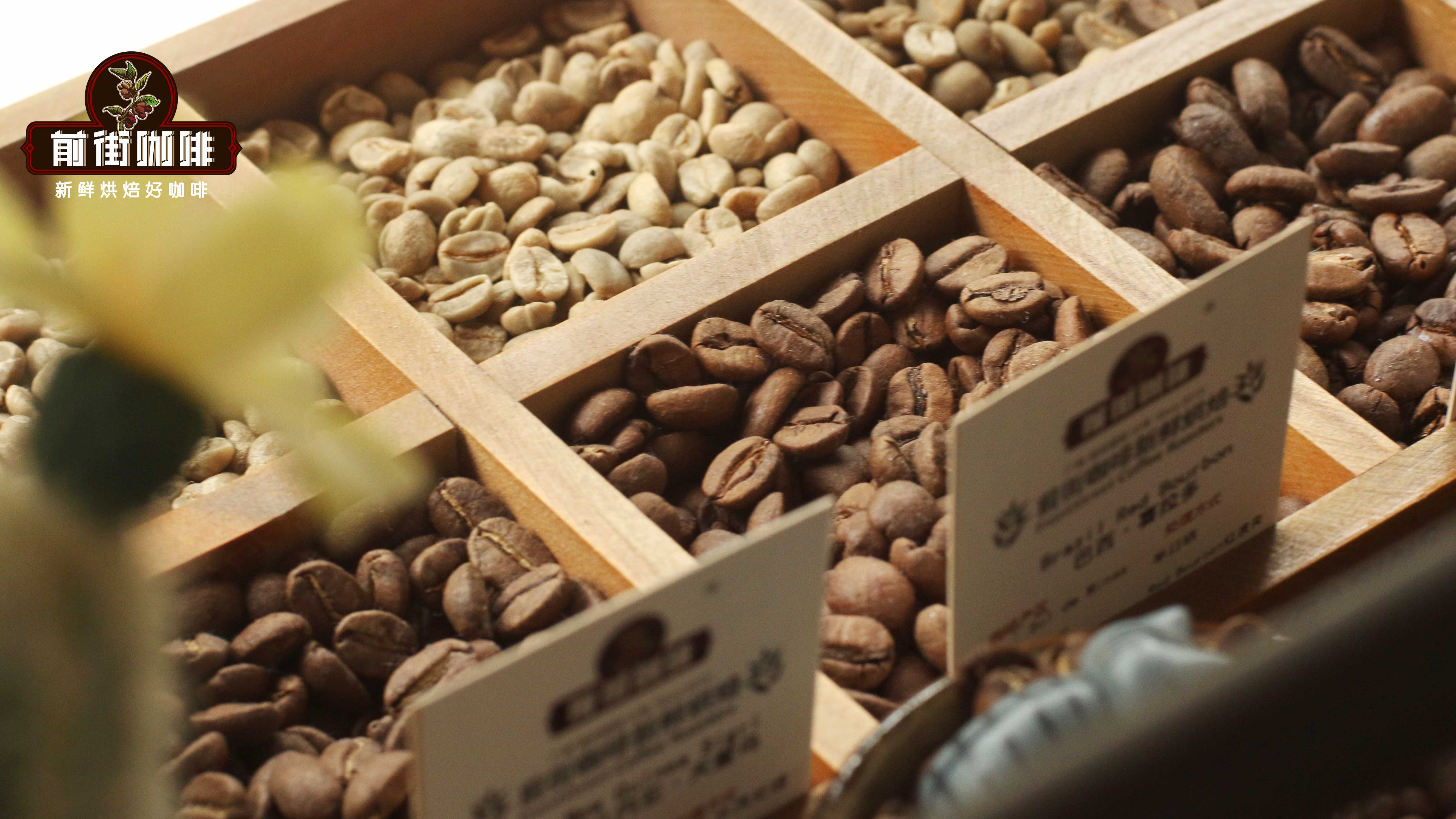
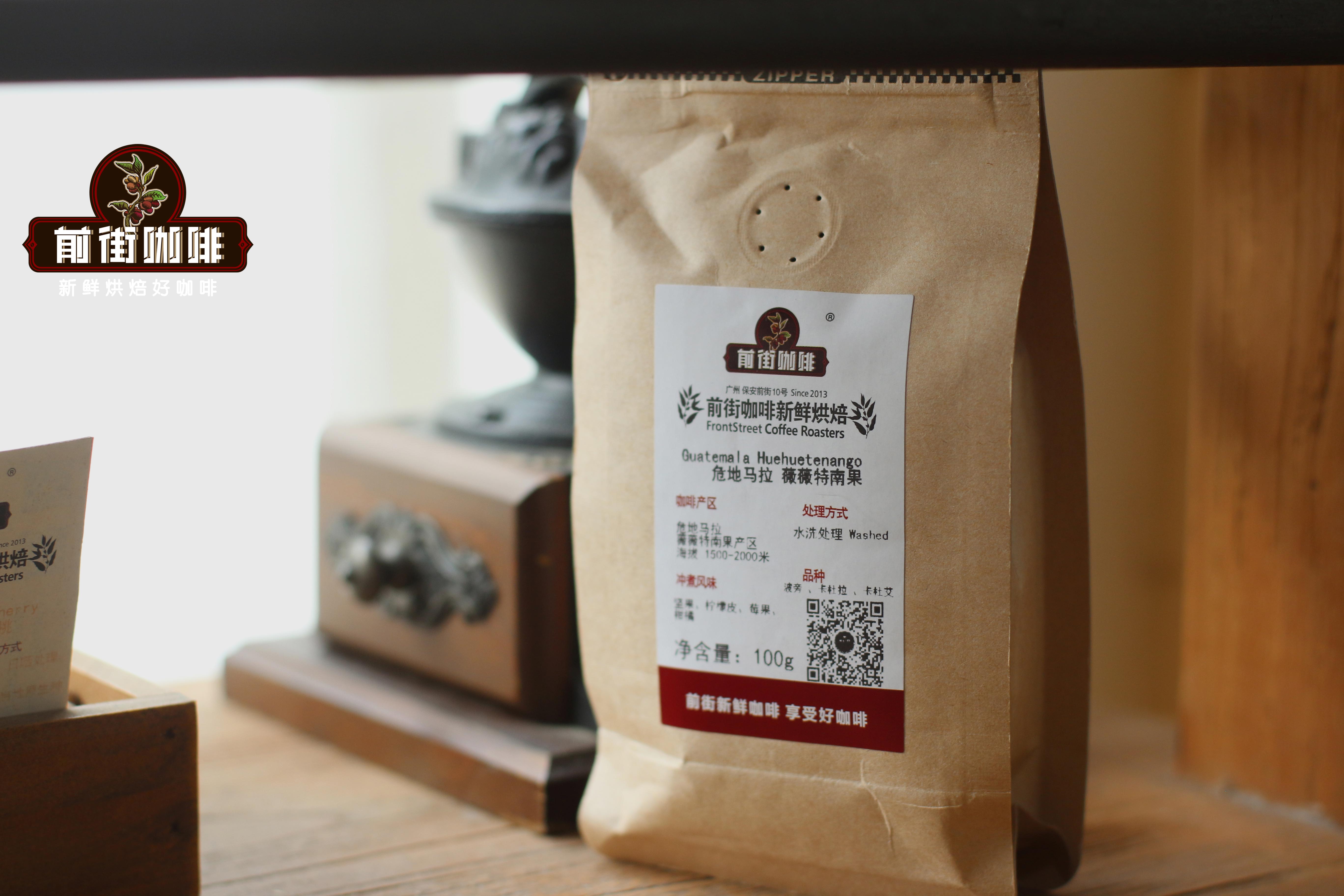
Other recommended products include the Brazilian Red Bourbon semi-washed drip bag, showcasing deep nutty tones and chocolate aftertaste; the Costa Rican Tarrazú drip bag with a balanced sweet-and-acidic profile; and the Guatemalan Huehuetenango washed drip bag, which features smoky notes and a rich, wine-like body. Each product is labeled with suggested roast levels and brewing parameters, allowing consumers to fine-tune water temperature and coffee-to-water ratios based on personal preference.
The above content is compiled by CoffeeHunters, a coffee news website.


