







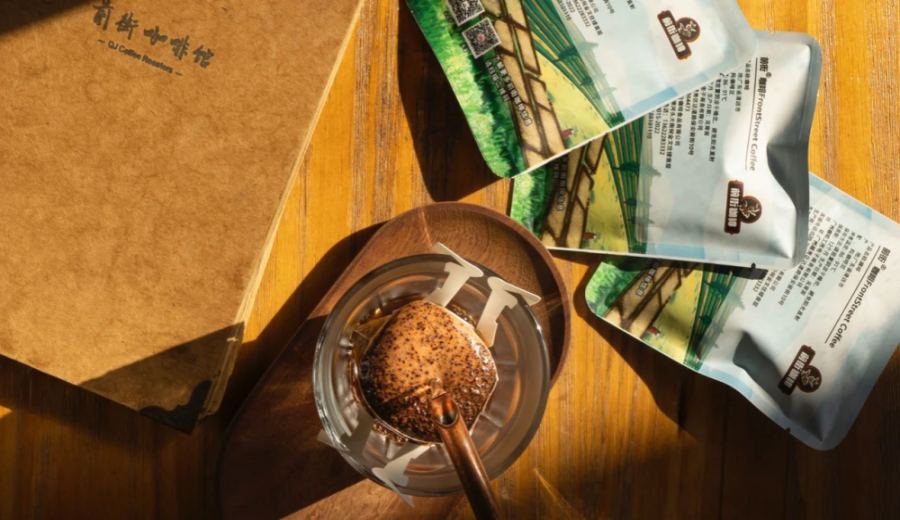
Introduction:Want to try black coffee but don’t know where to start? Drip bags are often the go-to choice for many coffee beginners — not only are they easy to use, but they also preserve the flavors of pour-over brewing. This article takes an in-depth look at the flavor profiles of common drip bag coffee beans, the types of drinkers they suit, how different roast levels affect taste, as well as the correct way to brew them and answers to common misconceptions, helping you find your own perfect coffee flavor.
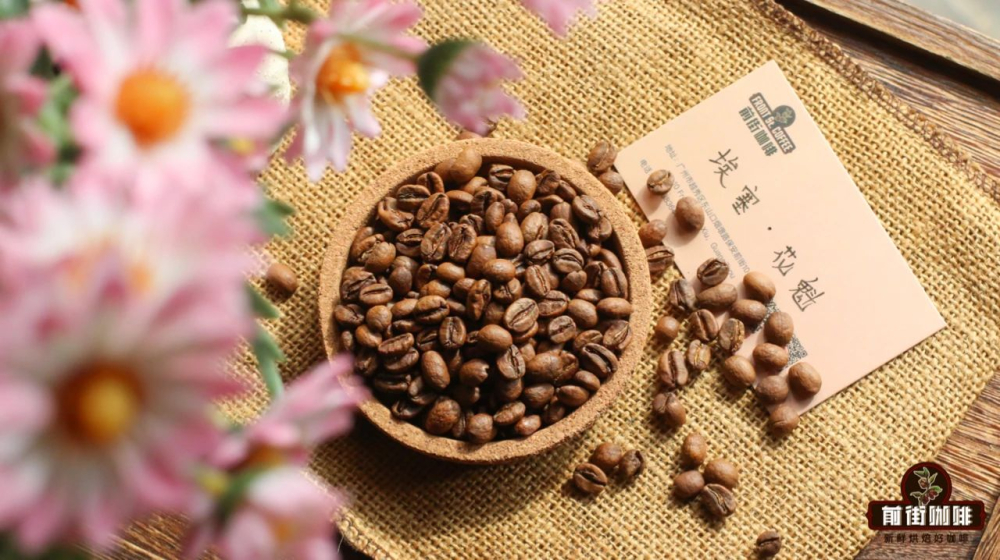
For those new to coffee, drip bags are a convenient option that still lets you experience the essence of pour-over brewing. Whether you prefer bright acidity or rich, full-bodied flavors, there are bean varieties on the market that cater to all tastes. For example, if you enjoy vibrant acidity and floral-fruity notes, you might want to try Ethiopian Yirgacheffe or Panamanian Geisha. These coffees typically showcase refreshing notes of citrus, lemon, and berries with lively acidity — perfect for breakfast or an afternoon pick-me-up.
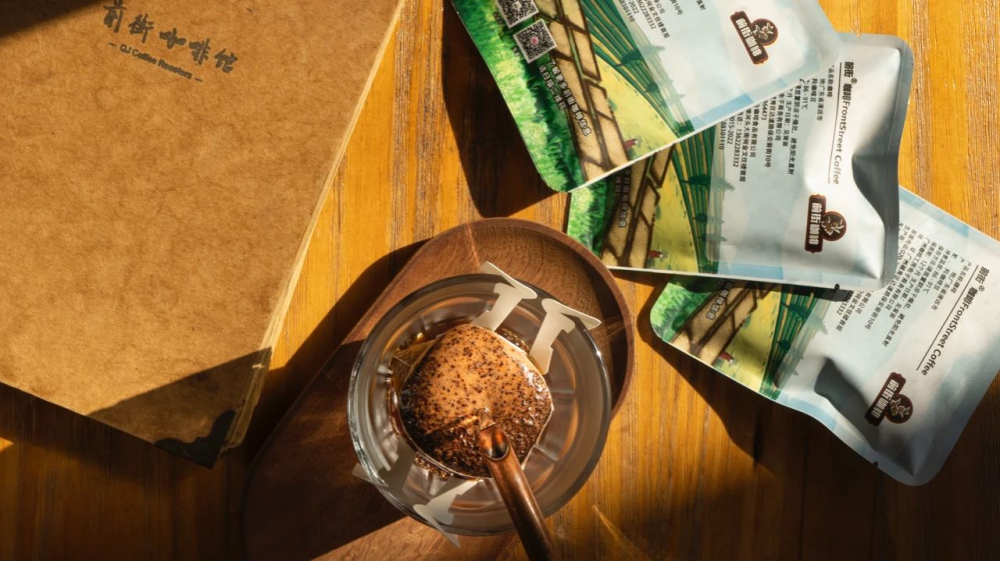
If you lean more toward bold, low-acid coffee experiences, Brazilian and Indonesian beans, or Jamaican Blue Mountain, are great choices. These types of coffee often carry nutty, creamy, and cocoa-like aromas, with a smooth mouthfeel and long-lasting aftertaste. Additionally, for coffee lovers eager to explore unique flavors, Honduran sherry cask-aged beans or Costa Rica’s Mozart series are known for their whiskey-like aroma and velvety texture reminiscent of vanilla cream — featuring low acidity and rich layers of complexity.
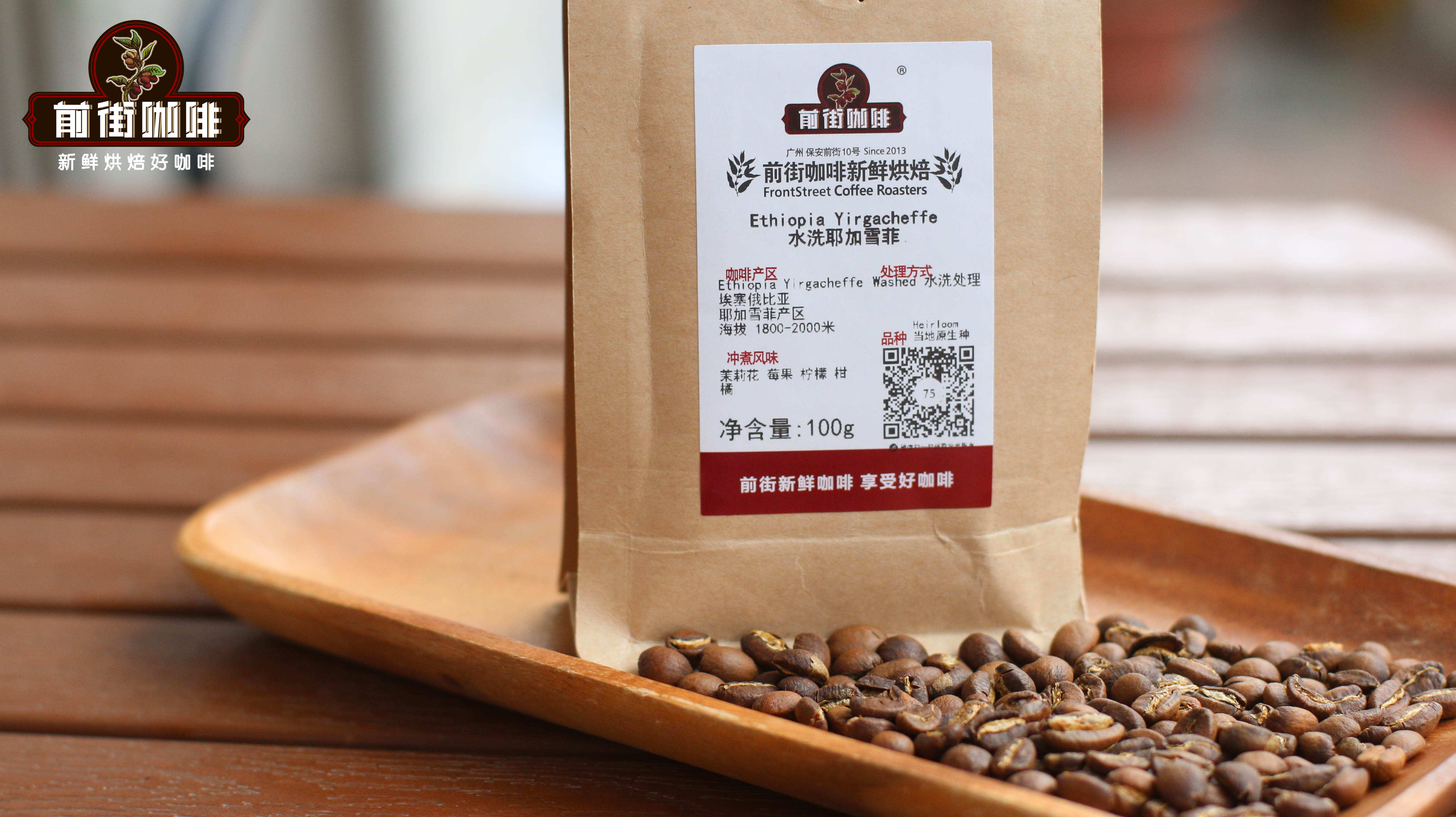
Understanding a coffee’s flavor profile can also help us determine its roast level. Generally speaking, descriptions that include citrus, berry, or floral acidity usually indicate a medium-light roast — such as Ethiopian Yirgacheffe or Kenyan beans from Africa. Beans with prominent nutty aromas are typically medium-roasted, like those from Colombia or Costa Rica. As for beans that emphasize cocoa notes, low acidity, and a full body, they are mostly medium-dark roasted — such as Brazilian and Indonesian coffees, which are favored by consumers who enjoy stronger, bolder flavors.
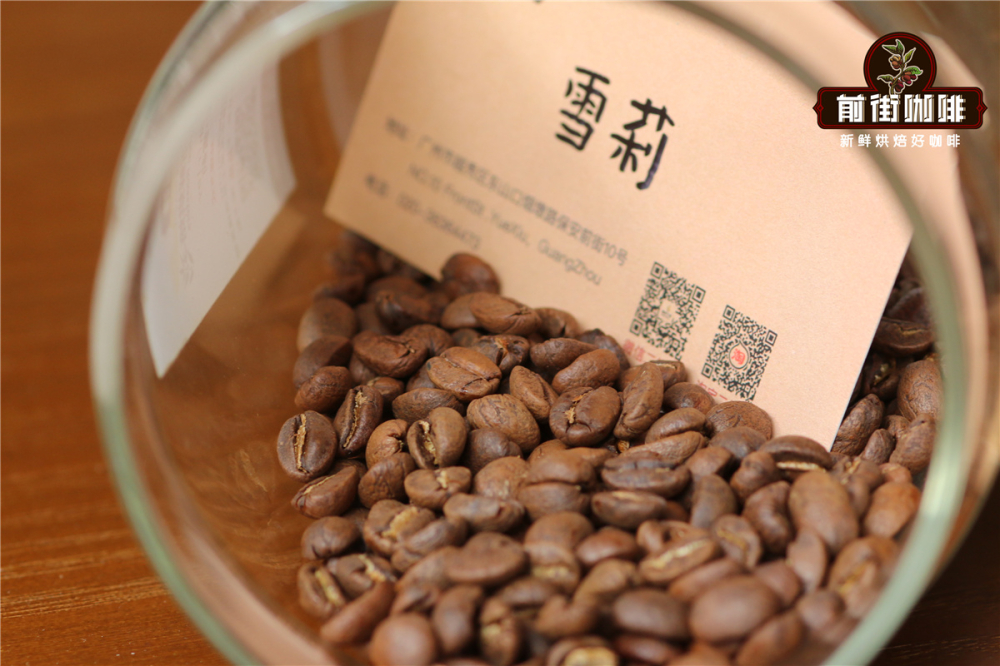
Although drip bags offer the convenience of pour-over brewing, the nature of pre-ground coffee makes it difficult for the flavor to fully match that of freshly ground pour-over. Once coffee beans are ground, their surface area exposed to air increases significantly, causing the flavors to deteriorate quickly. Therefore, it is recommended to consume them soon after purchase and store them properly in a sealed, light-proof environment to preserve optimal flavor.
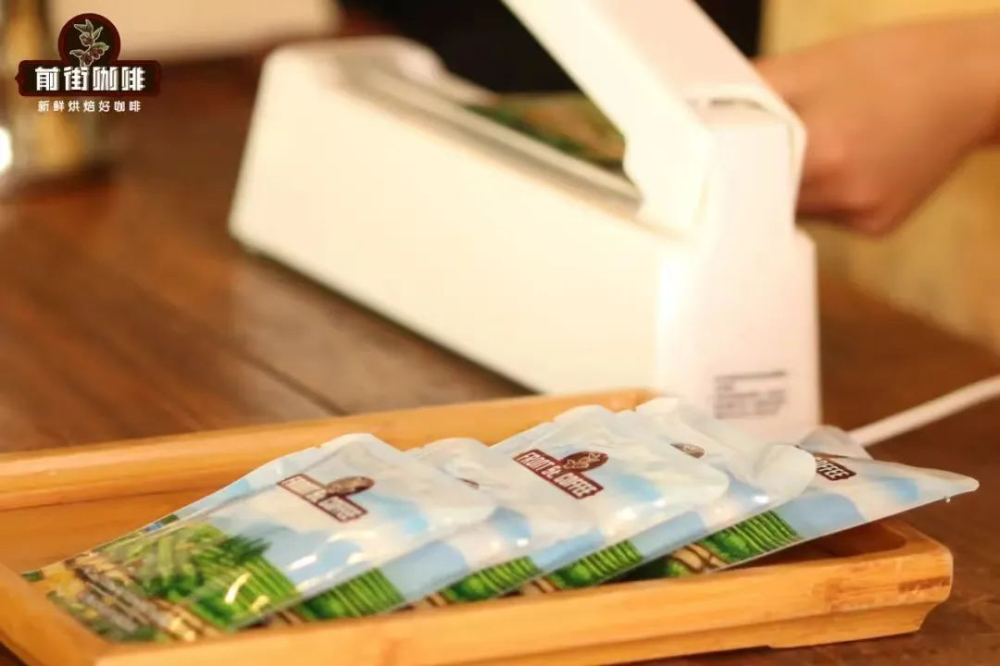
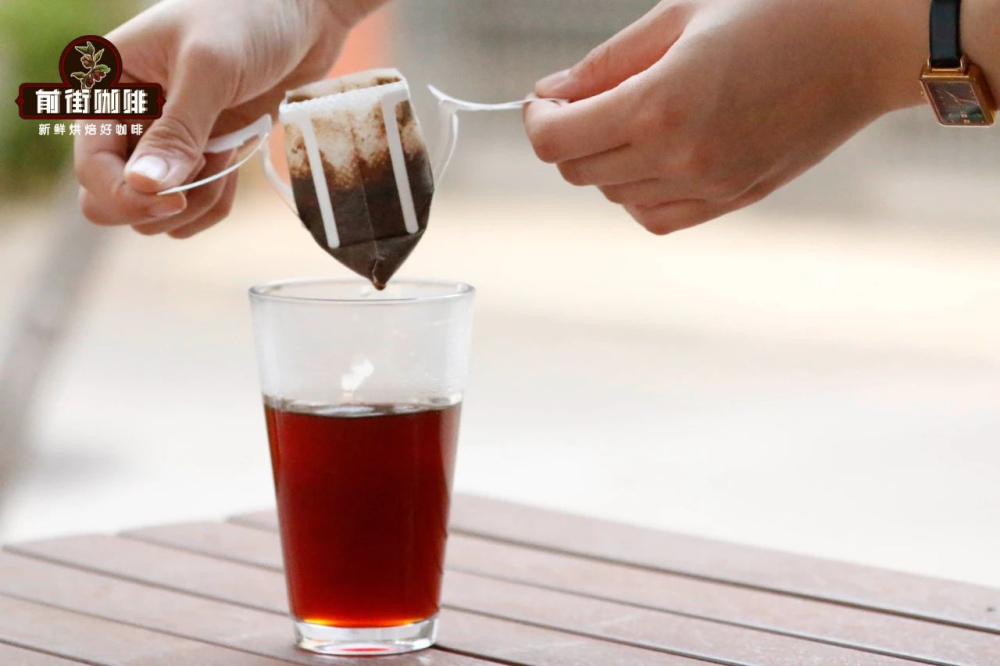
Can drip bags be reused? The answer is no. Even if you feel there’s a bit of residual flavor left after the first brew, in reality, only about 30% of the substances in coffee beans can be extracted by water, while the remaining 70% consists of insoluble fibers. Even if you increase the number of brews or the amount of water, it won’t significantly enhance the flavor — instead, it may make the coffee taste even more bland and weak. Therefore, it’s recommended to brew each drip bag only once and adjust the strength according to the suggested coffee-to-water ratio, typically 1:15, meaning 10 grams of coffee grounds to 150 milliliters of hot water.
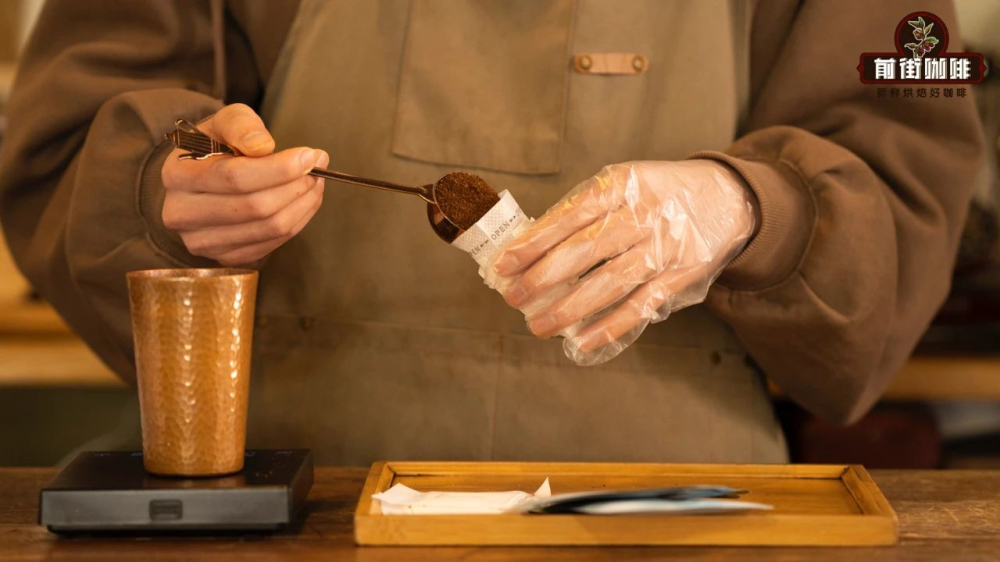
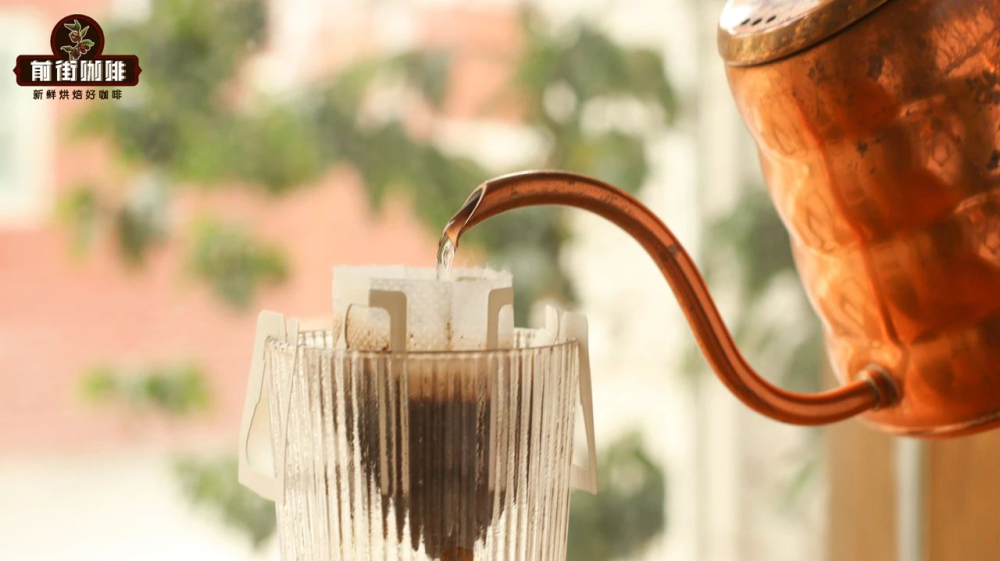
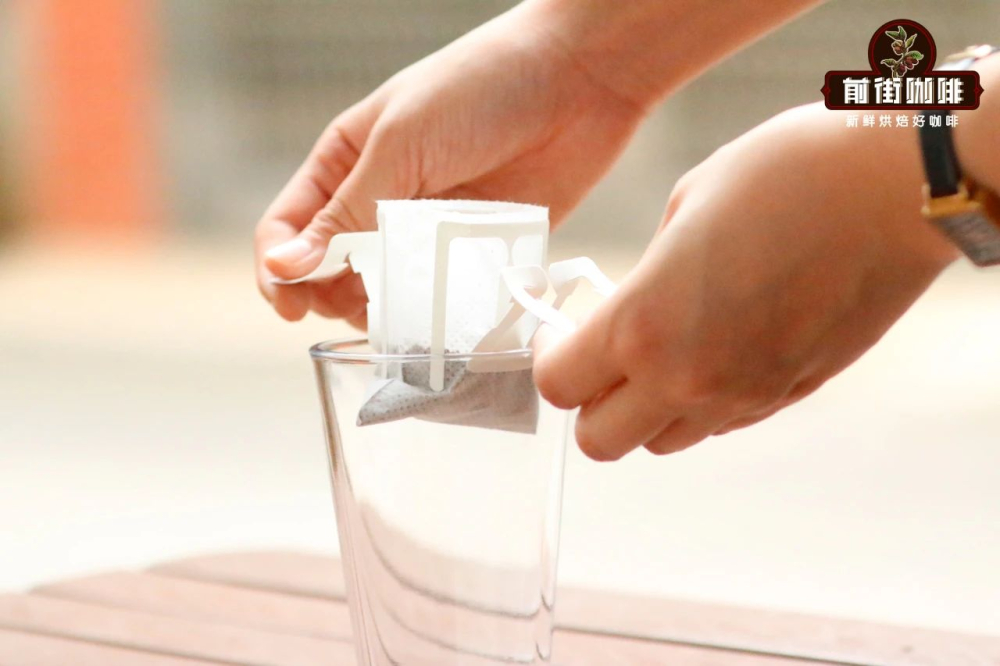
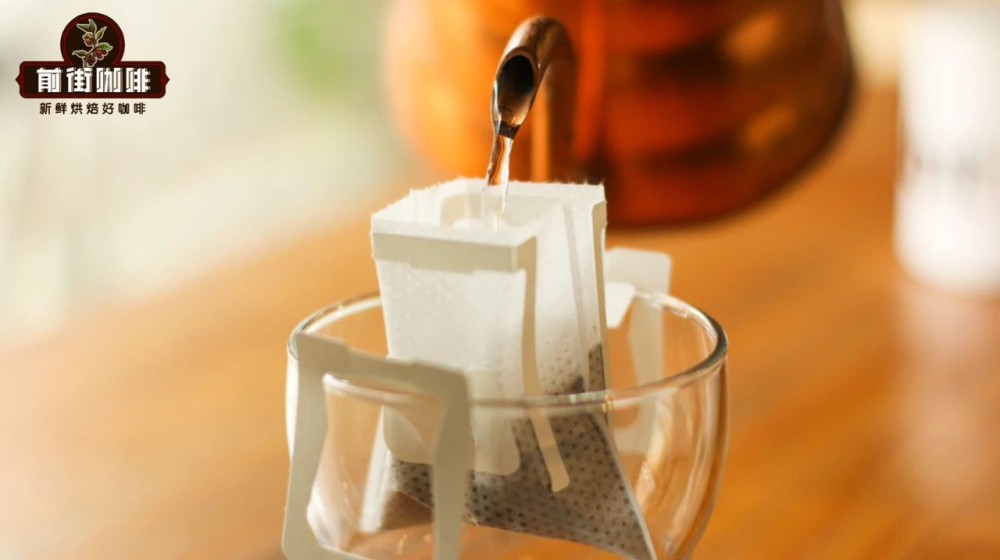
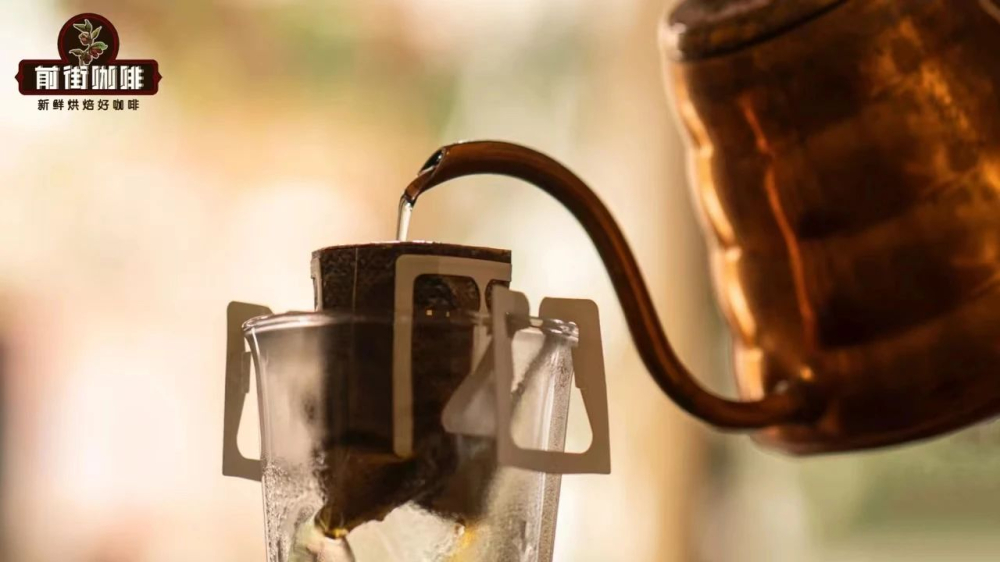
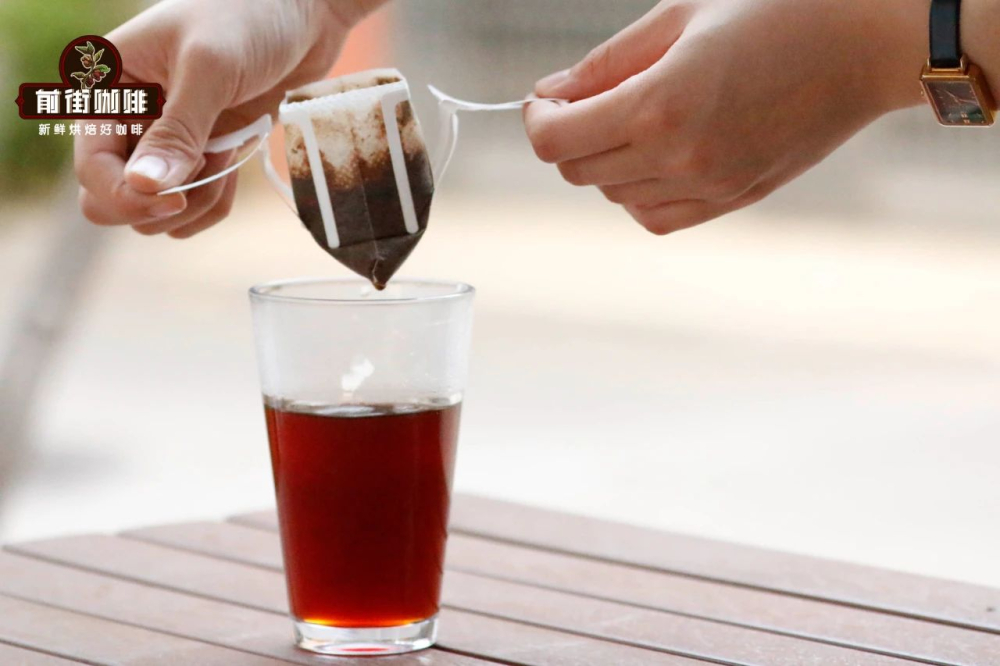
When brewing a drip bag, it’s recommended to use water at around 90°C. Begin with a 20–45 second bloom to allow the coffee grounds to expand and release their aroma. Then, pour water steadily in a small, circular motion until you reach 150 milliliters. There’s no need for overly complex pouring stages — keep it simple and user-friendly. If you prefer milk coffee, you can adjust the coffee-to-water ratio to your liking or mix the brewed coffee with hot milk at a 1:8 ratio to create your own personalized latte flavor.
In summary, although drip bags may not be as refined as professional pour-over brewing, they have a low barrier to entry, fit well into the busy modern lifestyle, and still allow you to explore diverse flavors. Whether you’re a beginner or someone looking for a convenient daily coffee solution, you’ll find a suitable option. Remember, with proper storage, attention to brewing ratios and water temperature, you can fully unlock the potential of every drip bag and enjoy your own unique coffee moment.

The above content is compiled by CoffeeHunters, a coffee news website.


