







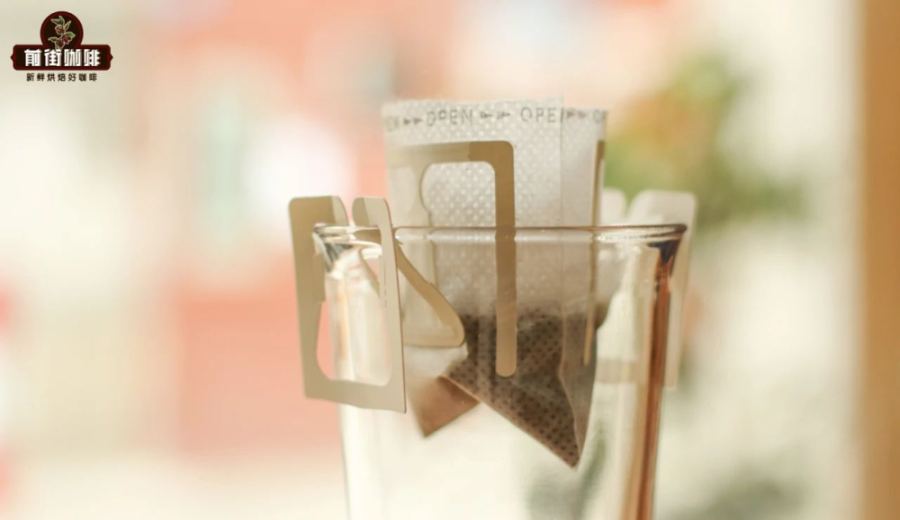
Introduction:Many people believe that steeping drip bags longer results in stronger coffee, but in reality, over-extraction only leads to bitterness. This article delves into the optimal brewing time for drip coffee bags, the causes of over-extraction, and compares the fundamental differences between drip bags and instant coffee. It also provides practical step-by-step pouring techniques to help you achieve a balanced pour over-like flavor using simple tools, along with flavor profiles of drip bags from different coffee regions for reference.
Does steeping a drip coffee bag longer make it taste better?
Many coffee beginners mistakenly think that extending the brewing time will make the coffee more intense. In fact, this is a common misconception. When a drip bag is soaked for too long, not only will it extract excessive bitter and astringent impurities, but it may also release undesirable substances from the coffee grounds, leading to an imbalanced overall flavor.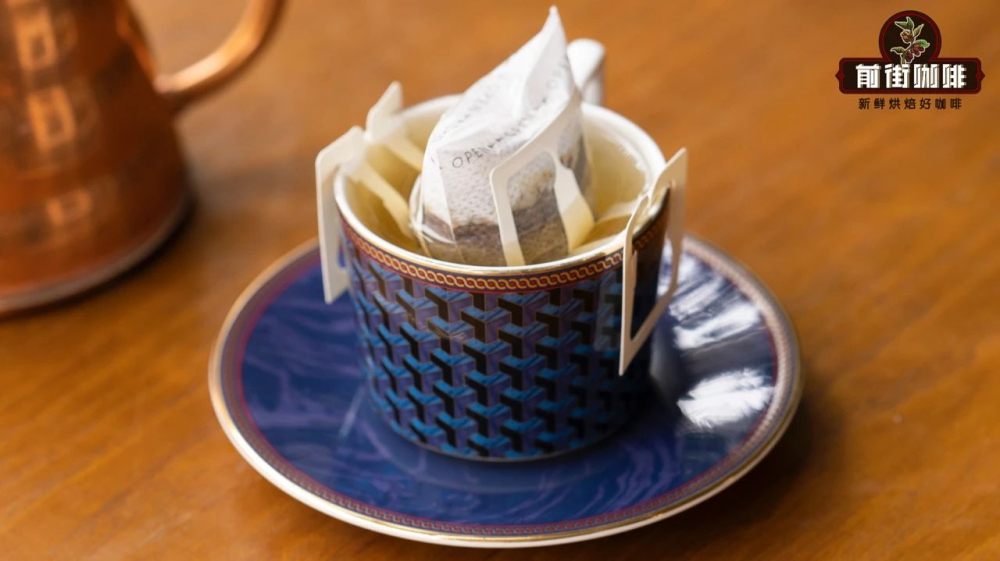 " alt="Drip coffee brewing illustration" />This phenomenon is referred to in coffee terminology as "over-extraction," which makes the coffee taste both bitter and astringent, completely losing its intended layers of flavor.
What is the correct way to brew a drip coffee bag?
Since the design of drip bags is based on the principles of pour over, it is recommended to use the step-by-step pouring method instead of direct soaking. By controlling the water flow rate and pouring height, you can evenly saturate the coffee grounds, effectively extracting floral and fruity acidity as well as sweetness, while avoiding the excessive release of tannic acids.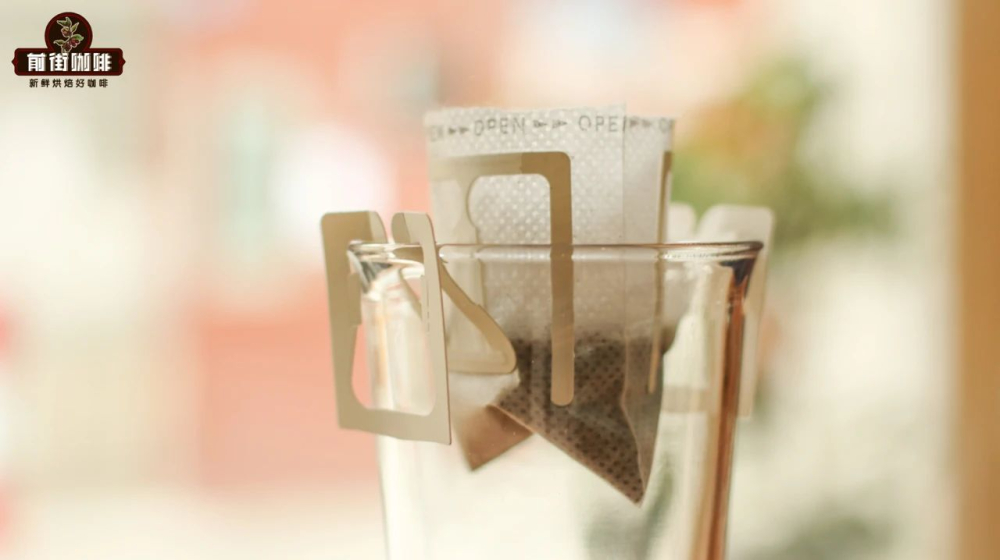 " alt="Drip coffee bags with various flavors" />This method not only stabilizes extraction efficiency but also allows you to adjust the total water volume according to personal taste, precisely controlling the concentration within the ideal range.
What flavor options do drip coffee bags offer?
Commonly available drip coffee bags can showcase diverse regional characteristics: the Indonesian Mandheling series has a rich woody tone with low acidity; Ethiopian Yirgacheffe is known for its bright lemony acidity and jasmine floral notes; Brazilian Cerrado exhibits a mild balance of nuts and caramel.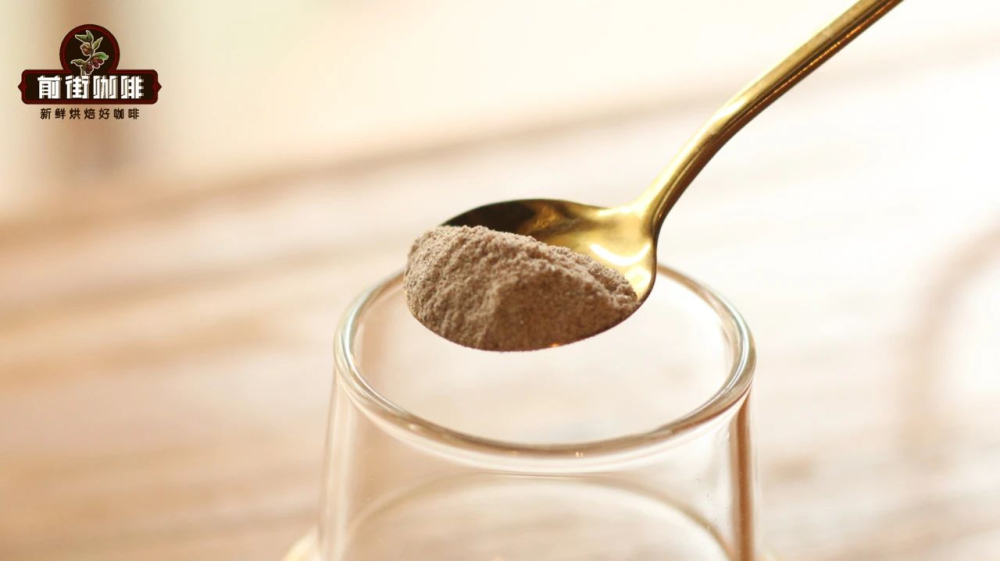 " alt="Instant vs. drip coffee comparison" />These differences primarily stem from the roast level, processing method, and altitude of the coffee beans. It is recommended to pair different flavor profiles according to your drinking scenario.
The fundamental difference between drip coffee and instant coffee
Although both fall under the category of ready-to-drink beverages, drip coffee and instant coffee differ greatly in their production processes. Instant products undergo high-temperature dehydration procedures. While they are convenient to brew and inexpensive, they inevitably lose flavor compounds and aromatic molecules. Some commercially available instant products even contain artificial creamers and sweeteners, which may impact health if consumed long-term.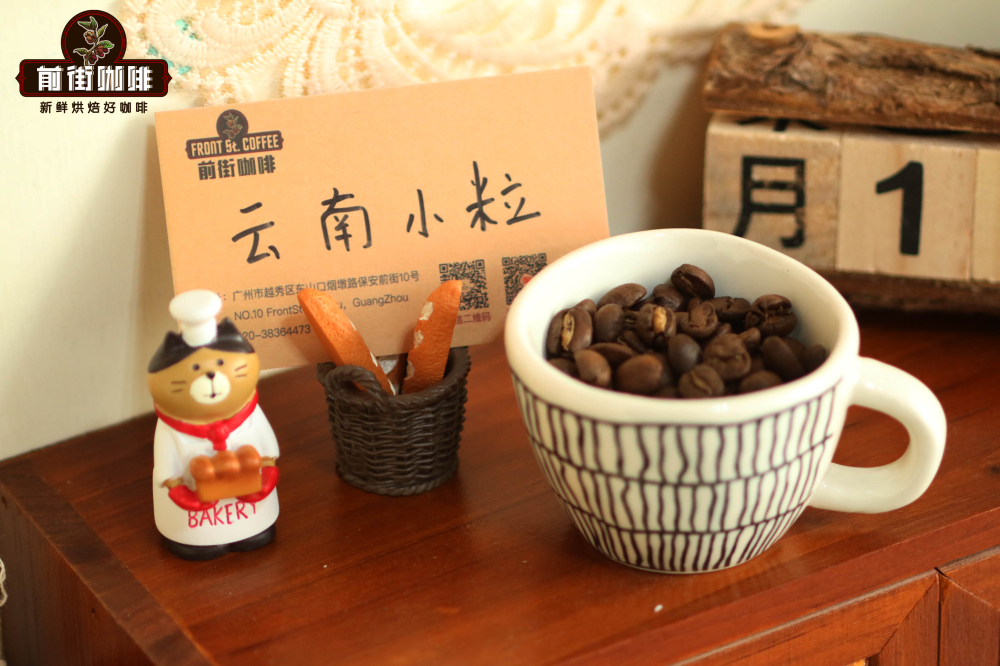 " alt="Step-by-step breakdown of drip coffee brewing" />In contrast, high-quality drip coffee bags use freshly ground coffee powder, fully preserving the original flavor profile. Moderate consumption can even help promote metabolism.
Professional-grade drip coffee brewing parameter recommendations
Practical tests show that when using a 10-gram drip coffee bag, the total water volume should be controlled within the range of 150–180 milliliters. First, perform a pre-wetting (bloom) with 30 milliliters of water at 92–94°C for about 15 seconds. This step helps to release carbon dioxide and activate the coffee cells. Then proceed with two stages of pouring: the first stage involves pouring in a spiral motion until the filter bag is about 80% full, and after the liquid level drops, continue pouring until it is fully saturated.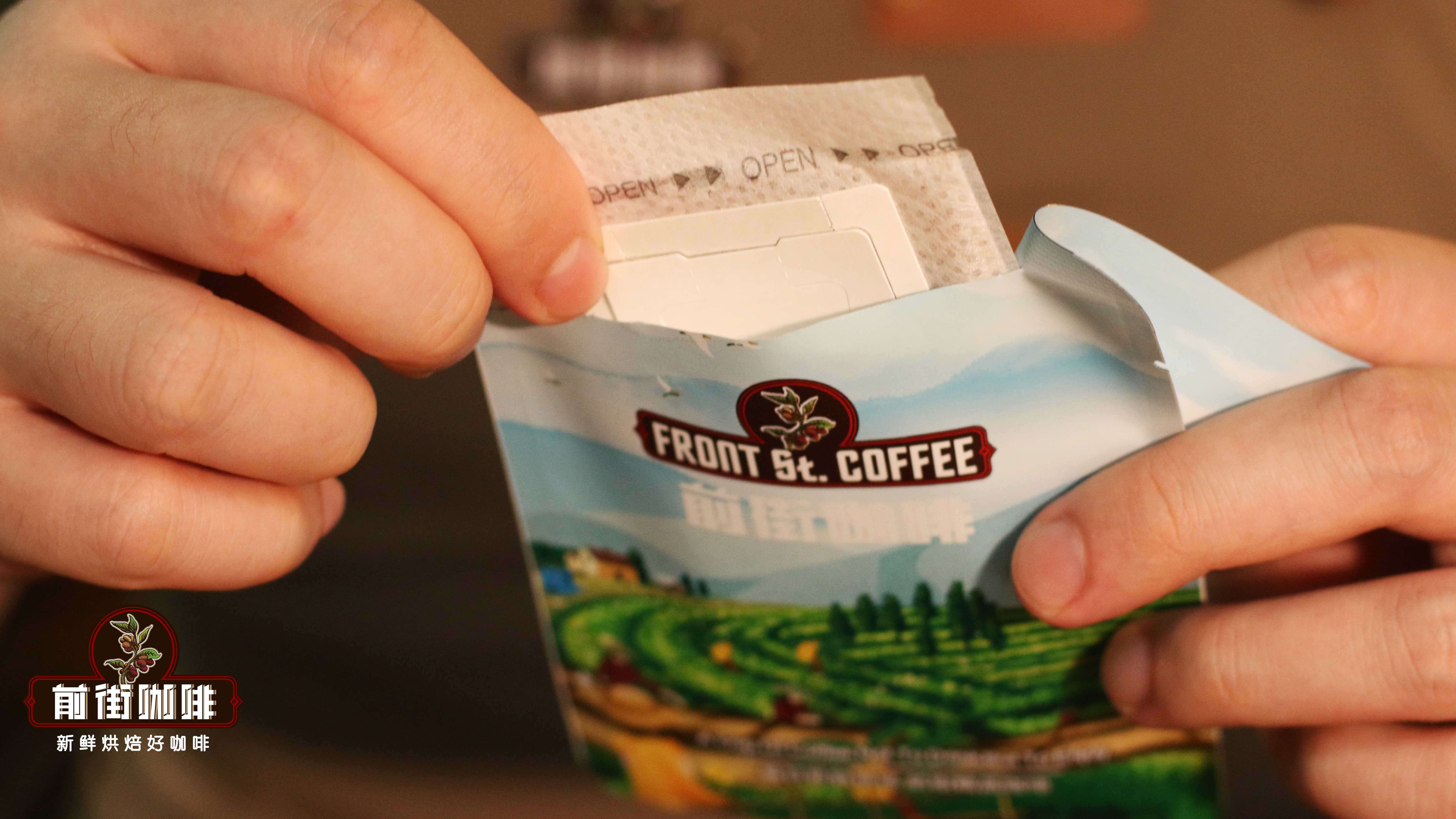 " alt="Demonstration of pouring technique" />Avoid pouring in a single concentrated spot throughout the entire process. It is recommended to use a narrow-spout kettle to maintain a stable water flow rate.
Common brewing mistakes and improvement tips
Steeping for too long (over 3 minutes) will lead to the excessive release of tannic acids. It is recommended to complete the extraction at around 2 minutes after finishing the pour. If the coffee tastes weak, check whether the grind size is too coarse or consider moderately increasing the total water volume rather than extending the time.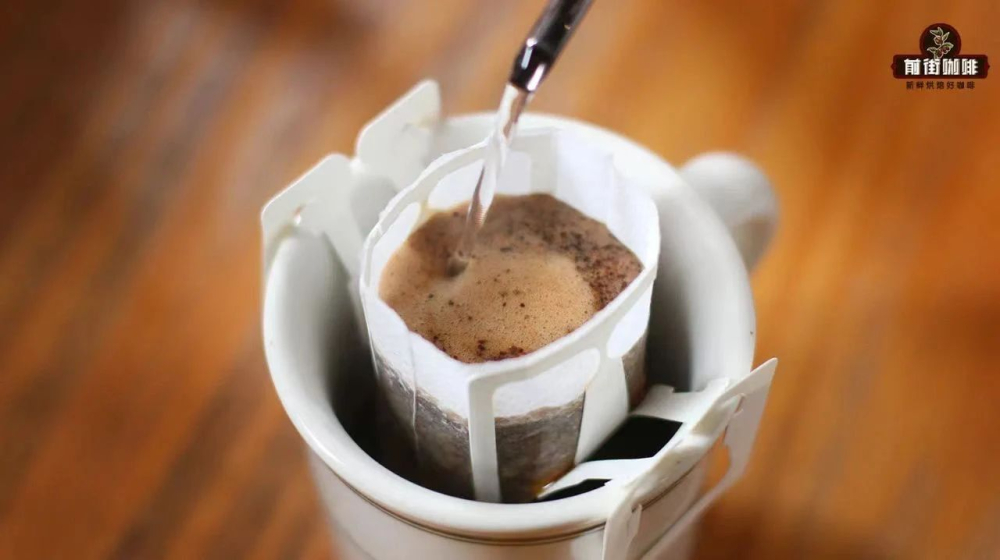 " alt="Comparison of over-extraction and under-extraction" />Additionally, make sure to use drip coffee bags made from freshly roasted coffee beans (ideally within 30 days of the best-before date), and store them away from direct sunlight and humid environments.
Actual brewing process demonstration
Preparation includes: letting boiled water sit for 30 seconds to cool down to the appropriate temperature, choosing a cup with a capacity of over 200 milliliters and a wide mouth, and tearing open the drip bag while ensuring the filter paper remains intact.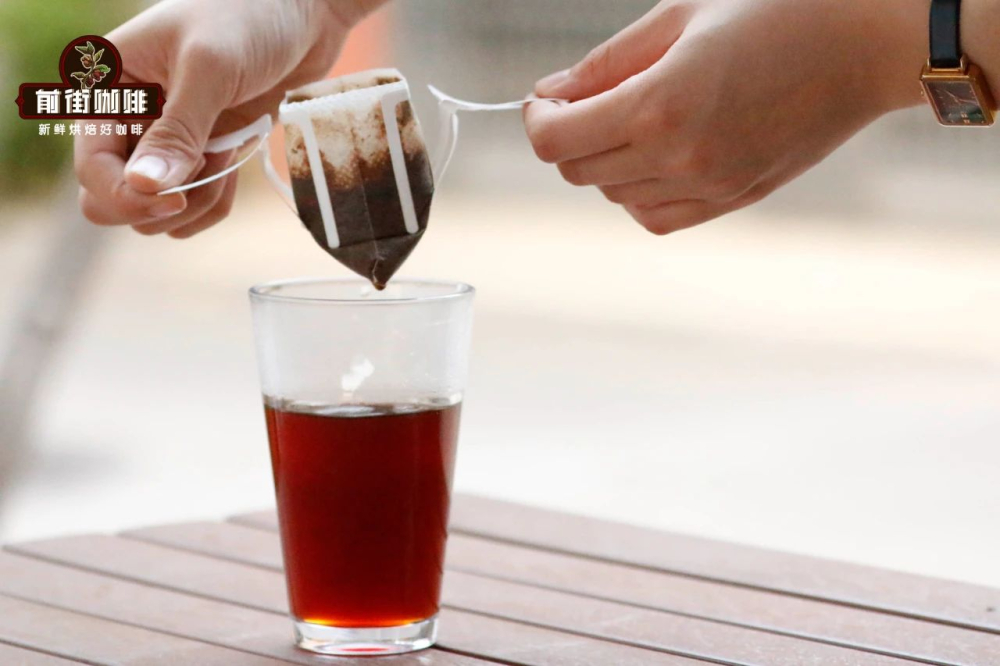 " alt="Finished product appreciation" />During actual operation, first secure the drip stand firmly on the rim of the cup, then follow the standard procedure: bloom → stepwise pouring → resting and dripping. After brewing, gently swirl the coffee liquid. It is recommended to enjoy it while it’s still warm to experience the fullest flavor expression.
The above content is compiled by CoffeeHunters, a coffee news website.


