







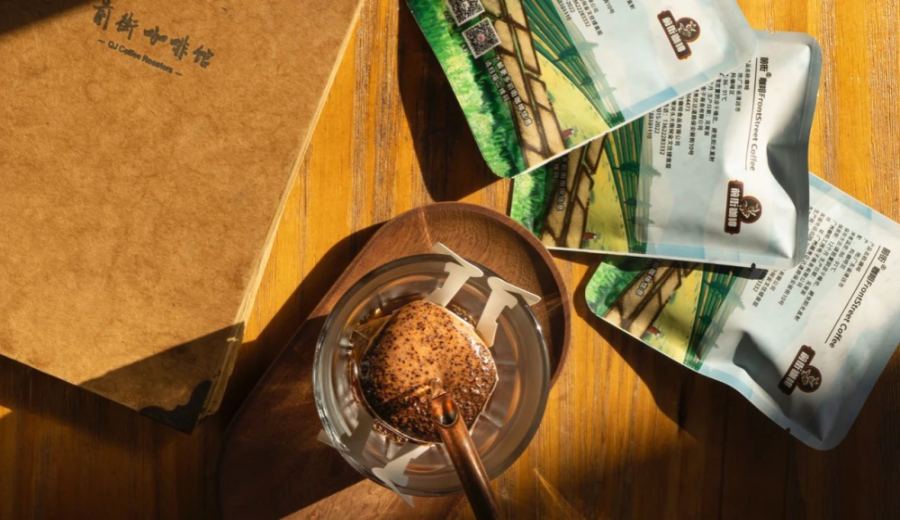
Introduction:Drip bags are a premium coffee solution for busy lives, but do you know the unique flavor profiles of drip bags from different regions? This article delves into the origins of drip coffee bags, explores the characteristics of common producing regions, and provides professional brewing parameters and steps. It teaches you how to extract the best flavors using the correct coffee-to-water ratio (1:15), as well as the important reasons why drip bags should not be reused.
With the growing popularity of specialty coffee, more and more coffee enthusiasts are seeking convenient brewing methods that preserve flavor. Drip coffee bags were created to meet this demand, allowing users to enjoy high-quality coffee without complicated equipment. This innovative packaging format originated in Japan and, after years of refinement, has become a portable choice favored by coffee lovers around the world.
The Evolution of Drip Coffee Bag Invention
As early as 1990, the Yamayan Industries Co., Ltd. in Japan first applied the concept of tea bags to coffee, creating an early prototype of the drip bag and applying for a patent. However, due to its inability to stably support the weight of coffee grounds, the design tended to lose balance during actual use and ultimately failed to achieve commercial success. It wasn’t until 1998 that Daki Shoji made critical improvements to the original design by extending the ear portions outward to enhance stability, laying the foundation for modern drip coffee bags. This innovation allows coffee enthusiasts to easily brew professional-level coffee at home or in the office.
Analysis of Global Regional Flavor Characteristics
Drip bags from different regions showcase unique terroir characteristics. Take Ethiopia’s Sidamo region as an example—this area sits at an altitude of 1400–2200 meters. The natural sun-dried processing method imparts intense fruity aromas and smooth fermented notes to the coffee, with a rich layering of flavors and an excellent balance between aroma and taste. It is especially suitable for drinkers who enjoy distinct fruitiness without overly intense stimulation.
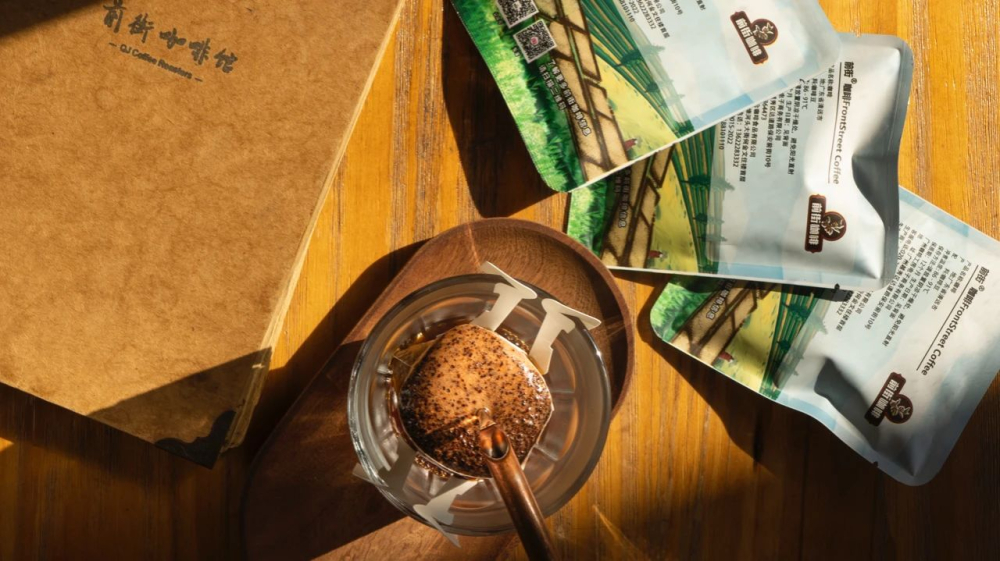
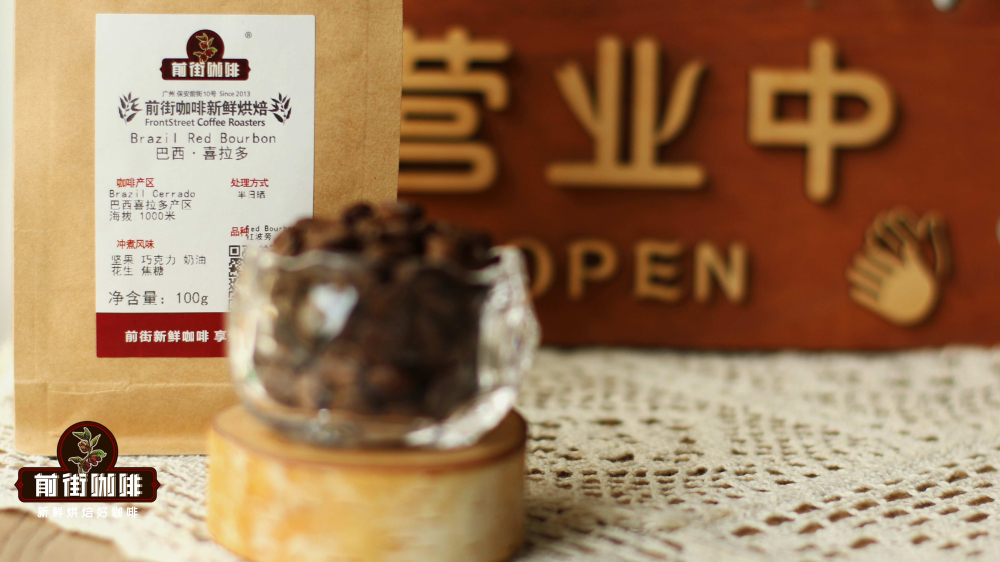
In contrast, Brazil’s Cerrado region offers a semi-washed red fruit drip bag with a completely different profile. Grown at an altitude of 1100–1300 meters, the fertile soil produces coffee beans with natural sweetness and a full body. Using Brazil’s unique semi-washed processing method, the coffee exhibits low acidity and high sweetness, along with pronounced nutty aromas, making it an ideal choice for those who prefer balanced flavors.
The Honduras Sherry drip bag highlights the charm of a special fermentation process. Sourced from Masaguara City in Intibucá Province in southwestern Honduras, this coffee undergoes washed processing and is then fermented in whiskey barrels, allowing the beans to fully absorb the aromatic qualities of whiskey oak. The final product delivers vanilla and creamy sherry-like notes reminiscent of whiskey, transitioning into a long-lasting finish of nuts and chocolate—a truly distinctive flavor experience.
Professional Brewing Parameters and Steps
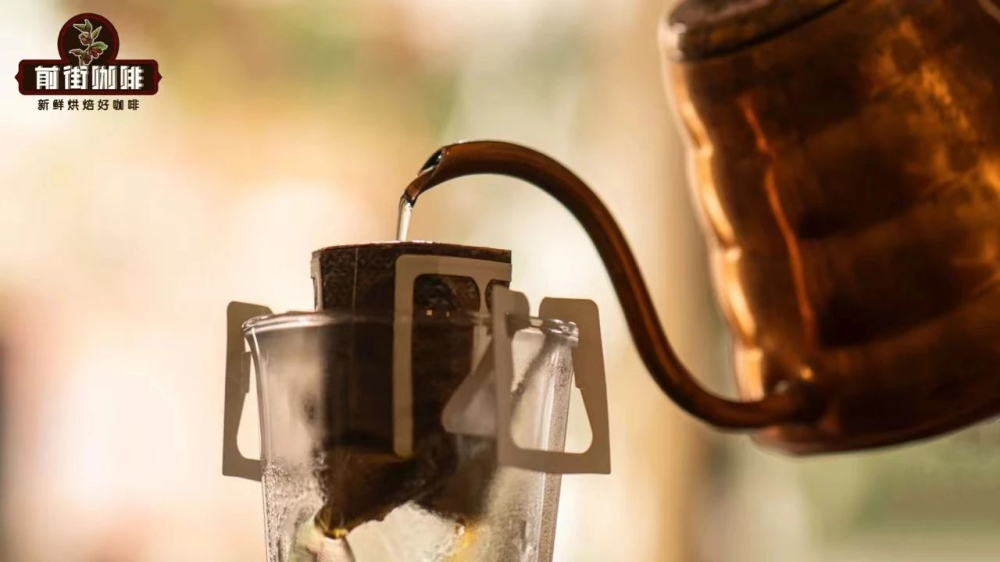
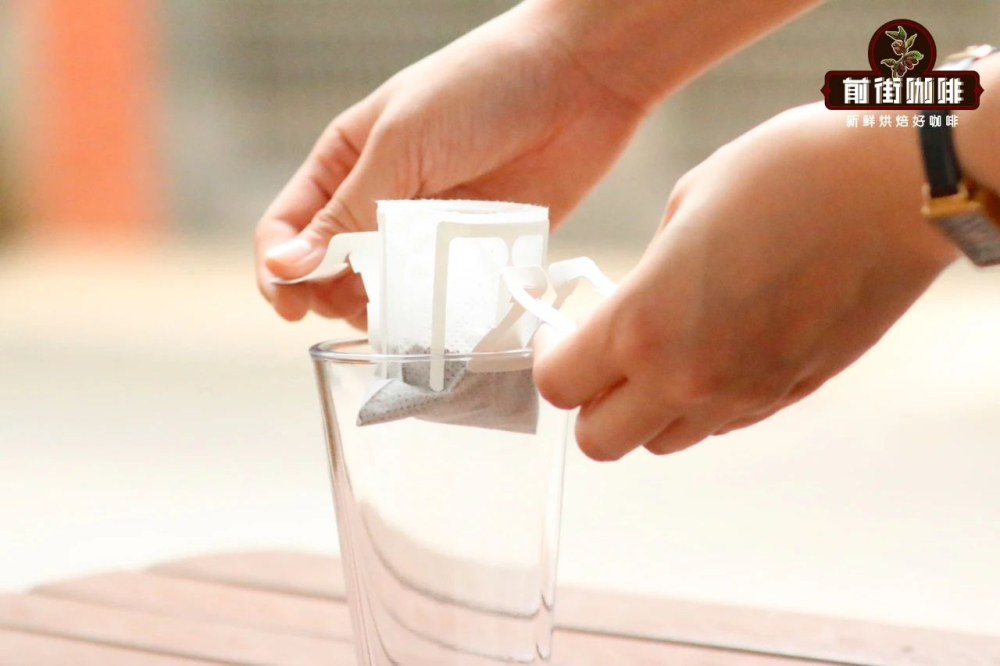
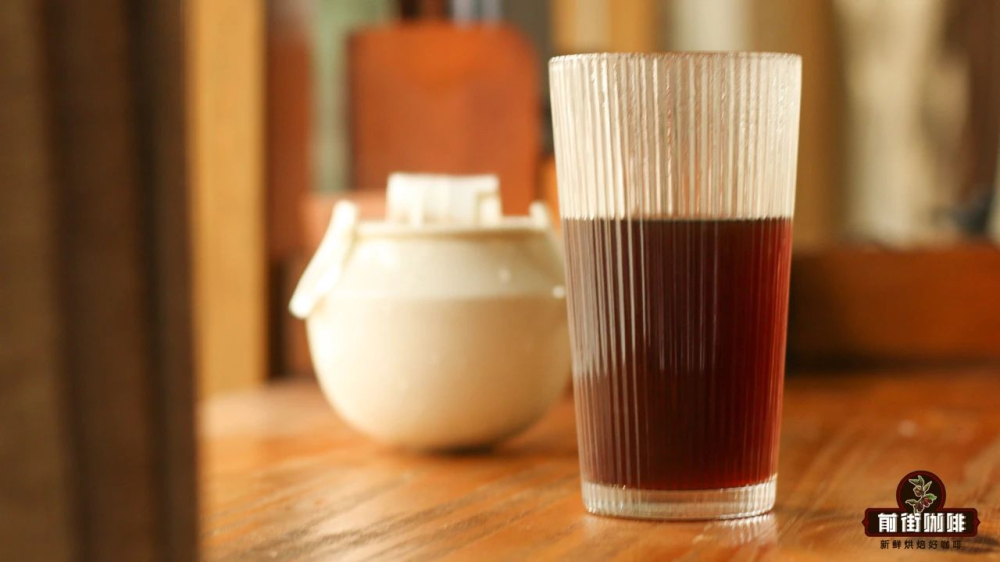
The golden ratio for brewing drip coffee is a coffee-to-water ratio of 1:15 (10 grams of coffee grounds to 150 milliliters of water). It is recommended to use water heated to 90–92°C for optimal extraction. The complete brewing process includes the following key steps: First, preheat your cup to maintain a stable coffee temperature; gently shake the drip bag to evenly distribute the coffee grounds, then hang it on the rim of the cup; use the pre-wetting technique to moisten the coffee grounds and bloom them for 20 seconds (this can be extended to 40 seconds for a richer taste); finally, pour water in a thin, steady stream in multiple intervals until the filter is about 80% full, with a total yield controlled between 150–180 milliliters.
Important Notes
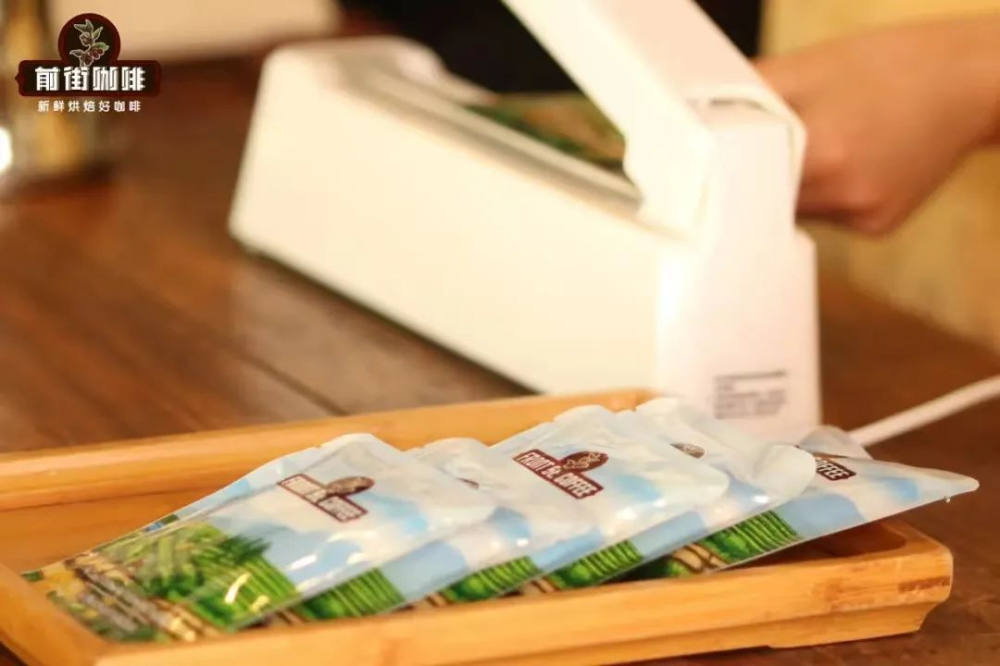
It must be emphasized that drip coffee bags are designed for single use only. Re-brewing not only fails to extract the desired flavors but may also release undesirable substances that could affect health. Each drip bag (typically 10 grams) is intended for just one brew and should be discarded after use. Proper use of drip bags allows you to enjoy coffee quality close to that of professional pour over brewing in a cost-effective way.
By understanding the flavor characteristics of different regions and mastering professional brewing parameters, you can fully unlock the potential of drip coffee bags and enjoy a high-quality coffee experience at any time. From the bold fruitiness of Ethiopia to the rich sweetness of Brazil, each drip bag represents a unique story of coffee terroir.
The above content is compiled by CoffeeHunters, a coffee news website.


