







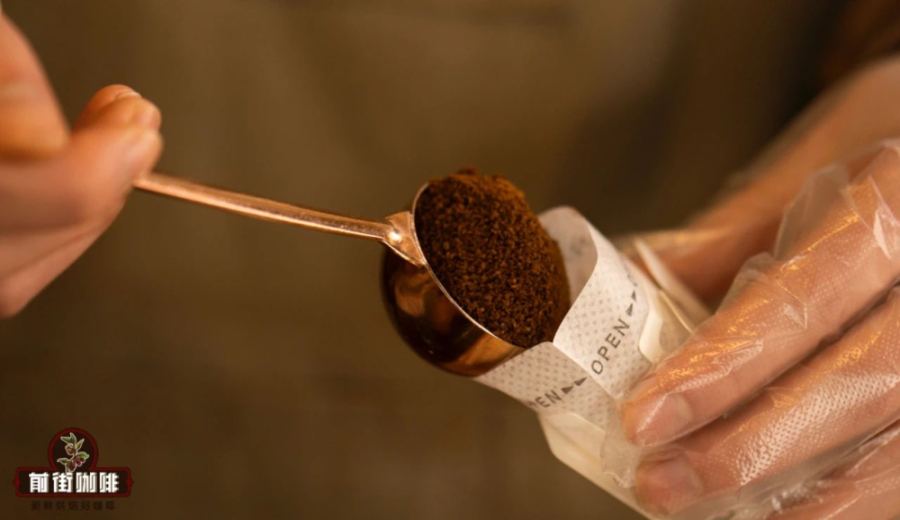
Introduction:Drip bags are a convenient pour over option that has gained popularity in recent years. Their sugar-free and milk-free black coffee nature makes them especially favored by office workers and coffee enthusiasts. This article delves into the potential benefits and precautions of using drip bags, offers professional-grade brewing parameter suggestions, and teaches you how to select beans that suit your personal taste preferences—helping you enjoy a healthy and delicious coffee experience.
 " alt="Drip bag illustration">
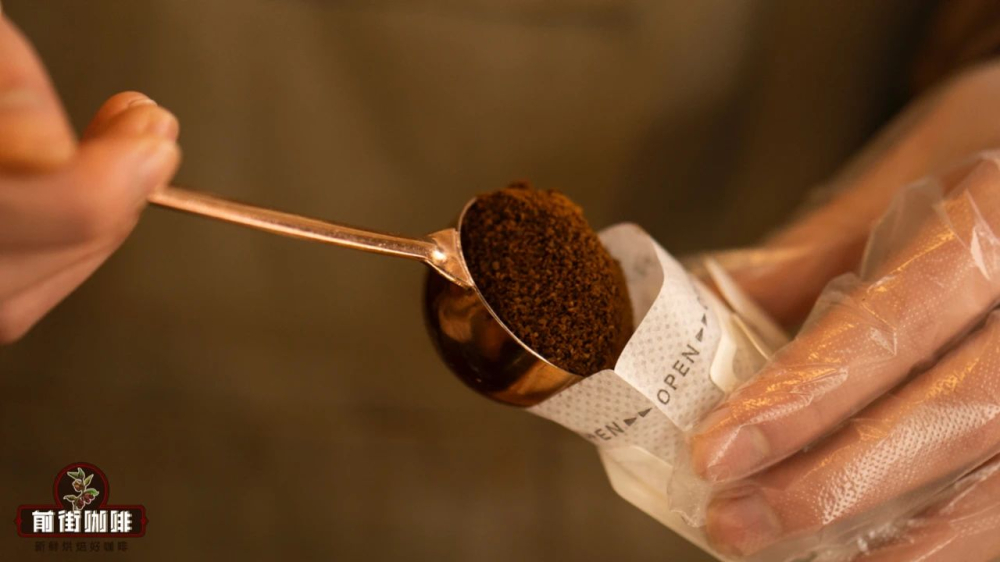
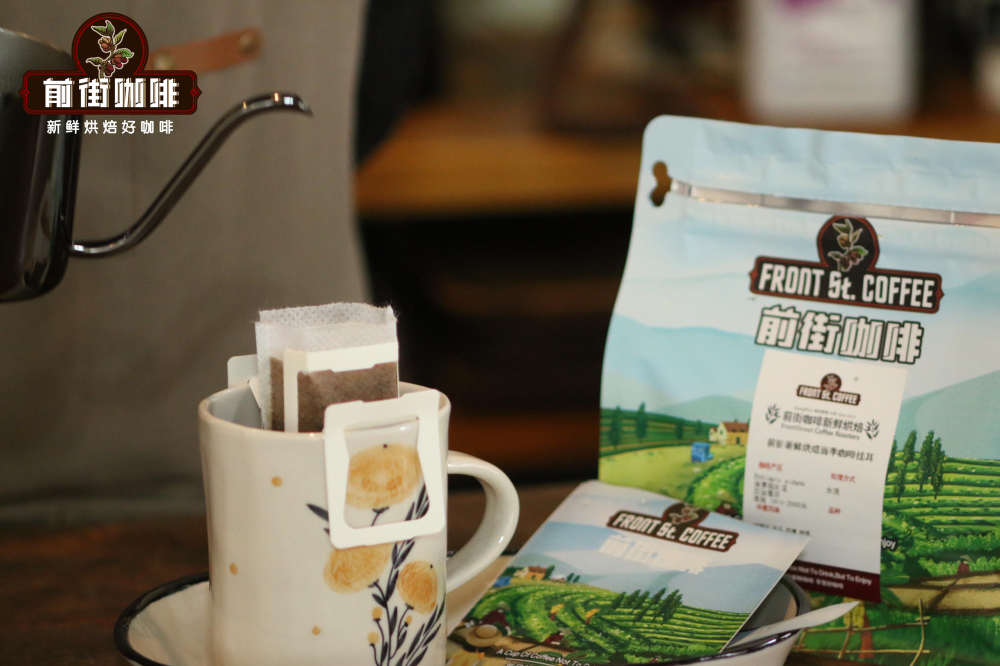
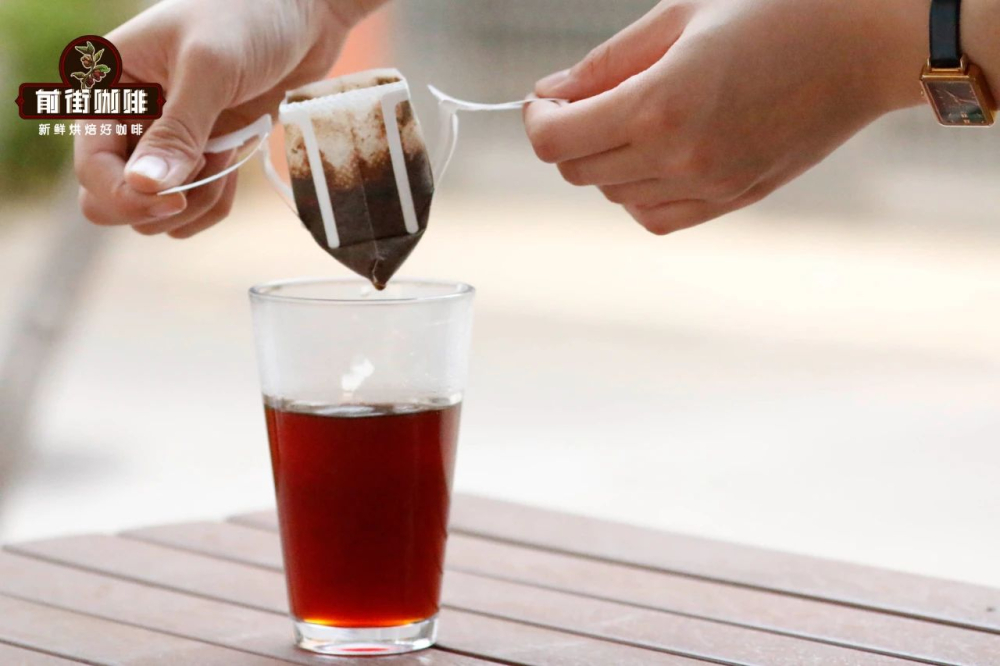
Drip bags are a type of filter-drip coffee, where finely ground roasted beans are packed in individual sachets equipped with filter paper and built-in ears. This design allows users to easily brew professional-quality black coffee at home or in the office. Typically, no additional sugar or milk is added after brewing, preserving the original flavor characteristics of the coffee.
 " alt="Coffee health benefits illustration">
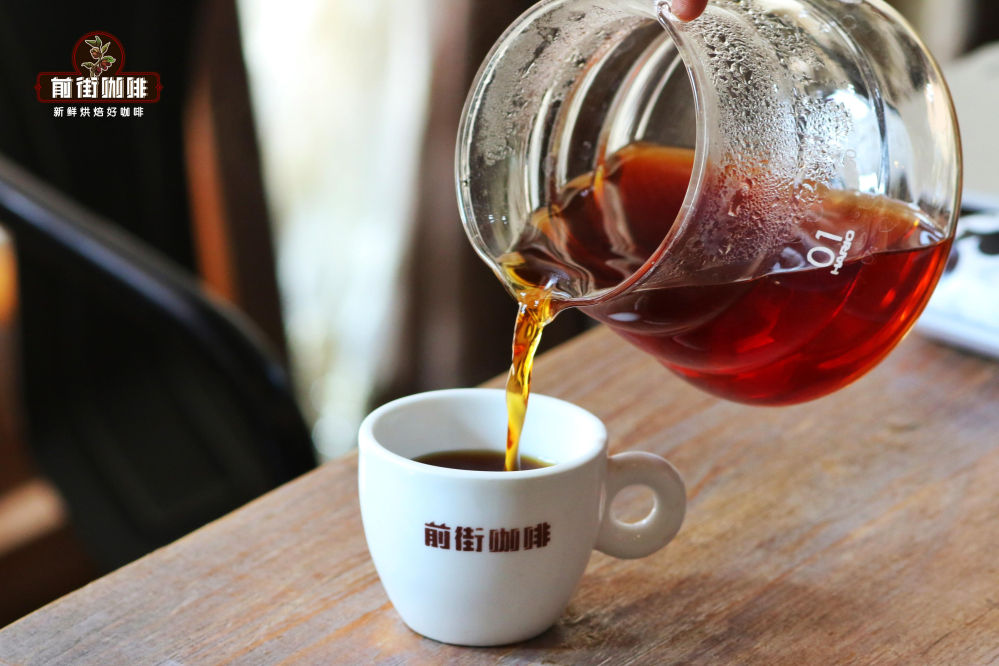
According to coffee research literature, moderate consumption of black coffee can promote metabolic activity, enhance microvascular elasticity, and have a positive impact on cardiovascular health. However, it’s important to pay attention to intake levels—consuming more than 400 milligrams of caffeine per day (approximately 3–4 standard drip bags) may lead to side effects such as palpitations and irritability. It is recommended to use a 10-gram drip bag to brew with 150–180 milliliters of hot water, and to limit total daily consumption to no more than two bags.
 " alt="Pour over principle comparison diagram">
Drip bags use the same brewing principle as professional pour over methods, extracting coffee grounds with hot water at around 90°C at an appropriate flow rate. The key to successful brewing lies in the freshness of the coffee puck—it is recommended to choose products that are released within one week of roasting, when aromatic compounds are best preserved. High-quality drip bags should be packaged with inert gas flushing, and the grind size should be between medium-fine and medium-coarse (similar in texture to white sugar).
 " alt="Freshness indication illustration">
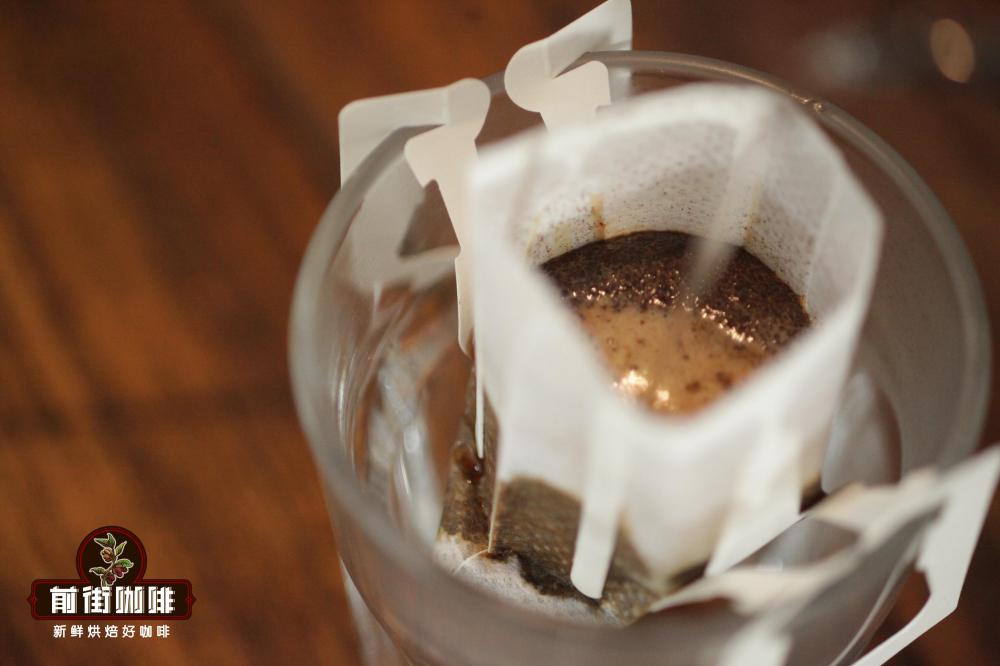
Simple ways to assess the freshness of a drip bag include checking whether the packaging seal is intact, smelling for a noticeable roast aroma upon opening, and observing the continuous release of coffee oils during brewing. Ideally, high-quality drip coffee should be brewed within 30 minutes of opening the package to achieve the best flavor performance.
 " alt="Bean variety flavor comparison table">
For different taste preferences, light to medium roast drip bags (such as those from Ethiopia’s Yirgacheffe region) often exhibit bright citrus acidity and floral notes, making them suitable for those who prefer a refreshing taste; medium to dark roasts (such as Brazilian Santos beans) present richer flavors of chocolate and nuts, with a better balance of bitterness and sweetness. Beginners are advised to try single-serve sample packs to compare flavor differences across various regions.
 " alt="Incorrect brewing method warning graphic">
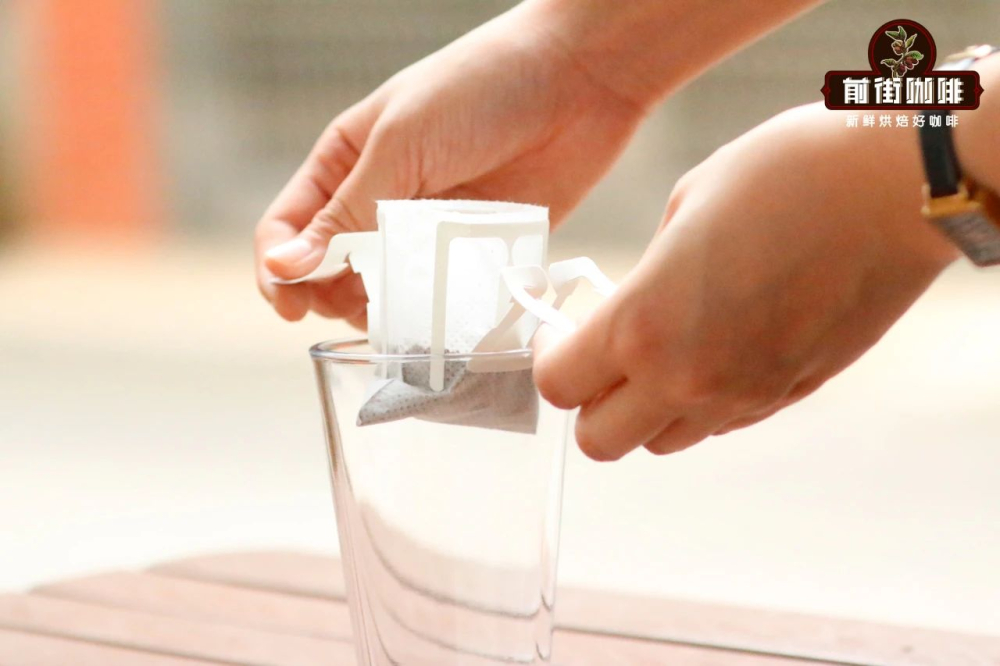
Common brewing misconceptions include soaking the drip bag directly, reusing the filter pouch, or using excessively high water temperatures (above 93°C can lead to over-extraction). The correct approach is to first securely hang the “ears” of the drip bag on the rim of the cup, ensuring that the bottom of the filter paper is at least 3 centimeters away from the base of the cup to avoid direct contact between coffee grounds and the cup bottom, which can affect flow rate.
 " alt="Temperature parameter comparison table">
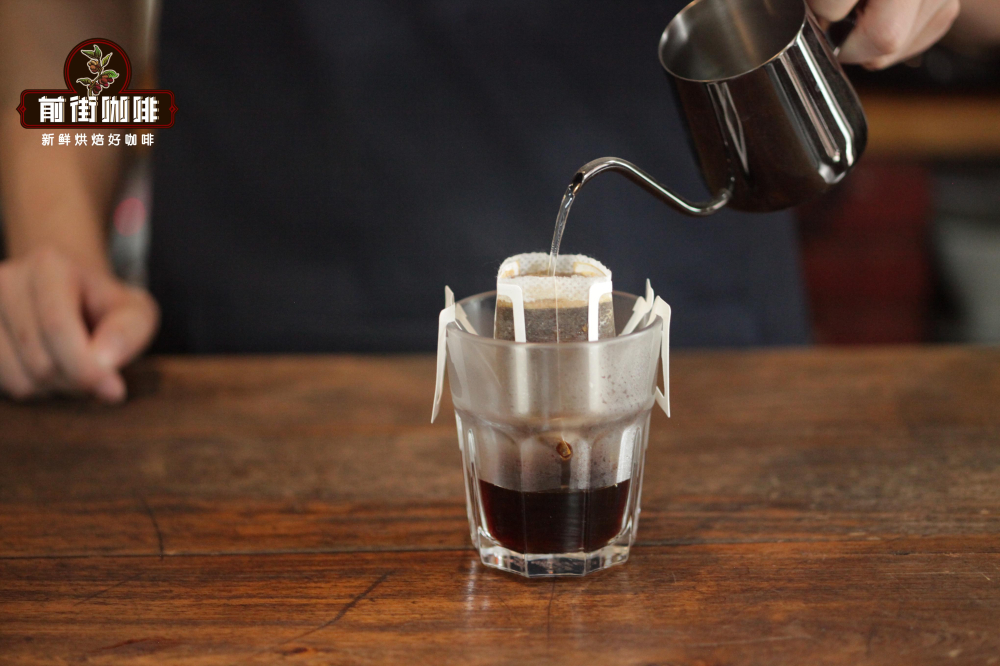
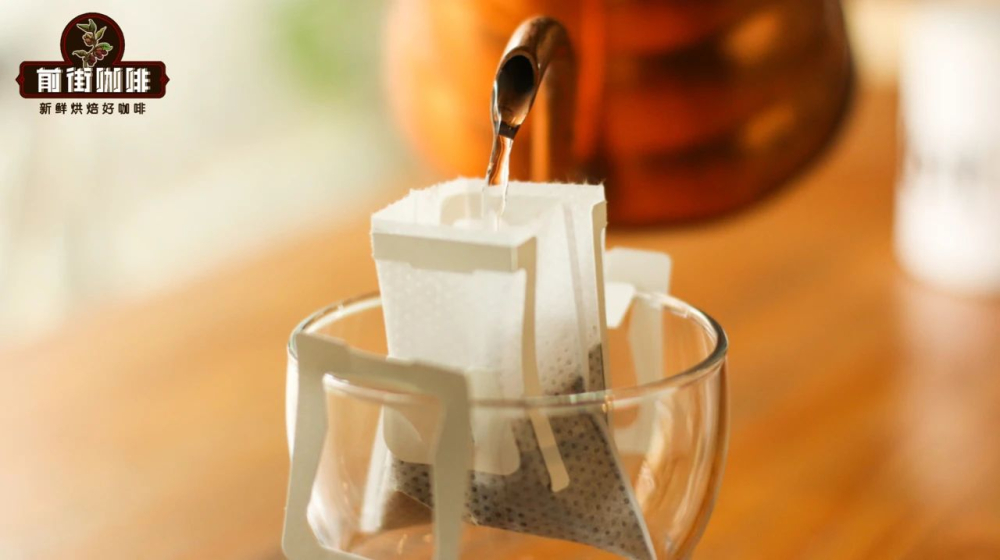
Professional-grade brewing parameter suggestions: for light to medium roast beans, use water at 90–91°C with a 1:15 coffee-to-water ratio (10 grams of coffee grounds to 150 milliliters of water); for medium to dark roasts and dark roasts, reduce the temperature to 88–89°C to suppress excessive bitterness. Brewing is done in three stages: the first pour of 20 milliliters of hot water for a 30-second bloom to activate the coffee grounds, followed by subsequent pours using a spiral water flow from the inside out at a steady pace, with total extraction time ideally controlled between 2 minutes 10 seconds and 2 minutes 30 seconds.
 " alt="Finished product illustration">
After extraction is complete, it is recommended to gently shake the cup to homogenize the coffee liquid. You may add plant-based milk or a small amount of sea salt according to personal preference to adjust the flavor. It is important to note that drip bags should not be reused after brewing, and daily caffeine intake should not exceed the WHO-recommended upper limit of 400 milligrams. Properly storing unused drip bags (away from light, in a cool place, and sealed) can maintain flavor stability for approximately two weeks.
The above content is compiled by CoffeeHunters, a coffee news website.


