







Introduction:Want to understand why cold drip coffee is also called Dutch coffee? This in-depth guide explores the history, brewing process, and best bean choices for cold drip coffee—from equipment structure, drip rate, coffee-to-water ratio, to recommended beans for different flavor profiles—to help you master the brewing techniques and key elements of great-tasting cold drip.
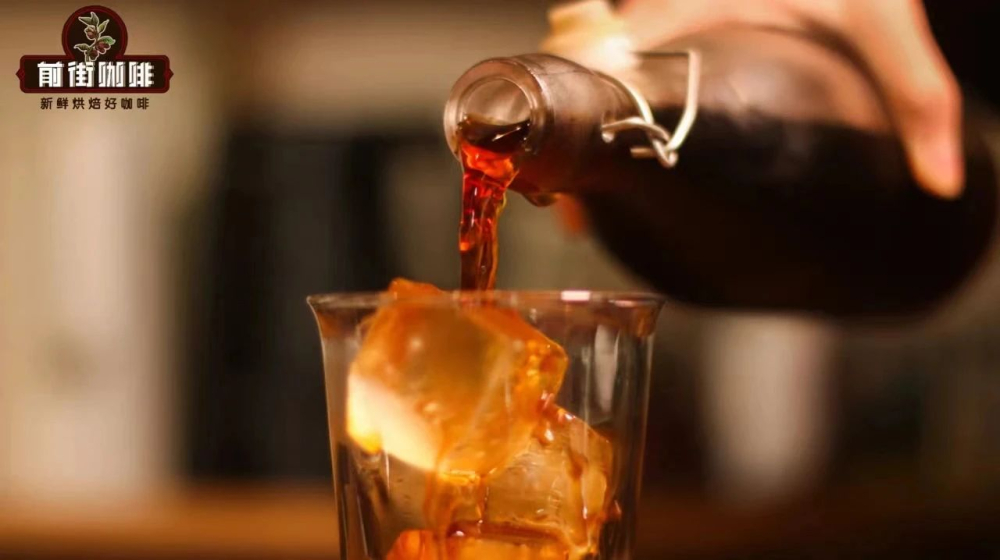
The Charm of Cold Drip CoffeeLies in the unique flavors revealed through its long-duration, low-temperature extraction, which usually takes 6 to 8 hours. This is also why cold drip coffee from many cafés is limited in supply and highly sought after. As ice water slowly drips through the coffee grounds, the cool environment helps reduce the release of bitter substances while fully extracting aroma and sweetness, resulting in a rich yet refreshing taste that’s especially enjoyable in the summer.
When it comes to cold drip coffee, common names include Cold Drip Coffee, Cold Brew Coffee, and Dutch Coffee. Although all three methods fall under the category of low-temperature extraction, their processes differ slightly. The term “Dutch Coffee” originates from the early 18th century, when Dutch traders on long sea voyages, unable to access hot water, innovatively used cold water to steep ground coffee. They unexpectedly discovered that this method produced a sweet and non-bitter coffee liquid. This technique was later introduced to Japan, refined, and popularized, evolving into the familiar cold drip form we know today.
Many people mistakenly believe that cold drip coffee was invented by the Japanese, but its prototype was actually developed by the Dutch and later optimized by Japanese artisans before being passed down to the present. Hence, cold drip coffee is also referred to as Dutch Coffee. A variation derived from this method is cold brew coffee, where coffee grounds are mixed with ice water and left to steep for 12–24 hours, yielding a brew with subtle notes of alcohol and sweet acidity—also categorized within the Dutch coffee family of low-temperature extractions.
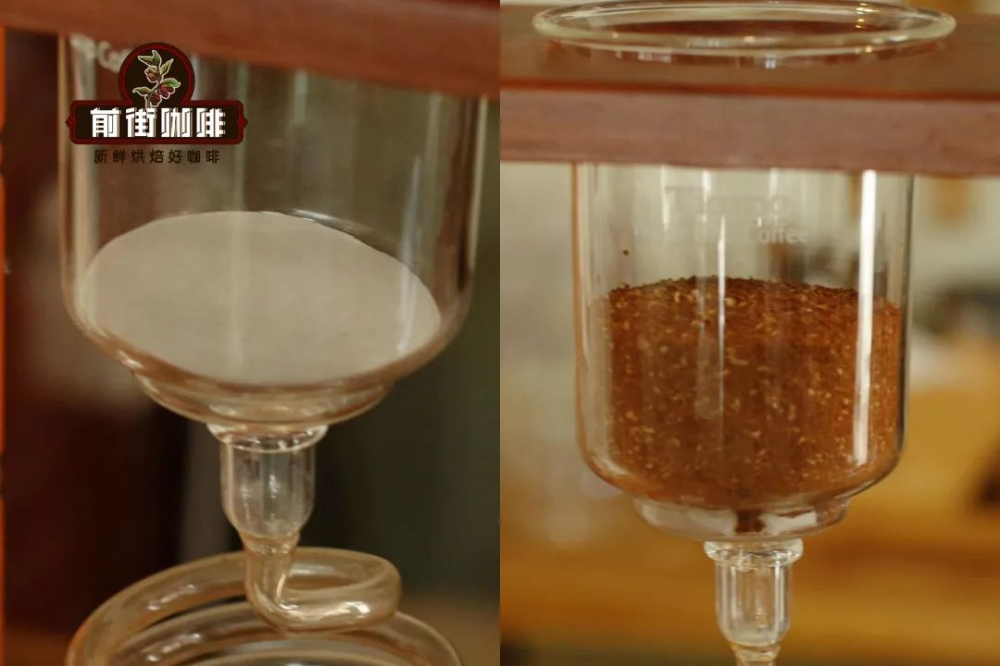
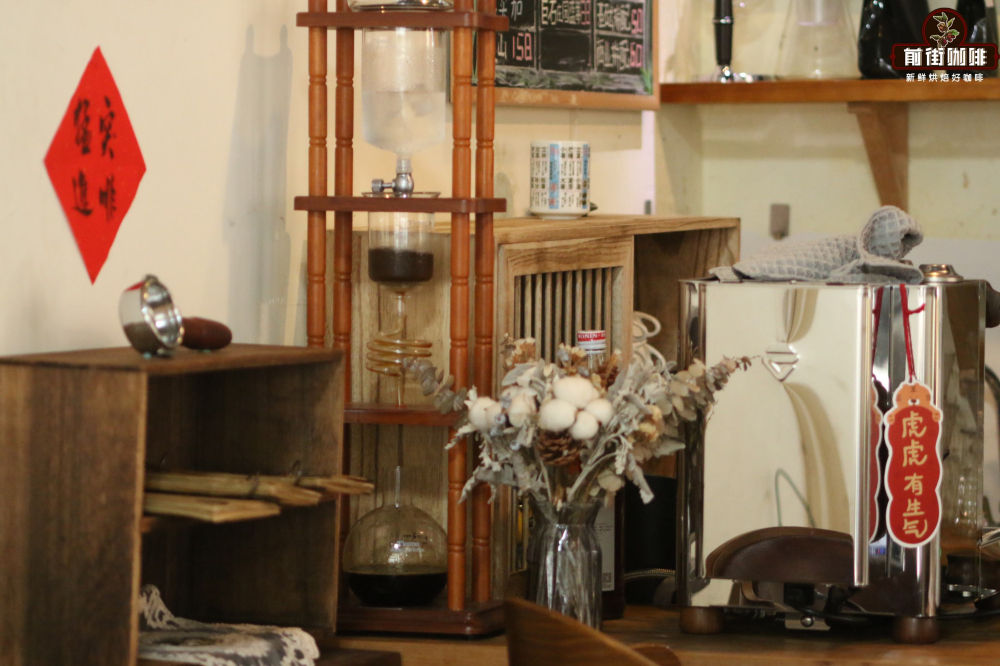
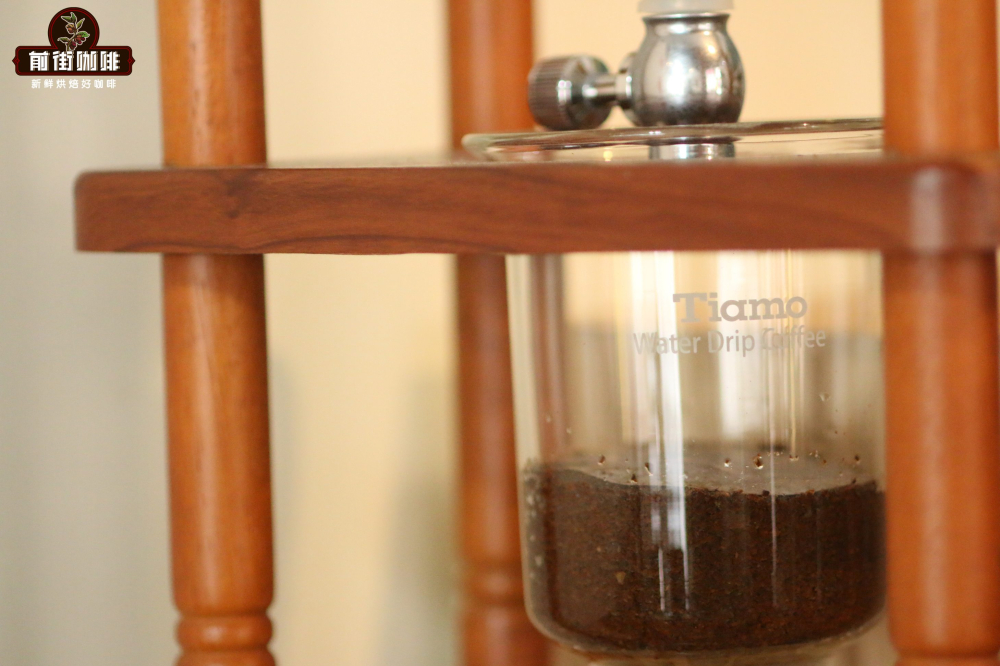
Although the structure of cold drip coffee makers varies, they can generally be divided into four main components:Upper Chamber,Valve,Coffee Grounds Chamber, andLower Chamber. The upper chamber holds the ice water mixture, and the flow rate is regulated by an adjustable valve in the middle, ensuring the coffee grounds are evenly saturated. The coffee grounds chamber is typically made of glass with a central filter hole, where the ground coffee is placed, while the lower chamber collects the final brewed coffee. This design allows for a stable extraction, producing a cold drip coffee that is rich in flavor and layered in complexity.
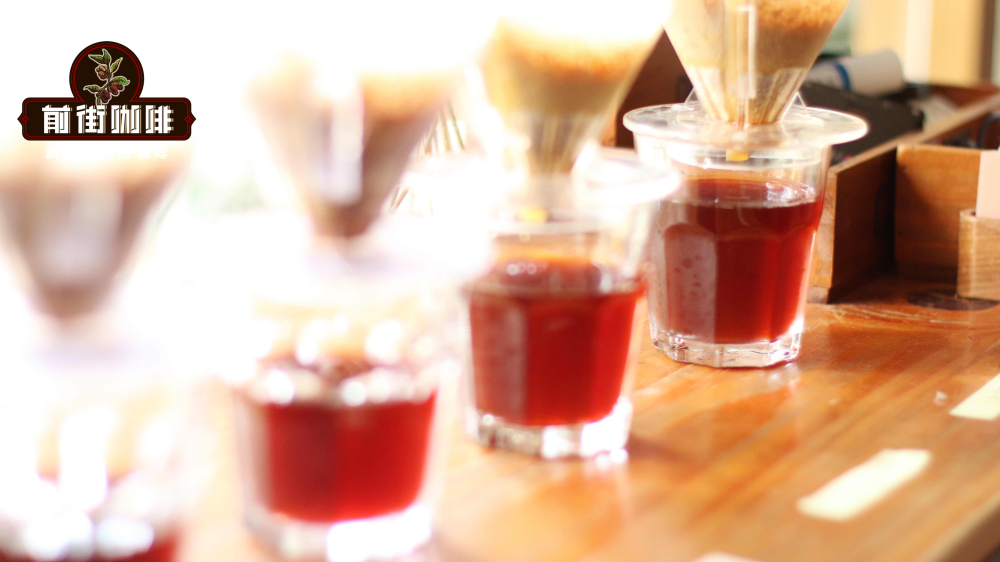
In practice, it’s recommended to use a coffee-to-water ratio of about 1:10—for example, 60 grams of coffee grounds to produce 600 grams of coffee. The ice-to-water ratio should stay at around 1:1, with the drip rate controlled at approximately 7 drops per 10 seconds. The overall extraction time usually falls between 6 and 8 hours. The grind size of the coffee can be similar to a medium-fine pour over grind, with a suggested 85% passing rate through a Chinese standard No. 20 sieve or a setting of 9 on the Ek-43s grinder. A moderately fine grind helps improve extraction efficiency in a low-temperature environment.
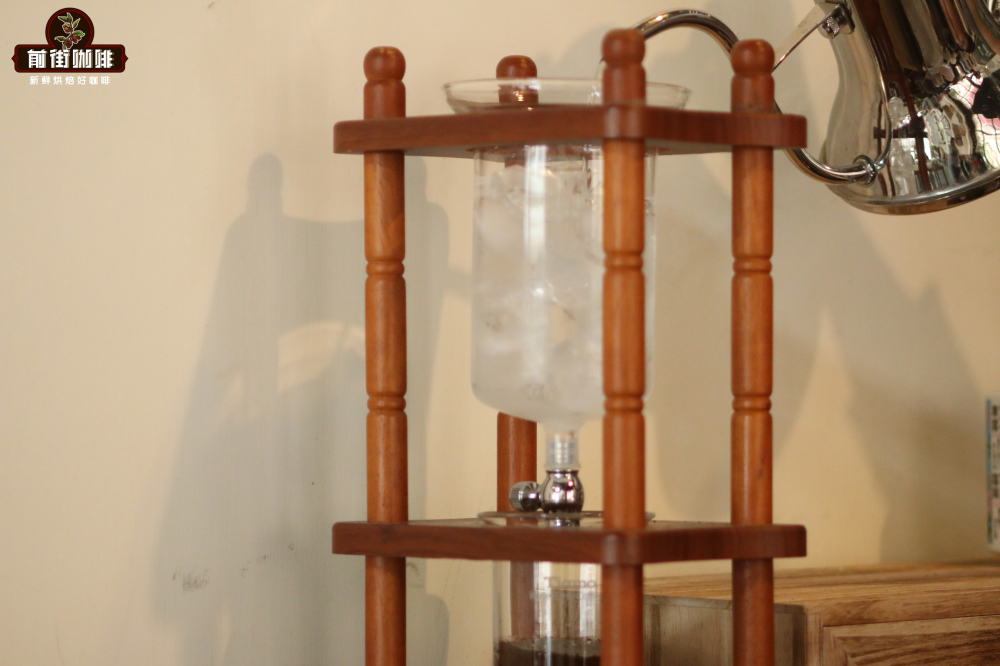
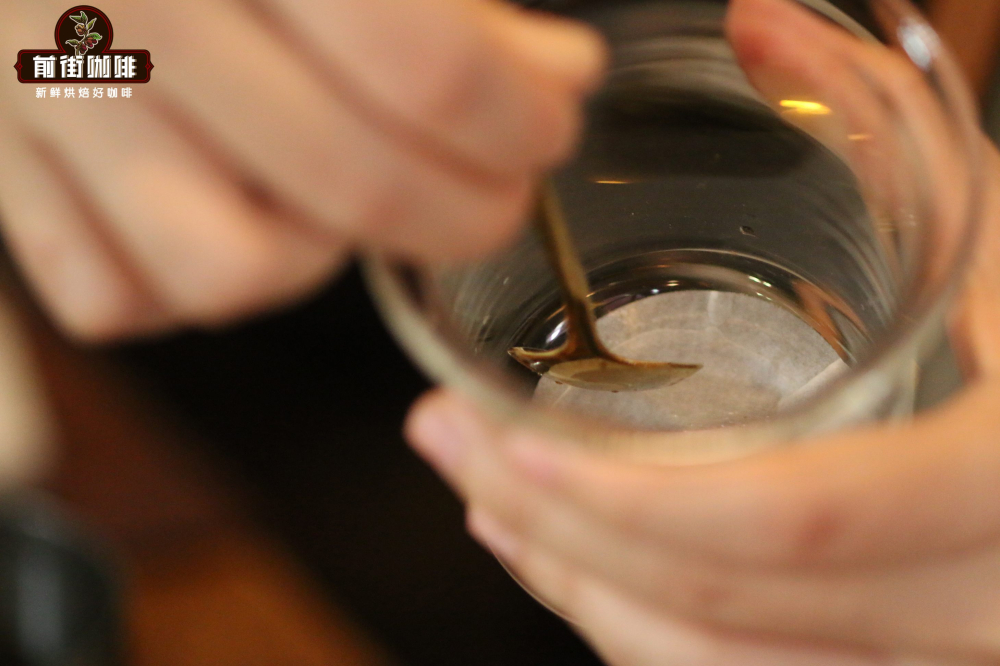
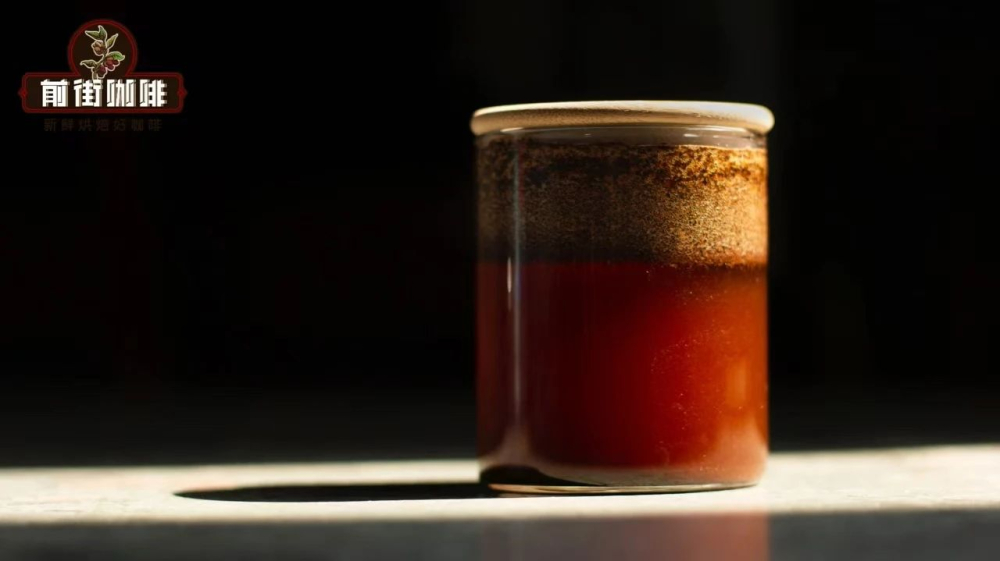
Before starting the extraction, it’s advised to lightly moisten the coffee grounds layer with cold water to aid even expansion and pre-wetting. Then place a filter paper on top to prevent the coffee bed from being disturbed by the dripping water. After placing the coffee grounds chamber on its stand, pour the prepared ice water mixture (recommended to be half ice and half cold water) into the upper chamber, and adjust the valve to control the drip speed, making sure the drops land right in the center of the coffee bed. This ensures a more stable and balanced extraction. After brewing, it’s suggested to transfer the coffee liquid into a sealed container and refrigerate it for at least 12 hours; this enhances the roundness and depth of the flavors.
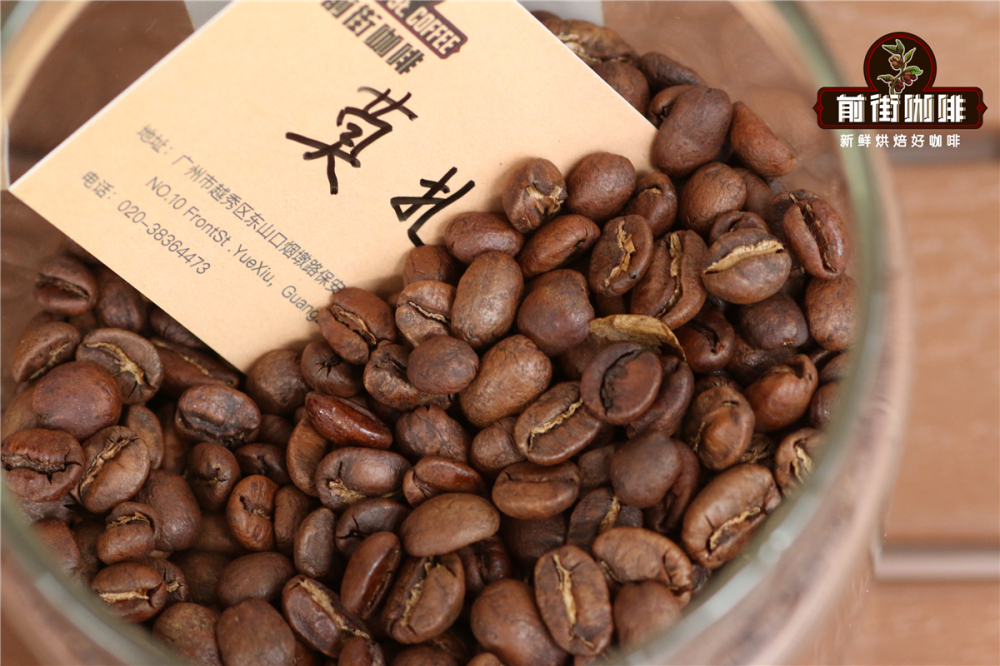
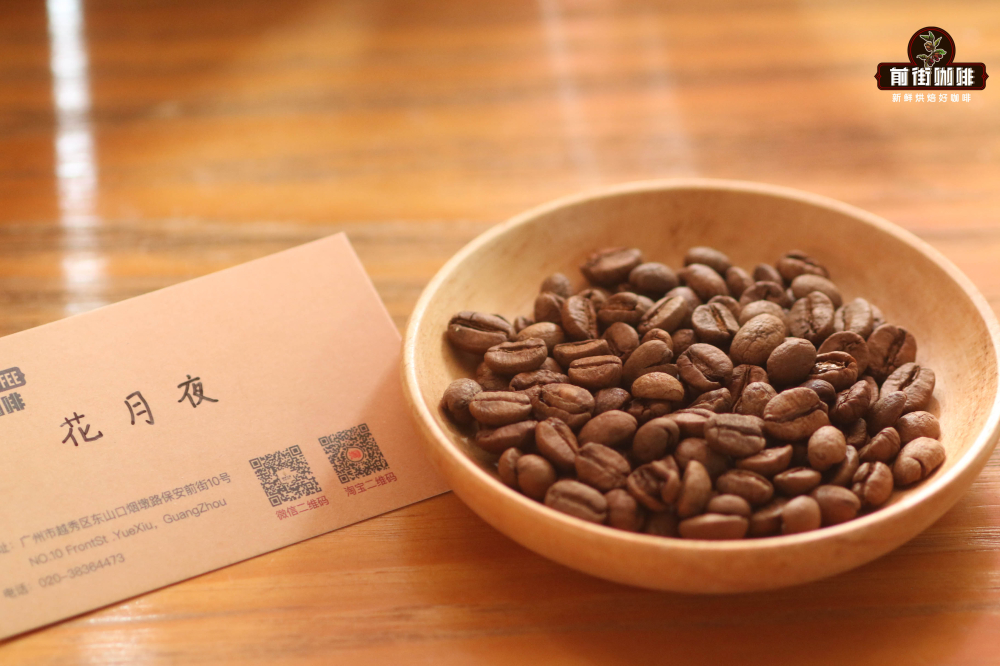
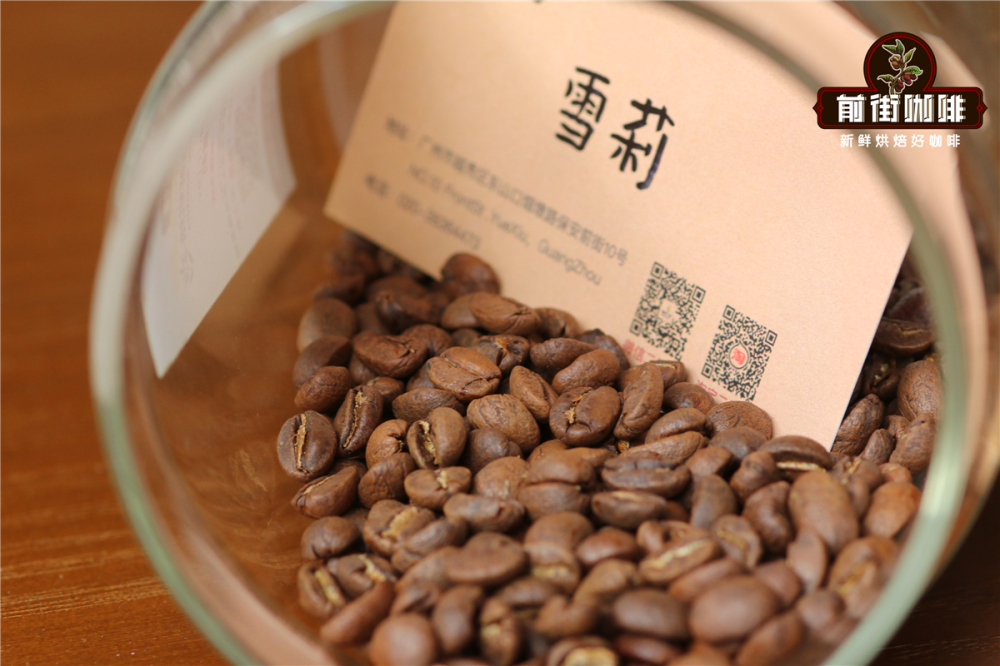
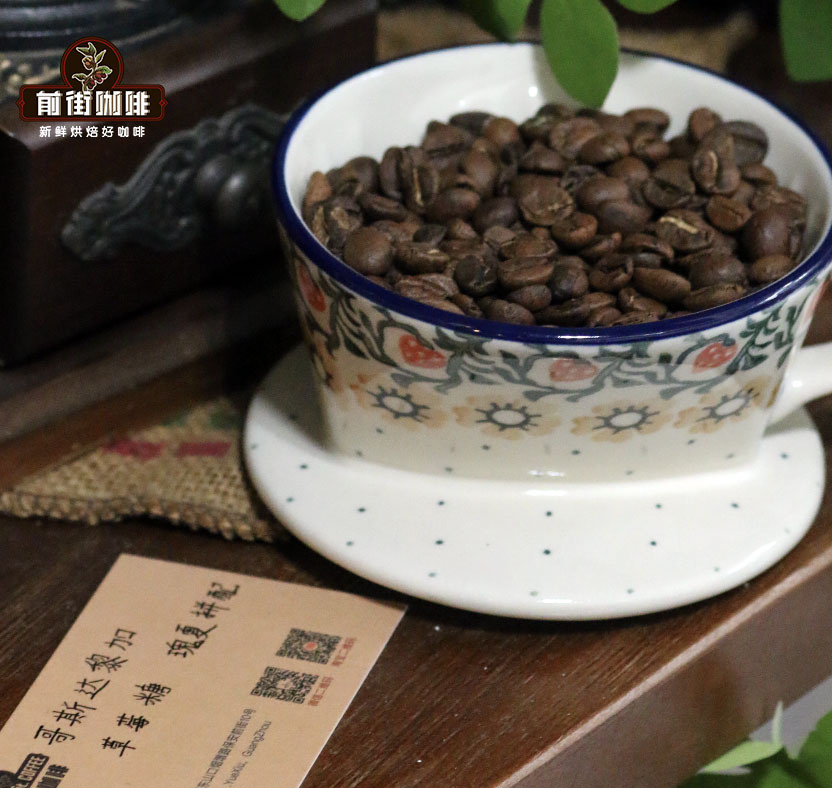
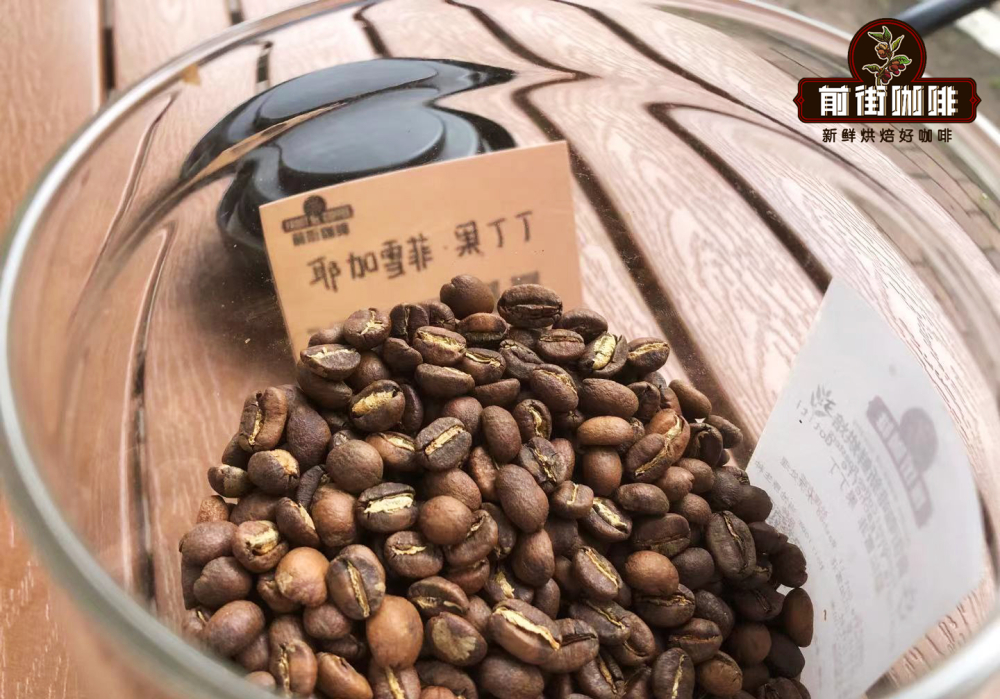
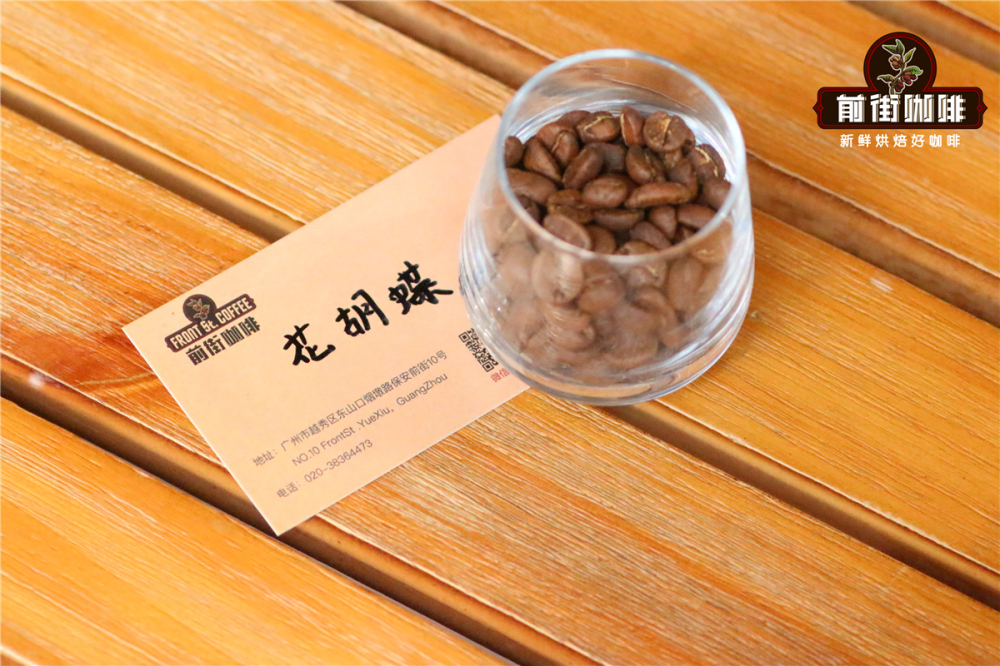
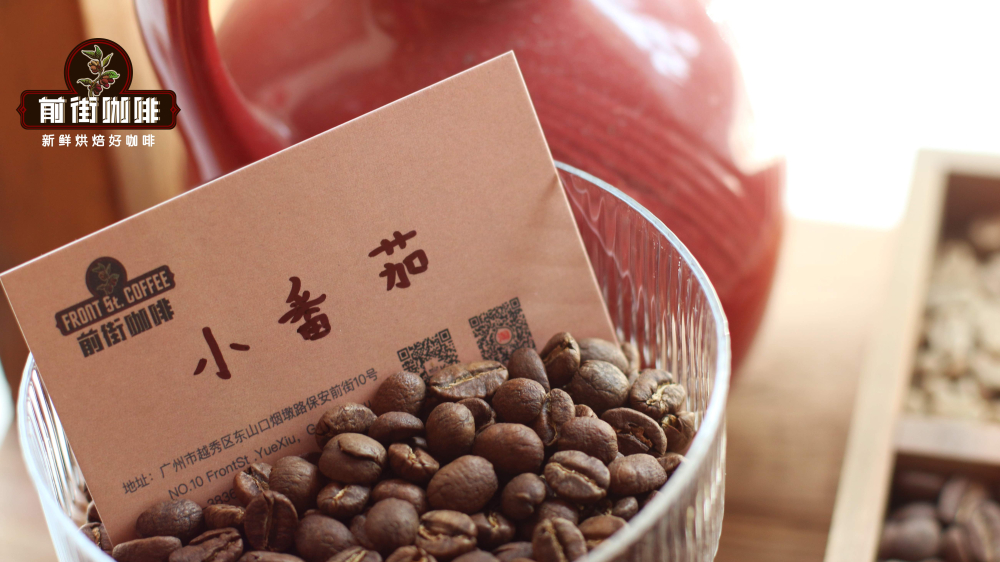
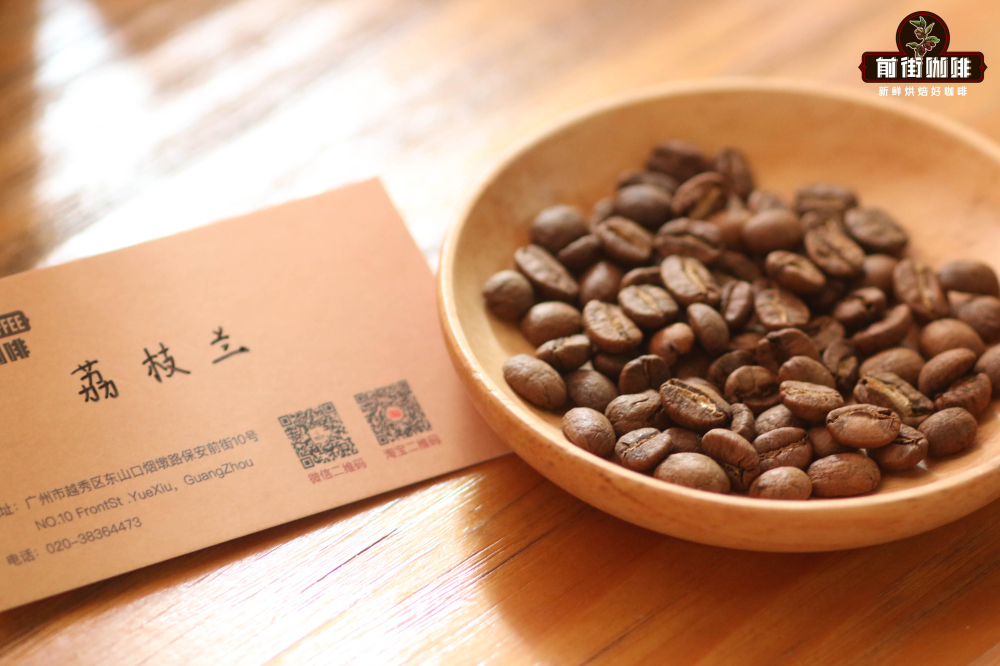
When selecting coffee beans, cold drip coffee—due to its characteristic of long, low-temperature extraction—is particularly well-suited for beans with distinct flavor profiles or complex layers. For instance, beans with tropical fruit and fermented wine-like notes, such as Costa Rica’s Mozart coffee (raisin anaerobic honey process), can have their fruity and full-bodied characteristics enhanced during the cold drip process. Meanwhile, washed-process beans with bright acidity, such as Kenya AA from Assaria or Panama Geisha (commonly known as "花蝴蝶" or Flower Butterfly), can showcase refreshing qualities reminiscent of lemon and cherry tomatoes, making them perfect for summer enjoyment.
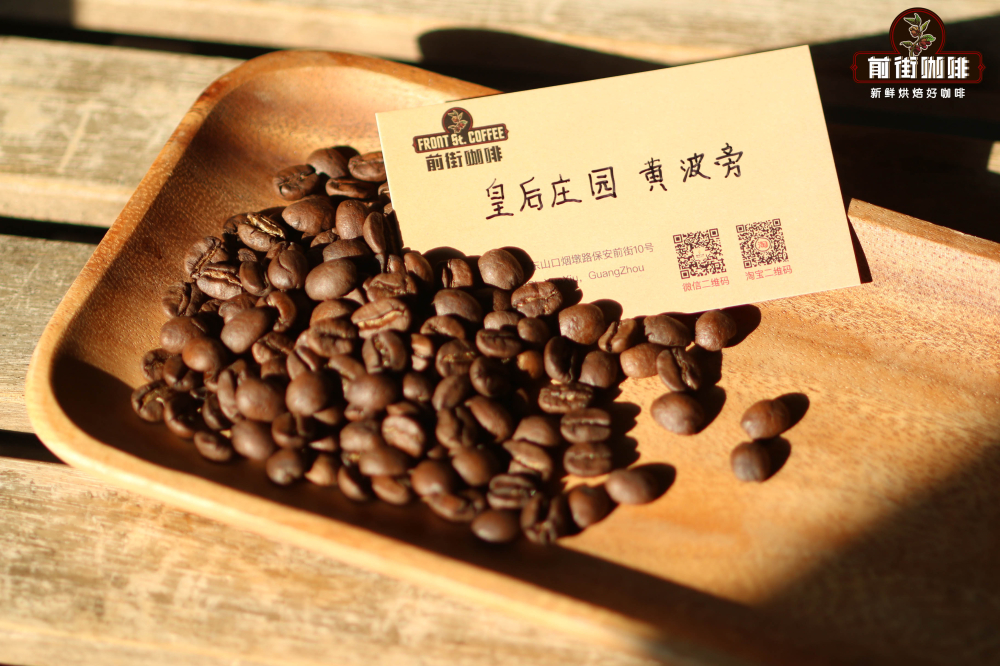
Additionally, dark-roasted beans such as Indonesia’s Golden Mandheling or Brazil’s Queen Estate, though often mistakenly thought unsuitable for cold drip, can actually reveal rich chocolate and nutty tones along with unique fermented aromas under low-temperature extraction. These offer a smooth mouthfeel without bitterness. If you prefer blends, you can also experiment with mixing beans from different regions or processing methods in proportion—for example, pairing Honduras Lishan with the Musician Series’ Beethoven can deliver an enticing combination of wine-like aromas, honey sweetness, and fruity acidity.
The above content is compiled by CoffeeHunters, a coffee news website.


