







Introduction:Want to master the essence of espresso? This article dives deep into the six key parameters of espresso—dose, ratio, time, flow rate, pressure, and water temperature—to help you extract that perfectly balanced golden shot. It also features four distinct blends, ranging from the rich darkness of Black Cocoa to the fruity, wine-like notes of Warm Sunshine. We’ll break down their recipes and best-use scenarios, plus offer practical bean-buying and storage tips to ensure great extractions whether you're at home or in a café.
Espresso is the foundation of modern coffee beverages. Whether it’s a latte, cappuccino, or Americano, they all start with this intense shot. But what makes a good espresso? How should the six core parameters—dose, coffee-to-water ratio, extraction time, flow rate, pressure, and water temperature—be adjusted and combined? This article systematically breaks down the principles and practical techniques of espresso extraction, using four popular commercial blends as examples to analyze their recipes and flavor profiles. It’ll help you pull consistently satisfying shots at home or in a café.
What is a double espresso? What’s the standard volume?
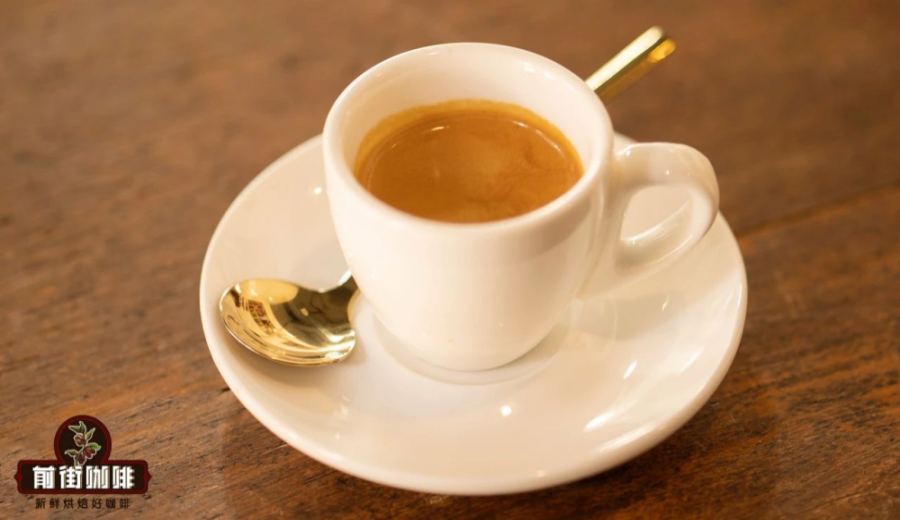
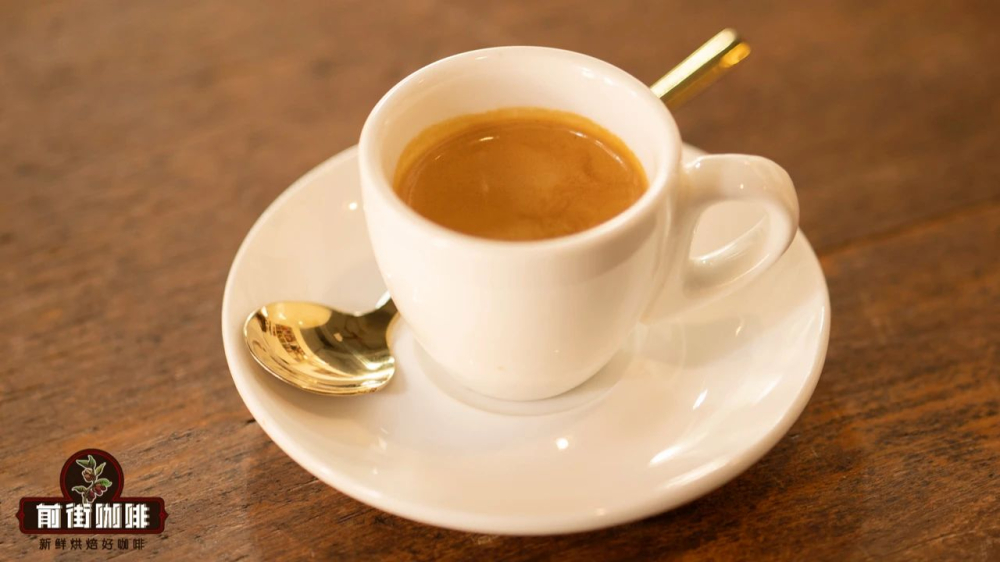
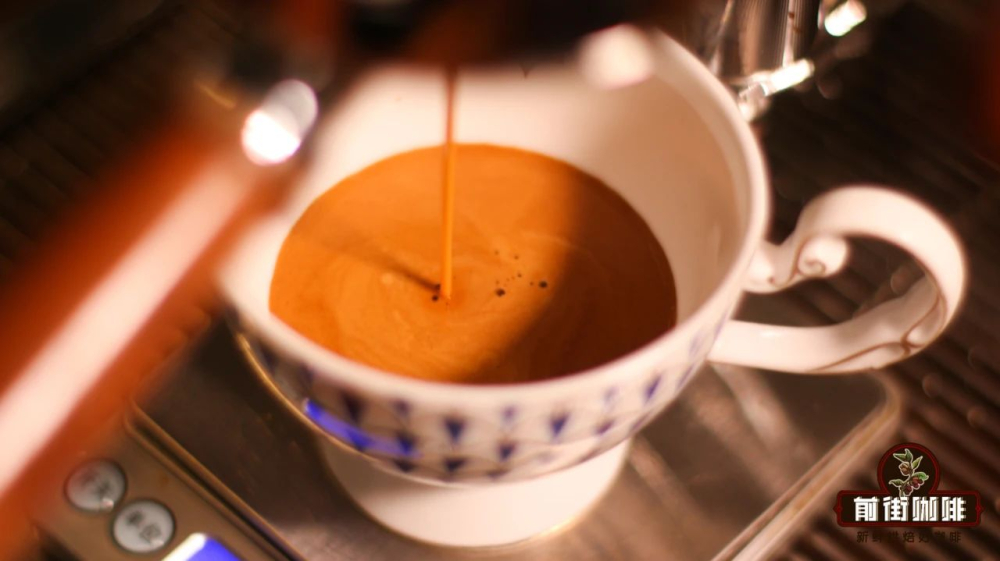
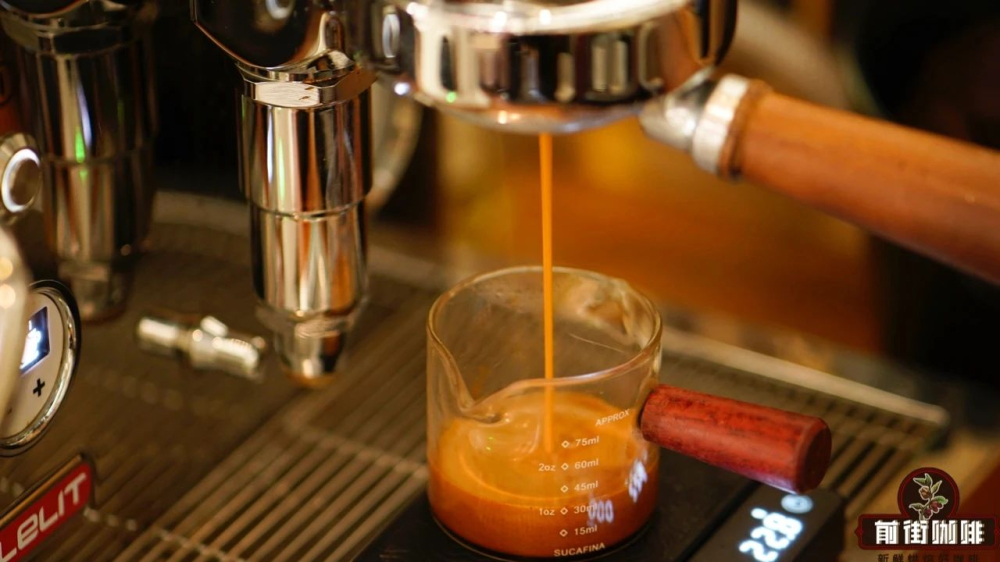
In cafés, a "double espresso" usually refers to a shot made with about 18–20 grams of coffee grounds, yielding roughly 36–40 grams of espresso with an extraction time of around 25–30 seconds. A single standard espresso typically uses about 7–9 grams of coffee to produce approximately 20–30 ml of liquid, also within 20–30 seconds. However, these numbers are just guidelines—the real indicators of a successful extraction lie in the coffee-to-water ratio and the finalflavor profile.
A Breakdown of Standard Espresso Extraction Parameters
To achieve a balanced and flavorful espresso, it’s essential to understand and control the following six parameters:
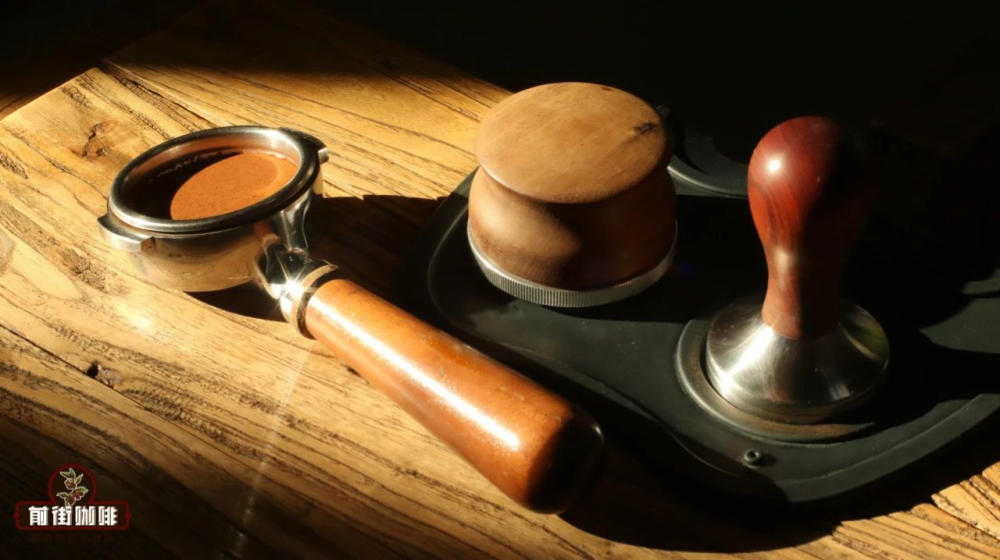
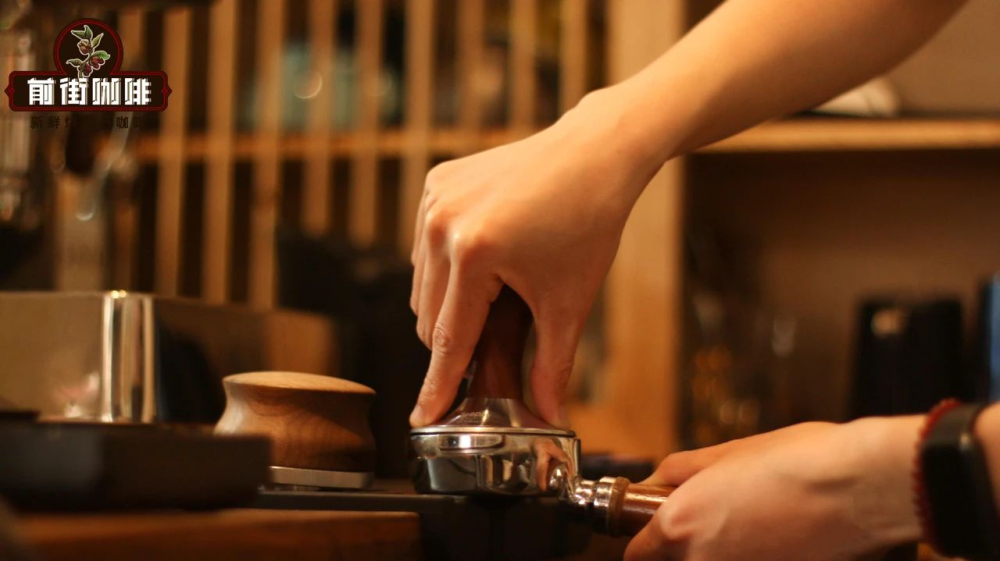
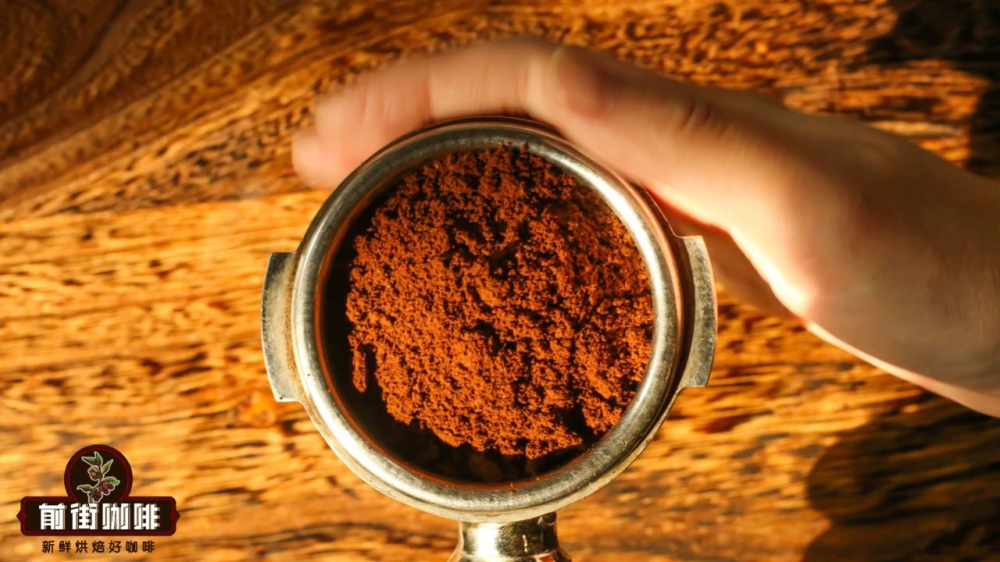
【Dose】—Depends on the capacity of your portafilter basket. Home machines typically use about 18–20 grams, while commercial machines may use more. Too little coffee leads to a loose puck, causing fast flow and under-extraction; too much can slow the flow, leading to channeling or over-extraction.
【Coffee-to-Water Ratio】—This is the weight ratio of coffee grounds to extracted liquid, commonly ranging from 1:1.5 to 1:2.5. The most widely used ratio is 1:2 (e.g., 18 grams of coffee yielding 36 grams of espresso). A low ratio results in overly strong, bitter coffee, while a high ratio may lead to under-extraction, resulting in weak, overly acidic shots.
【Extraction Time】—The total duration from the start to the end of extraction, usually controlled between 20–30 seconds. Factors include grind size and coffee-to-water ratio; generally, the finer the grind and the higher the ratio, the longer the extraction time.
【Flow Rate】—Refers to the speed at which espresso flows from the portafilter. Ideally, the first drops should appear around the 5–6 second mark, and the overall flow should be even and stable. Too fast often means under-extraction, while too slow can lead to over-extraction.
【Pressure】—Commercial machines typically operate at 9 bar. Too low pressure leads to incomplete extraction, while too high can force out undesirable compounds, resulting in bitterness and a muddy mouthfeel.
【Water Temperature】—The optimal range is 90–94°C. Water that’s too hot can extract excessive bitter compounds, while water that’s too cool may result in overly sour flavors and under-extraction.
Flavor Profiles of Four Classic Italian Blends
Italian-style blends are typically crafted by mixing beans from different origins in specific proportions to achieve a balanced, rich, and stable base ideal for various milk-based drinks. Here are four standout blends, along with their recipes and recommended uses:
【Black Cocoa Blend】—Recipe: 70% Brazil + 30% Yunnan, medium-dark roast. Flavors center around cream, nuts, and chocolate, with low acidity and a smooth mouthfeel. Ideal for beginners and general palates. Medium body makes it great for everyday lattes.
【Premium Blend】—Recipe: 70% Brazil + 30% Colombia, medium-dark roast. Emphasizes richness and nuttiness, offering pronounced sweetness when milk is added. Suited for cafés aiming for consistent quality and flavor, and a popular daily choice among many independent shops.
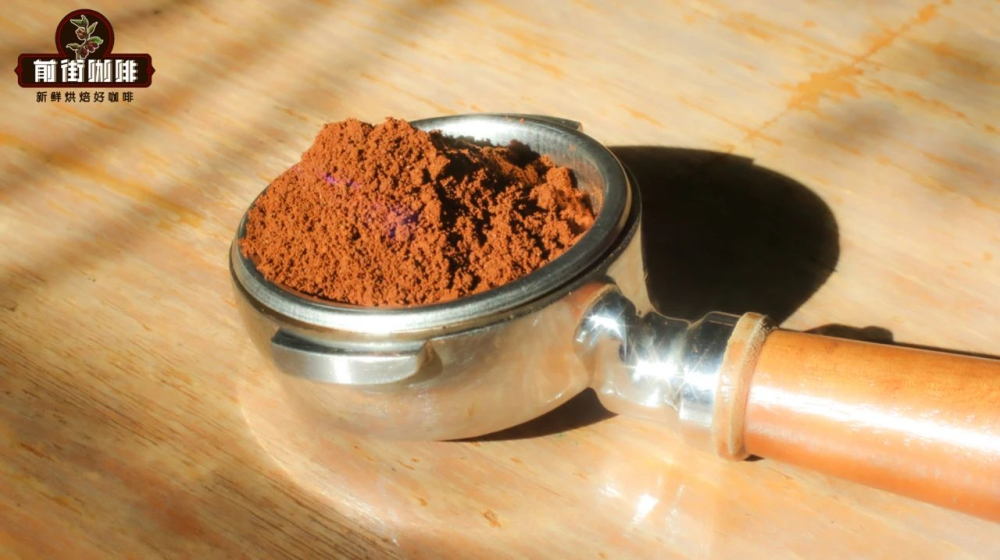
【Commercial Blend】—Recipe: 60% Brazil + 30% Colombia + 10% Robusta. Offers a rich crema with flavors of caramel and dark chocolate. Balanced sweetness and acidity, with a long finish. A small amount of Robusta boosts crema and body, making it a cost-effective option for commercial use.
【Warm Sunshine Blend】—Recipe: 60% Ethiopian Natural Red Cherry + 40% Honduran Sherry Coffee Beans, matured blend. Features a complex profile combining dark cocoa, citrus, and fermented wine-like notes. Balances acidity with body, perfect for those who enjoy unique flavors and winey nuances. Recommended parameters: 20g dose to 40g yield in 26–28 seconds. Ideal as a milk coffee base.
Practical Tips on Buying and Storing Coffee Beans
When buying coffee beans, always check theroast date, usually printed on the back of the package. Freshly roasted beans are at their best within about 30 days after the degassing period (approximately 4–7 days), when flavors—especially volatile floral and fruity notes—are most vibrant. After 30 days, while still drinkable, the flavors gradually become more woody. Be sure to distinguish betweenbest-before flavor windowandshelf life—most roasted beans can last 6–12 months, but their quality declines over time. For the best experience, enjoy them within a reasonable timeframe.
The above content is compiled by CoffeeHunters, a coffee news website.


