







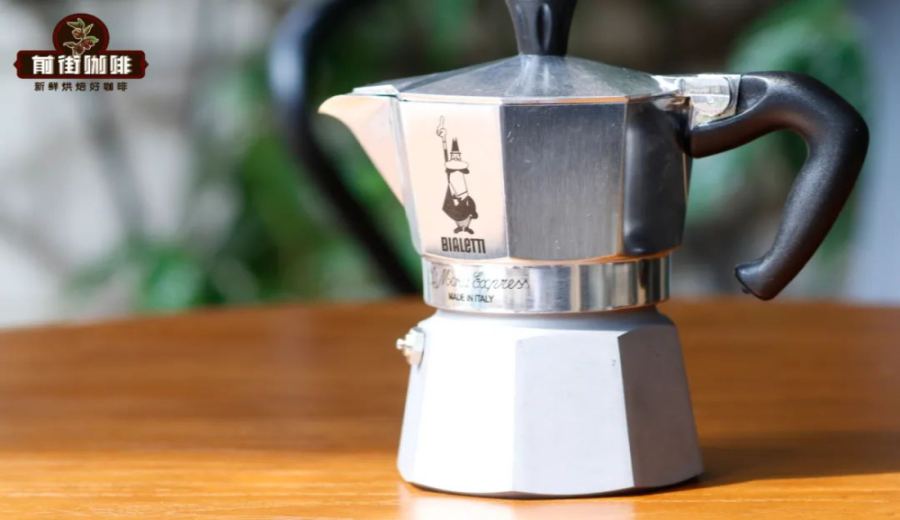
Introduction:If you want to brew espresso at home with a flavor close to that of a café, a moka pot is an economical and practical choice. This article delves into how to use a moka pot to extract coffee with rich crema and a full-bodied taste — from selecting bean varieties and understanding the impact of roast levels, to why medium-dark roasts are more suitable, and recommending beginner-friendly classic blends. We’ll guide you step-by-step through the correct operation process and key details.
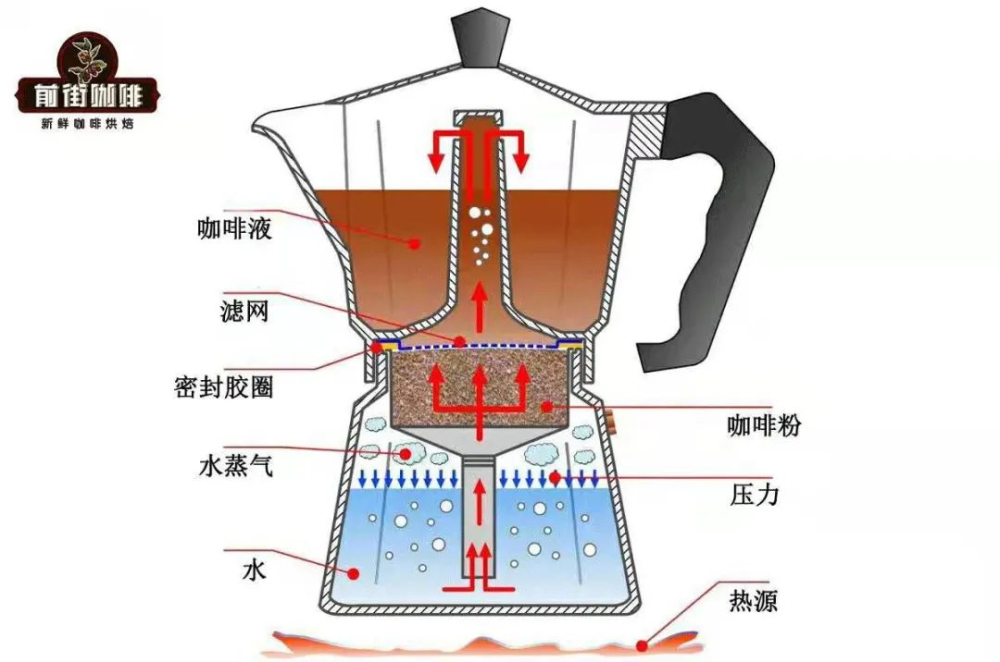
The moka pot is arguably one of the most common coffee brewing devices in Italian households. Statistics show that eight out of ten Italian homes own one. However, even though this tool is gaining increasing attention in the international market, it remains relatively niche in Taiwan or among overseas Chinese communities. Many coffee enthusiasts still have only a partial understanding of how to use it and how it works. This article will provide a detailed introduction on how to make a cup of coffee with moka pot that comes close to standard espresso, including how to choose the right coffee beans, the impact of roast levels on extraction flavor, and why medium-dark roasts are the top choice. It also recommends a classic blend that’s beginner-friendly to help you get started with ease.
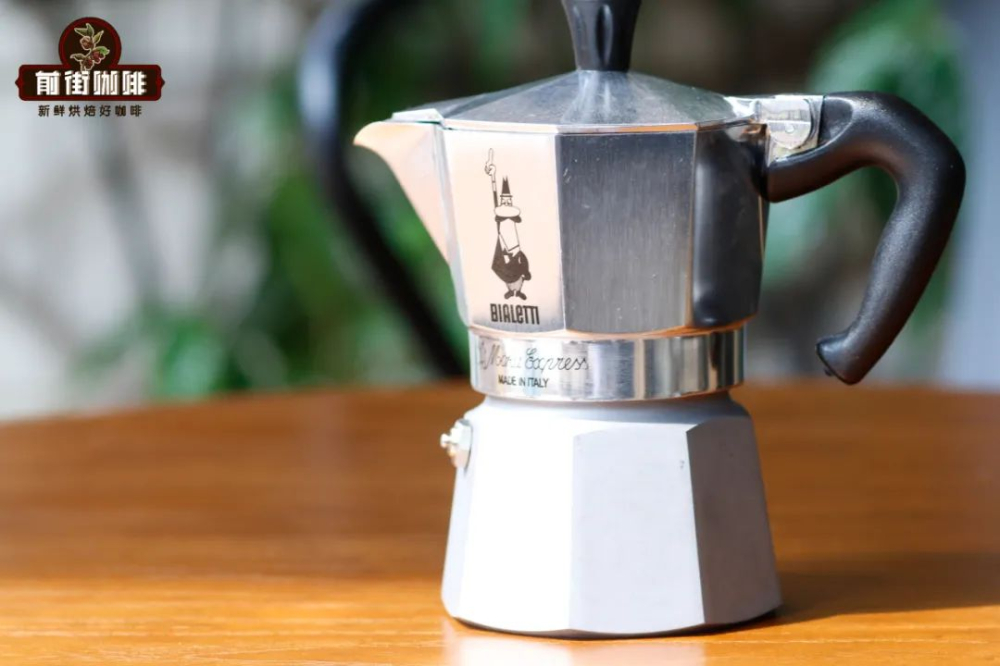
Since its debut in the 1930s, the moka pot has become the go-to coffee brewing device for many households thanks to its simple structure and rich extraction. Though its appearance may not differ much from a regular moka pot, extracting crema and espresso-like intensity truly requires mastering some tricks. Whether you’re new to the moka pot or have been using it for a while without achieving your ideal flavor, the following content will offer practical insights.
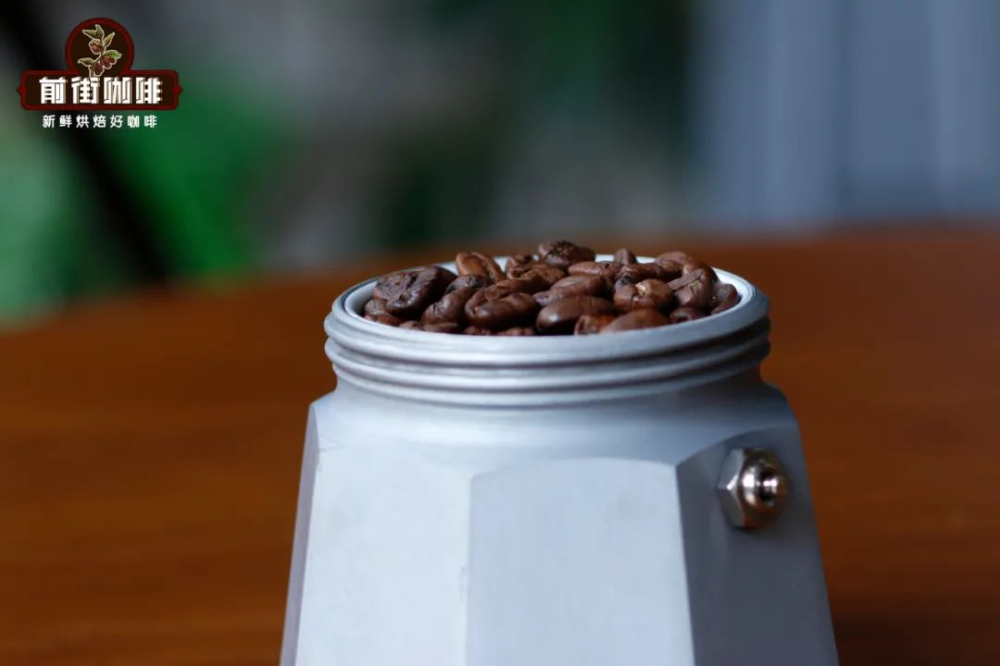
When it comes to bean selection, it’s recommended to prioritize medium-dark roasted coffee beans or espresso blends specifically designed for moka pots. Some beginners might wonder: why not use light roast beans? In truth, light roasts can also produce espresso with coffee flavor, but due to less caramelization, they often lack a rich body and layered crema, and tend to have more pronounced acidity, making it hard to achieve the thick, velvety mouthfeel typical of espresso. In contrast, medium-dark roasts bring out more caramel, chocolate, and nutty notes, which complement the high-pressure characteristics of moka pot extraction.
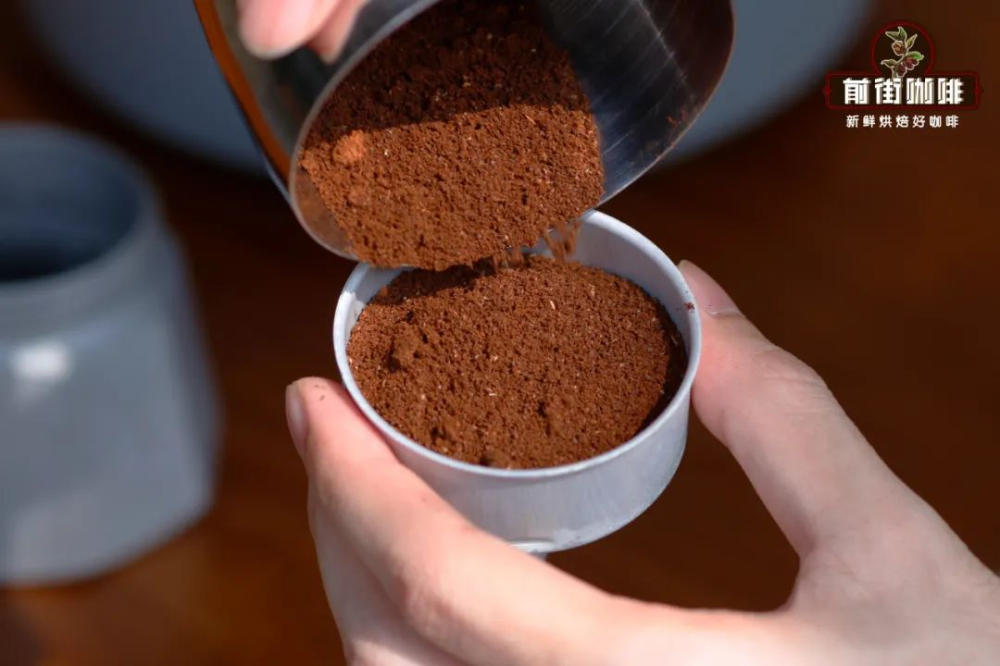
Therefore, if you want your moka pot coffee to have a rich and full-bodied taste, medium-dark roasts or specialty blends are the better options. For those just starting out with a moka pot, consider using a classic espresso blend. These blends are usually formulated to suit high-pressure extraction environments, not only easy to handle but also delivering stable flavor performance.
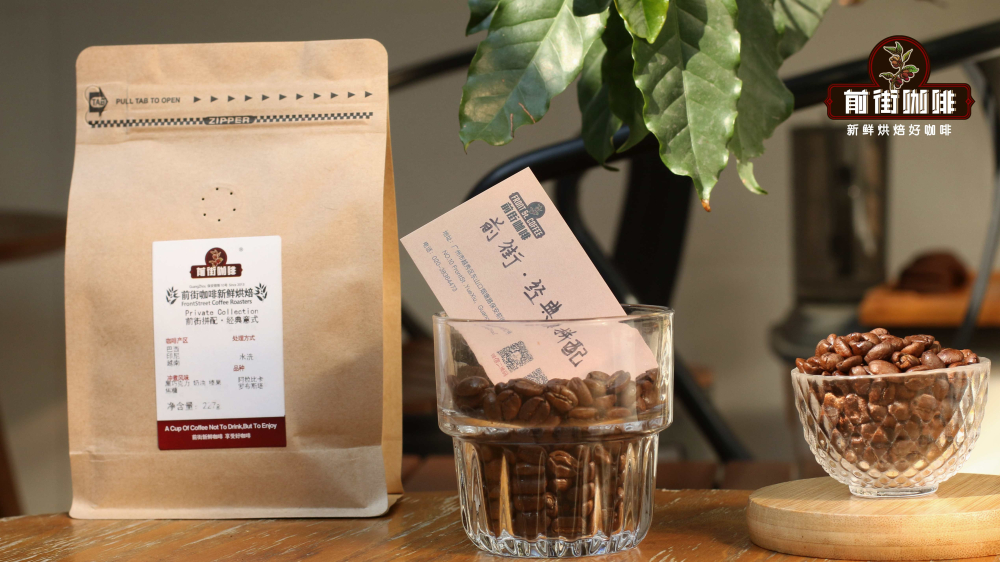
For example, one highly regarded classic espresso blend on the market draws inspiration from the once-popular “Mocha Java” combination, skillfully blending Mandheling beans from Indonesia with Brazilian beans. The Mandheling contributes intense spice and woody notes, while the Brazilian beans add soft caramel and nutty aromas. Together, they create a balanced and layered flavor profile. Additionally, this blend includes a small amount of Robusta beans to further enhance crema development and body richness, allowing you to brew an espresso base with latte art potential right at home using your moka pot.
The above content is compiled by CoffeeHunters, a coffee news website.


