







Introduction:Espresso, the soul of Italian coffee, may seem as simple as pressing a single button to extract, but in reality, it involves numerous variables—from the quality of the coffee beans, roast level, and grind size, to water temperature and pressure. Each factor can significantly impact the final flavor. This article will delve into the standard characteristics of an ideal shot of espresso and explore both primary and secondary parameters. We’ll guide you through practical skills such as dose distribution and tamping, while also recommending several classic coffee bean varieties well-suited for espresso extraction. This will help you achieve consistent results and elevate your extraction skills.
Even in today’s era where single-origin coffees and pour over methods dominate, espresso extracted via semi-automatic Italian coffee machines remains an indispensable star on café menus. Especially at major coffee expos, almost every booth features a classic Italian machine—almost as if without it, the venue would lack an air of professionalism. However, extracting an espresso that is both flavor-balanced and visually standard is far from achievable by simply pressing a button.
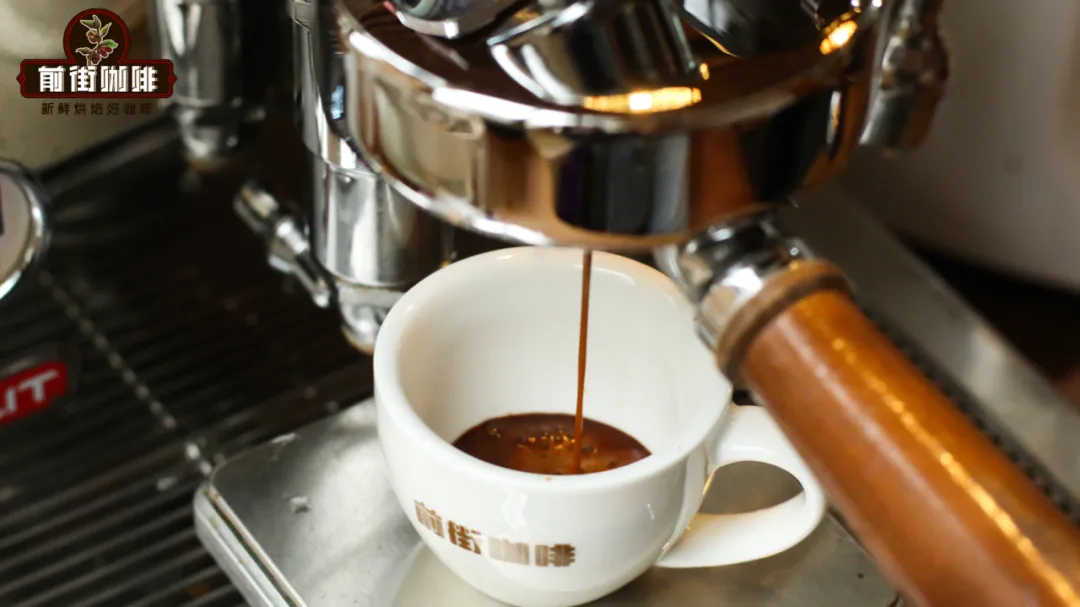
Brewing a qualified shot of espresso actually involves many details and variables. Visually speaking, an ideal espresso should have a layer of golden crema covering its surface, with a recommended thickness of about half the liquid. Too thick, and it may appear clumpy and have poor fluidity; too thin, and it could indicate under-extraction. The texture of the crema should be fine and smooth, avoiding large bubbles—all of which are intuitive indicators of successful extraction.
In terms of flavor, a high-quality espresso typically carries notes of caramelized aroma, nuts, and chocolate, with a velvety-rich mouthfeel and a brief bitterness followed by a sweet aftertaste. Achieving such flavors largely depends on the type of coffee beans used and the roast method. It is recommended to choose blends specifically designed for espresso extraction, as they can more effectively bring out the layers and richness needed for espresso. Common recommendations include classic blends, specialty blends, commercial blends, and dark cocoa-based blends. These are suitable not only for daily café use but also for home espresso machine enthusiasts to try.
However, many people only realize when they actually start brewing that what seems like a simple process is in fact full of challenges at every step. The foremost key lies in the choice of coffee beans—the quality and flavor characteristics of the beans are often the foundation that determines the final outcome. If the beans themselves lack desirable flavors, even the highest-level technique may not be able to reverse the result. Therefore, understanding the characteristics of the beans is a required course for every barista or coffee enthusiast.
Moreover, even when using high-quality coffee beans, failing to adjust the extraction strategy based on the roast level and specific traits of the beans can also lead to inconsistent results. Some baristas overly rely on fixed extraction formulas, overlooking the fact that each type of bean has its own unique set of optimal parameters. In fact, espresso extraction should be approached like pour over—based on the roast duration, flavor profile, and density of the beans, a tailored plan should be devised rather than blindly pursuing data perfection.
In practice, the parameters that affect espresso extraction can be divided into two main categories: primary and secondary. For instance, settings like water temperature and pressure are usually adjusted once on the machine and don’t change frequently, so they can be considered secondary parameters. On the other hand, grind size, dose amount, and brew ratio need frequent fine-tuning according to the state of the beans and extraction feedback, making them primary parameters—and also the key variables influencing the final result.
Among these, adjusting the grind size is particularly important and sensitive. The finer the grind, the denser the coffee puck becomes, slowing down the flow of water and allowing more flavor compounds to be extracted per unit of water, thus increasing concentration. However, over-extraction may easily release excessive bitter and astringent impurities. Generally, soluble substances in coffee beans account for about 30%, but it is widely believed that only around 22% of that falls within the ideal extraction range. Exceeding this proportion often leads to imbalanced flavors and unpleasant bitterness.
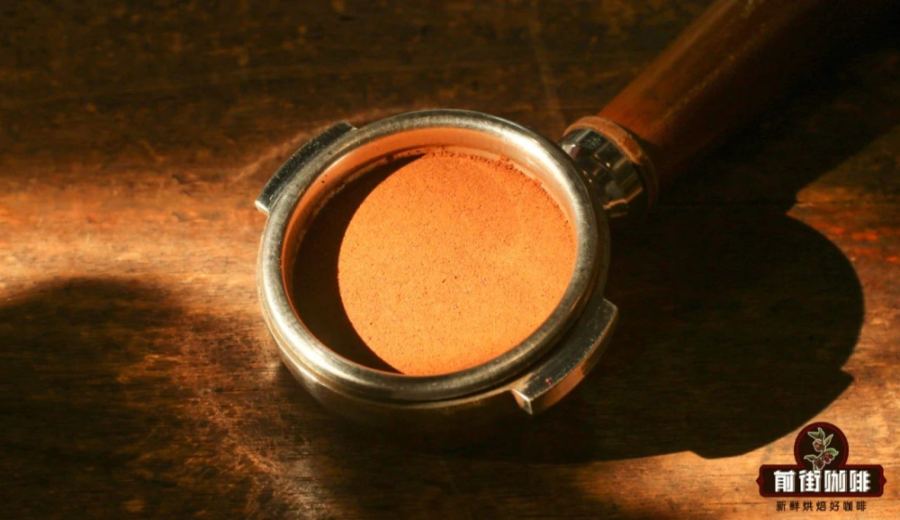
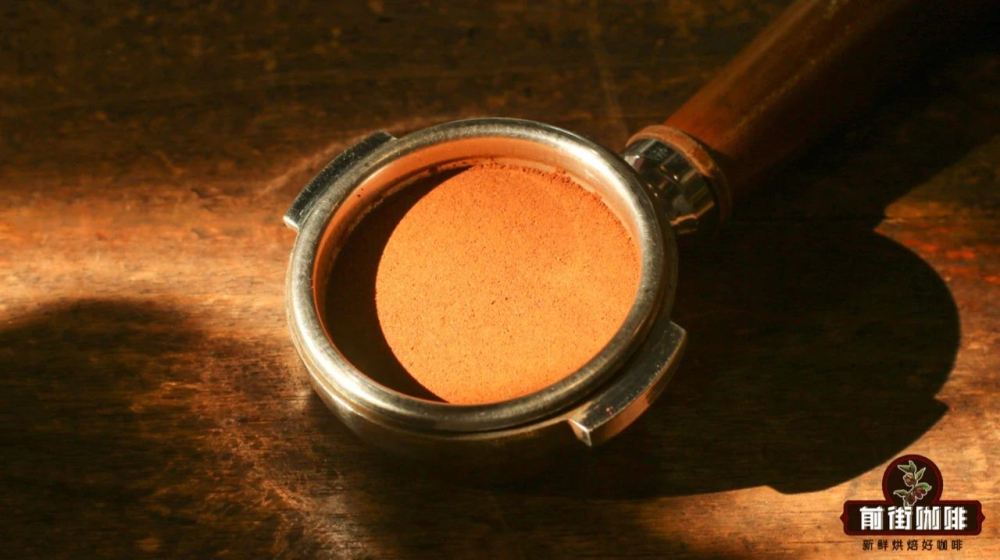
In addition to grind size and parameter settings, the techniques of dose distribution and tamping also directly impact extraction uniformity. Uneven distribution of coffee grounds or uneven tamping can easily cause channeling, where hot water flows through only part of the coffee bed, resulting in over-extraction in some areas and under-extraction in others. While it is advised to fill the basket to its maximum reasonable capacity and ensure it is leveled, as long as the tamping pressure is controlled properly without applying uneven force, serious extraction inconsistency can generally be avoided. In practice, maintaining even distribution and a level tamp is a key foundation for stable extraction.
In summary, to consistently produce espresso that is both flavor-balanced and visually standard, one must fully master every step—from bean selection, roast understanding, grind adjustment, parameter setting, to dose distribution and tamping techniques. Only through continuous practice and fine-tuning can one truly improve extraction skills and craft a satisfying shot of espresso.
The above content is compiled by CoffeeHunters, a coffee news website.


