








Introduction:The moka pot is a common stovetop espresso maker found in the homes of many coffee enthusiasts. It’s simple to use yet capable of producing richly flavored coffee. This article details how to choose the right coffee beans, master the correct grind size, and walk you through the step-by-step brewing process with a moka pot, including cleaning and maintenance tips. Whether you’re a beginner or an experienced user, you’ll learn how to brew a more aromatic and balanced cup using a moka pot.
The moka pot is one of the more approachable Italian-style coffee tools. Invented in 1933 by Italian designer Alfonso Bialetti, it brews coffee using steam pressure generated from the heated base — a principle quite similar to early commercial espresso machines. To this day, the moka pot remains a top choice for home coffee brewing, especially in Italy where nearly every household owns one. This article will thoroughly explain everything from selecting coffee beans and controlling grind size, to the complete brewing steps and cleaning recommendations, helping you produce high-quality espresso with your moka pot.
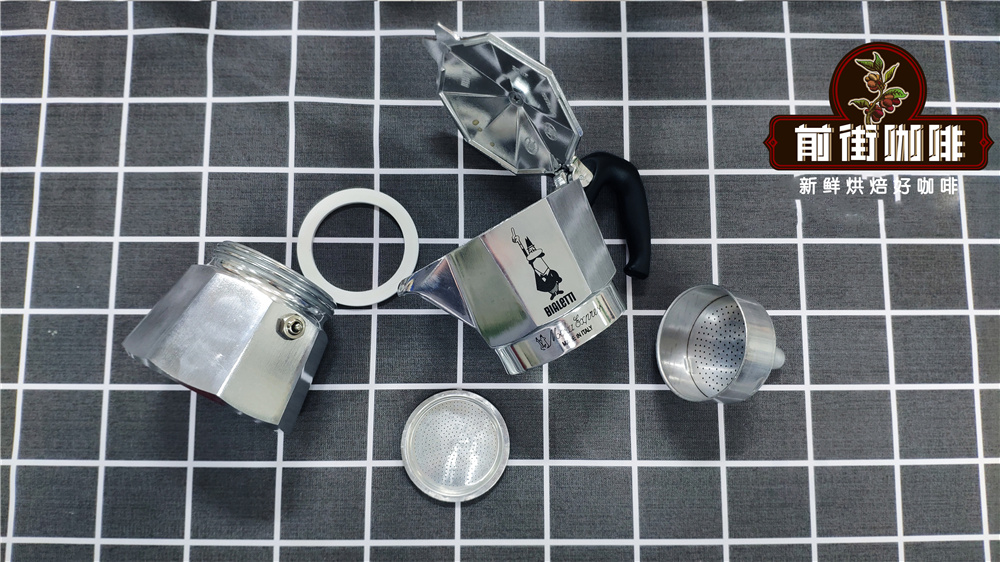
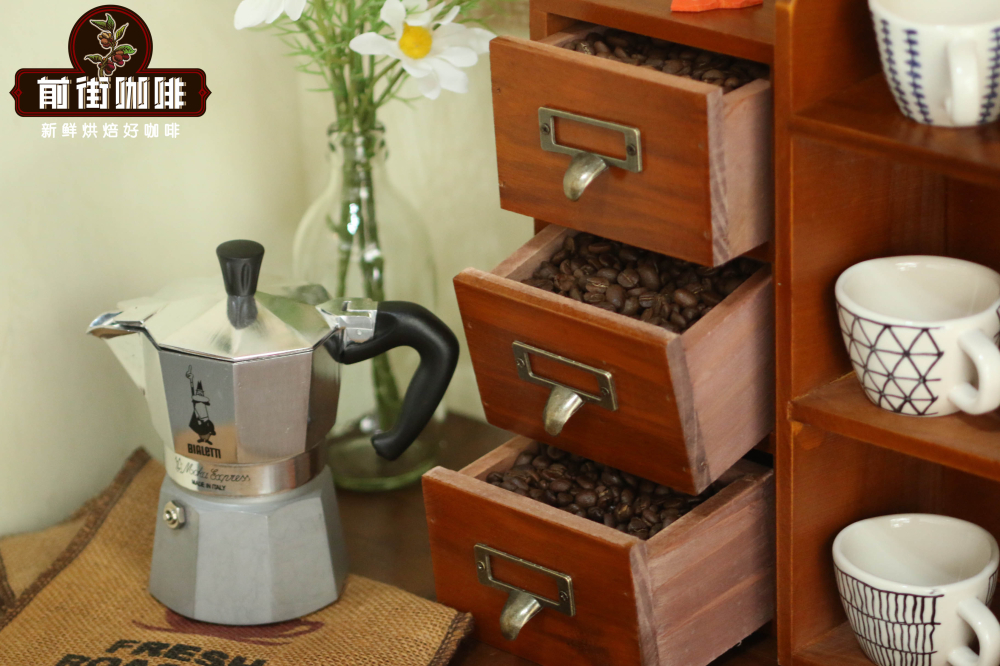
Among the many home coffee brewing devices, the moka pot is highly popular due to its ease of use. In Italy, many households don’t use professional grinders but instead buy pre-blended moka pot coffee powder. These powders are typically roasted and ground to suit the characteristics of the moka pot, allowing users to brew aromatic coffee without needing specialized knowledge. However, in Taiwan or overseas, finding coffee powder labeled specifically for “moka pot use” is not easy, so most people opt to grind their own beans. With the right techniques, almost any coffee bean can be used in a moka pot, though medium to dark roasts are generally better at highlighting the moka pot's extraction traits.
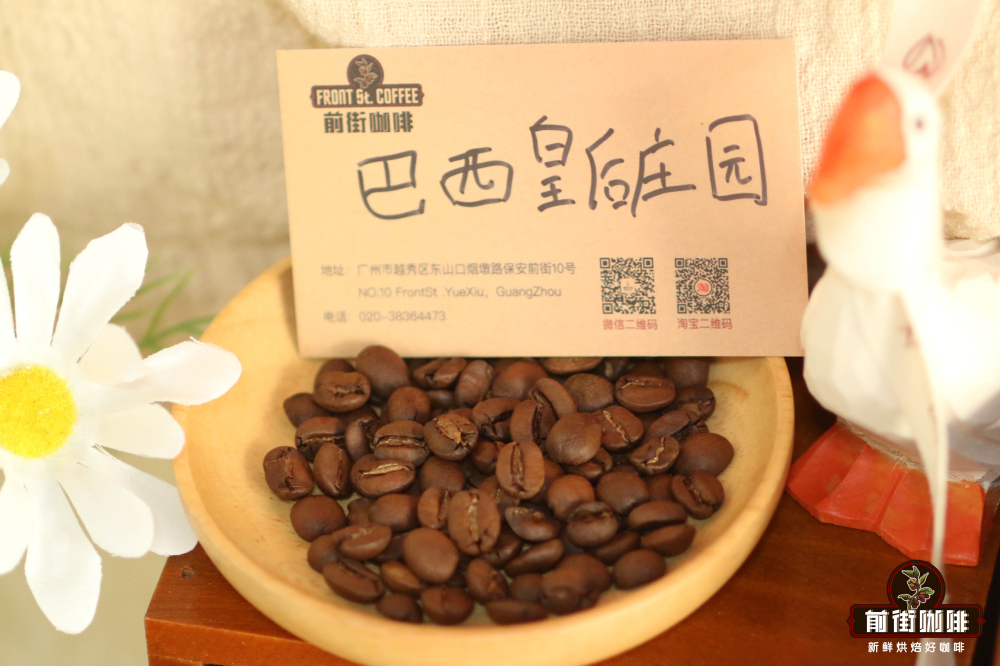
If you're just starting out with a moka pot, it's recommended to begin with espresso blends. Blends usually combine beans from different origins, achieving a better overall flavor balance — such as notes of nuts, cream, chocolate, and caramel, with a smooth mouthfeel and mild acidity. A specialty coffee brand’s blend, combining semi-washed Brazilian beans with washed Colombian beans, is a classic example suitable for beginners. If you want to explore the characteristics of a single origin, medium-roast single-origin beans are also a good choice — such as those from Brazil’s Queen Estate or PNG’s Bird of Paradise Estate, which have distinct nutty profiles and natural sweetness. For those who prefer a richer, more layered aroma, darker roasted beans can be chosen, such as Golden Mandheling, whose unique herbal and earthy flavors can be fully expressed via the moka pot.
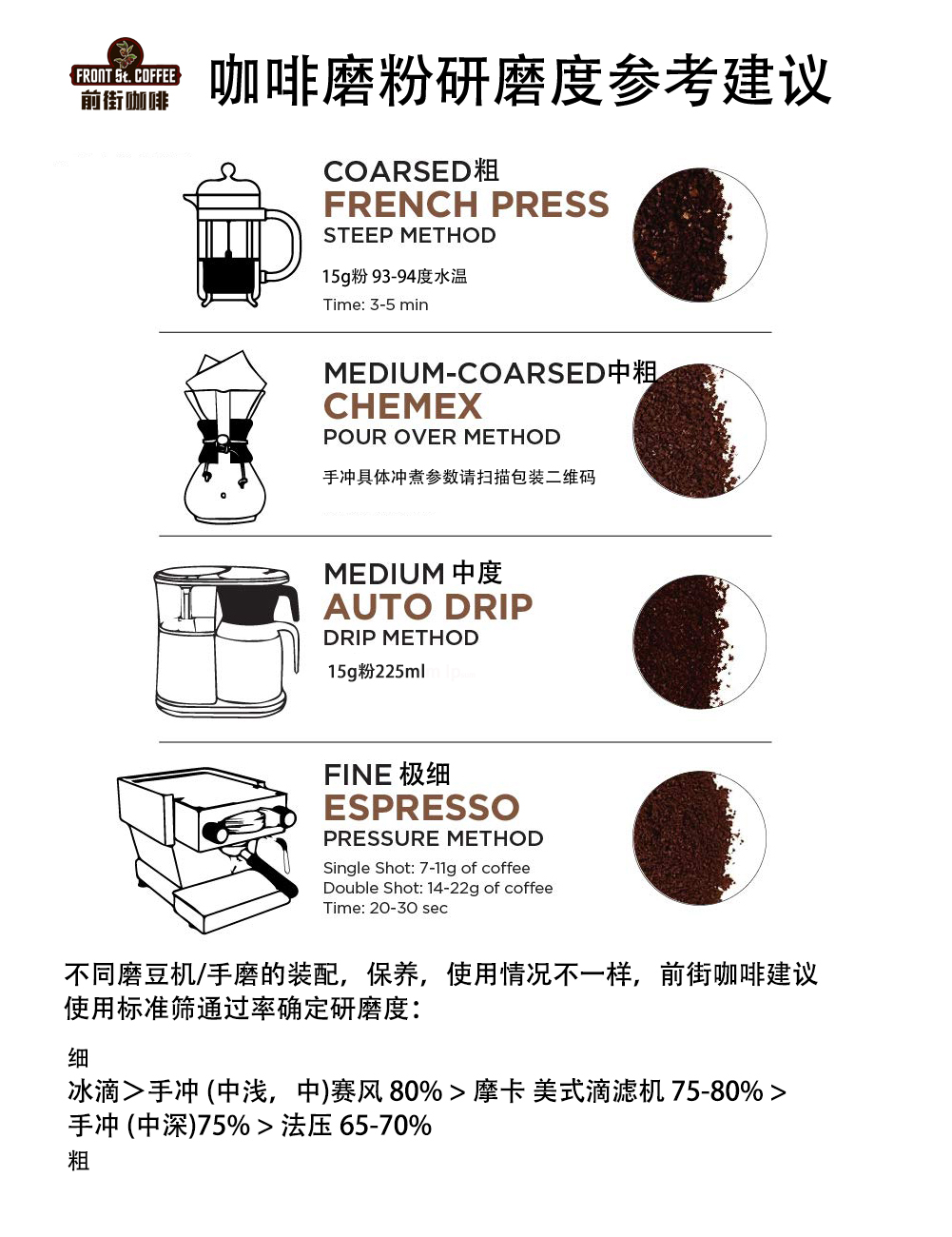
When it comes to grind size, it’s a common issue for many moka pot users. Since the moka pot operates on a different extraction principle compared to espresso machines, you can’t directly apply the fine grind settings used for espresso machines. In fact, the moka pot works best with a slightly coarser grind — around 0.3 to 0.55 millimeters. This grind size ensures sufficient pressure as water passes through the coffee bed, while avoiding excessive blockage that could lead to steam bursts or uneven extraction.
Grind size directly affects extraction time and yield: the finer the grind, the slower the water flows, resulting in longer extraction times and higher extraction yields — but also a greater risk of releasing excessive bitter compounds like chlorogenic acid and quinic acid. Conversely, if the grind is too coarse, water flows too quickly, leading to under-extraction, resulting in a weak flavor and lack of crema. Additionally, dark roast beans have looser fibers and benefit from a slightly coarser grind to avoid over-extraction, whereas lighter roast beans have tighter fibers and can be ground a bit finer to improve extraction efficiency. When adjusting grind size, also observe the brewing process: if you hear bubbling but the coffee isn’t rising, the grind may be too fine; if the coffee gushes out like a fountain, it may be too coarse — adjustments should be made promptly.
Next, we’ll go over the full steps for using a moka pot. First, pour fresh water into the lower chamber, with the water level recommended to be about 0.5 cm below the safety valve to prevent it from contacting the valve and affecting pressure balance. Then, add an appropriate amount of coffee grounds into the filter basket. Use your finger or the back of a spoon to gently level the grounds — it’s suggested to form a small mound first and then distribute the grounds evenly. Filling the basket helps avoid over- or under-extraction in certain areas, ensuring consistent overall flavor. The uniformity of the coffee bed density has a noticeable impact on the final extraction balance.
Place the filled filter basket into the lower chamber, then attach the upper chamber tightly, making sure the threads are fully screwed to prevent pressure leakage. Put the assembled moka pot on the heat source — it’s generally recommended to use a stove with a strong flame for quick heating. When you hear a clear “hissing” or “steam-whistling” sound, it indicates that pressure inside the pot is gradually building up. At this point, reduce the flame to low and open the upper chamber lid to observe the flow of coffee. Once about half of the coffee has flowed into the upper chamber, you can turn off the heat. Let the remaining coffee be pushed up by residual heat and internal pressure, which helps avoid over-extraction and preserves the best flavor.
Once all the coffee has been extracted into the upper chamber, you can pour and enjoy it. Coffee brewed with a moka pot is usually strong, and sometimes even produces a slight crema. Depending on personal taste, you can also add hot water or milk to adjust strength and flavor. Some users notice that clear water comes out before the coffee — this is usually because the moka pot parts weren’t completely dry before brewing, causing residual moisture to flow into the upper chamber first. This is normal and not a cause for concern. However, after each use, be sure to clean the moka pot immediately and wipe it dry with a cloth, especially the filter basket, filter plate, and rubber gasket. If coffee grounds or moisture are left behind, it can easily produce off-flavors and may cause burnt, bitter tastes or blockages in future brews.

The above content is compiled by CoffeeHunters, a coffee news website.


