







Introduction:Delve into the origins of Espresso, its key extraction parameters, and practical brewing steps—from its historical roots to the evolution of espresso machines, and from adjusting dose, ratio, time, and grind size to mastering the craft. This guide helps coffee enthusiasts learn the secrets to crafting the perfect shot of espresso and understand the science and significance behind the formation of golden crema.
Espresso, this intense and concentrated Italian coffee, serves as the base for many classic drinks such as lattes, cappuccinos, americano, and flat whites. However, this beverage, which originated between the late 19th and early 20th centuries, is not just about concentrated coffee—it’s also a chapter in the history of Italian coffee culture and the technological advancement of steam-powered coffee machines. This article will detail the historical evolution of espresso, its core extraction principles, and use rich visuals to explain the complete operation process and essential parameters, enabling even beginners to pull a well-layered, crema-topped shot of espresso.
The origins of Italian coffee can be traced back to the 16th century, when coffee made its way to Italy through Venetian ports from the Middle East and Africa, initially considered a luxury item for the upper class. Due to coffee’s deep ties with Islamic culture, some Christian Italians even mockingly referred to it as the “devil’s drink.” However, by the early 17th century, Pope Clement VIII personally tasted and blessed coffee, declaring it the “drink of God,” which helped coffee culture quickly take root in Italy.
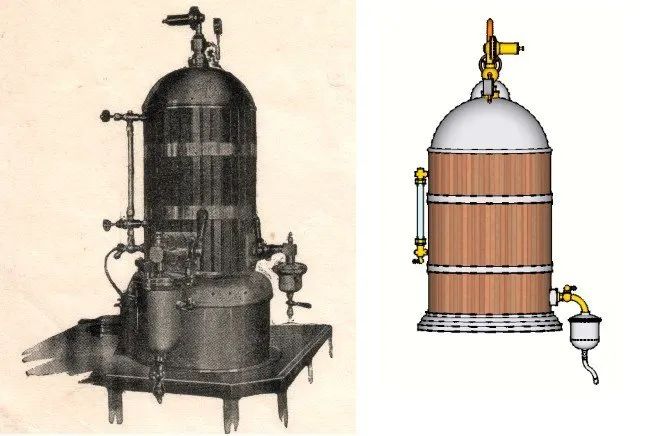
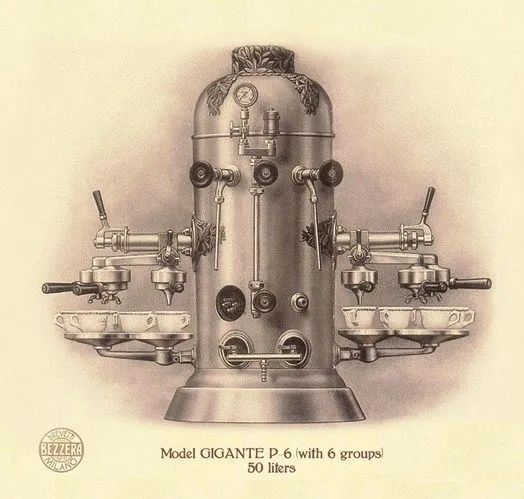
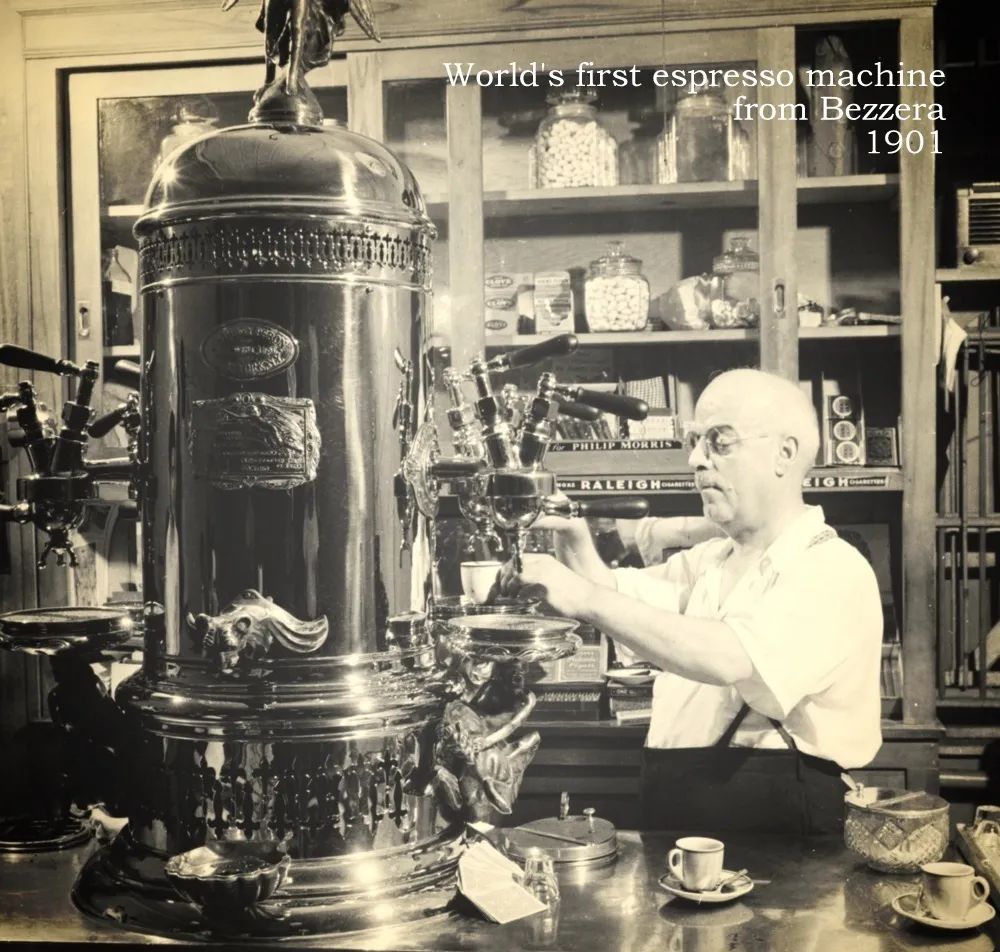
Early Italians used Turkish coffee pots to brew coffee by pour over methods, but with the arrival of the Industrial Revolution, they sought more efficient brewing techniques. In 1884, Angelo Moriondo of Turin registered the first patent for a coffee-making machine that utilized steam pressure. However, due to difficulties in controlling temperature and pressure, it often produced burnt and bitter-tasting coffee. Later, around 1901, Milanese engineer Luigi Bezzera improved the design by introducing a detachable portafilter and a high-pressure extraction system—this became the prototype of the modern espresso machine.
Around 1920, the term “Espresso” was officially included in the Italian dictionary, defined as a concentrated coffee made using high pressure or a filter. As equipment continued to improve, baristas and engineers sought better brewing methods. Among them, Milanese engineer Achille Gaggia made a breakthrough improvement in 1938 by introducing a lever system that increased water pressure from 1.5 bar to 9 bar. This not only created the captivating layer of golden crema but also made the extraction process more stable, resulting in richer and more layered flavors.

Today, a standard shot of Espresso is typically served as a single (Solo) or double (Doppio). In practice, a single shot uses 10–11 grams of coffee grounds to produce 20–25 grams of espresso in about 22 seconds; a double uses 19–20 grams of coffee to yield 35–40 grams of espresso in approximately 28–30 seconds. Of course, these values may vary depending on the coffee beans, grinder, and espresso machine model, and are provided for reference only.
When extracting Espresso, there are six key parameters to carefully control: dose, brew ratio, extraction time, grind size, water temperature, and pressure. Among these, water temperature and pressure are mostly preset by the machine, so for most users, the most important factors to focus on are dose, ratio, time, and grind size.
Dose:For a single shot, 10–11 grams is recommended; for a double, 19–20 grams, adjusted according to your portafilter basket capacity.
Brew Ratio:A common starting point is 1:2, such as 20 grams of coffee yielding 40 grams of espresso—this is the most accessible and widely used ratio.
Extraction Time:The ideal extraction time is 20–30 seconds. Too short results in under-extraction and weak flavor; too long can lead to over-extraction, producing bitter and burnt notes.
Grind Size:Espresso requires an extremely fine grind. Too coarse a grind leads to fast water flow and under-extraction; too fine may cause channeling, resulting in overly bitter and rough-tasting coffee.
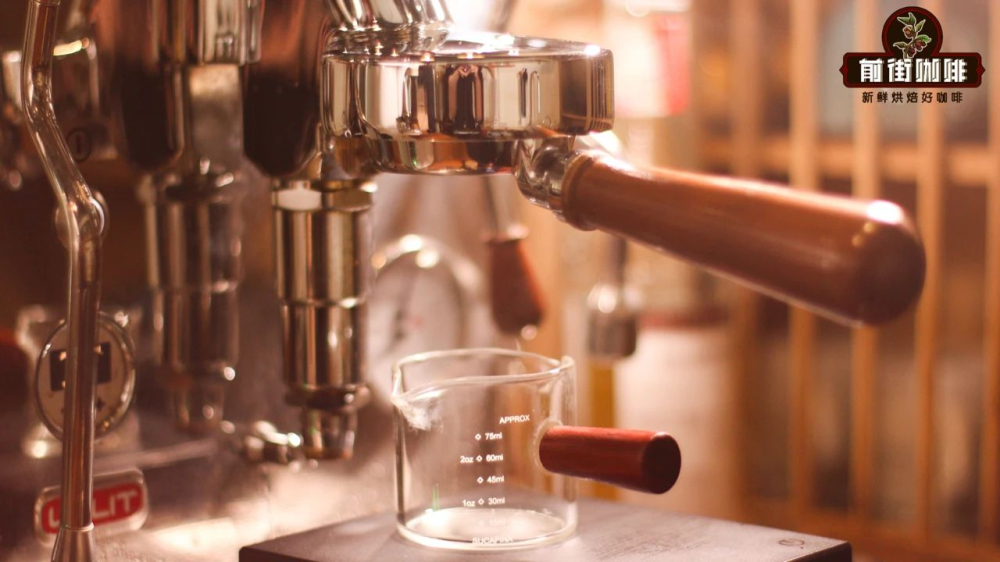
The actual extraction steps are as follows: First, clean and dry the portafilter basket, start the grinder, and evenly distribute the coffee grounds into the basket. Then, use a distribution tool to evenly spread the coffee grounds across the basket, ensuring there are no clumps or gaps—this greatly improves extraction stability. Next, tamp the coffee grounds with appropriate pressure to ensure a level and compact puck, which is crucial for even pressure distribution during extraction.
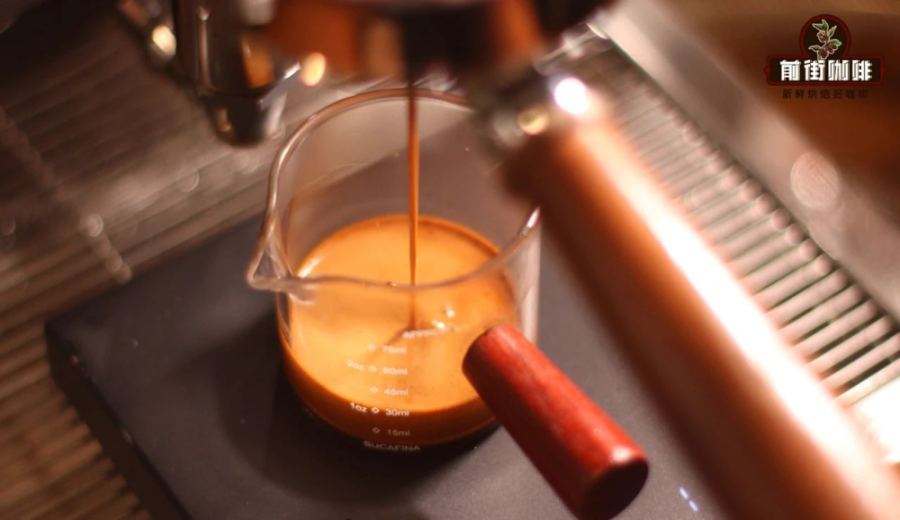
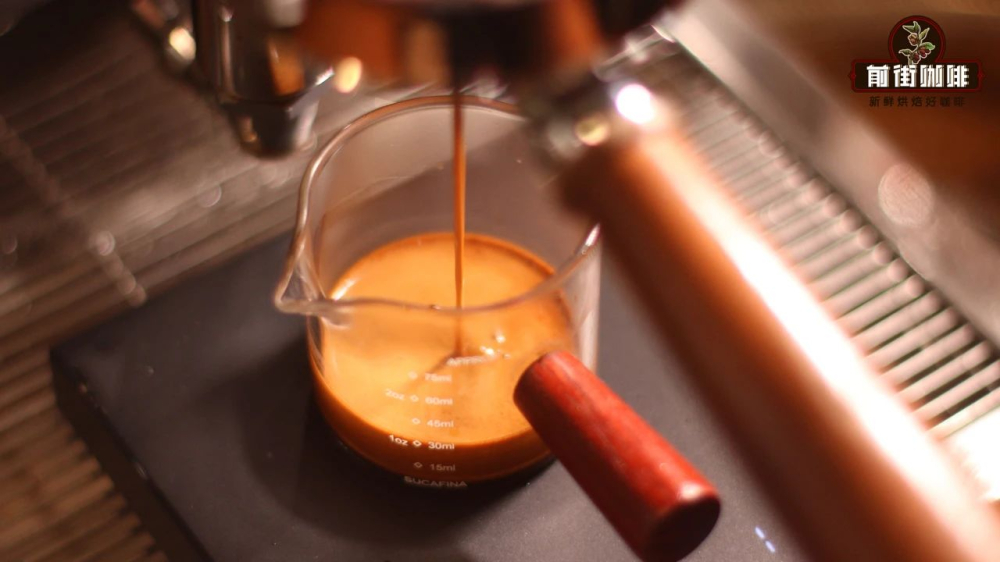
Before attaching the portafilter to the machine’s group head, make sure to check for any leftover coffee grounds around the basket and lightly wet the group head to prevent residual coffee grounds from affecting flavor. Finally, securely and swiftly attach the portafilter to the group head and press the extraction button. Observe the initial extraction around the 4-second mark—the coffee should flow out smoothly like honey, its color transitioning from dark brown to golden, and by the end of extraction, a delicategolden crema (Crema)should form on the surface, which is a crucial layer formed by the emulsification of carbon dioxide and coffee oils under high pressure.
If you want to replicate café-quality Espresso at home, it’s recommended to use blends specifically designed for espresso. These blends typically combine beans from different regions—for example, those with high body and dark roast characteristics—to consistently produce rich crema and balanced flavor. Dark roasting helps enhance crema formation and boosts the overall richness and complexity of the espresso’s profile.
In summary, crafting a successful shot of Espresso relies not only on precise extraction parameters but also on a solid understanding of coffee bean characteristics, machine performance, and operational details. With knowledge spanning from history to hands-on brewing, you’ll be able to approach each extraction with confidence and fully enjoy the bold, nuanced experience that Espresso offers.
The above content is compiled by CoffeeHunters, a coffee news website.


