







Introduction:Espresso is a classic icon of the coffee world, captivating enthusiasts with its intense flavor and unique layer of crema. This article systematically explores the essence of this iconic brew—from its historical origins and machine evolution to extraction principles, proper tasting methods, and key parameters. Not only will it explain why professional cafés always serve ice water alongside espresso, but it also delves into variables such as dose, pressure, and time that influence flavor, helping you better understand this “essence extracted under pressure.”
Espresso is a daily essential for many coffee lovers, but do you truly understand its allure? From the first espresso machine invented in 1884 to today’s brews extracted at 9 bar pressure with rich crema, this small cup has undergone significant technological advancements. This article will detail the history, extraction principles, correct drinking methods, and crucial flavor-influencing parameters of espresso, enabling mastery at both beginner and advanced levels.
Historical Evolution: Technological Innovation from Steam to High Pressure
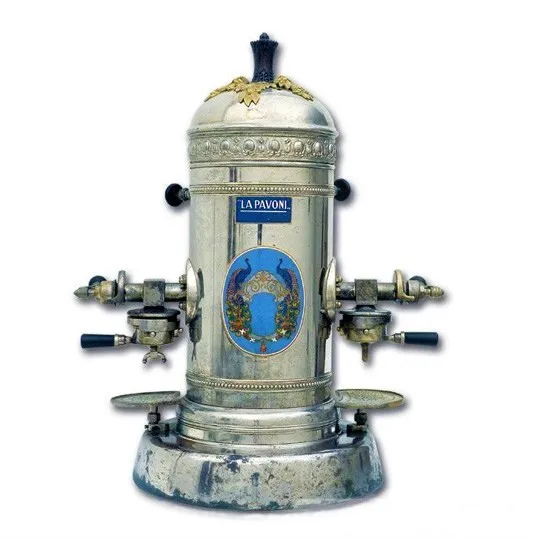
In 1884, Angelo Moriondo of Turin, Italy, invented the world’s first espresso machine. At the time, the extraction pressure was only 1.5 bar, and the process took as long as 40 seconds, producing a flavor closer to today’s Americano. It wasn’t until 1901 that Milan engineer Luigi Bezzera patented a commercial coffee machine, which was mass-produced by La Pavoni in 1905, marking the true beginning of the espresso era.
However, early machines still relied on steam heating, resulting in high temperatures and limited pressure, often yielding bitter, scorched coffee lacking crema. It wasn’t until the 1930s, with the advent of the electrical era, that barista Achille Gaggia designed a machine using a piston lever to generate high pressure. In 1948, the technology was transferred to Faema, and by 1961, the Faema E61 introduced a pump to stabilize pressure, finally achieving consistent9-bar extraction pressure, forming the familiar rich crema and intense flavor we know today.
Extraction Principle: The Essence of High Pressure and High Temperature
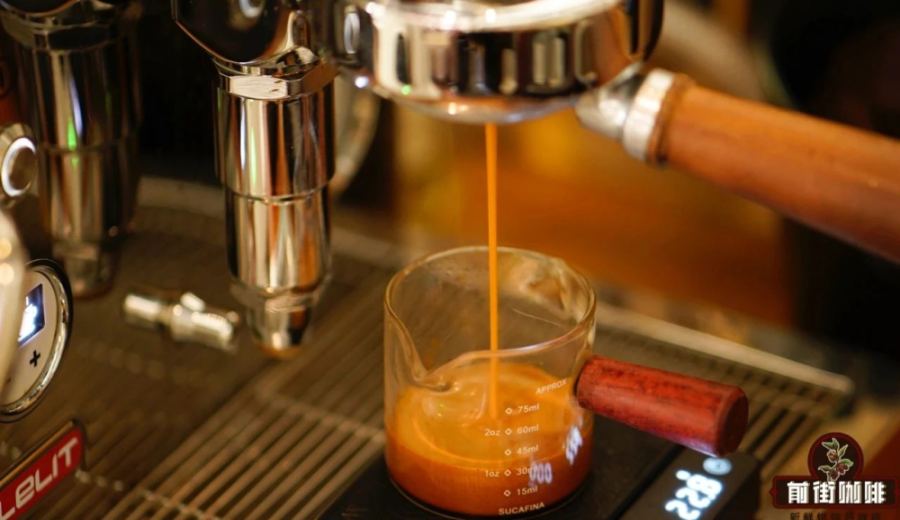
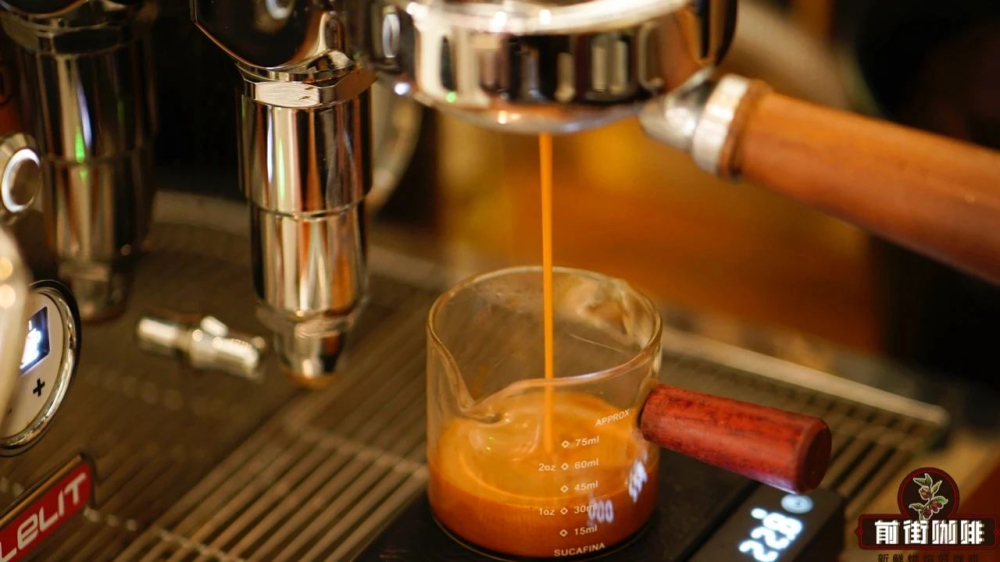
Modern espresso is made by usingwater heated above 90°Cunder9 to 11 bar of pressureto quickly (typically 20–30 seconds) pass through a finely ground coffee puck, extracting both water-soluble and non-water-soluble flavor compounds. This method simultaneously draws out the coffee’s acidity, sweetness, bitterness, and aroma, while producing a rich crema that results in a smooth, intense, and layered flavor profile.
How to Drink? Ice Water, Spoon, and Flavor Exploration
Many people, when ordering espresso for the first time at a café, notice the café provides a glass of ice water and a small spoon. Beginners might wonder: am I supposed to pour the espresso into the ice water? In reality, the ice water is meant to cleanse your palate, resetting your taste and smell receptors so you can better perceive the complex flavors of the espresso itself.
Additionally, that little spoon isn’t just for show—it can help you stir the crema on the surface and the liquid below, evening out the flavors or preserving the layers for exploration. First-timers are advised to observe the crema, smell the aroma, and then decide whether to stir based on personal preference.

Brewing Parameters: Dose, Grind, Pressure, and Extraction Time
A successful espresso relies on the precise coordination of multiple key parameters. First is thedose, typically adjusted based on the size of the portafilter basket. Too much can lead to uneven extraction, while too little may result in weak flavor. A standard double shot usually uses 18–20 grams of coffee, while a single shot uses about 12 grams.
The coffee-to-water ratiois recommended to be1:1.7 to 1:2, meaning 1.7–2 ml of coffee liquid is extracted per 1 gram of coffee. A common double shot yields about 36–40 ml in total.
The grind sizemust be fine to ensure sufficient flavor extraction under high pressure, but not too fine, as over-extraction can lead to bitterness and a gritty texture. The puck should be evenly tamped, with a recommended pressure of30–40 pounds(about 13–18 kg) to maintain stable water flow.
The most critical factor,extraction pressure, should be maintained at around9 bar—the golden standard for effectively producing crema and ideal flavor compounds. Too low, and the crema will be thin with flat flavor; too high, and over-extraction can cause sharp bitterness and a rough mouthfeel.
Extraction time is generally controlled between20 and 30 seconds. Too short, and extraction is insufficient; too long, and over-extraction affects overall balance.
Practical Application: Blends and Flavor Profiles
In professional cafés, specific blends are often used to ensure consistent flavor and rich crema in espresso. For example, a common blend might include 70% Central American beans (such as Honduran sherry-cask-fermented beans), contributing winey, vanilla, and chocolate notes, along with 30% African beans (like Ethiopian natural red cherries), adding berry acidity and fruity aromas.
Such blends, under high-pressure extraction, showcase intense fruit acidity, a full body, and lingering sweetness and aftertaste—classic expressions of espresso flavor.
In summary, the charm of espresso lies not just in that small, intense cup, but in the craftsmanship, science, and sensory experience behind it. Whether you’re a beginner exploring espresso or a dedicated coffee enthusiast, understanding these fundamentals and details will deepen your appreciation for the profound world of this classic brew.
The above content is compiled by CoffeeHunters, a coffee news website.


