







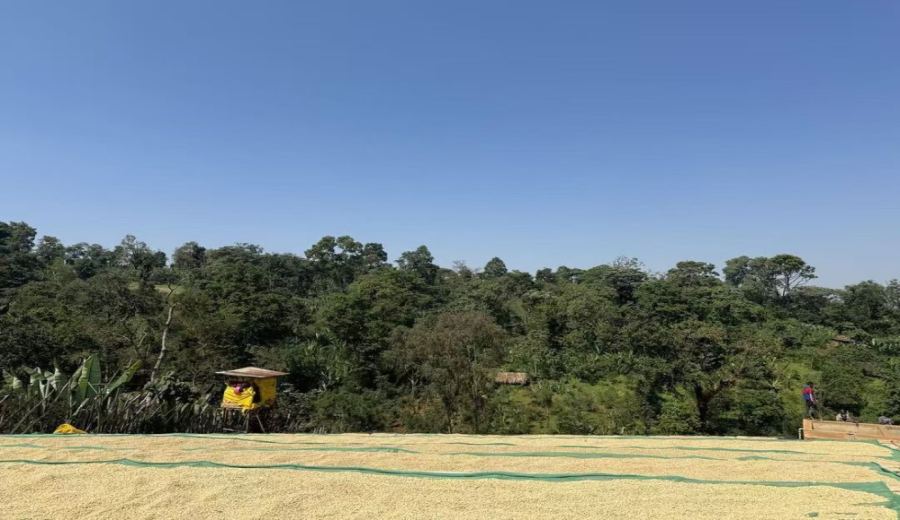
Introduction:As Ethiopia’s most iconic specialty coffee region, Yirgacheffe is renowned for its distinctive floral aroma, bright acidity, and gentle sweetness. This article delves into the region’s geographical background and climate conditions, explores the cup characteristics of both washed and natural processing methods, and offers practical pour over parameters to help you fully grasp the flavor essence of this globally popular coffee bean.
Yirgacheffe is a high-altitude town in Ethiopia’s Southern Nations, Nationalities, and Peoples' Region, within the Sidama Zone, and is a dream origin for specialty coffee enthusiasts worldwide. The region’s elevation generally ranges between 1,700 and 2,100 meters, with coffee trees mostly planted at altitudes above 1,800 meters, contributing to its unique flavor profile. Yirgacheffe is not just a region name—it has almost become synonymous with high-quality Ethiopian Arabica coffee.
The distinctiveness of the coffee from this area is largely attributed to its exceptional geographical environment and long-standing cultivation history. Hundreds of years ago, this land was a wetland; in the local language, “Yirga” means “to settle down,” and “Cheffe” refers to “wetland.” This background also indirectly shapes the coffee’s fresh and juicy undertone. In 2010, the Ethiopian government officially separated Yirgacheffe from the Sidama region, establishing it as a standalone specialty coffee zone.
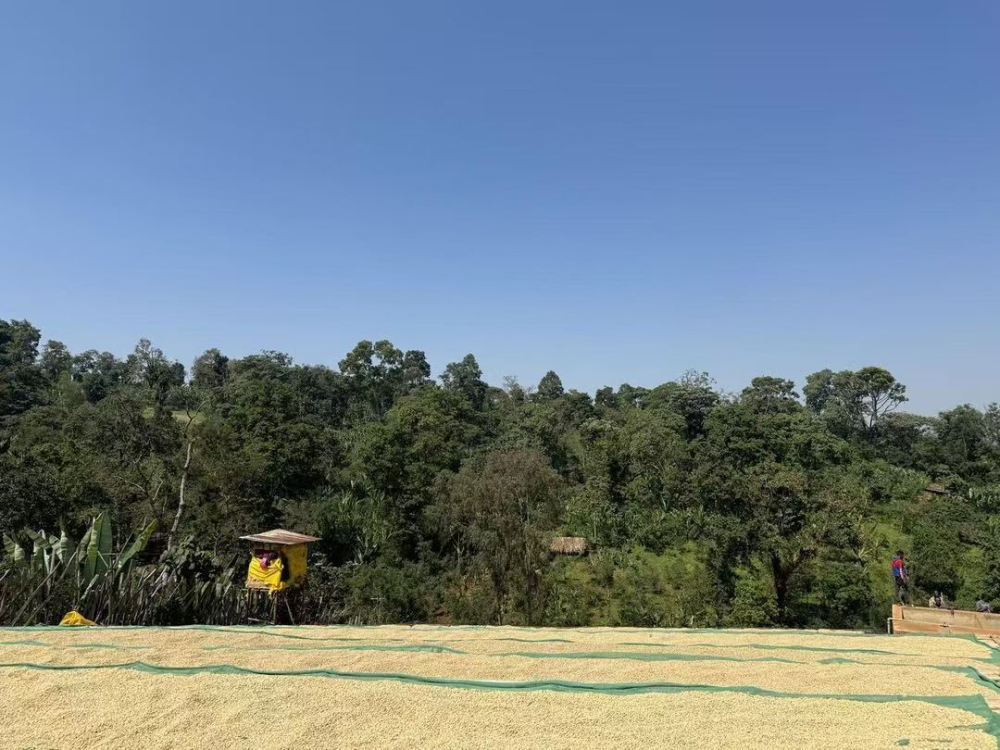
Yirgacheffe coffee is characterized by bright lemon and citrus acidity, paired with white floral notes and delicate honey-like sweetness, resulting in a refreshing yet layered taste. Even with light to medium roasting, it demonstrates highly recognizable flavor profiles, which is one reason it is often recommended as an entry point for pour over enthusiasts. Generally, Yirgacheffe benefits from light to medium roasting, which preserves the finesse and vibrancy of its inherent flavors.
In terms of processing methods, both washed and natural Yirgacheffe beans have their own distinctive traits. Washed Yirgacheffe, such as the commonly seen “Gedeb Type” beans, typically exhibits a cleaner, brighter acidity with pronounced notes of lemon, green fruit, and jasmine. The cup is clear and structured. In contrast, the natural “Red Cherry” style is richer and more intense, retaining the floral foundation while adding flavors of ripe berries, wine-like sweetness, and a fuller body, with a lingering and warm finish.
For home brewers, it is recommended to use medium-light roasted Yirgacheffe for pour over, with grind size adjusted to medium-fine (similar to granulated sugar), and water temperature kept between 90–92°C to highlight its acidity and aroma. A staged extraction method can be employed—for example, start with a 30% bloom for 30 seconds, then gradually pour the remaining water. The total brew time is ideally around 2 to 2 minutes and 30 seconds, allowing the layered flavor profile to fully shine.
Additionally, due to Yirgacheffe’s lively acidity, those preferring a smoother cup may opt for naturally processed beans or slightly increase the water temperature to 93°C during brewing, extending the total extraction time to about 2 minutes and 30 seconds. This helps balance the acidity and sweetness ratio. No matter which processing method you choose, Yirgacheffe showcases the agility and complexity unique to Ethiopian coffee, making it an excellent starting point for exploring African coffee flavors.
In summary, Yirgacheffe is not just a region but a symbol of a flavor style. From the bright and clean notes of washed processing to the rich and sweet profile of natural processing, each coffee bean grown in this high-altitude land embodies a unique terroir. By understanding its origin background, differences in processing methods, and suitable brewing parameters, you’ll be able to more deeply appreciate this globally renowned specialty coffee and savor the layered flavor charm that unfolds in the cup.
The above content is compiled by CoffeeHunters, a coffee news website.


