








Introduction:Want to distinguish whether a cup of coffee is sun-dried, washed, or honey-processed? By observing the amount of silver skin residue and carefully savoring the flavor differences, even beginners can gradually master the tricks of judgment. This article takes you through two practical aspects—observing silver skin and tasting flavors—to deeply understand the unique characteristics of different processing methods, helping you make more precise choices when selecting coffee beans or adjusting extraction parameters.
Many coffee enthusiasts can not only identify the origin and variety of a cup of coffee, but can even guess its processing method. This is not intuition, but rather the mastery of several simple yet practical observation and tasting techniques. This article will focus on two key aspects: first, observing the amount of silver skin remaining on roasted beans, and second, distinguishing the unique flavor characteristics brought by different processing methods through actual tasting. Whether you're a beginner or an experienced coffee aficionado, you can gain a deeper understanding of the traits of common processing methods such as sun-dried, washed, and honey-processed.

Some people seem to have the "intuition of a coffee expert"—just one sip or glance allows them to roughly identify the coffee bean’s origin, variety, or even processing method. In fact, this relies on some proven observation and tasting methods. If you’ve learned how to infer variety from appearance or flavor, you can take the next step and learn how to distinguish processing methods through silver skin and flavor, thereby enhancing your coffee tasting skills.
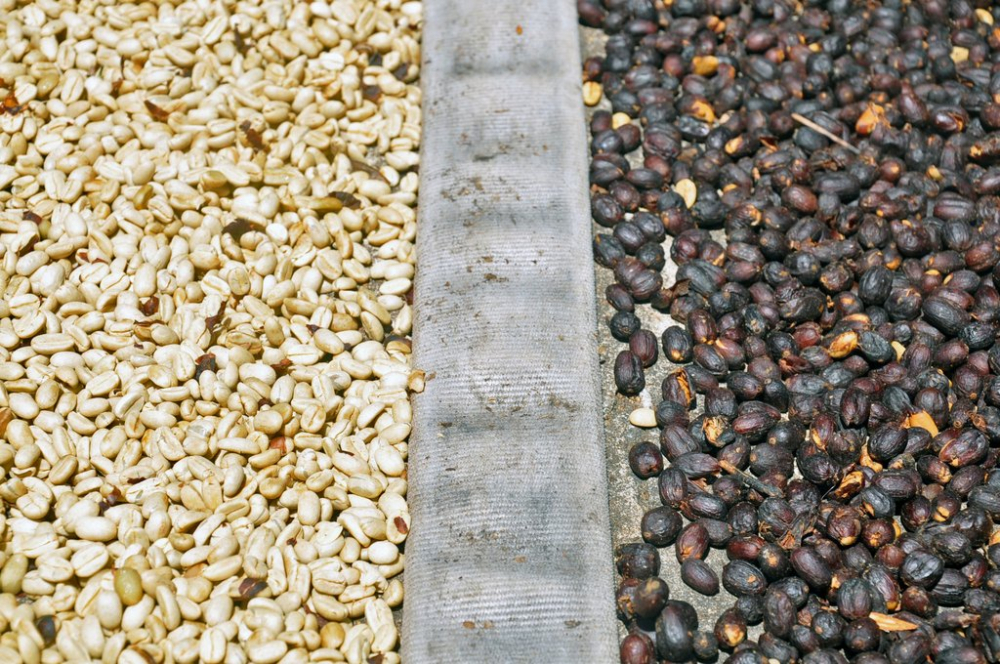
Among the many processing methods, honey processing and semi-washed processing can be considered compromise approaches between sun-dried and washed. Honey processing removes the fruit pulp but skips washing, allowing the mucilage-covered beans to dry in the sun. Semi-washed processing, on the other hand, first removes the fruit skin and then briefly soaks the beans in water before sun drying. Judging solely by the condition of silver skin residue, except for types like raisin honey or black honey that involve minimal water washing, the silver skin state of most honey and semi-washed processed beans is actually closer to that of washed beans.
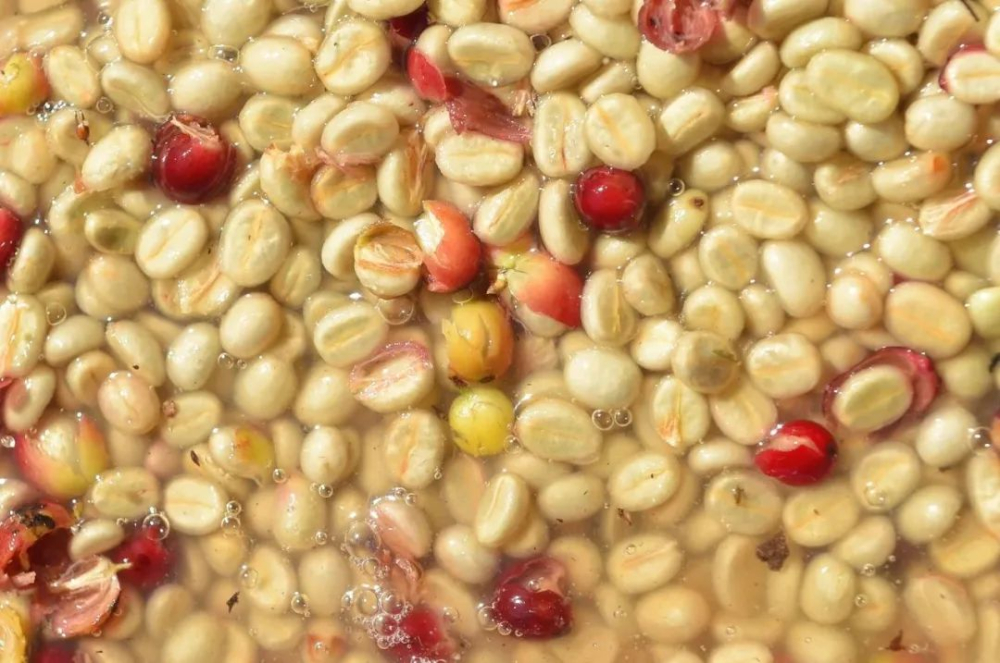
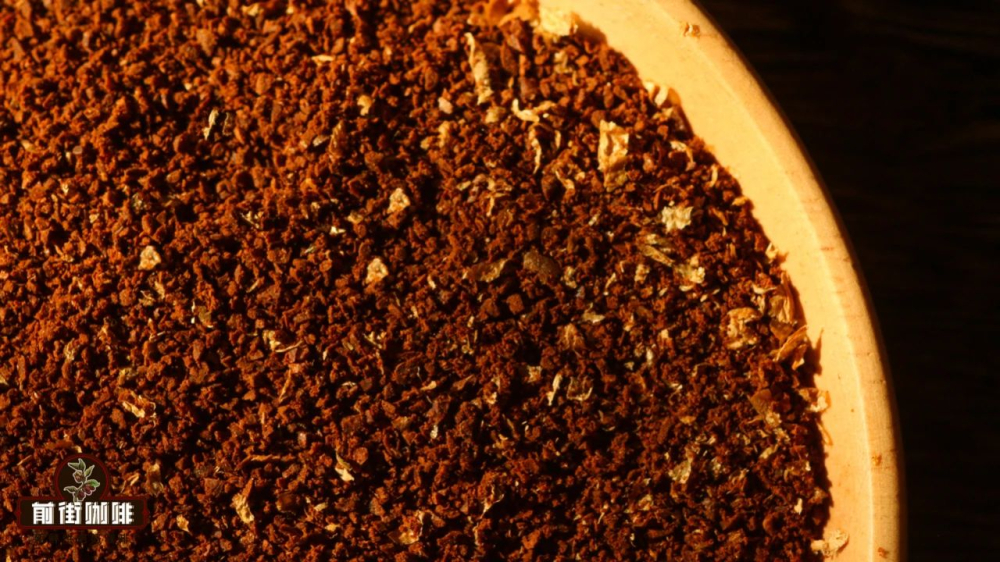
Next, let’s look at how silver skin manifests on roasted beans. Generally speaking, coffee beans processed with the sun-dried method tend to have less silver skin residue, because during sun drying, the silver skin is more likely to fall off along with evaporating moisture. In contrast, washed processed beans often show noticeable white silver skin lines in the bean crevices. This is because although the washing process removes most of the outer layers, some silver skin may still remain lodged in the bean fissures, creating a visual feature that is easy to identify.
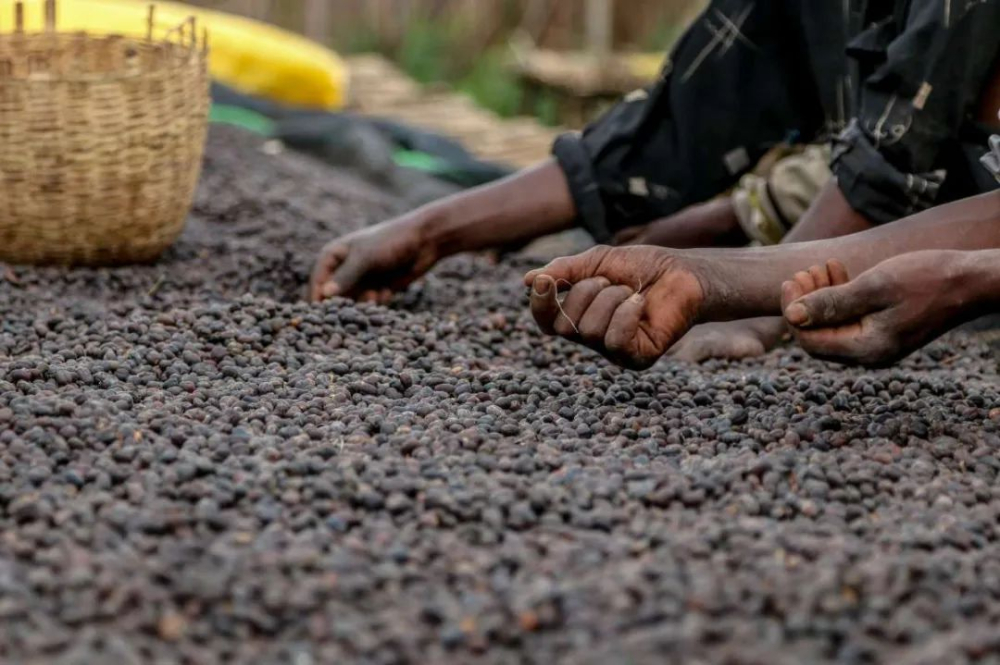

Besides observing silver skin, tasting is also a crucial way to differentiate processing methods. Of course, not all processing methods are suitable for direct comparison—for example, wet-hulled processing or certain special regional semi-washed methods have less universal characteristics in terms of appearance and flavor. But for coffee beans from the same origin that offer both sun-dried and washed versions, through actual tasting, you can clearly perceive the flavor differences between them. These differences cannot be fully understood through text descriptions alone—you must try and compare them yourself to truly imprint them in your taste memory.
Take the renowned Yirgacheffe region as an example. Whether sun-dried or washed, these coffee beans are often described as having flavor notes such as citrus, lemon, jasmine, honey, and green tea. However, the sun-dried version often performs better in terms of layering and sweetness. Its main profile is citrus aroma, accompanied by distinct berry sweetness and fermentation notes, resulting in a richer overall mouthfeel. In contrast, the washed Yirgacheffe showcases a cleaner and crisper flavor profile. The citrus note remains, but it is paired with soft jasmine floral tones and a green tea aftertaste. The acidity is more pronounced and refreshing, making it ideal for coffee lovers who prefer bright acidity.
The above content is compiled by CoffeeHunters, a coffee news website.


